Madrid is one of Europe’s great capital cities, combining world-class art museums — the Prado, Reina Sofía, and Thyssen-Bornemisza form one of the most remarkable cultural triangles anywhere — with an electric street life that runs well past midnight. The food scene is exceptional, from classic tapas bars in La Latina to Michelin-starred modern Spanish cuisine, and the local custom of long, leisurely meals makes dining feel like a genuine event. The city’s architecture mixes grand Habsburg and Bourbon grandeur with lively neighborhoods like Malasaña and Chueca that have a distinctly bohemian energy.
Overview
Stay
Only You (Chueco)
Catalonia Las Cortes (Barrio de las Letras)
The Principal Madrid Hotel (Chueca/Centro)
Libertad 24 (apartment in Chueco)
Explore
Museo Nacional del Prados
Real Jardin Botanico
Parque El Retiro (Crystal Palace)
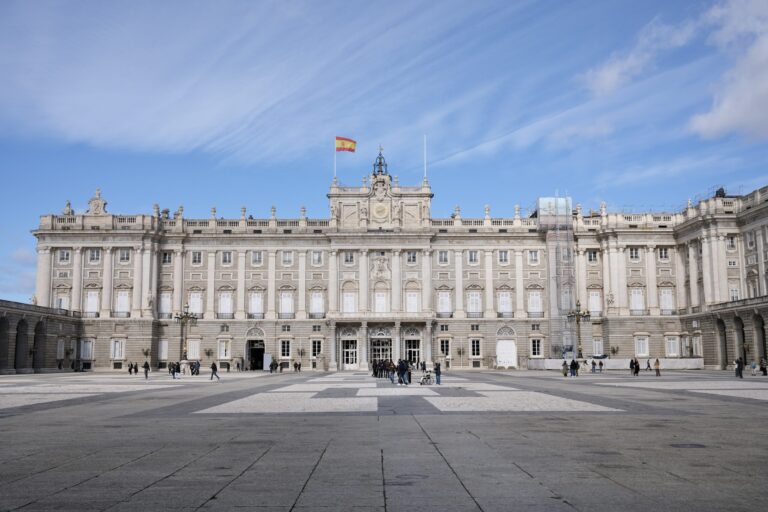
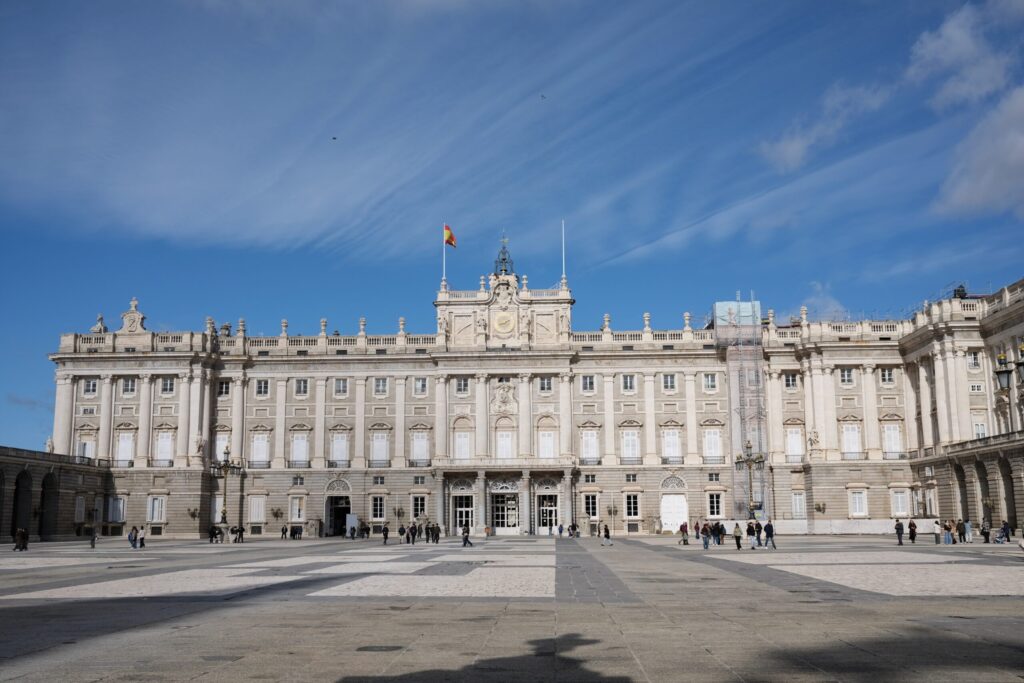
Palacio Real de Madrid
Real Basílica de San Francisco el Grande and/or Catedral de la Almudena
Mercado de la Cebada
Plaza Mayor
Eat
Kuoco (fusion)
Tampu (Peruvian)
Ástor “Puerta Cerrada” (fusion)
Antuanet Restaurant (Lebanese/ Mediterranean)
Bambubox (Thai)
Where to Stay
Deciding where to stay really depends on how many days you have in the area and what type of vibe you like. As a first timer, I generally prefer a location that is central, but not too overwhelmingly busy (preferring somewhere more historical and bohemian). We were in Madrid for a week so we decided to split our stay into two areas, Barrios de la Letras and Chueco.
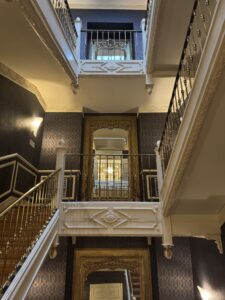
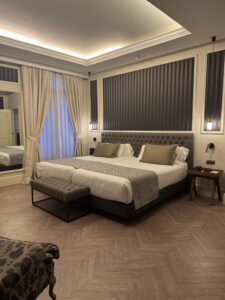
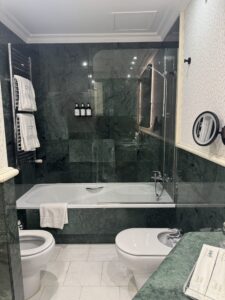
First we stayed at the Hotel Catalonia Las Cortes in Barrios de la Letras, which is in the historic center of the city and is very conveniently located to some of the most popular sights. It’s known today as the literary neighbourhood of Madrid, through whose streets you can go on a rediscovery of Spanish literature. There are even literary quotations from various authors written in gold letters on the pavements. The hotel is an 18th-century, former duke’s residence, and is a 4-minute walk from a metro station and 2.1 km from the Museo del Prado.
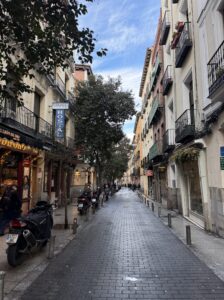
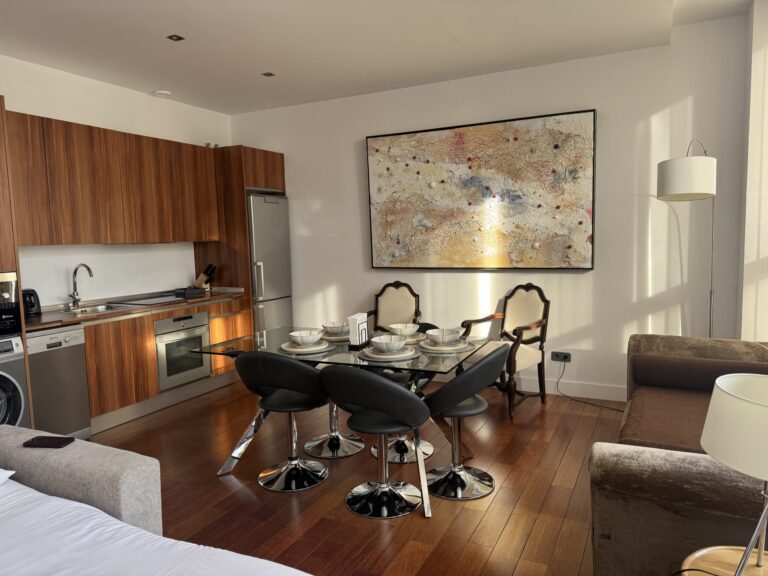
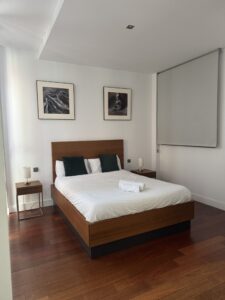
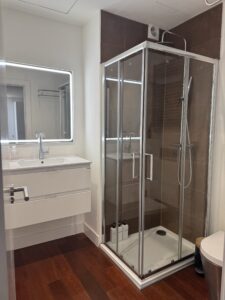
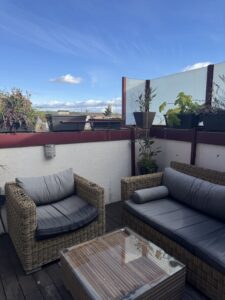
The neighborhood we decided to stay in for the remainder of our trip was Chueca. Situated within the Centro district, adjacent to Malasaña and to Gran Via, it’s a neighborhood that’s undergone quite a bit of gentrification. It’s transformed from a neglected, high-crime area in the 1980s into a vibrant, trendy and charming area full of boutique shops, cute cafes, and trendy restaurants. We decided to stay at Libertad24, a nice tourist apartment. It’s conveniently located next to two markets and gave us more space, a kitchen, and access to laundry.
Each neighborhood in Madrid offers something unique so you really need to just find the area you connect with the most. Prior to our trip, I’d read a lot about the various areas. The Malasaña neighborhood, which is known to have cool galleries and cafes, and a vibrant nightlife, was a top contender. La Latina is another neighborhood that is popular and is known to be more authentic and local. It’s full of great tapas bars, and is more affordable than some of the other areas. Sol is at the center of Madrid and is convenient for public transportation and visiting popular sights and landmarks. The area of Salamanca is more upscale, with designer boutiques and high-end restaurants. You really can’t go wrong — each of these neighborhoods is central and beautiful in different ways.
Things to Do
Museo Nacional del Prados
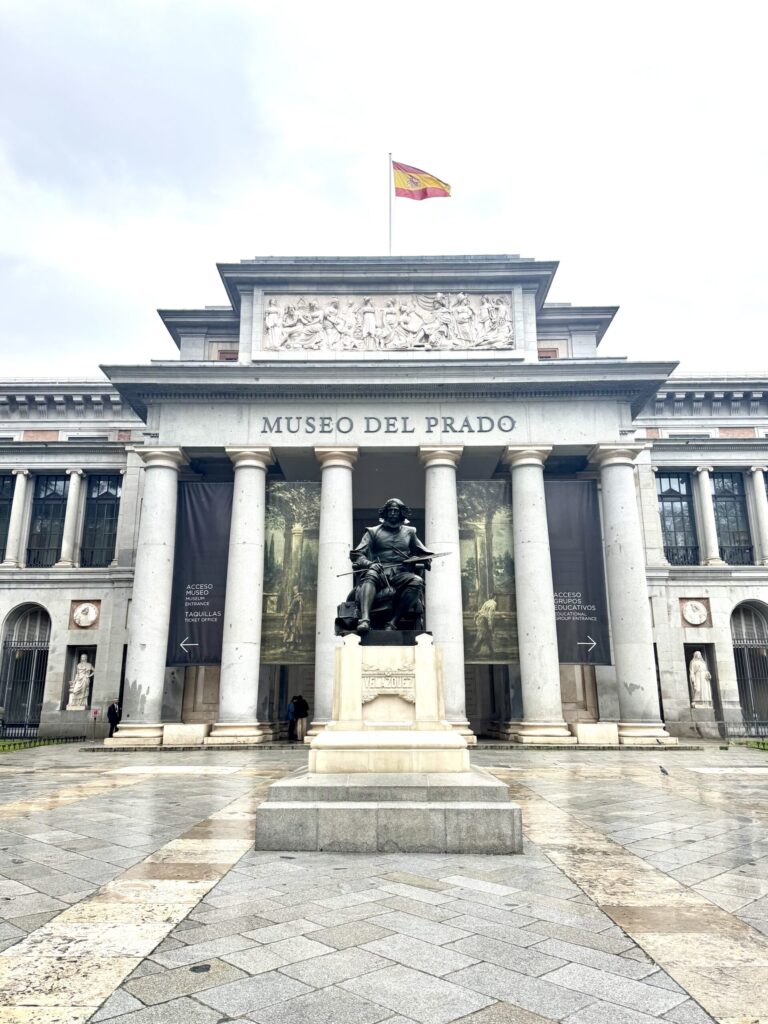
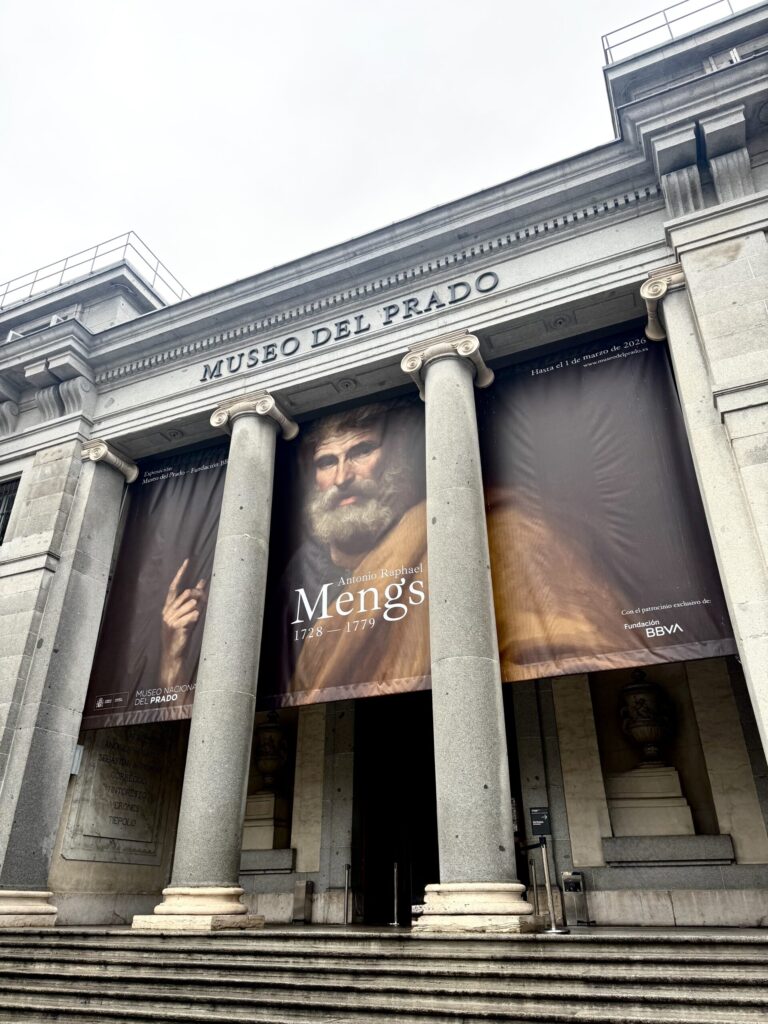
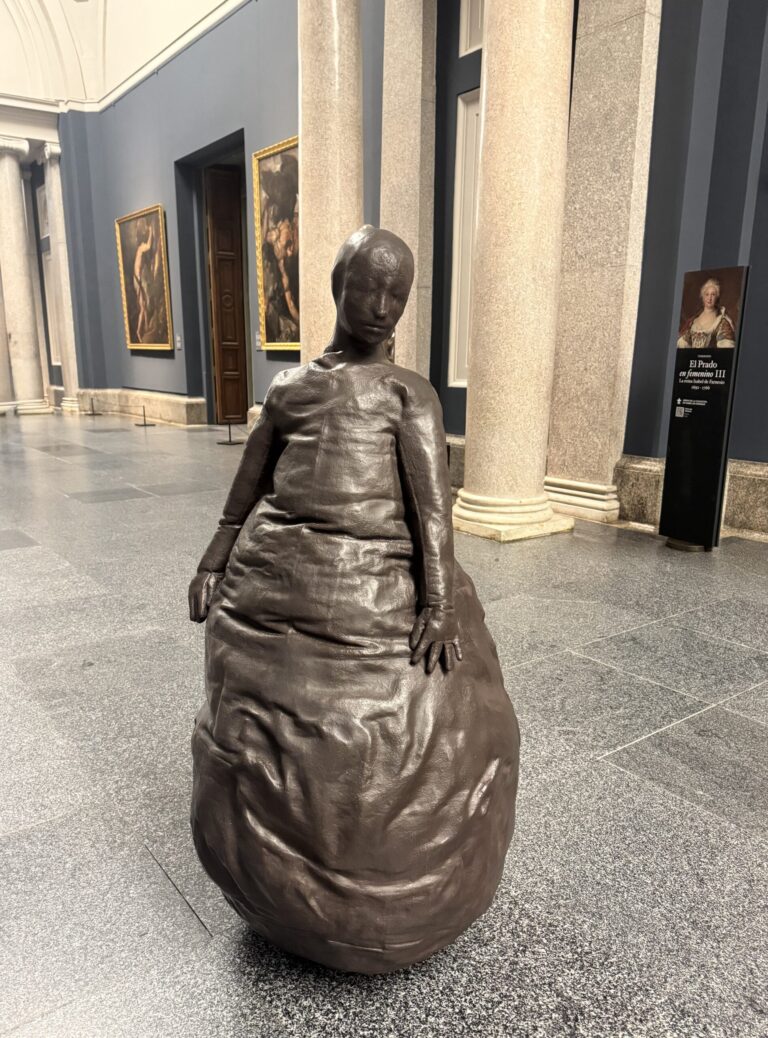
The Prado is one of the greatest art museums in the world and holds the world’s finest collection of Spanish paintings. It was built from the royal collections of the Spanish Crown, which means centuries of kings commissioning and acquiring the absolute best European art. You’ll find masterworks by Velázquez, Goya, El Greco, Rubens, Titian, Bosch, and Raphael all under one roof. It’s also a nice scale, so it’s not too overwhelming.
Fun fact: The Prado Museum in Madrid holds one of the most remarkable versions of the Mona Lisa in existence — not a later copy, but a workshop replica painted simultaneously with Leonardo da Vinci’s original, likely by one of his apprentices working side by side with the master. For a long time it was dismissed as just another copy, but a 2012 restoration and technical analysis revealed that it was painted at the same time as the Louvre original. The most striking difference is the background, with the Prado version showcasing a vivid, detailed landscape — mountains, winding rivers, a bridge, atmospheric haze.
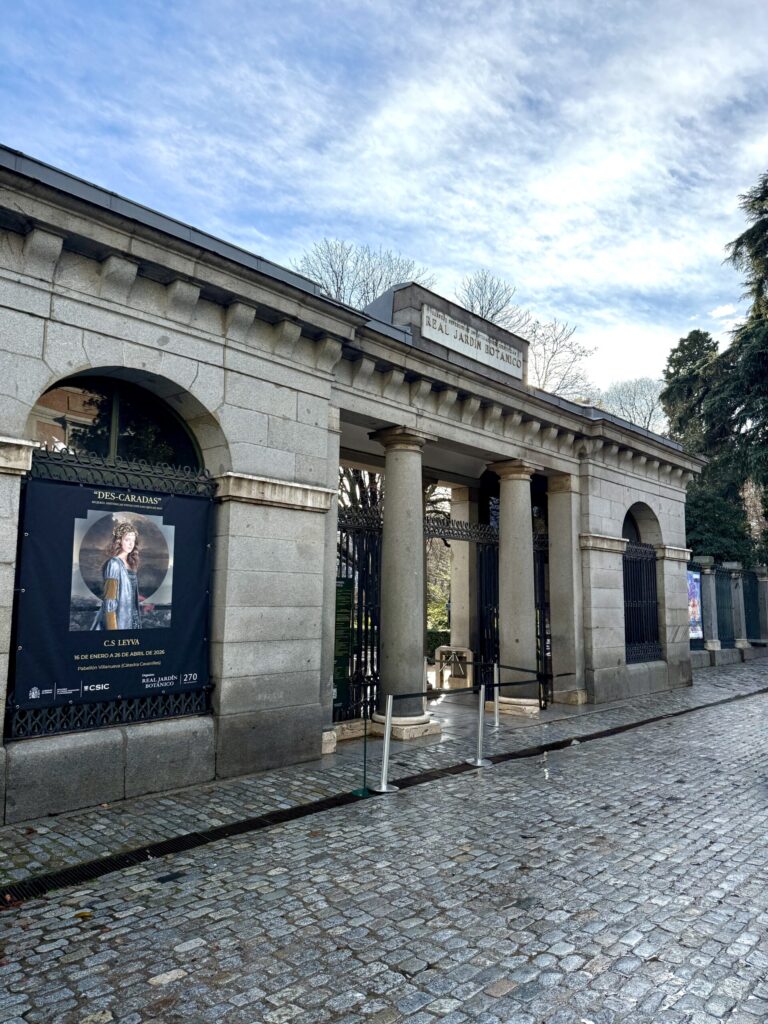
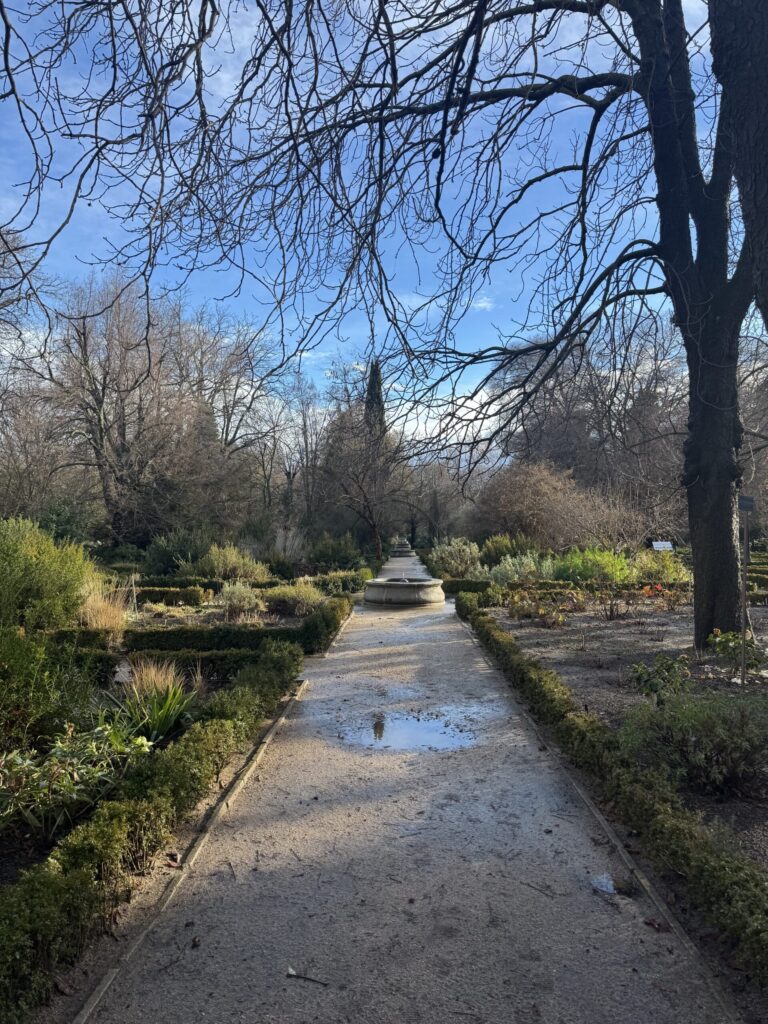
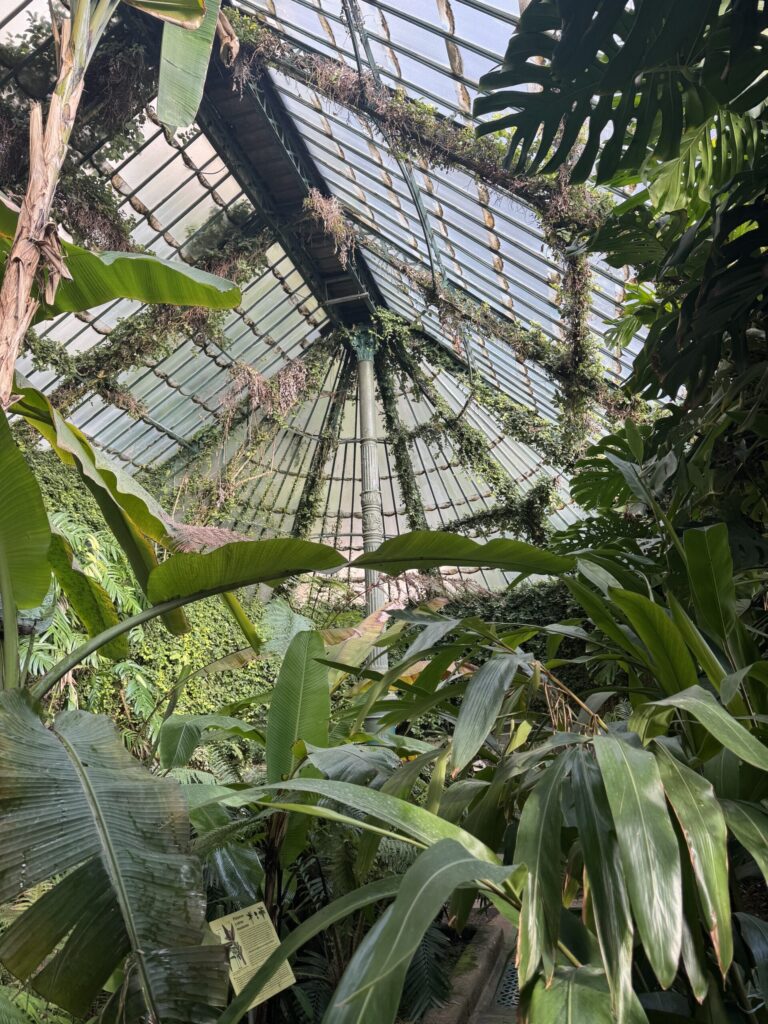
The garden is a beautifully designed 18th-century layout on three terraced levels, and is right next to the Prado Museum. It was founded in 1755 under Fernando VI and expanded under Carlos III. the garden holds over 90,000 plant specimens across roughly 5,000 species, including rare and endangered plants from around the world. The historic glasshouses (invernaderos) showcase tropical and subtropical species in ornate iron-and-glass structures.
Adjacent to the Jardín is the Parque El Retiro. Retiro is one of the great urban parks in Europe. It was originally the private grounds of the Spanish Royal Family until it opened to the public in the 19th century. In the 350-acre park is a large central lake — you can rent a rowboat and drift around with views of the grand Alfonso XII monument. Don’t miss the Palacio de Cristal, a stunning iron-and-glass palace from 1887.
Palacio Real de Madrid
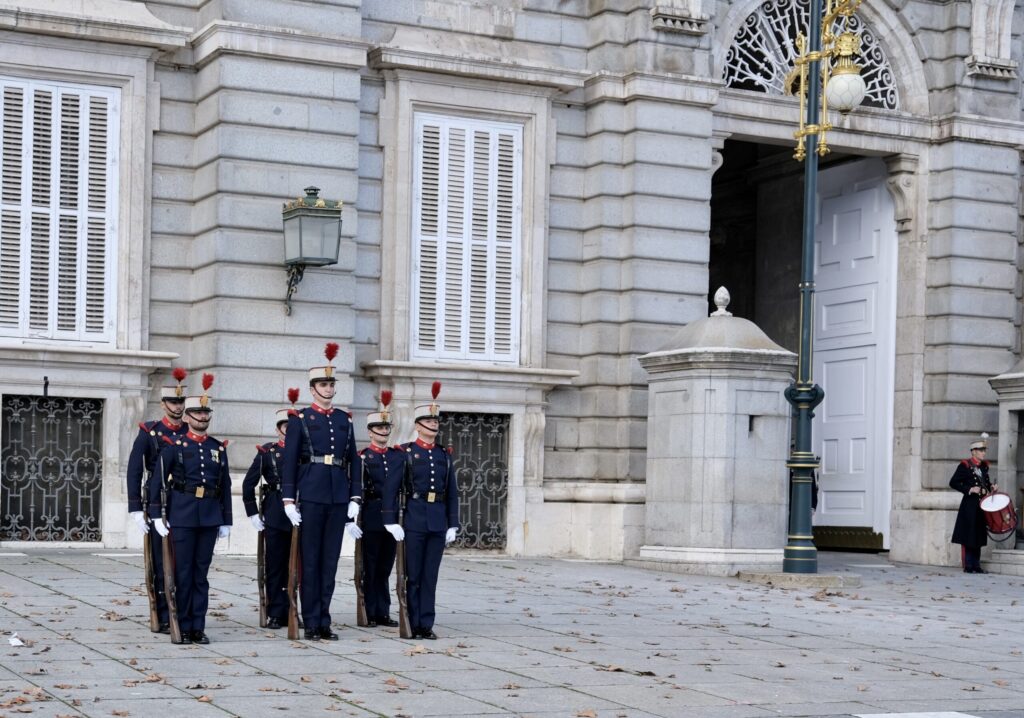
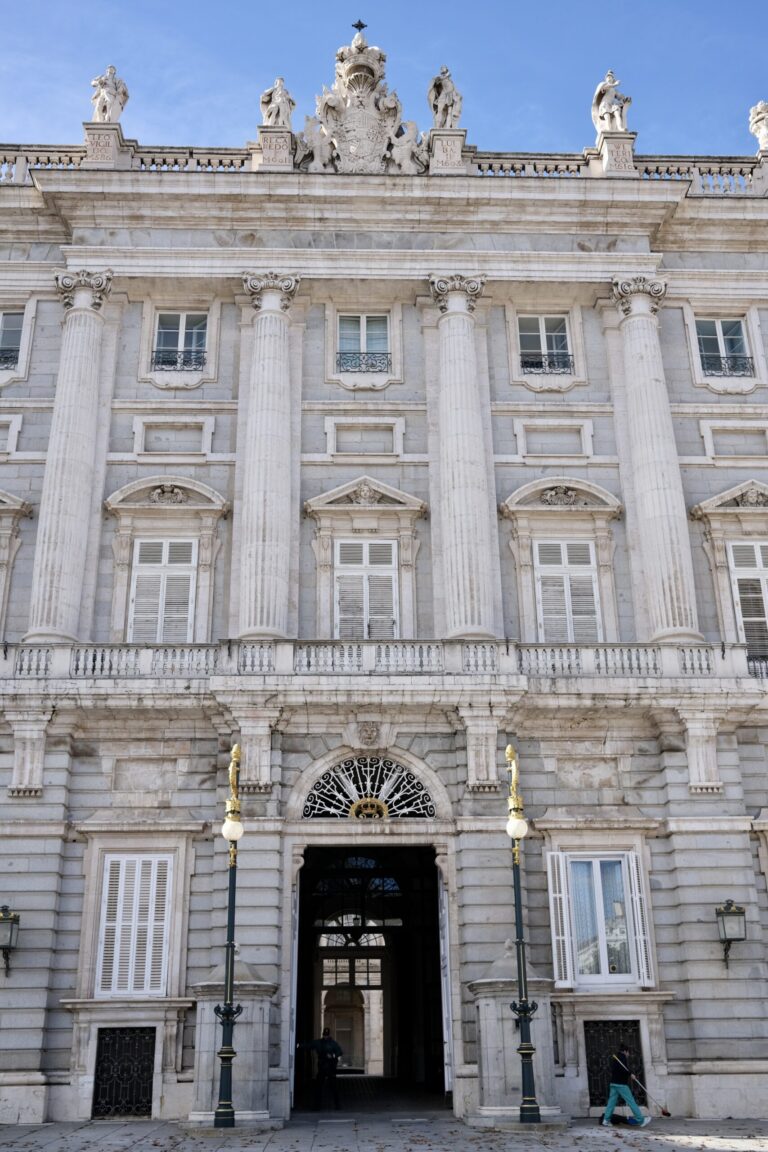
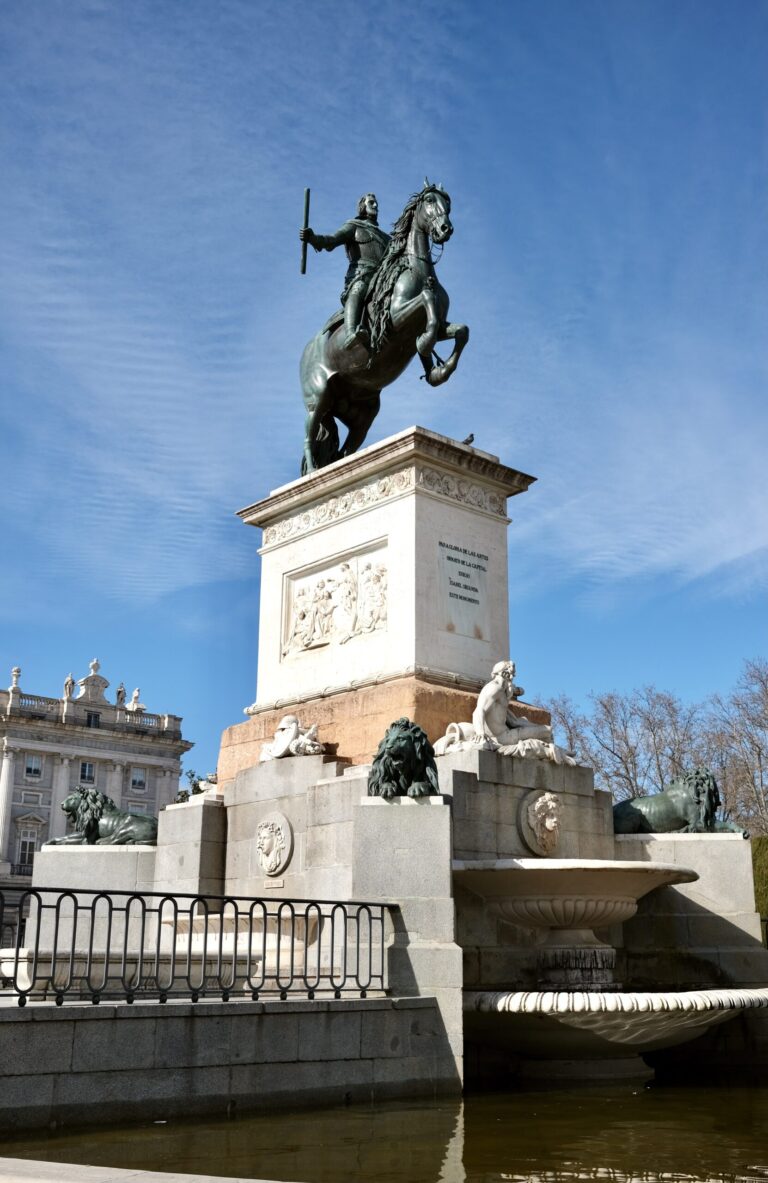
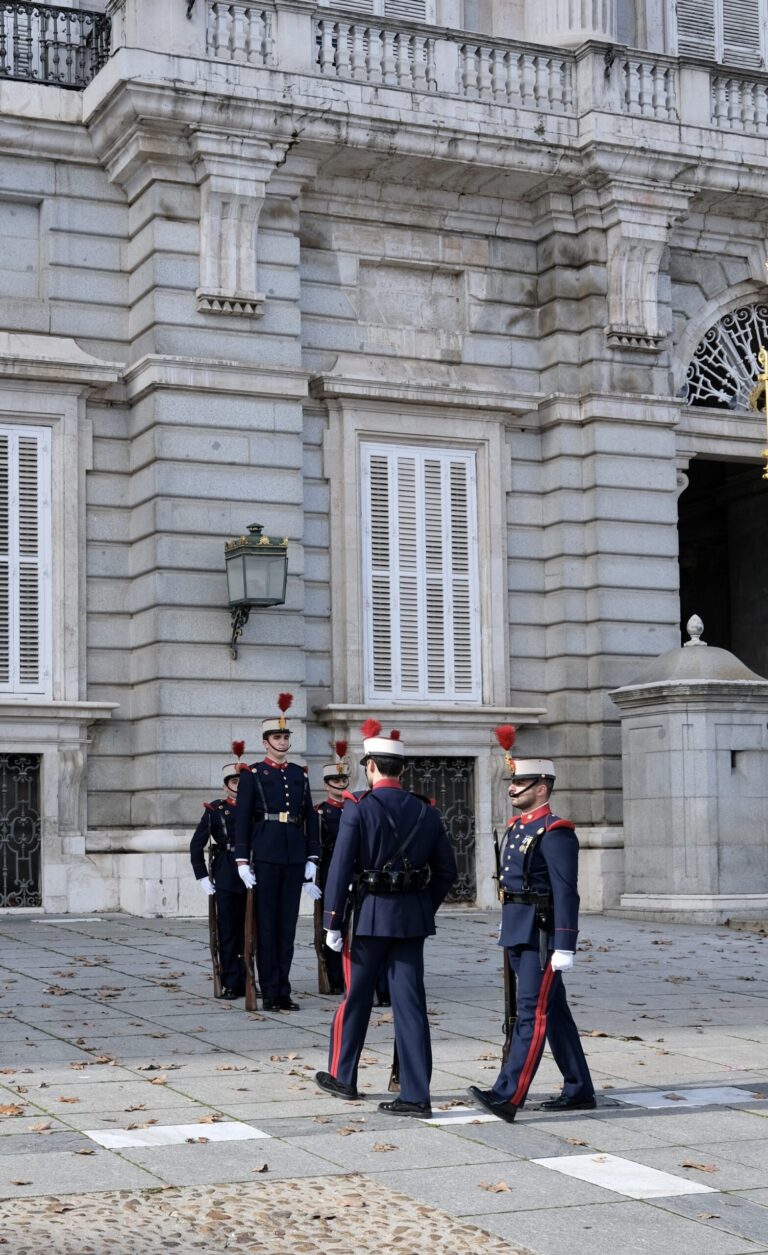
The Palacio Real de Madrid is Spain’s official royal palace and one of the largest in Europe, with over 3,400 rooms spread across its vast neoclassical and Baroque facade overlooking the Manzanares River. Construction began in 1738 under King Philip V on the site of a former Moorish fortress and Habsburg alcázar that had burned down in 1734, and it was completed in 1764 under Charles III. Though the Spanish royal family no longer lives there, the Palacio Real remains the official residence of the Crown and is used for state ceremonies.
Plaza de la Armería | Catedral de la Almudena | Real Basílica de San Francisco el Grande
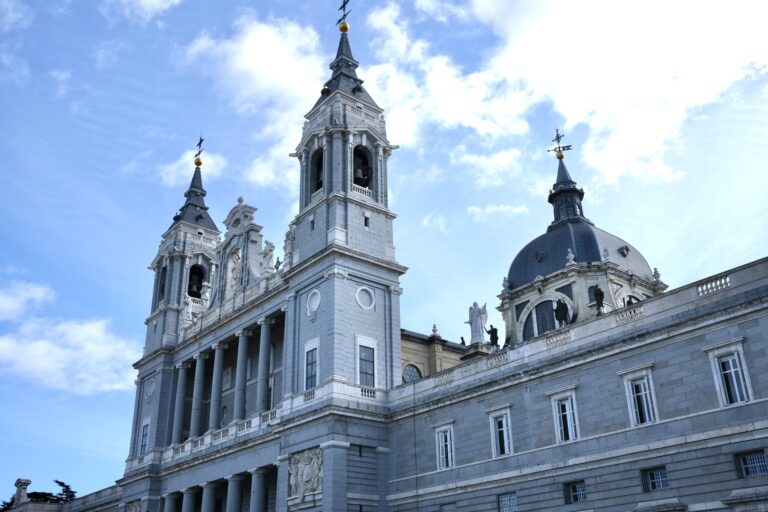
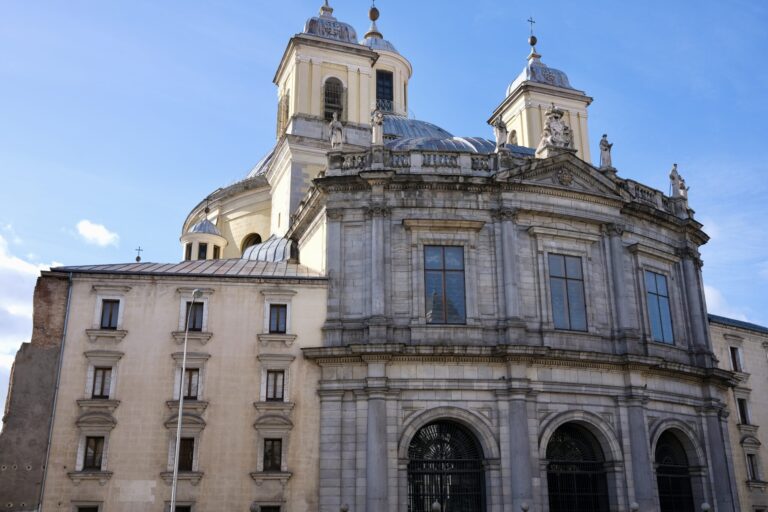
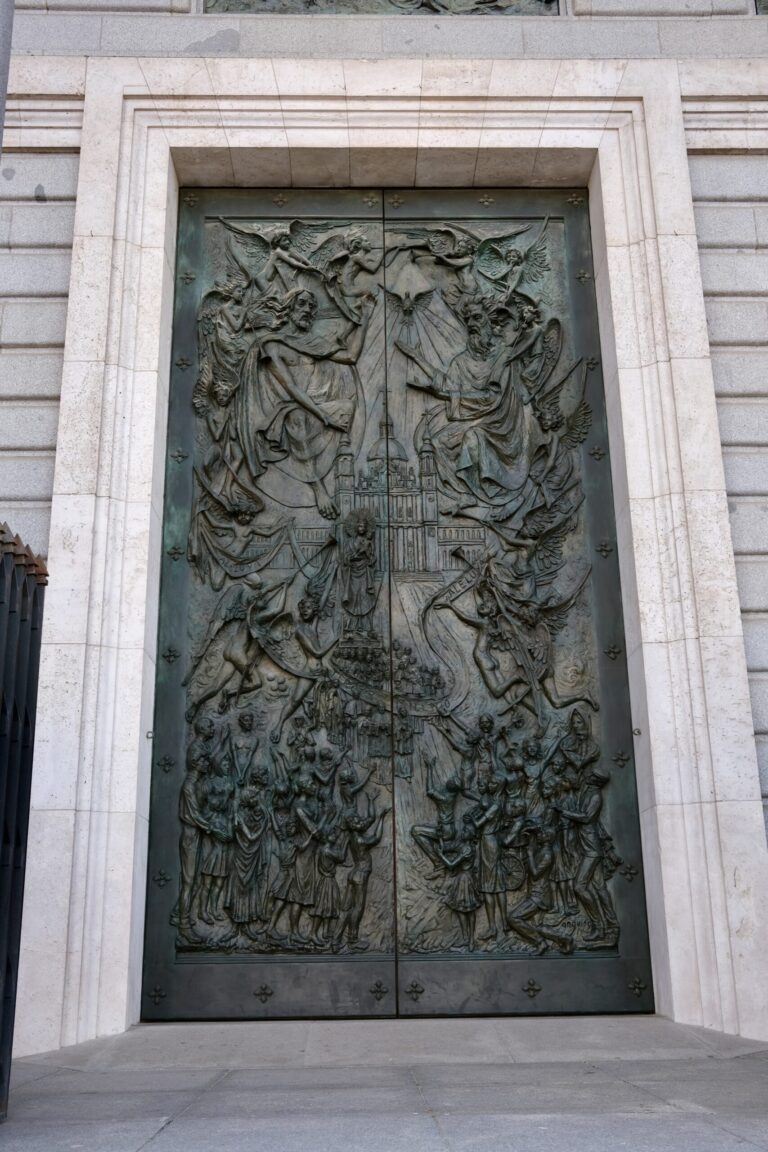
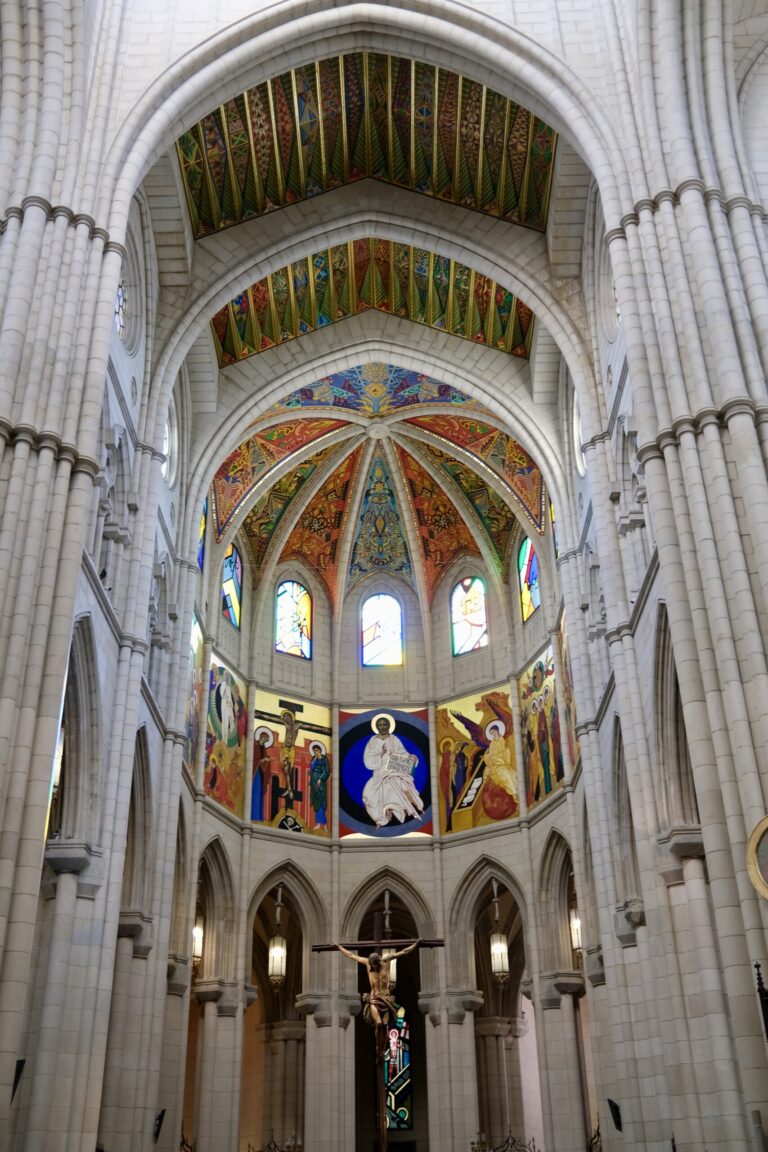
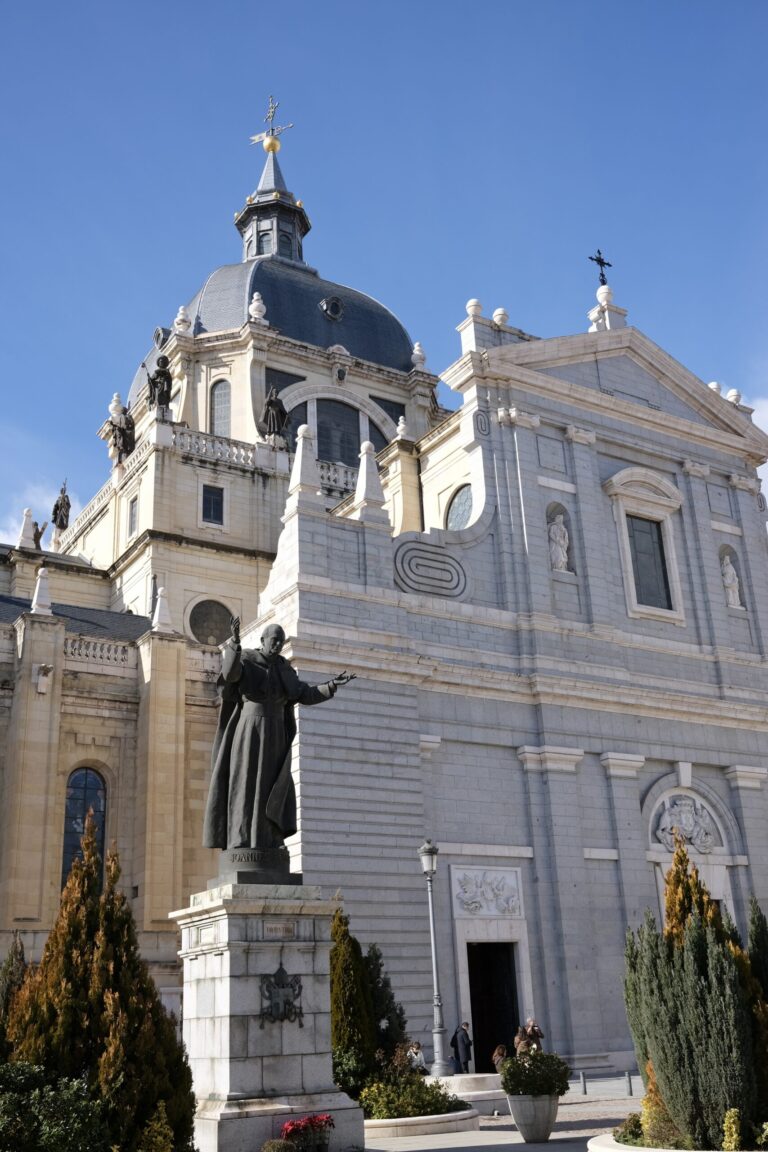
Plaza de la Armería is a grand, open-air courtyard situated between the Royal Palace and the Almudena Cathedral. Construction of the Cathedral began in 1883 and finished over a century later, when it was consecrated by Pope John Paul II in 1993. About a 15-minute walk south is the Real Basílica de San Francisco el Grande. It’s genuinely one of Madrid’s most underrated sites — the dome rivals Rome’s best churches.
Almudena Cathedral
Real Basílica de San Francisco el Grande
Mercado de la Cebada
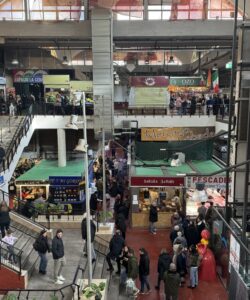
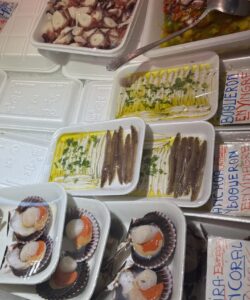
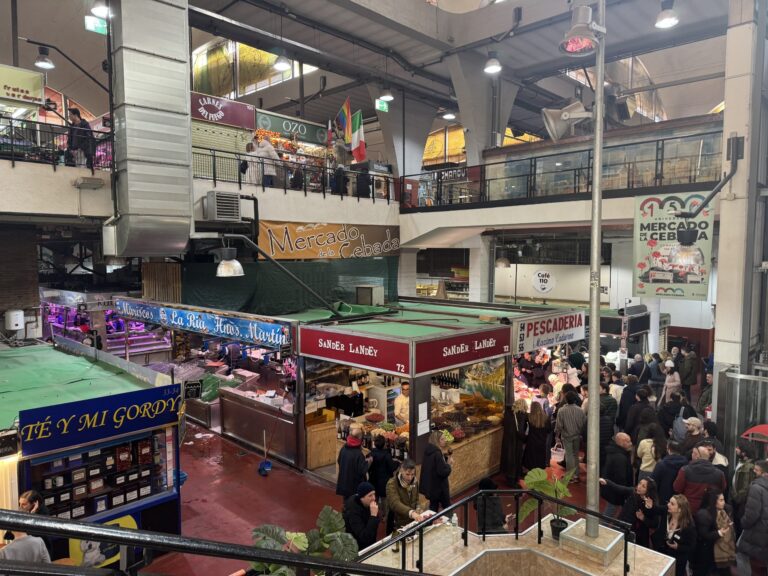
Now that you are in the La Latina neighborhood, stop by the Mercado de la Cebada. It’s a central market and has fruit stands, fishmongers, cheese shops, and butchers. Every Saturday at noon, the Mercado turns into a riotous seafood party. Fishmongers turn their stalls into kitchens, broiling and steaming fresh (and affordable) seafood. There were people carrying huge plates of seafood!
Plaza Mayor
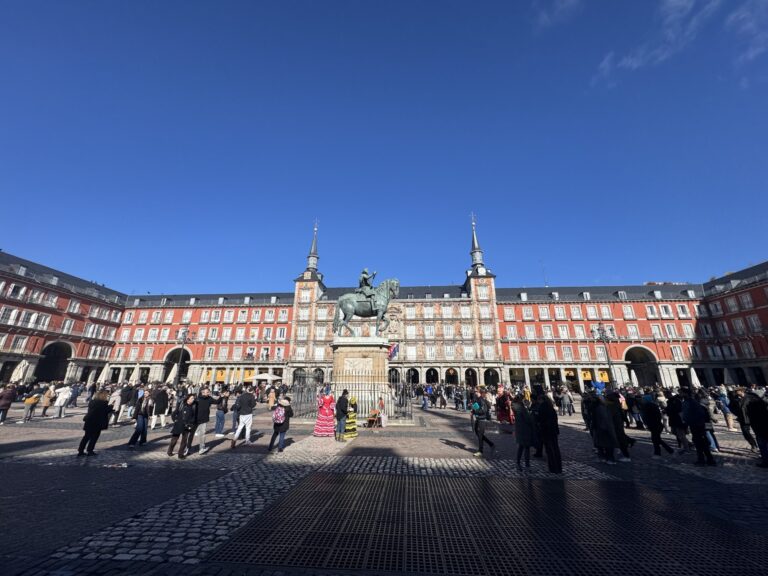
Plaza Mayor is one of the most historically and architecturally significant public spaces in Spain. For centuries it served as the stage for virtually every major civic event in Madrid — royal proclamations, bullfights, markets, theatrical performances, auto-da-fé (Inquisition trials and executions), and the canonization of saints. The plaza burned down three times (1631, 1672, 1790) and was rebuilt each time. Today it remains a central gathering point — hosting the famous Christmas market, stamp and coin markets on Sundays, outdoor cafés, and serving as an orientation point for visitors.
Where to Eat
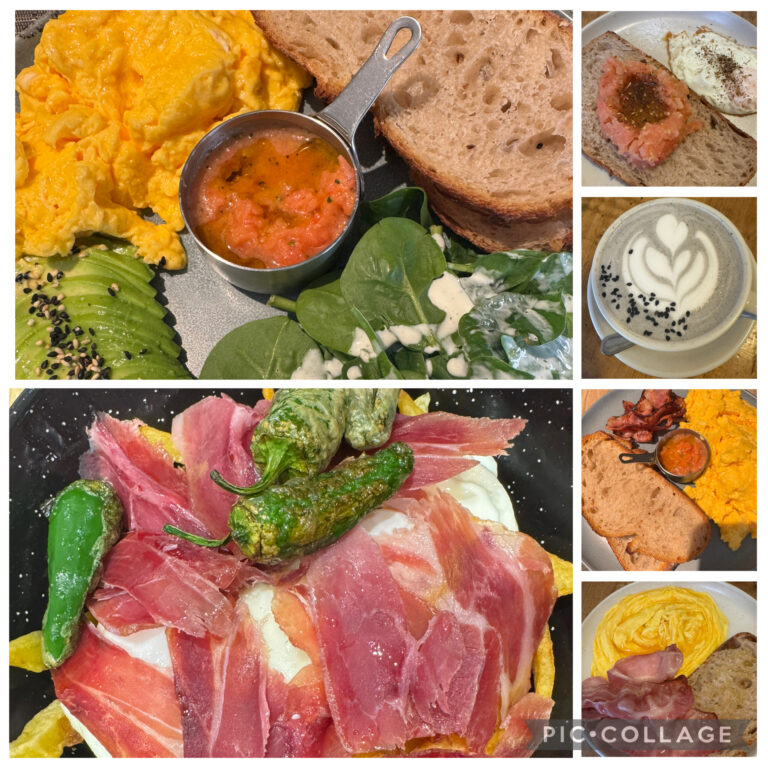
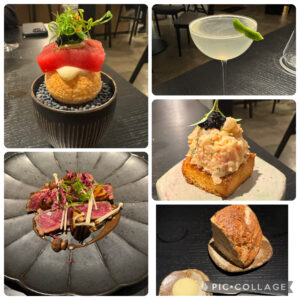
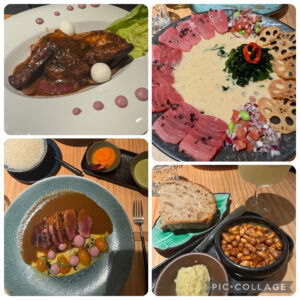
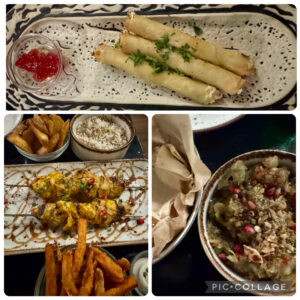
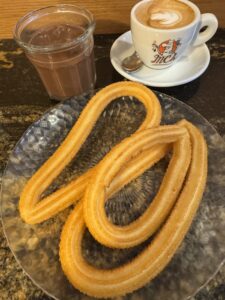
Madrid’s food scene spans the full spectrum — from a two-euro calamari bocadillo eaten standing at a bar to a three-Michelin-star tasting menu. The type of food you’ll find is loosely defined by the neighborhood. La Latina is the epicenter of the traditional tapas crawl (txikiteo), especially on weekends. Calle Cava Baja is lined with wine bars and tapas spots. Lavapiés has become Madrid’s most multicultural barrio, with excellent Indian, Ethiopian, and Latin American spots alongside natural wine bars and avant-garde casual restaurants. Salamanca is the upscale dining district — sleek modern Spanish restaurants, Japanese-fusion, and haute cuisine. Malasaña and Chueca have the most creative and casual new openings, with a younger energy.