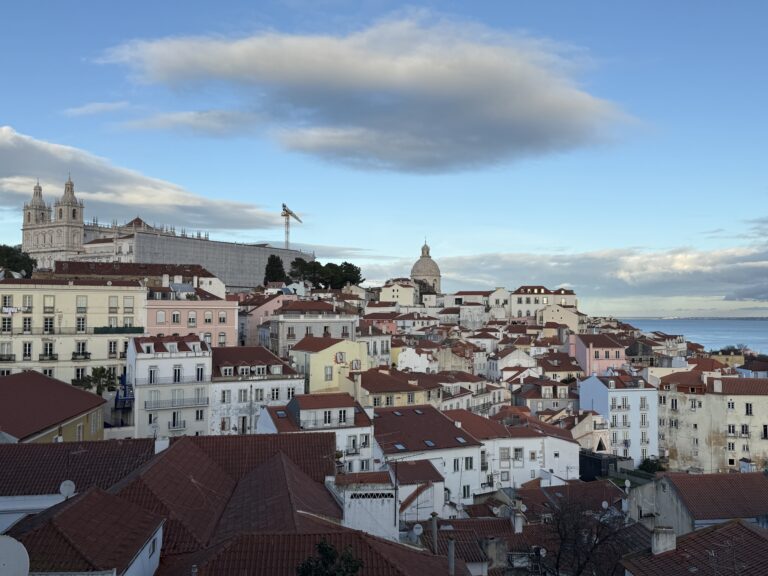
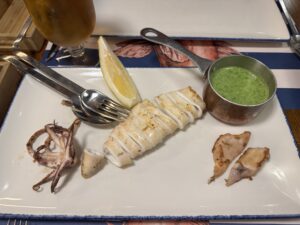
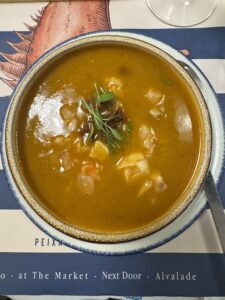
Lisbon is Portugal’s hilly, coastal capital city. It offers a stunning blend of historic neighborhoods, colorful tiled buildings, sweeping views over the Tagus River, and great food. Fresh grilled fish, seafood rice, and pastéis de nata are not to be missed.
Overview
Stay
Verride Palácio Santa Catarina (luxury boutique)
Casa do Barão (mid-range)
Le Consulat (mid-range)
São Paulo Exclusive Apartment Hotel
Explore
Belém: Jerónimos Monastery and Belém Tower
Praça do Comércio and Arco da Rua Augusta
Rossio Square and Igreja de São Domingos
Take Tram 28
Castelo de São Jorge and the Alfama neighborhood
Fado dinner and show
Daytrip to Cascias
Daytrip to Sintra
Eat
Santelmo
Frade dos Mares (seafood)
O Soajeiro (Madeira-style skewers)
As Salgadeiras
Sea Me (seafood)
As Bifanas do Afonso (casual)
Sala de Corte (meat)
O Magano
Baia do Peixe (Cascias)
Where to Stay
If it’s your first time in Lisbon, staying in the Chiado neighborhood is a good choice. It’s a bit hilly, but is proximate since it sits between the Baixa flatlands and the bohemian Bairro Alto. The area has a distinctly literary, artistic, and sophisticated character that sets it apart from the more tourist-saturated parts of the city. The energy is more local, and more relaxed. It’s also centrally located so it’s walking distance to many of the city’s top tourist attractions.
Verride Palácio Santa Catarina (luxury boutique) A restored palace from 1750, this 18-room hotel has beautiful architectural details and offers amazing views.
Casa do Barão (mid-range) Housed in an 18th-century rowhouse on a side street, this 12-room bed and breakfast is very centrally located.
Le Consulat (mid-range) A 12-room hotel formerly home of the Brazilian consulate, each showcasing art from a range of Portuguese artists.
São Paulo Exclusive Apartment Hotel 20 spacious apartments located in the heart of Chiado
Things to Do
Belém: Jerónimos Monastery | Tower of Belém | Pastel de Belém
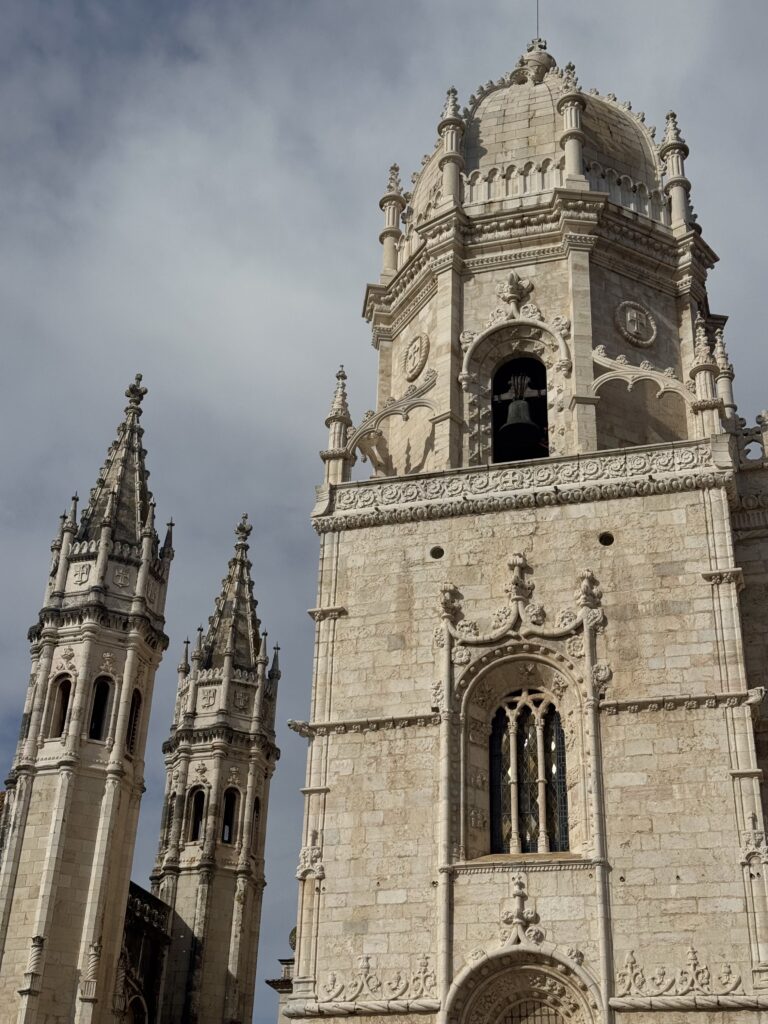
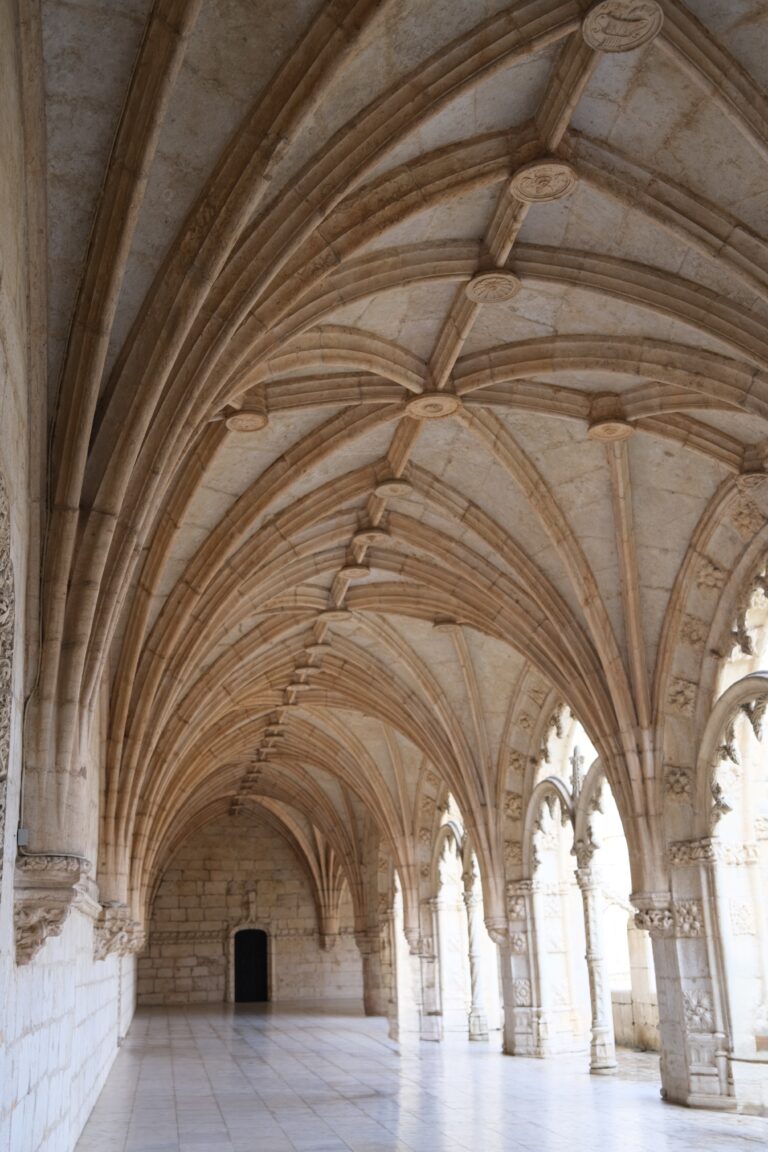
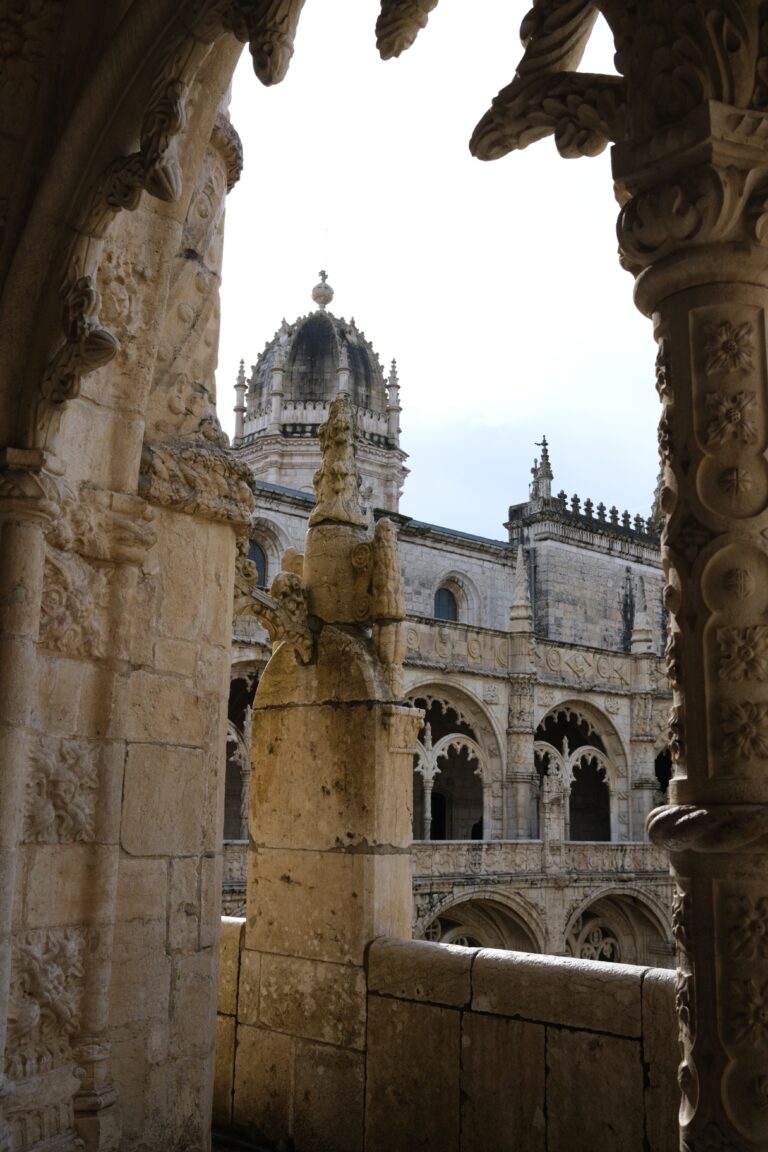
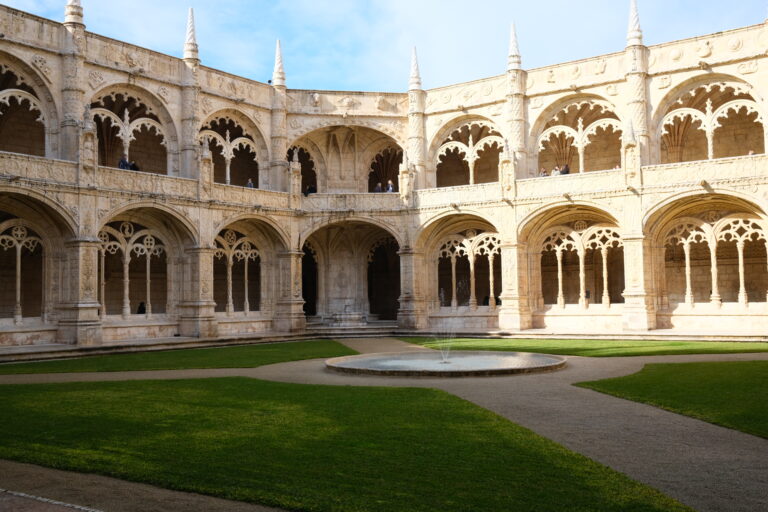
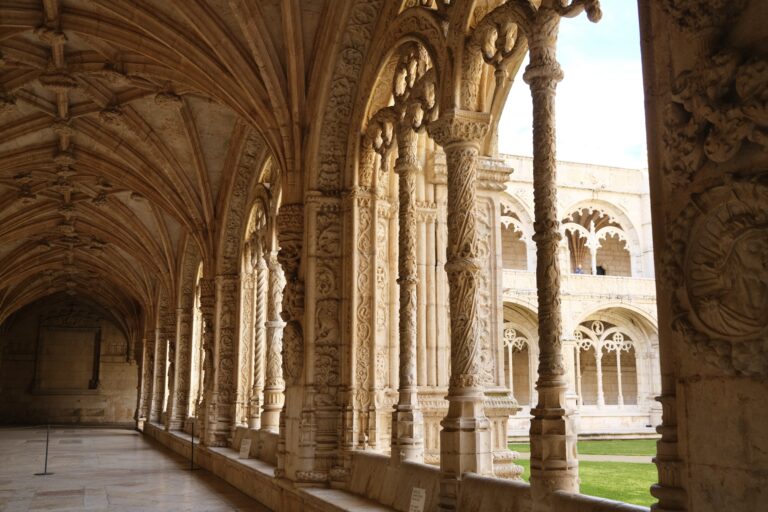
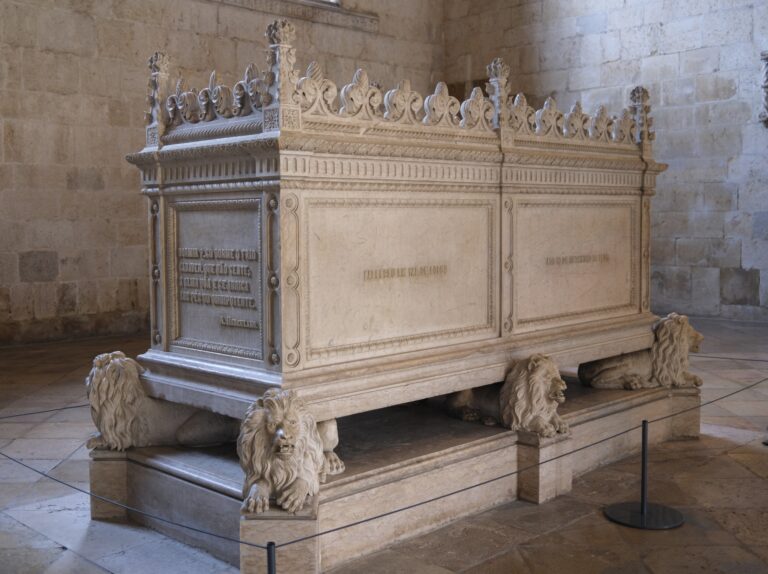
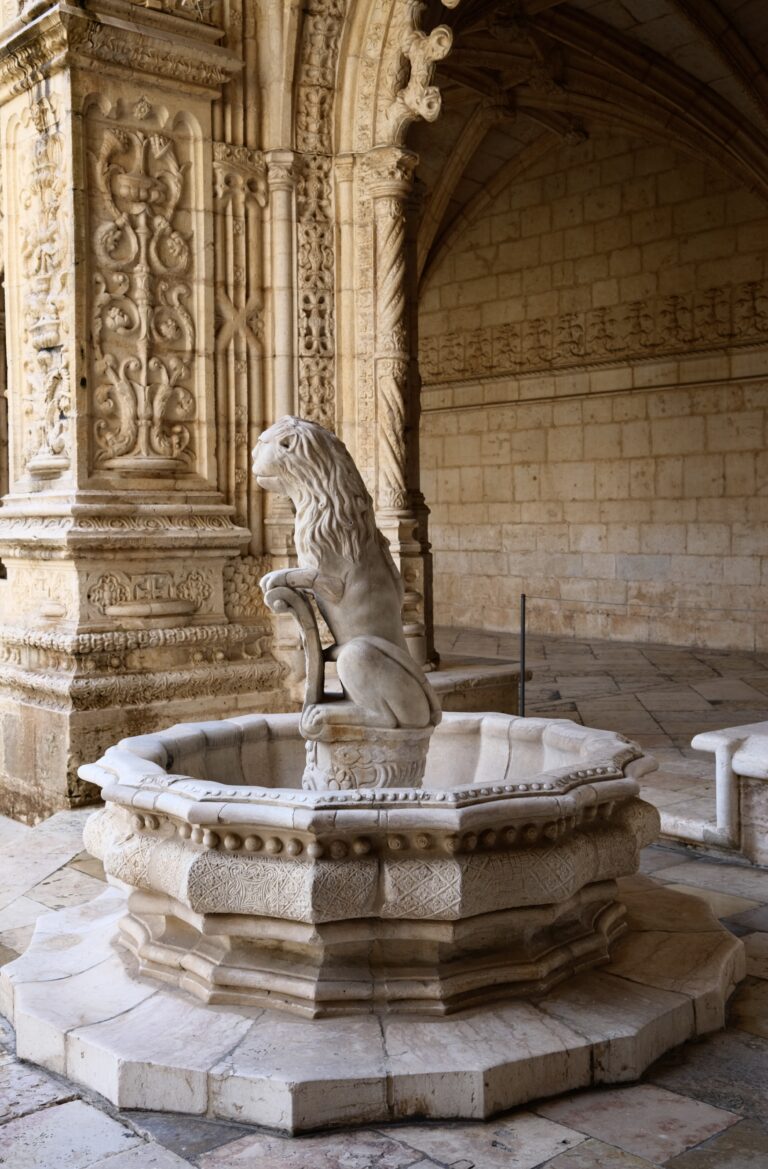
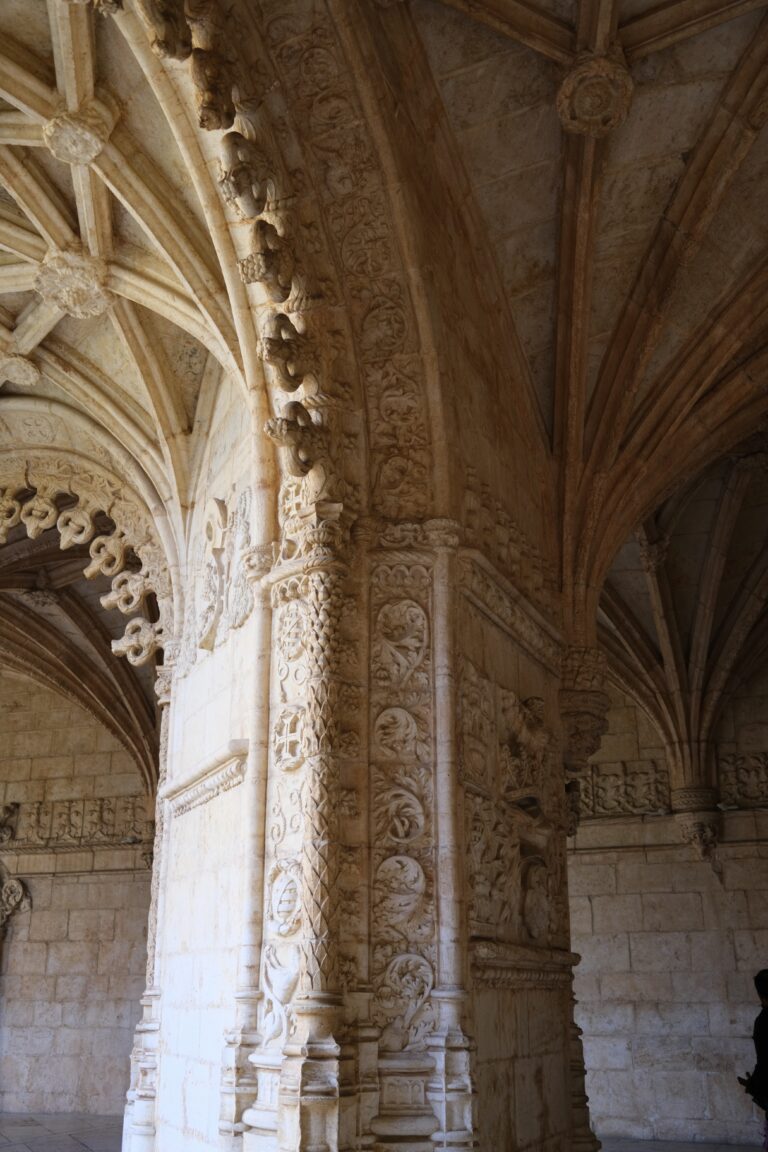
Jerónimos Monastery, a UNESCO World Heritage Site since 1983, was built in the early 16th century under King Manuel I. It showcases the Portuguese Late Gothic Manueline architectural style, which is a fusion of Gothic, Renaissance, and Moorish elements. It’s a symbol of the Age of Discovery, funded in part by a tax on spices and goods from the Eastern trade routes. It also holds the tombs of Vasco da Gama (mariner and explorer), the poet Luís de Camões, and multiple Portuguese monarchs.
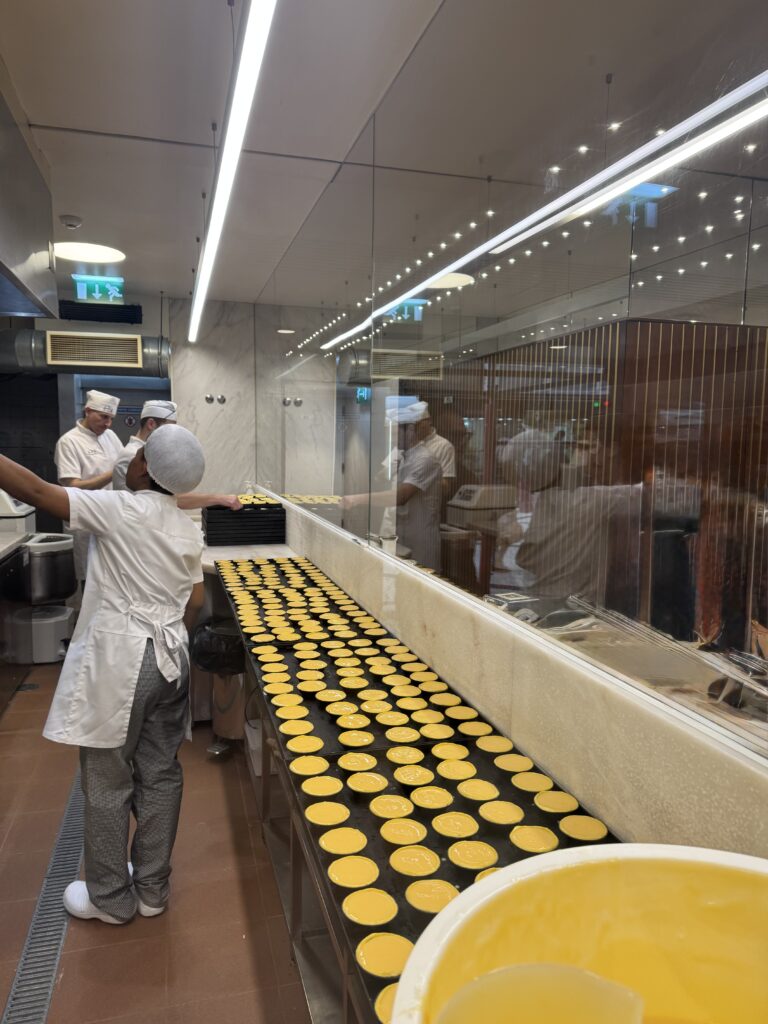
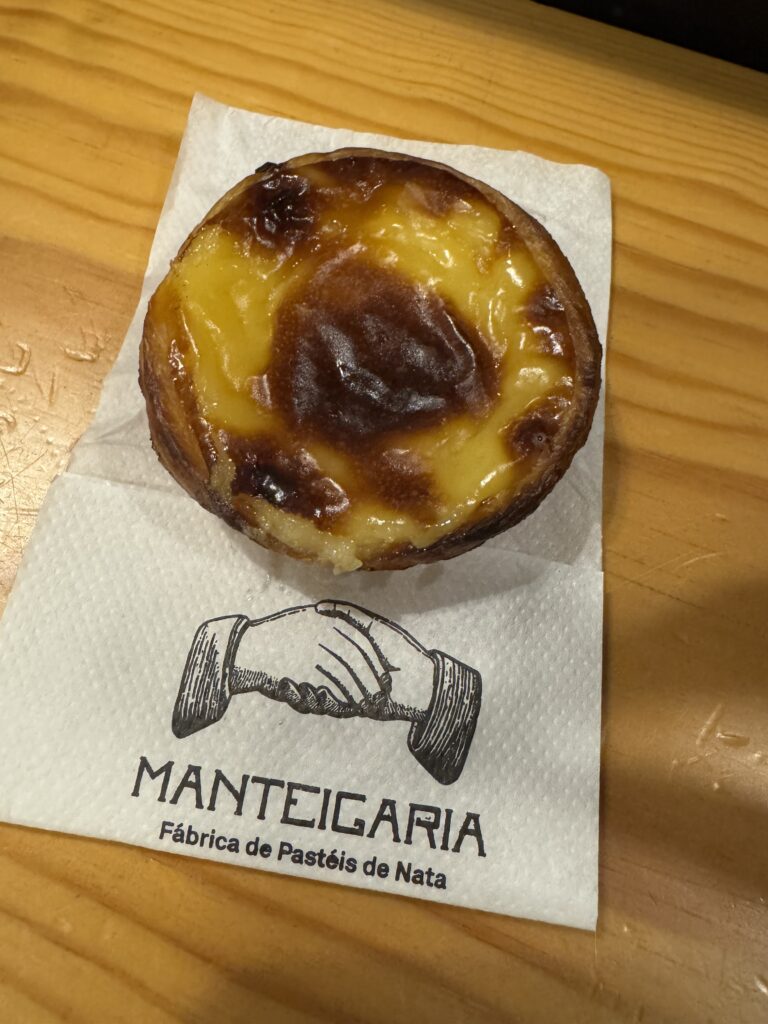
After visitng the Monastery stop by Fábrica de Pastéis de Belém for the famous Pastel de Belém. The creation of these tarts is quite interesting — the monks used egg whites in large quantities to starch their habits and vestments — leaving an abundance of egg yolks with nothing to do. This surplus yolk gave rise to the entire tradition of Portuguese egg-yolk-based pastries, most notably the Pastel de Belém. Sometime around 1837, a monk began selling small custard tarts to a sugar refinery shop just outside the monastery gates as a way to generate revenue. The original monastic recipe is still a closely guarded secret
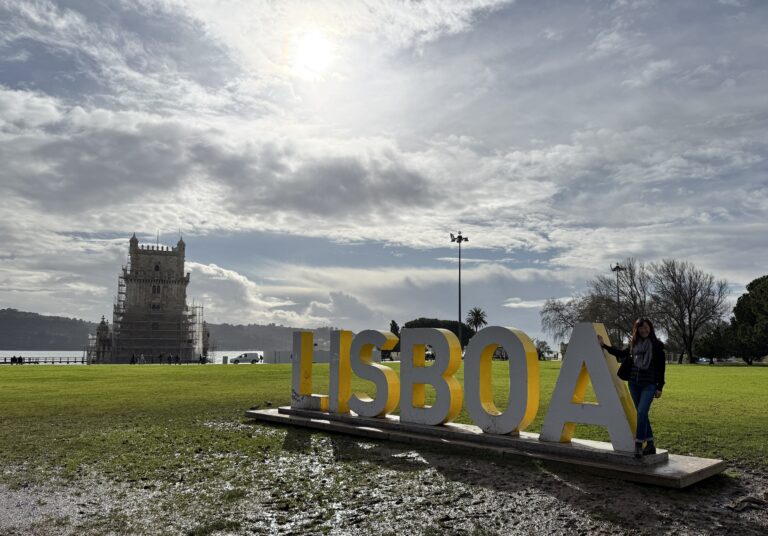
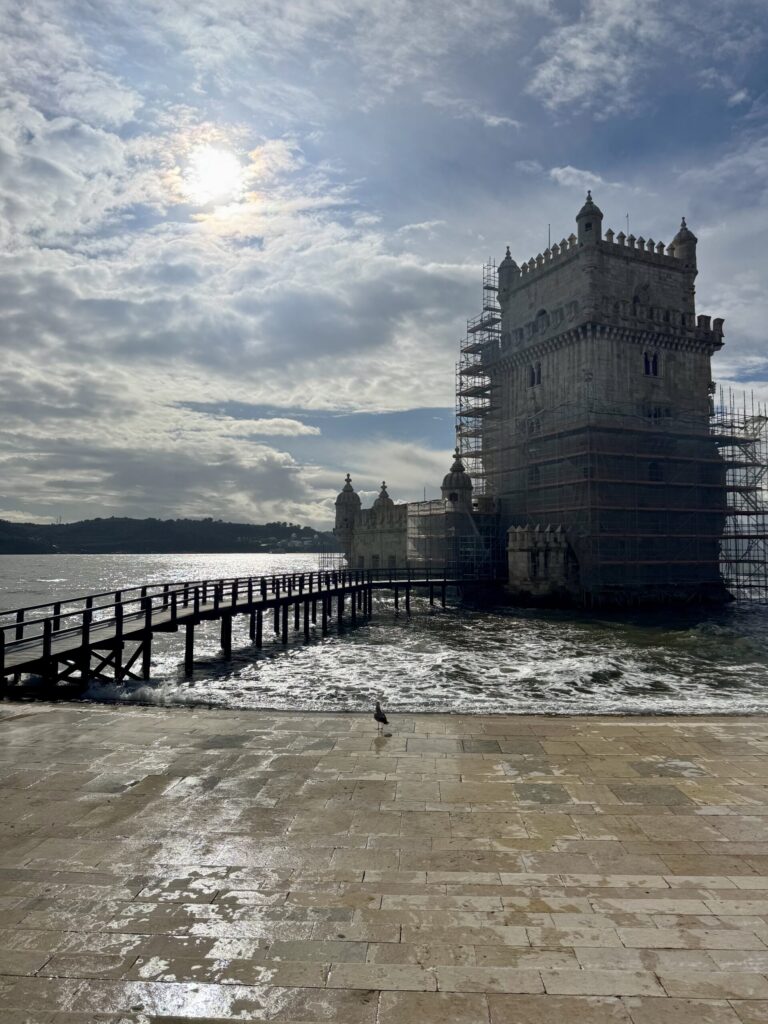
The Tower of Belém, built around 1519, served as a ceremonial gateway and statement of Portuguese maritime power and prestige. Together with the Monastery, they represent the apex of Portugal’s Golden Age — a brief period when Portugal controlled much of global maritime trade.
Praça do Comércio and Arco da Rua Augusta
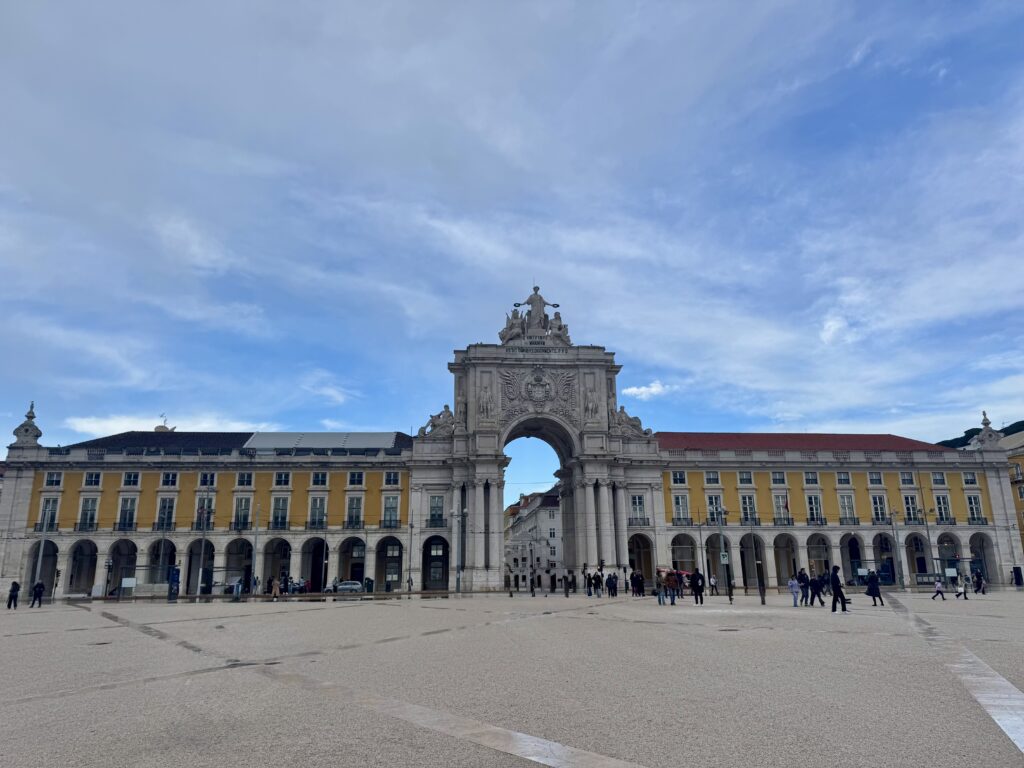
Praça do Comércio is Western Europe’s largest royal square. The Royal Palace was housed here until the devastating earthquake of 1755 destroyed the royal residence and all the buildings around it. At the entry of the Plaza is Arco da Rua Augusta, a 19th century triumphal arch that commemorates Lisbon’s reconstruction after the 1755 earthquake.
Arco da Rua Augusta
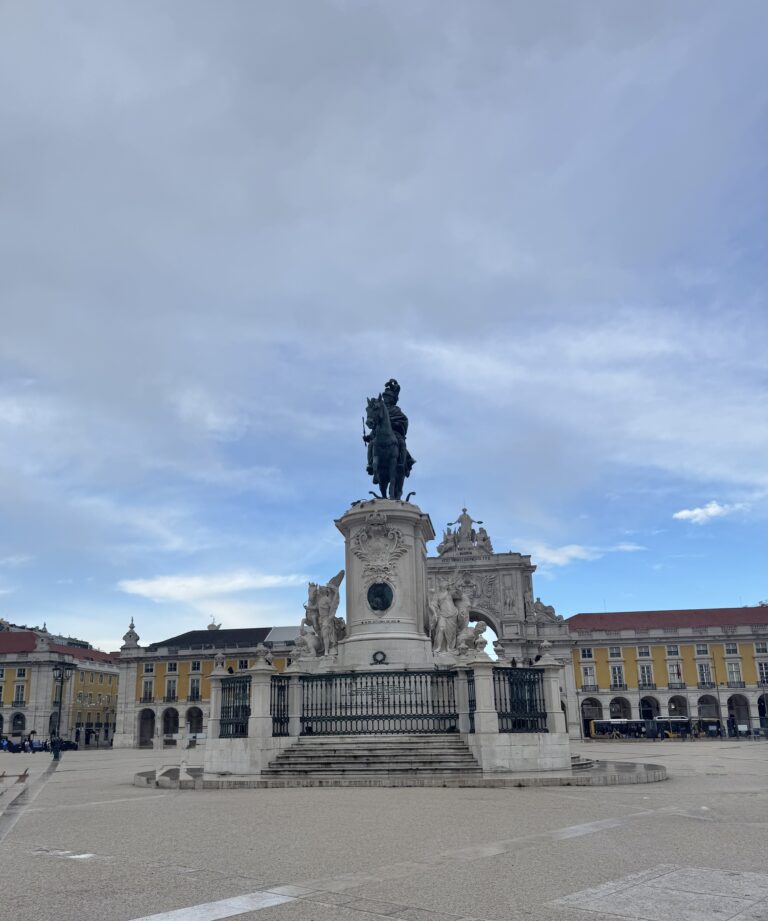
Bronze equestrian statue of King José I, who reigned at the time of the earthquake
Rossio Square and Igreja de São Domingos
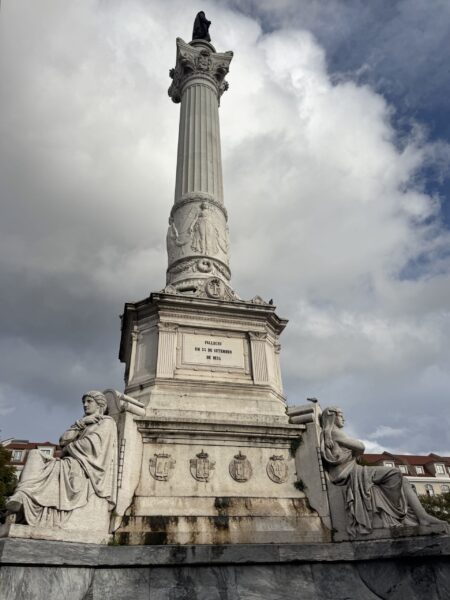
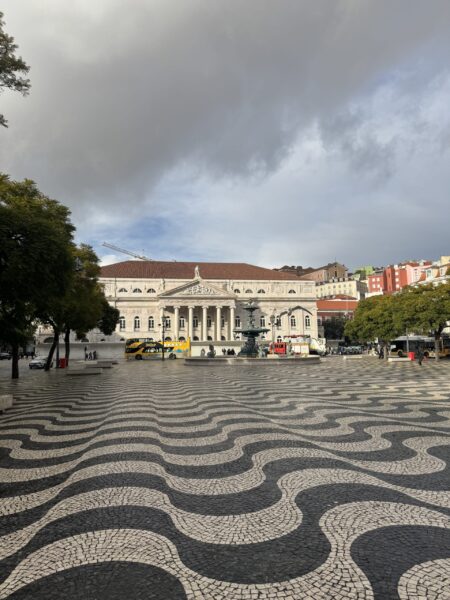
Rossio Square (Praça Dom Pedro IV), is the bustling, historic heart of Lisbon’s Baixa district. The square is paved with a distinctive, wavy, black-and-white pattern (Calçada Portuguesa) installed in the mid-19th century.
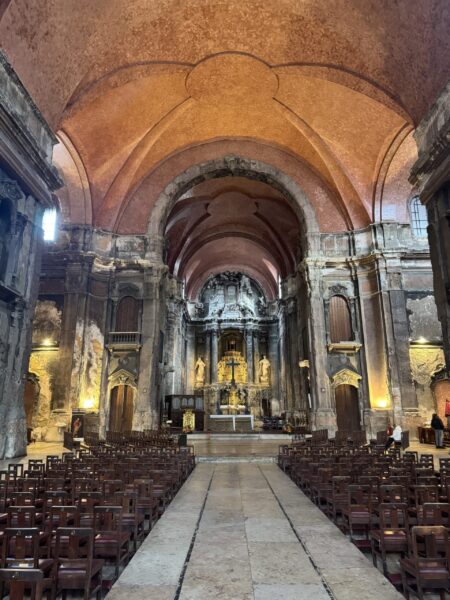
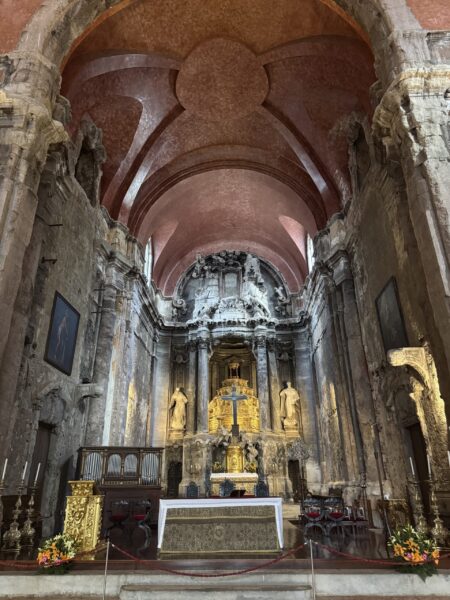
Just off the square is the Igreja de São Domingos, now a national monument. At one time the largest church in Lisbon and site to royal weddings, it was severely damaged by the 1755 earthquake and a fire in 1959. The church retains marks of these events, such as cracked columns, blackened stone, and an eclectic beauty with polychromatic marble.
Praça Dom Pedro IV
Calçada Portuguesa
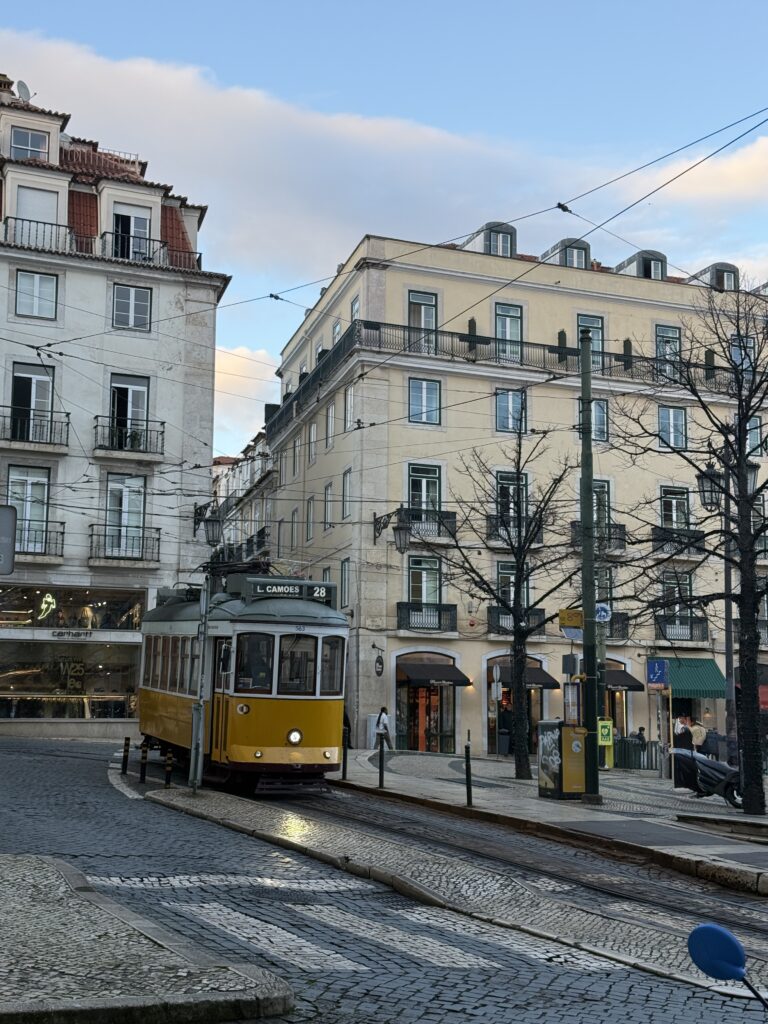
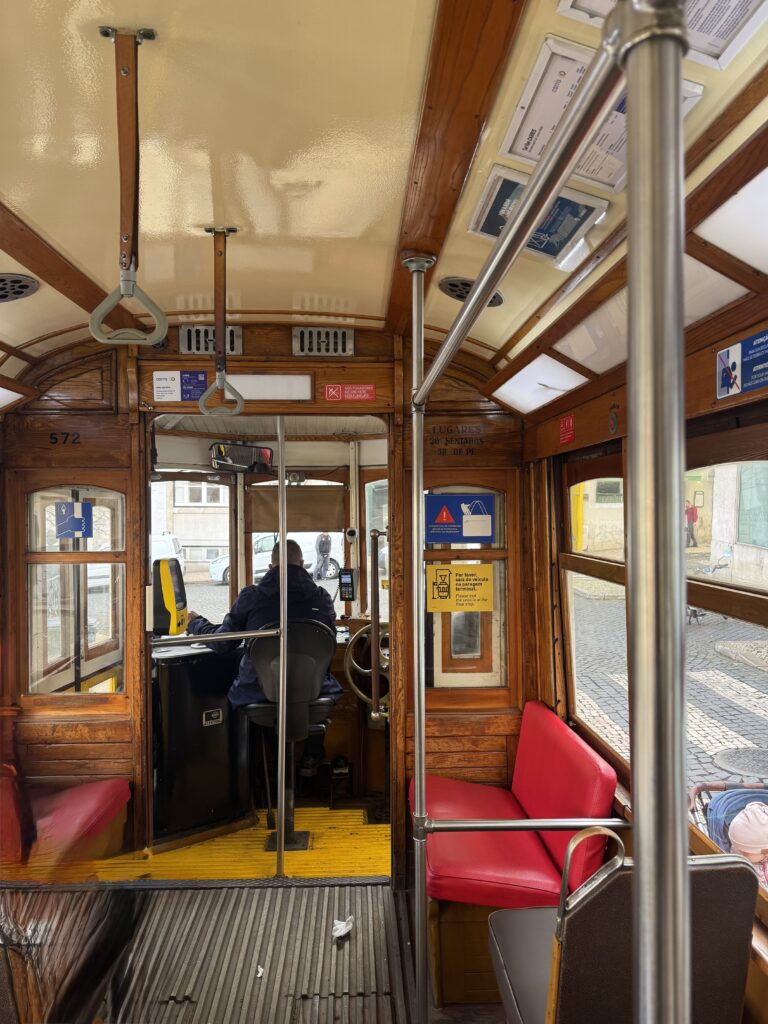
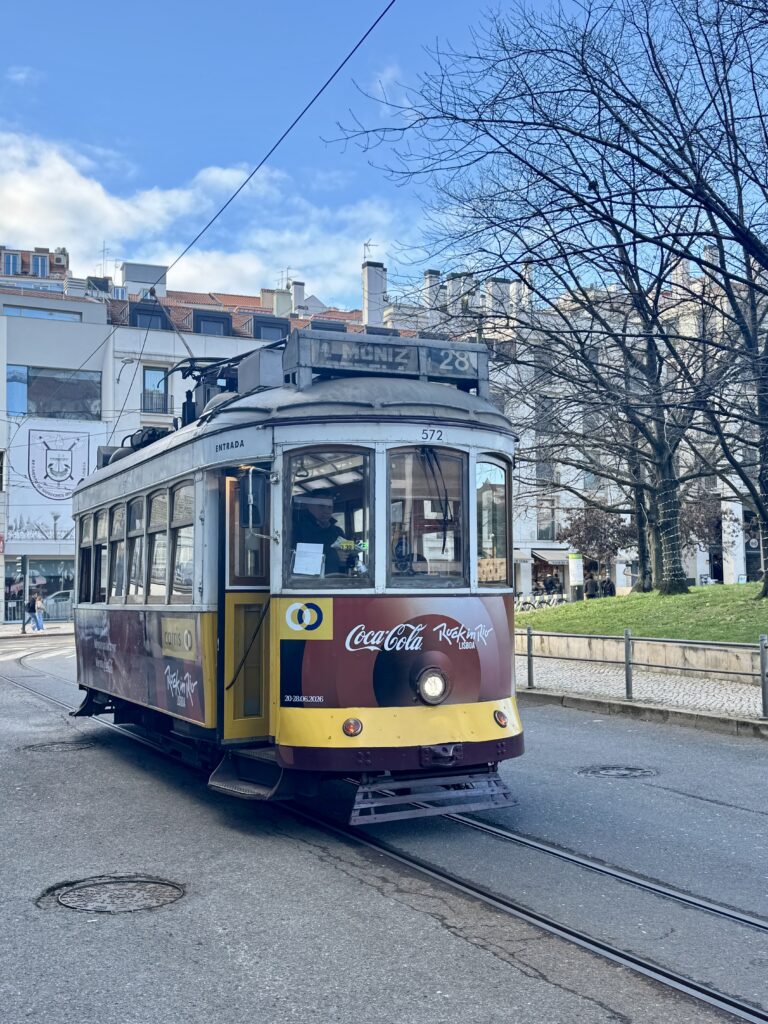
Yellow Tram 28 (Elétrico 28)
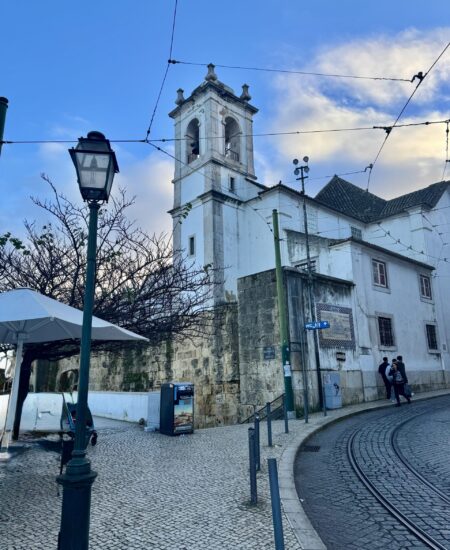
Inaugurated in 1914, this vintage, yellow, electric streetcar from the 1930s operates on rail tracks and takes you to popular districts like Chiado, Alfama, Baixa, and Graça. The tram starts (just before 6am) in Martim Moniz, and if you ride it to the end, you’ll end in Campo Ourique. Depending on when you visit, it could get quite crowded.
Castelo de São Jorge and Alfama neighborhood
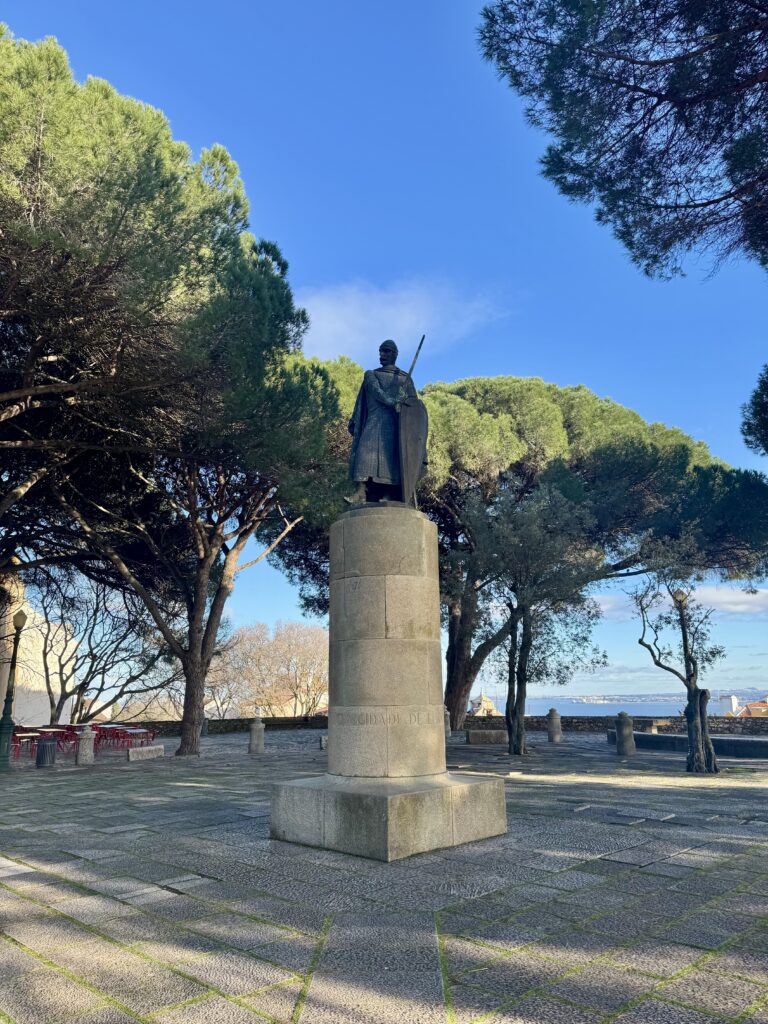
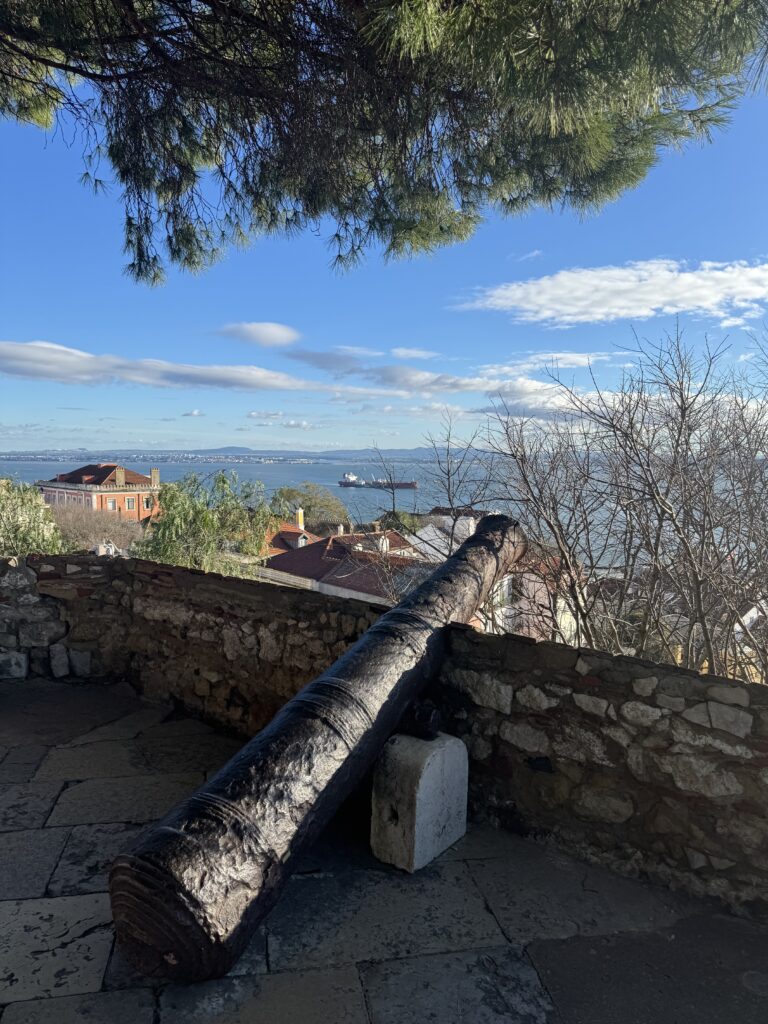
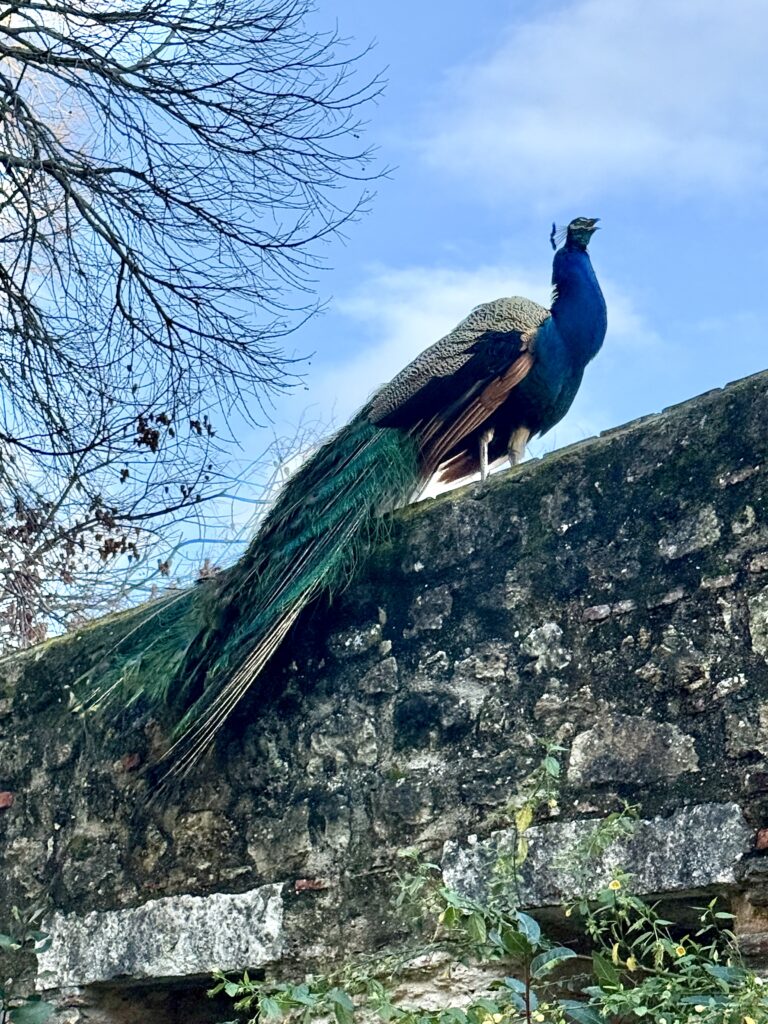
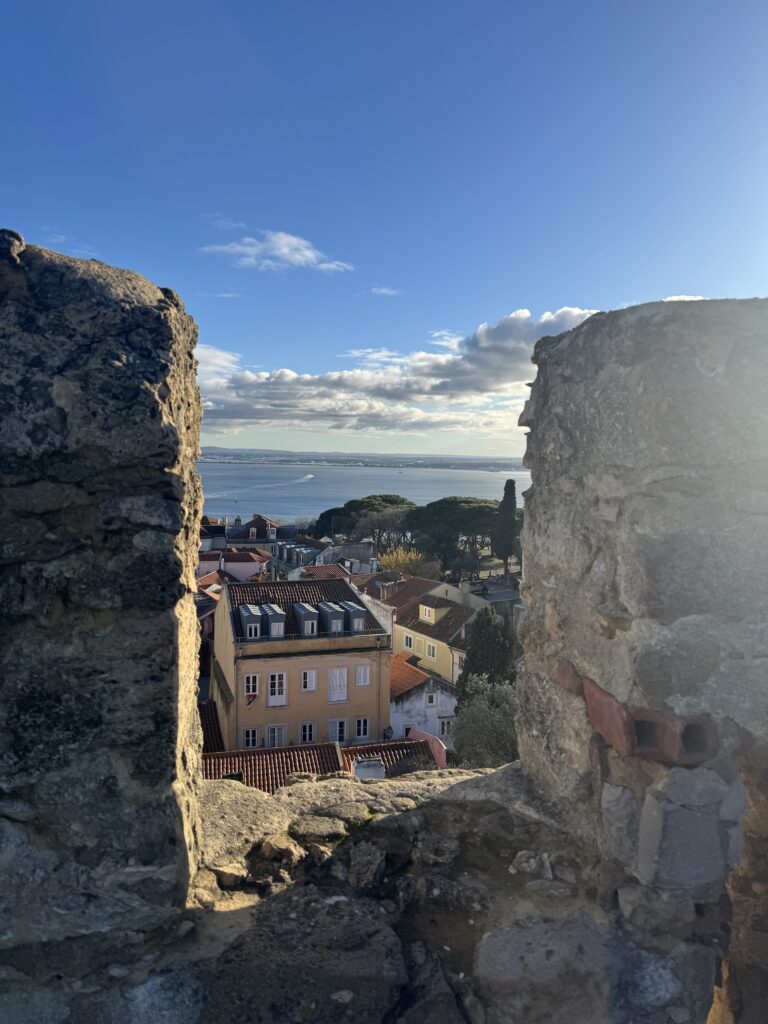
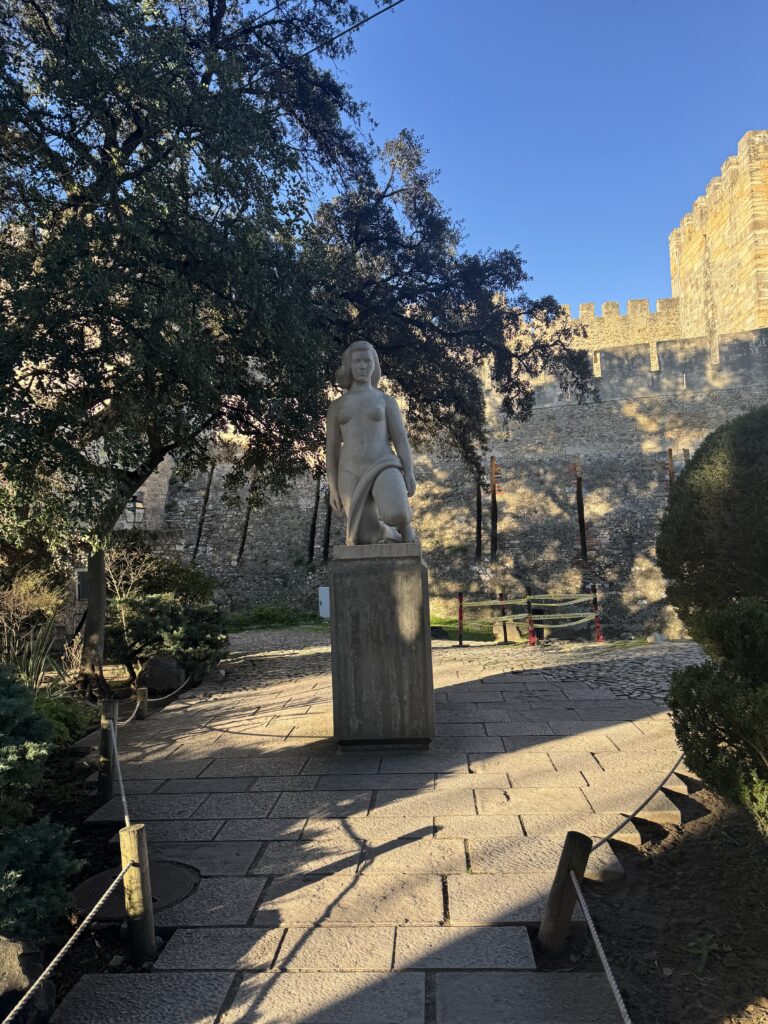
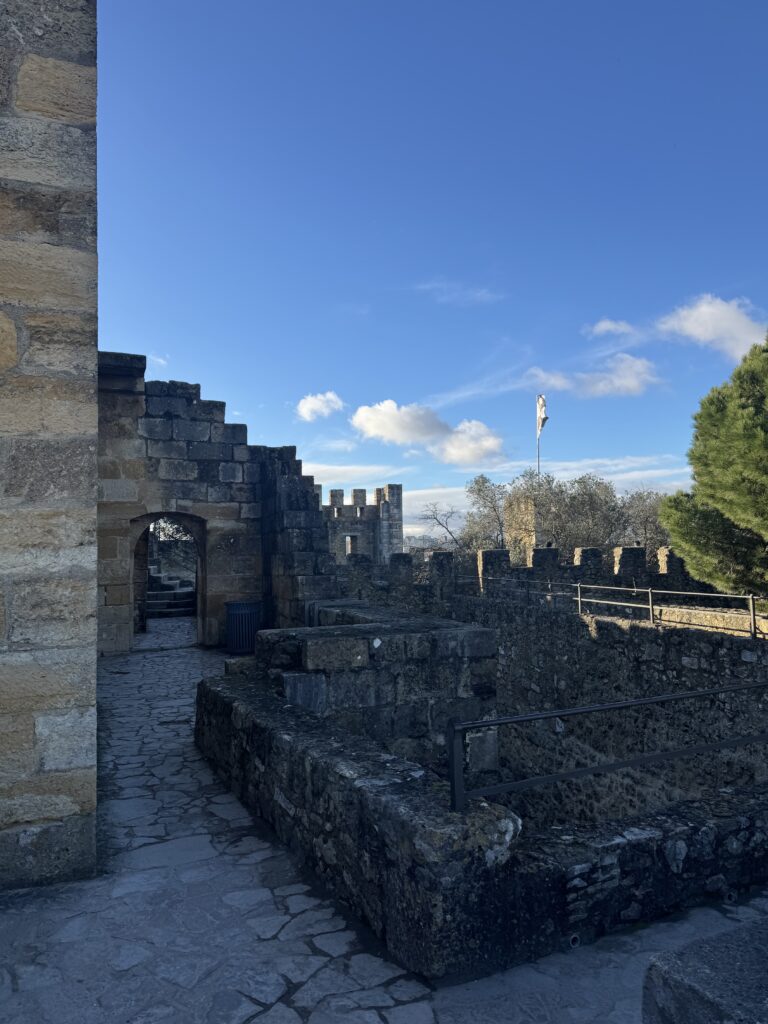
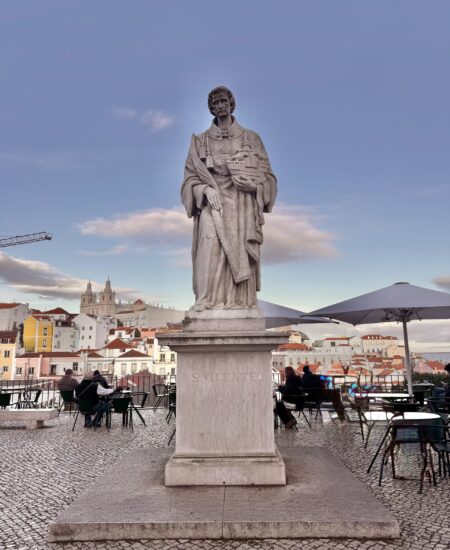
Castelo de São Jorge sits at the top of a hill with more than two thousand years of history. This small fortress was built by the Visigoths during the fifth century. It was enlarged by the Moors in the ninth century and modified during the reign of Alfonso I of Portugal (1109 – 1185). In later years, it was transformed into a Royal Palace. Finally, it was completely restored in 1938. Surprisingly, a small, semi-captive population of around 40 Indian peacocks lives freely within the grounds of the castle, often seen roaming the gardens, walls, and courtyards. The castle is located in the oldest part of Lisbon, the Alfama district, with a maze of narrow, stepped streets, winding through historic buildings and small restaurants. It’s artsy and lively, with music in the air.
Fado Diner & Show
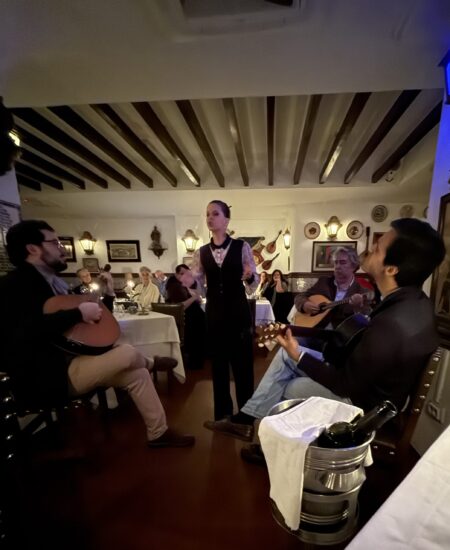
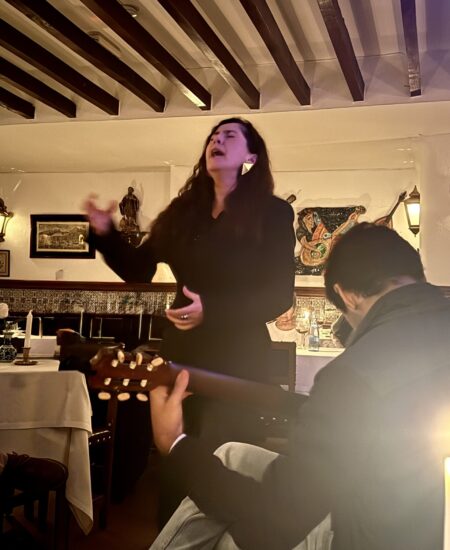
Born in the humble alleys and taverns of Alfama and Mouraria at the beginning of the 19th century, Fado symbolizes the Portuguese concept of saudade, an expression of pain and love (profound longing and nostalgia), in the form of songs. We went to Sr. Vinho, which was a great experience. Other Fado houses I heard are good are O Faia – Casa de Fado, Clube de Fado, Sr. Fado, Tasca do Chico, Mesa de Frades, and Casa de Fados in Mouraria. I also found this blog on Fado informative.
Day Trip to Cascias
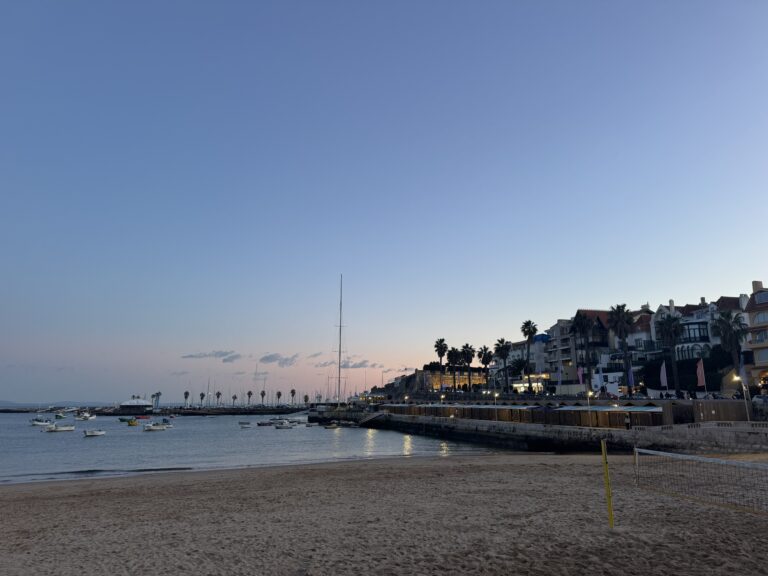
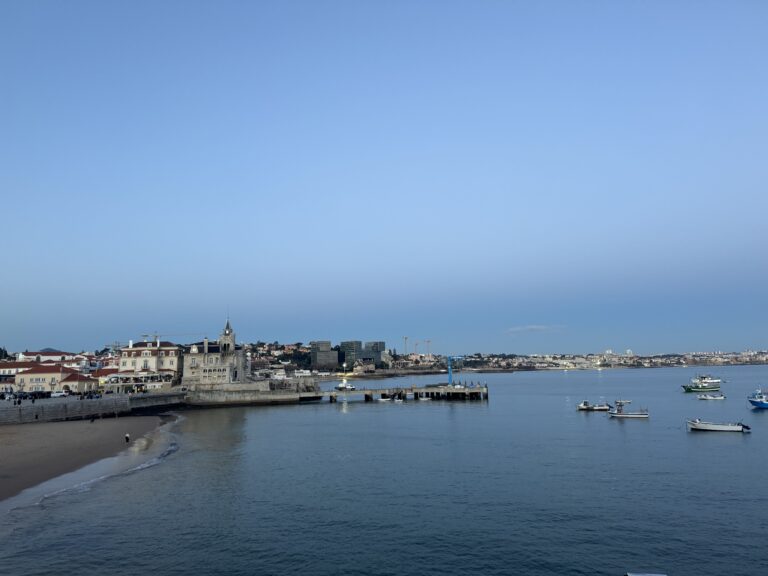
About a half-hour west of Lisbon, Cascais is a great little beach town along the coast. At the heart of the historic centre are numerous shops and restaurants.
Day Trip to Sintra
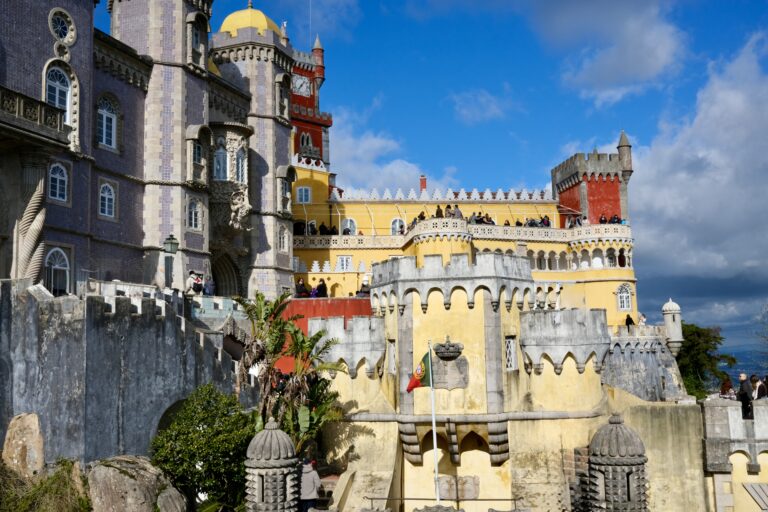
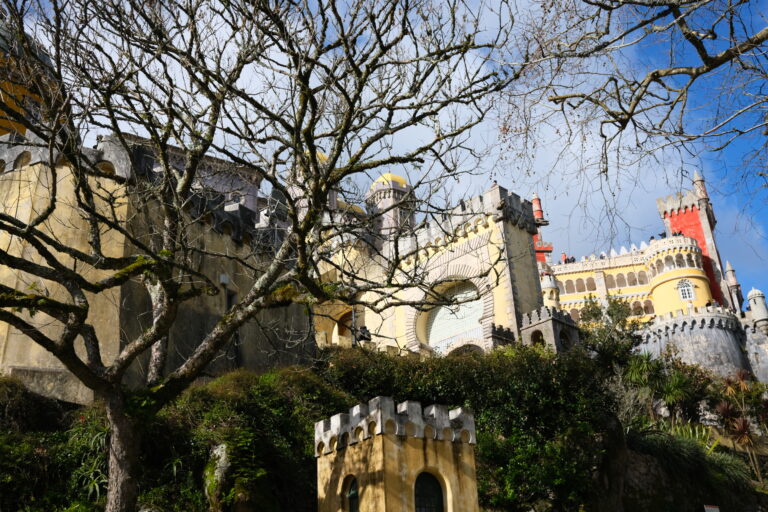
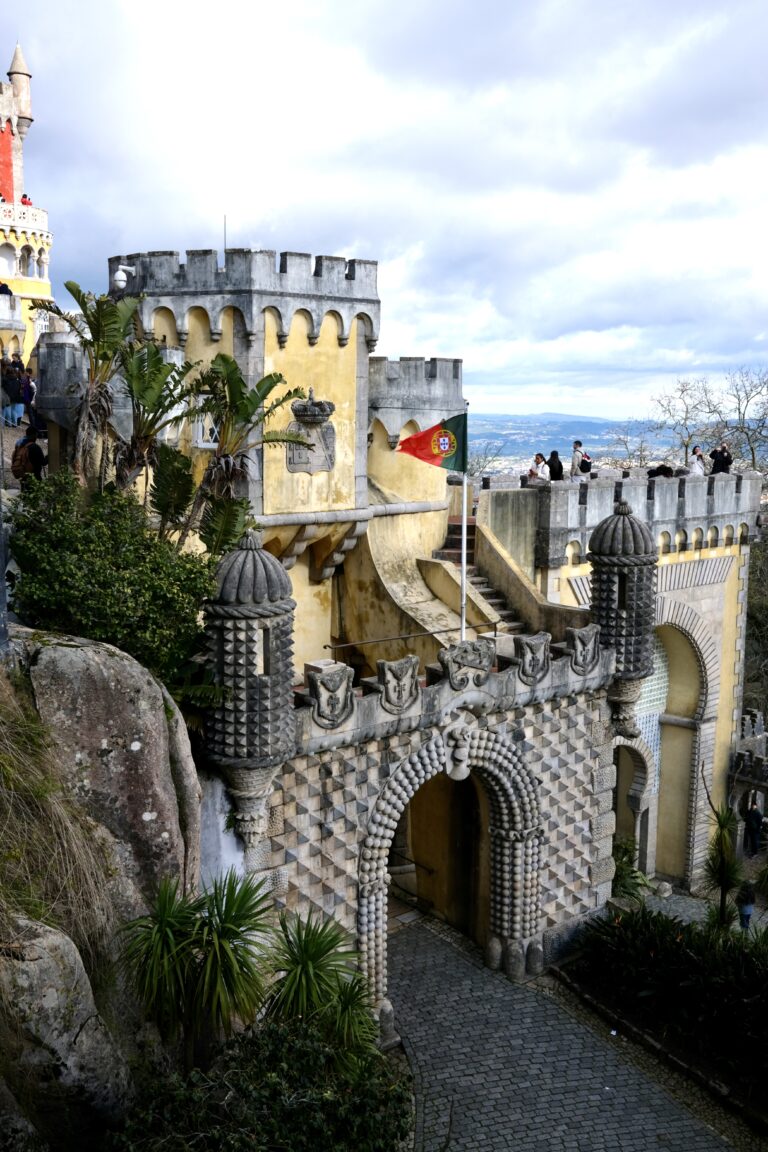
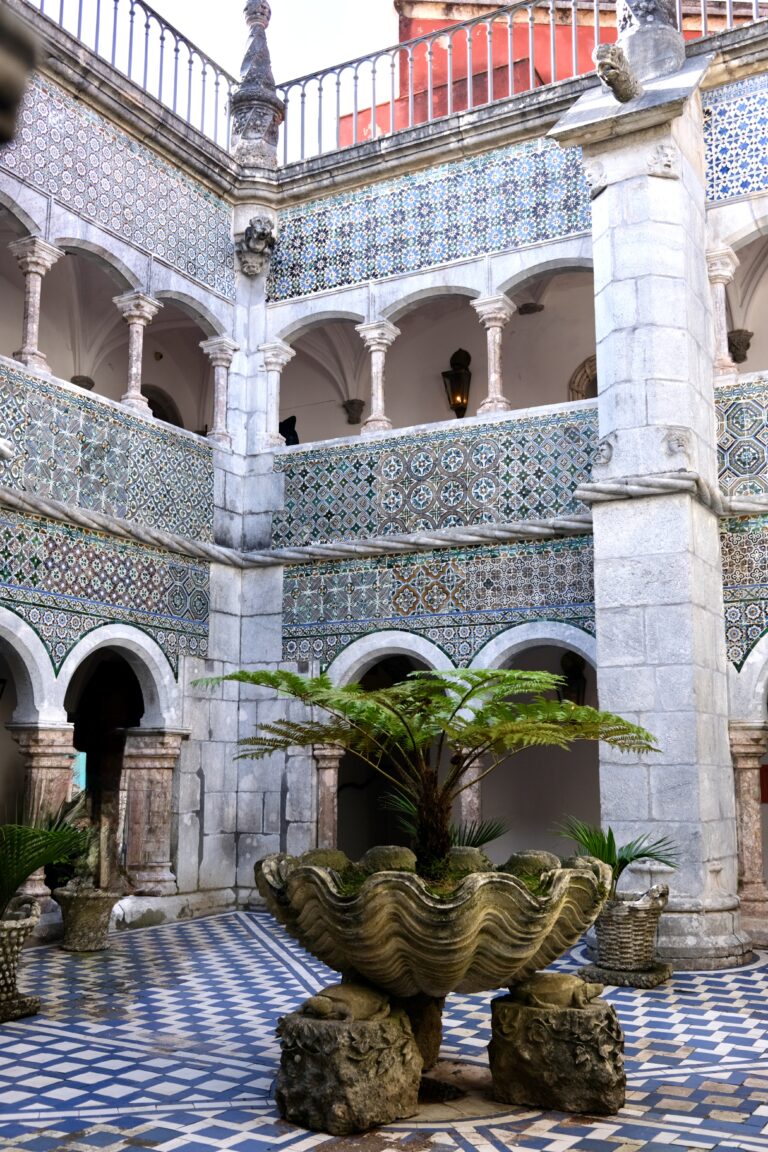
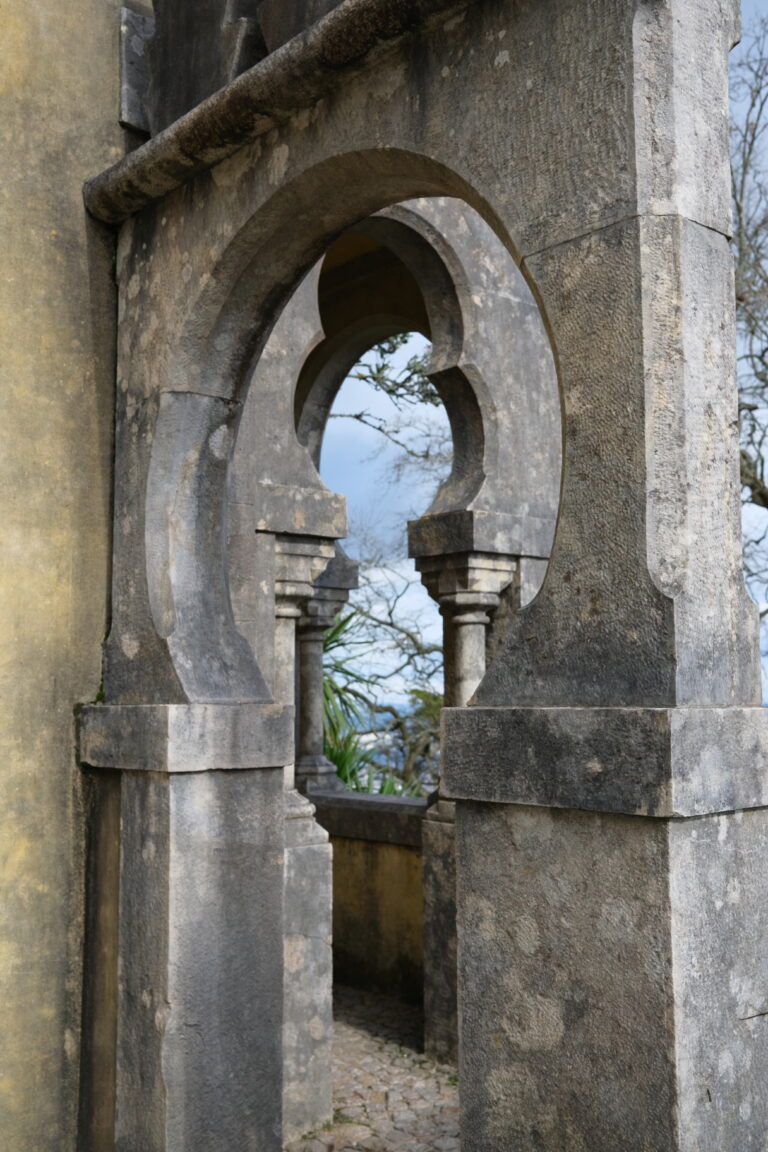
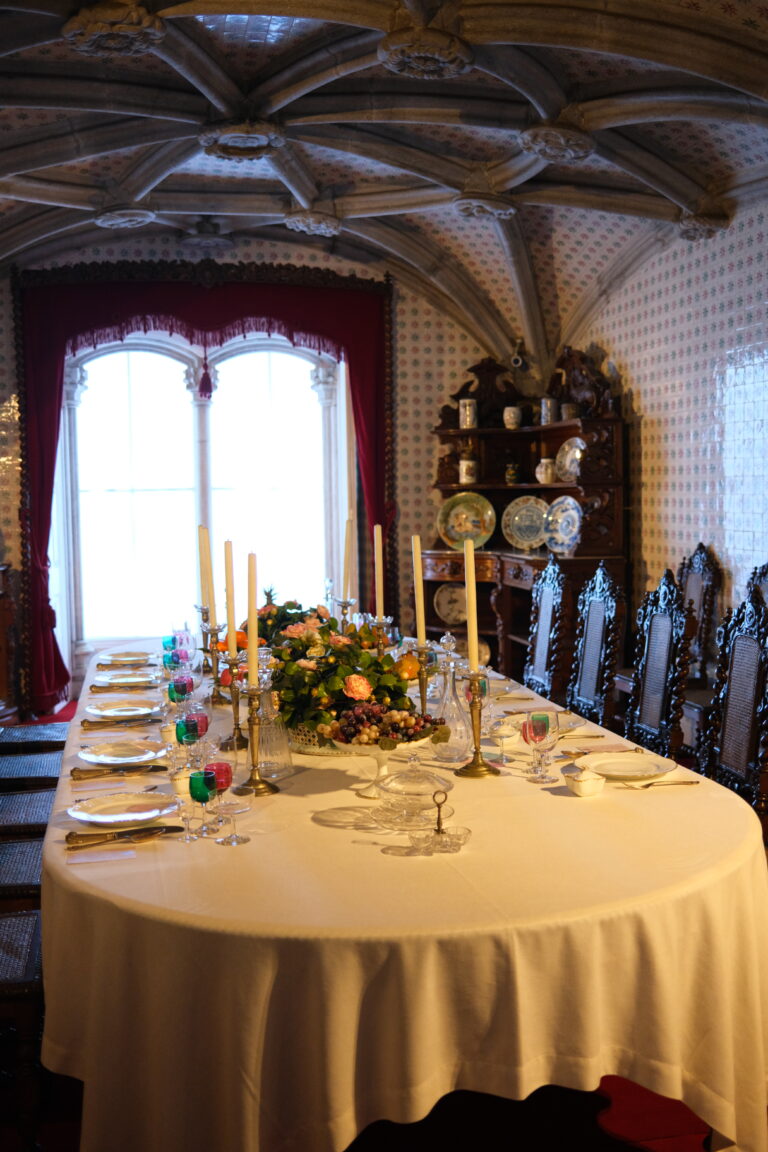
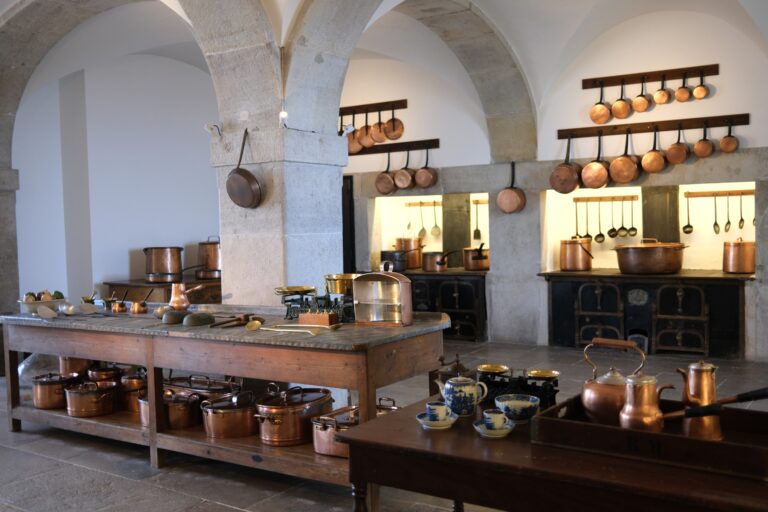
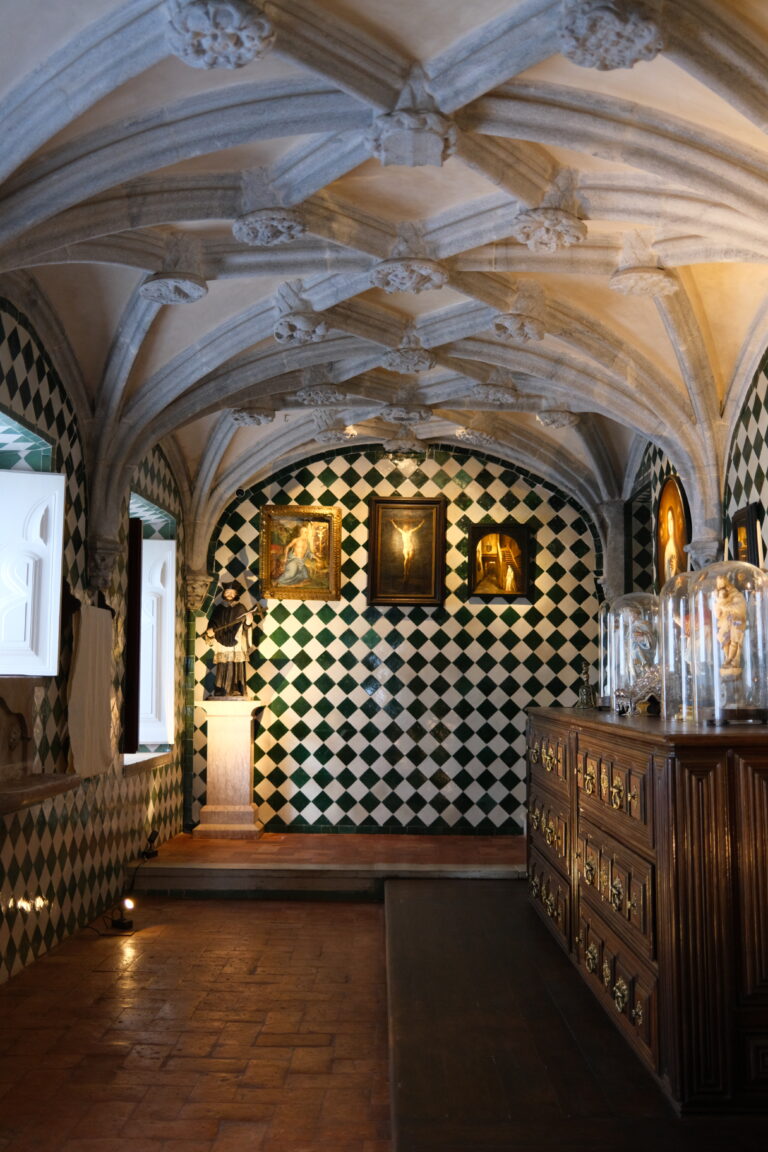
National Palace of Pena Built in the 19th century, this fairytale-like palace blends Romantic, Moorish, Gothic, Manueline, and Renaissance architectural styles. It’s known as the “Crayola-colored” castle with colorful towers, fantastical details, and vast, exotic gardens. The interiors are equally captivating, preserved almost exactly as the royal family left them in 1910.
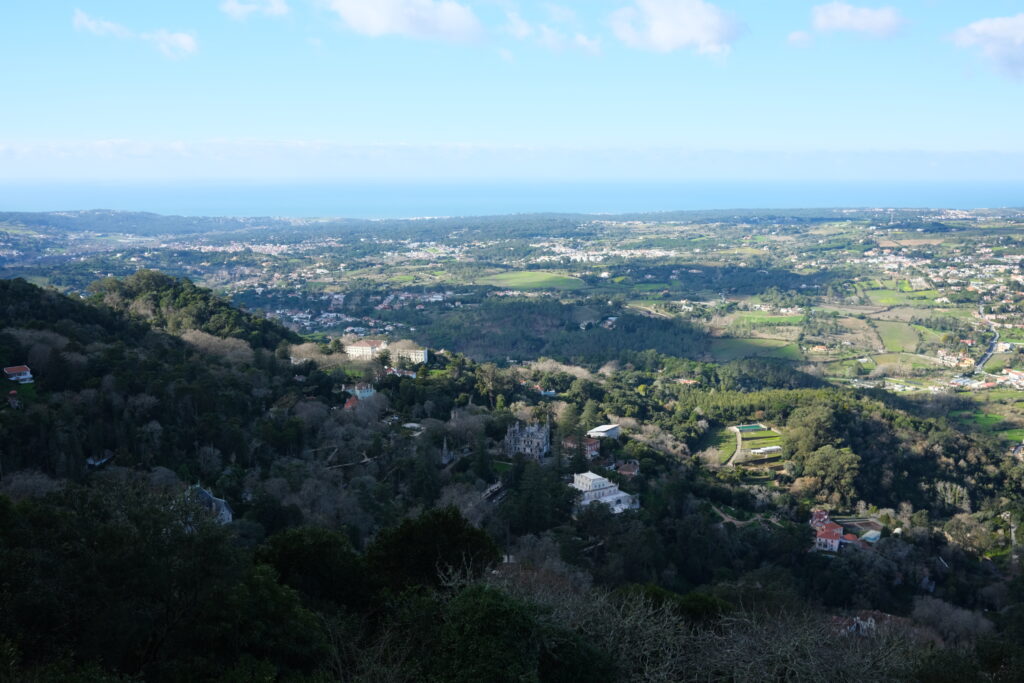
The Palace sits high above Sintra (390 m higher than the train station) and is a rigorous uphill walk. I recommend taking the 434 bus or a taxi to the Palace, then walk down later.
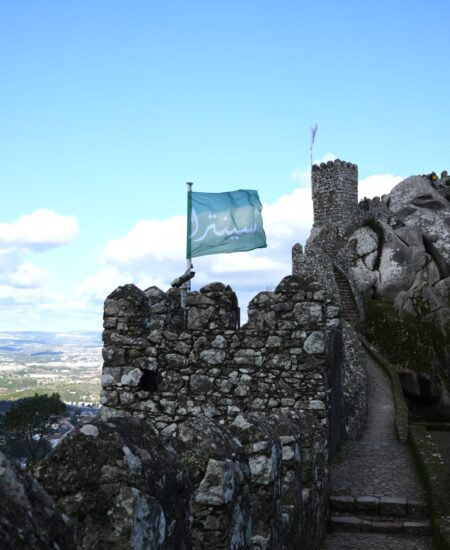
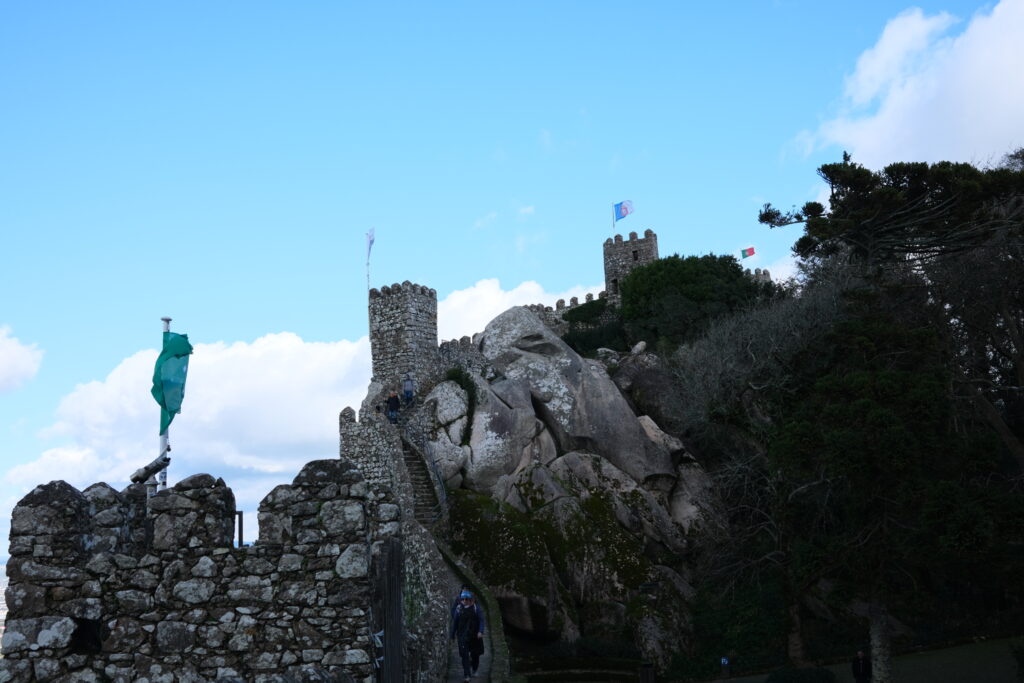
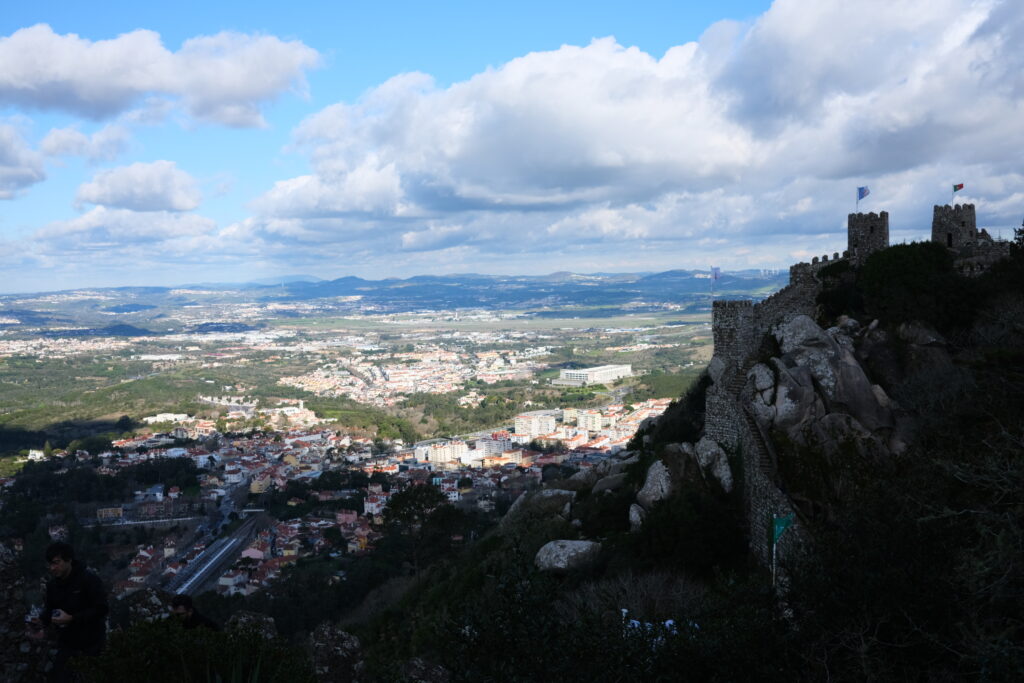
The Moorish Castle A fortification founded in the 10th century during the period the Moors occupied the Iberian Peninsula. Its famous walls snake across the hills with their granite blocks interlinking boulders and cliffs.
What to Eat
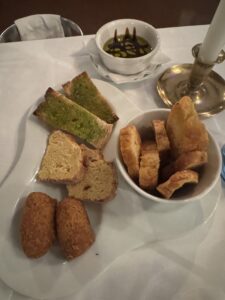
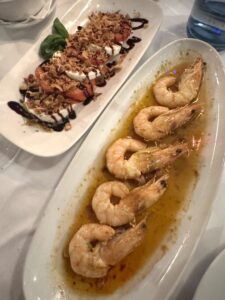
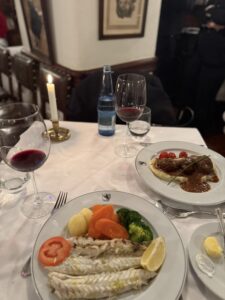
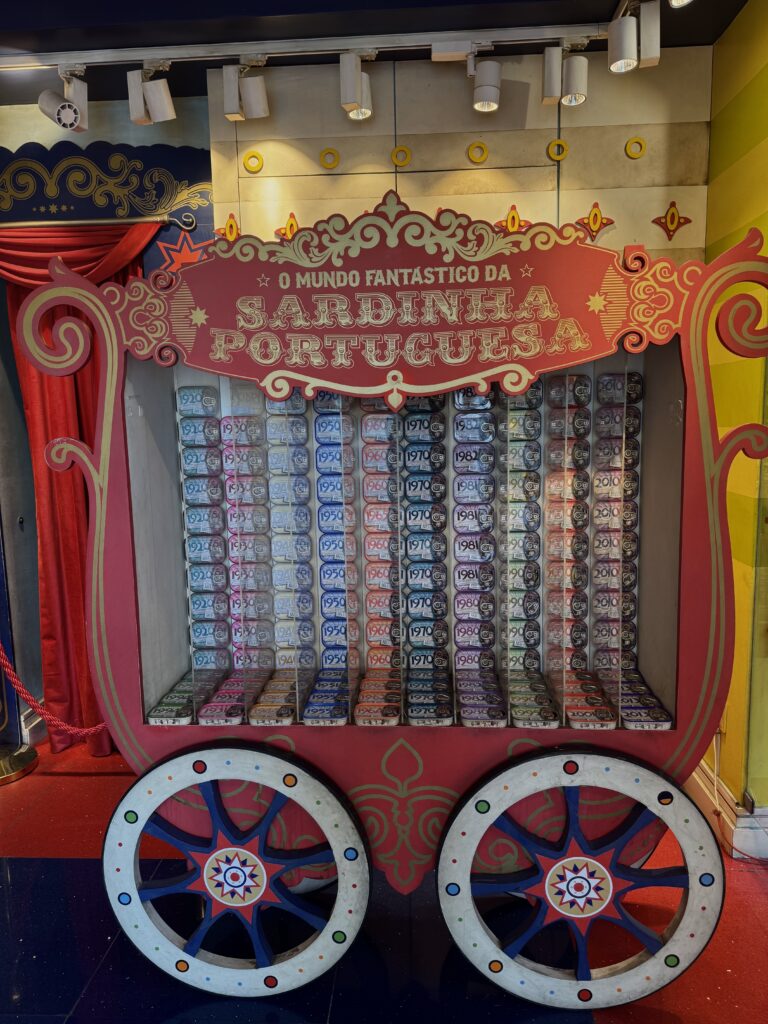
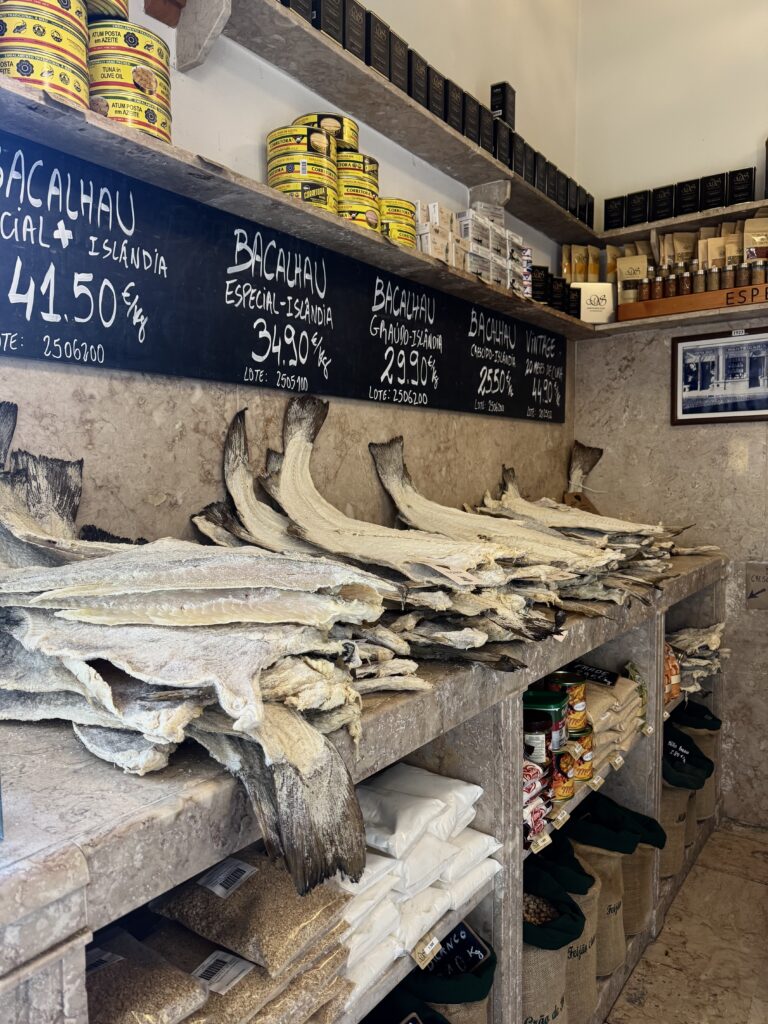
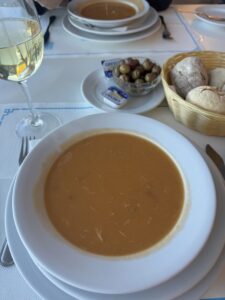
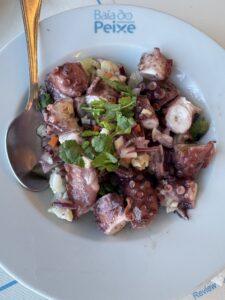
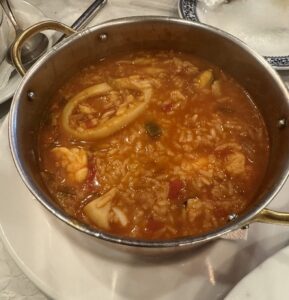
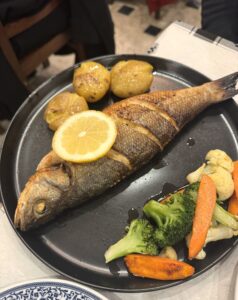
Lisbon’s food scene is a deeply satisfying blend of simplicity and bold flavor, rooted in the Atlantic and shaped by centuries of maritime trade. The city is famous for its salt cod (bacalhau), prepared in reportedly over 365 ways — baked, shredded, fried. Grilled fish and seafood are omnipresent, from sardines to octopus, sometimes served raw, sometimes grilled. Meals tend to be generous and unfussy, often accompanied by excellent, affordable local wines from the Alentejo or Douro regions. The pastel de nata (egg custard) — a warm, flaky custard tart dusted with cinnamon, best eaten straight from the oven is iconic and can’t be missed.