Barcelona offers an extraordinary blend of architectural wonder — most famously Gaudí’s surrealist masterpieces like the Sagrada Família and Park Güell — alongside some of Europe’s most vibrant street life along Las Ramblas and in the labyrinthine Gothic Quarter. There’s also a distinct cultural identity — Catalan language and a fierce local pride — that gives Barcelona a personality unlike anywhere else in Spain or Europe.
Overview
Stay
Seventy Barcelona
Hotel Casa Fuster
Hotel Casa Bonay
Cotton House Hotel
Explore
Basílica de la Sagrada Família
Explore the Gothic Quarter (Barcelona Cathedral, La Boqueria and Las Ramblas)
Gaudí houses: Casa Vicens, Casa Milà and Casa Batlló
Museums: Picasso and Moco
Park Güell
La Barceloneta (seaside town)
Take the cable car to Montjuïc Castle
Eat
Colom Restaurant – paella (Gothic Quarter)
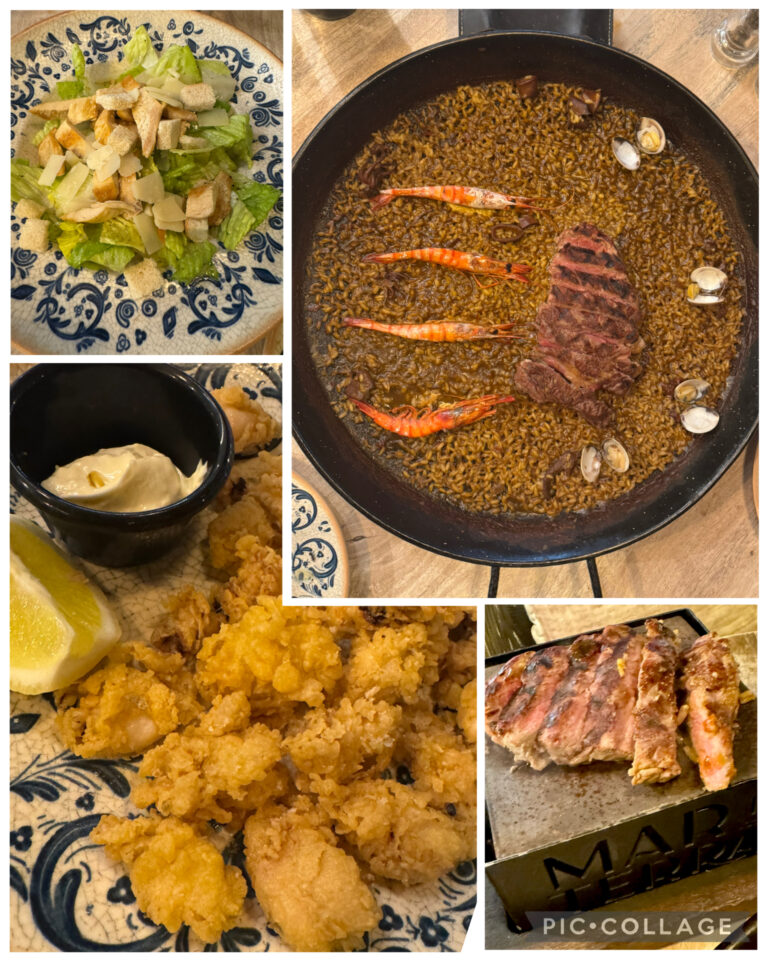
Mar i Terra Rambla
El Xampyanet – tapas (Gothic Quarter/El Born neighborhood)
Abanic (Eixample)
Moscada Restaurante Eixample Barcelona (Mediterranean)
Maramaia – pizza (Gràcia)
Restaurante Barceloneta (seafood)
Cal Pep – tapas (Born-Ribera)
Where to Stay
My preferred location in Barcelona is in the Eixample / Gracia area. Eixample is centrally located, is safe, and has lots of restaurants nearby. Gracia has a more local Bohemian feel, with many small streets for you to meander. If you’re looking for a more historic charming vibe, you may prefer to stay in the Gothic Quarter or El Born. If you’d like to be closer to the water, you may prefer Barceloneta.
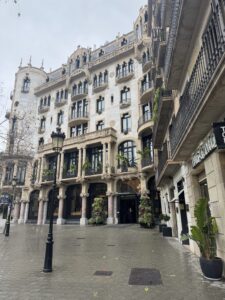
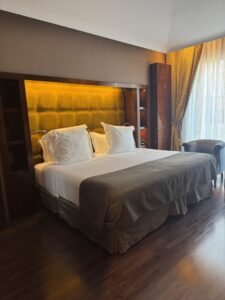
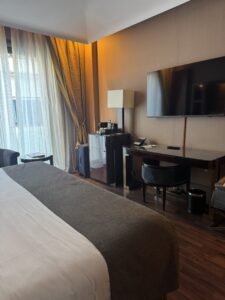
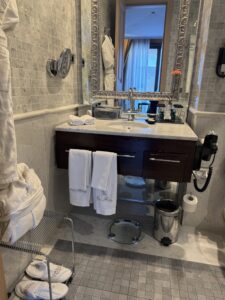
During our latest visit, we stayed at Hotel Casa Fuster. Built in 1908 as a gift from Señor Fuster to his wife, the elegant Modernist building is an emblem of the romance and opulence of its time. It’s located at the top of Passeig de Gràcia, one of Barcelona’s most upscale shopping streets. Both the outside and inside of the hotel are beautiful, and the staff/service were all wonderful. We did, however, have some issues during our stay. First, our room was adjacent to a school, so the noise was a bit distruptive in the morning; we then changed room, but our thermostat was malfunctioning so the room felt like a sauna (the temperature got up to 29 °C / 84.2 °F). The hotel maintenance staff was unable to fix it so all we could do was to open the balcony door.
Things to Do
Basílica de la Sagrada Família
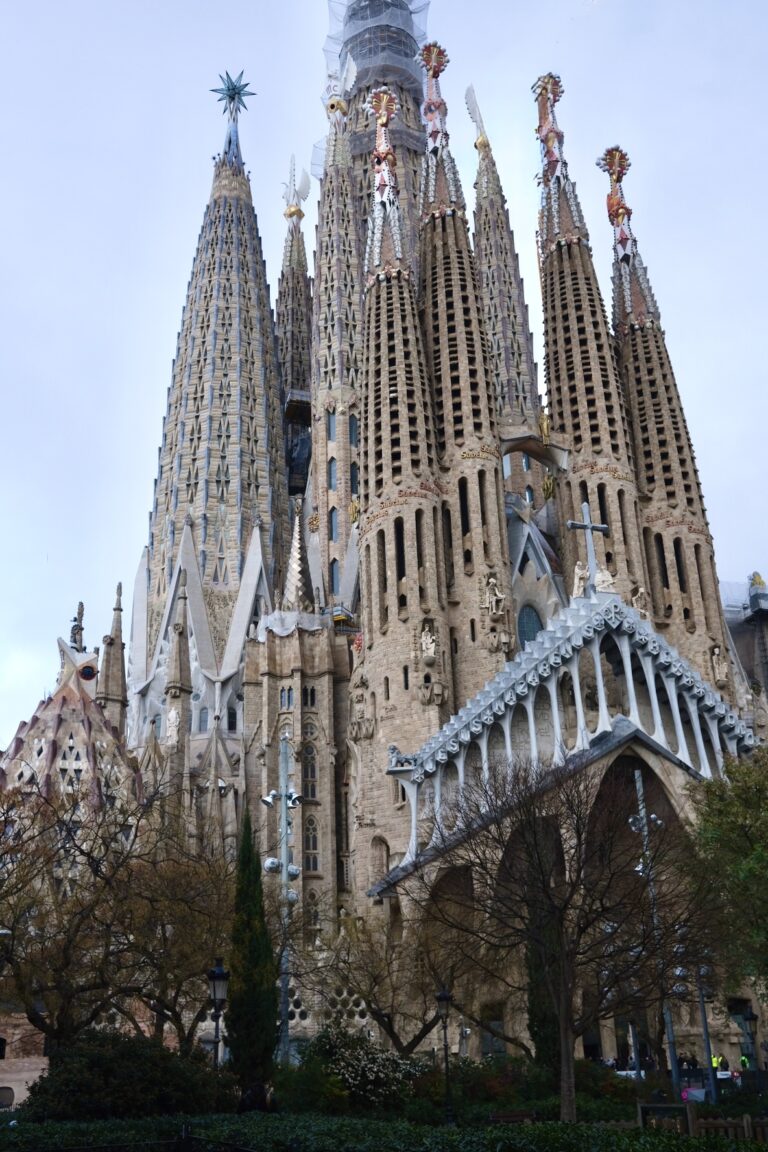
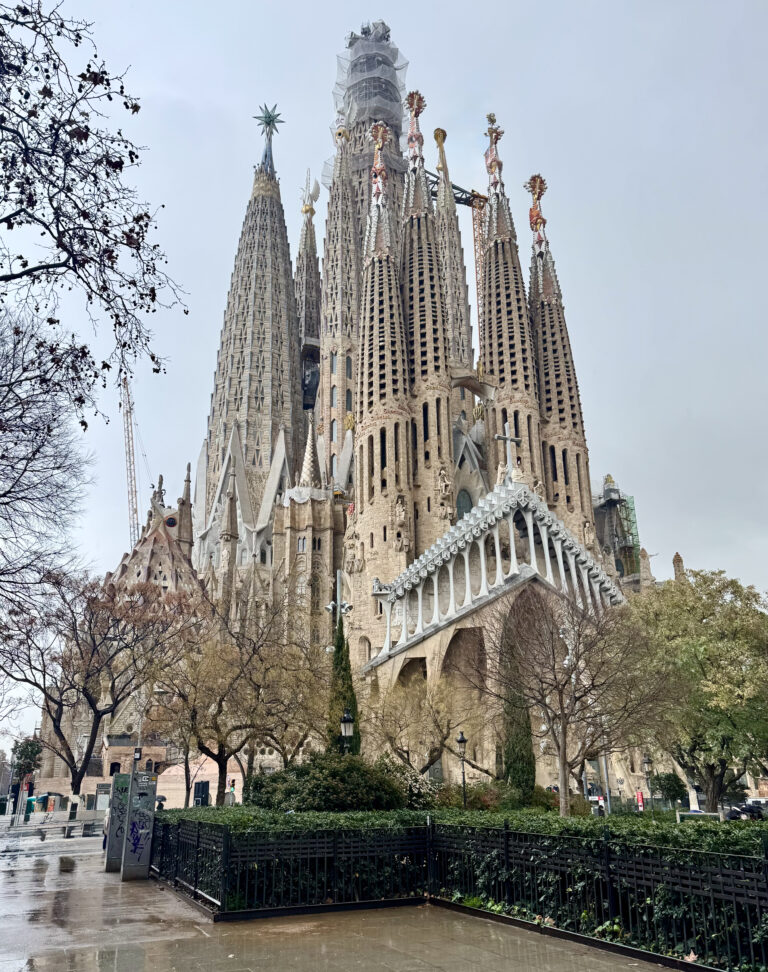
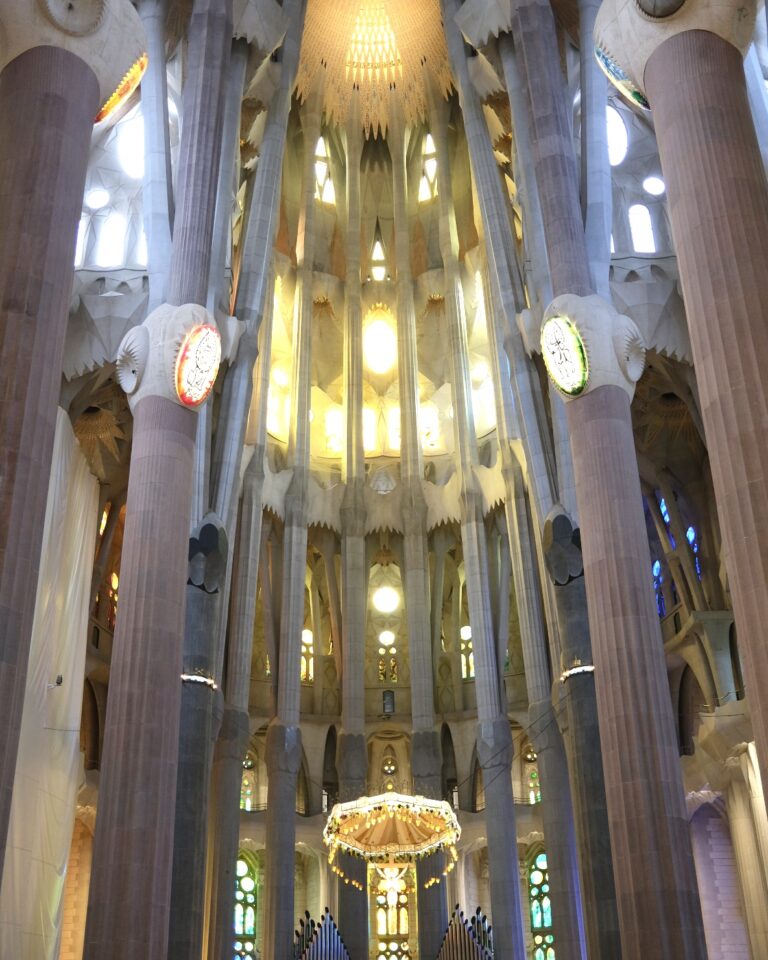
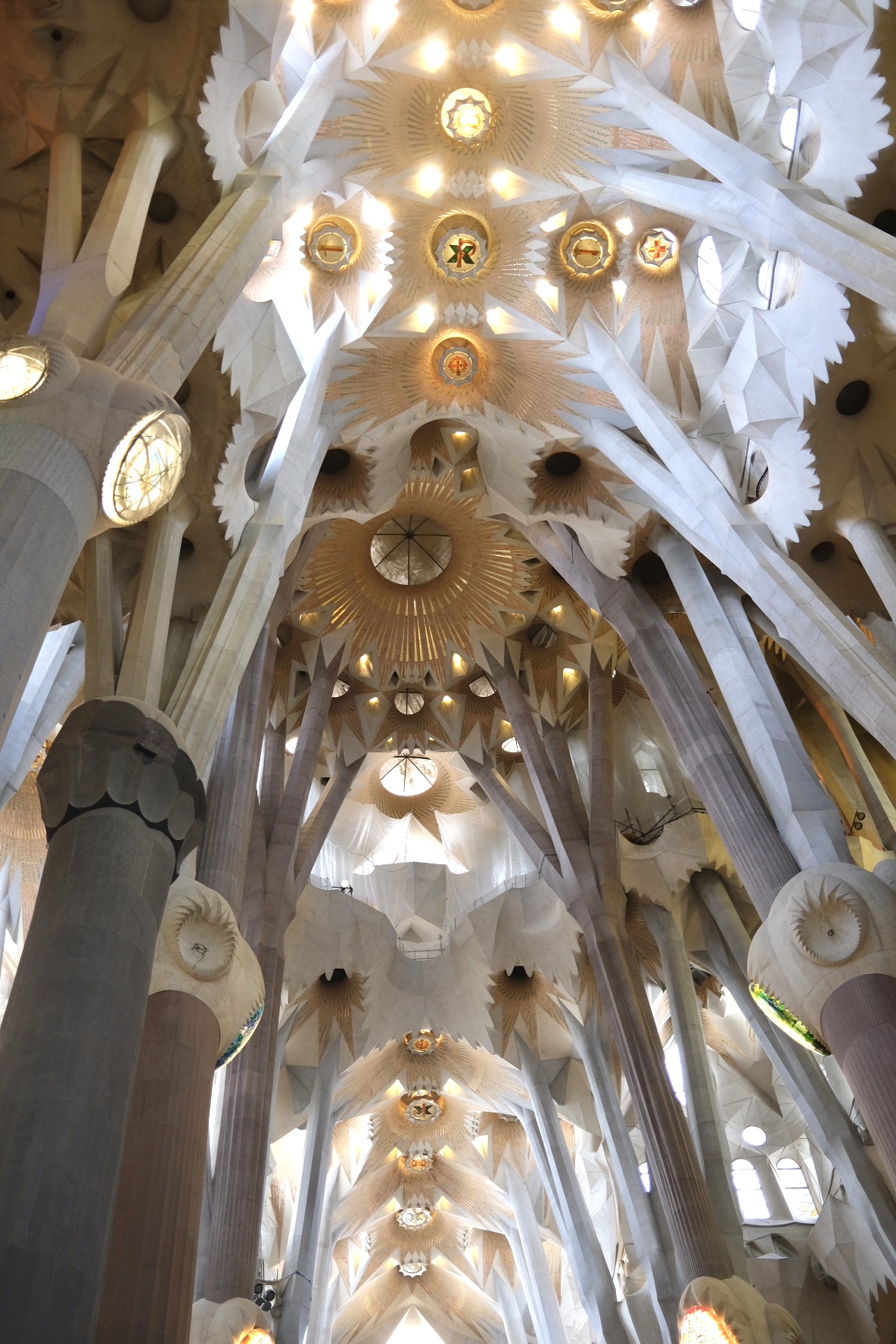
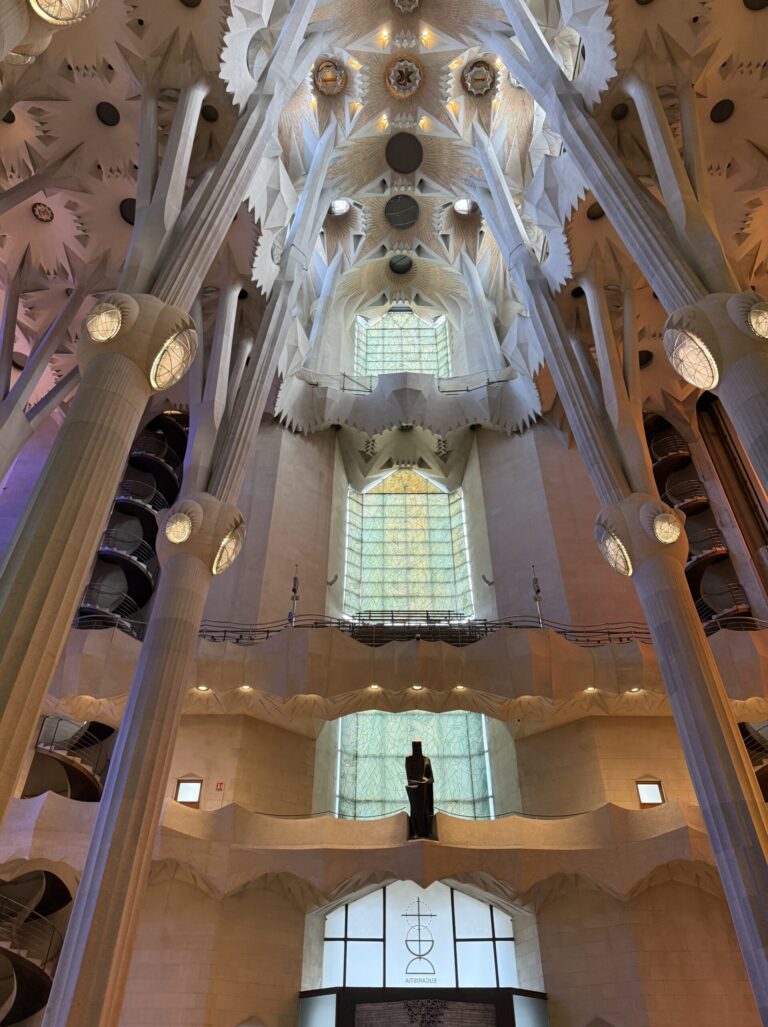
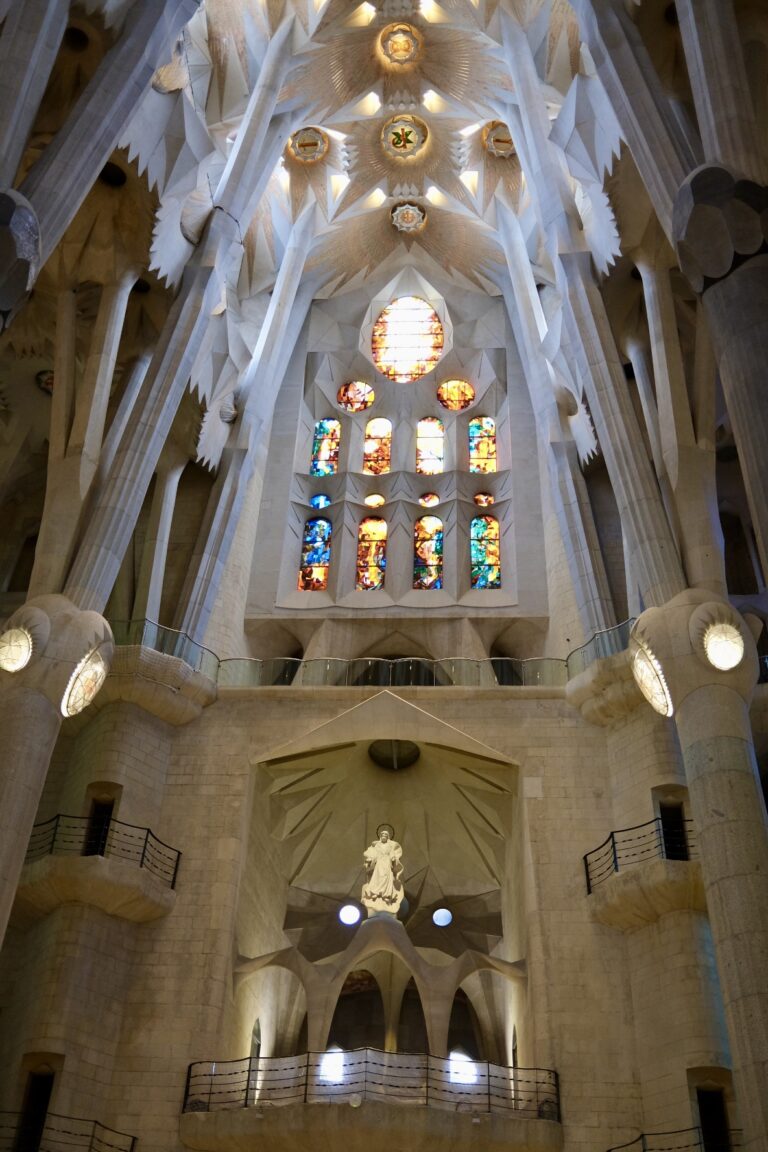
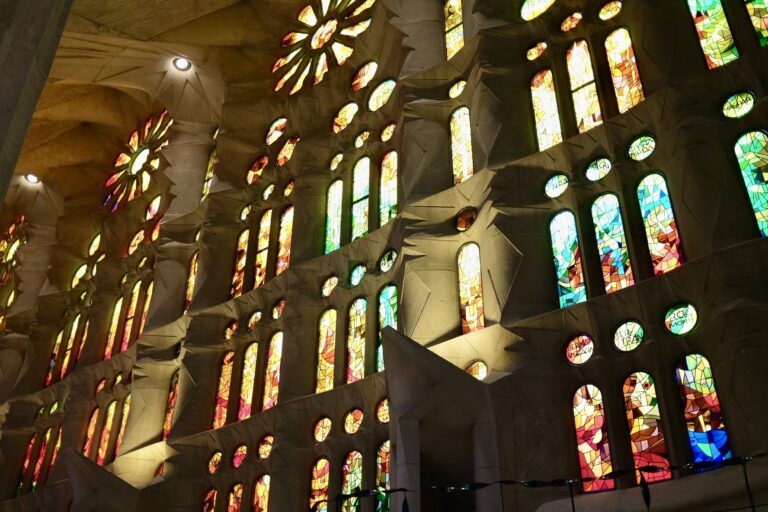
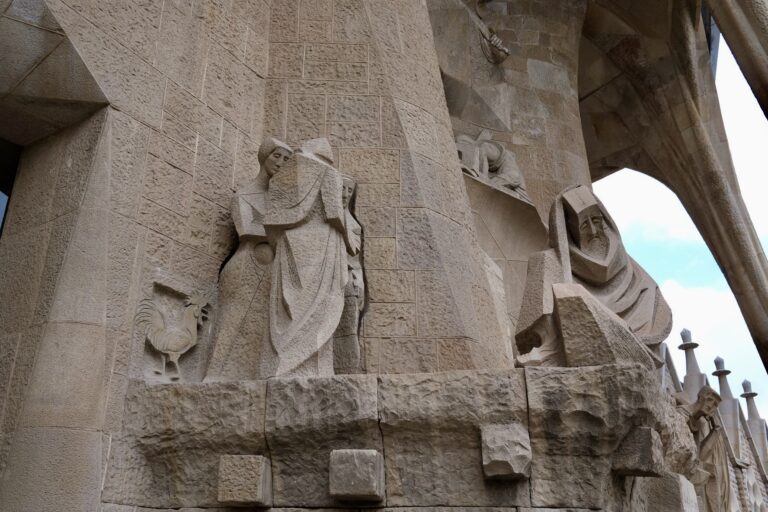
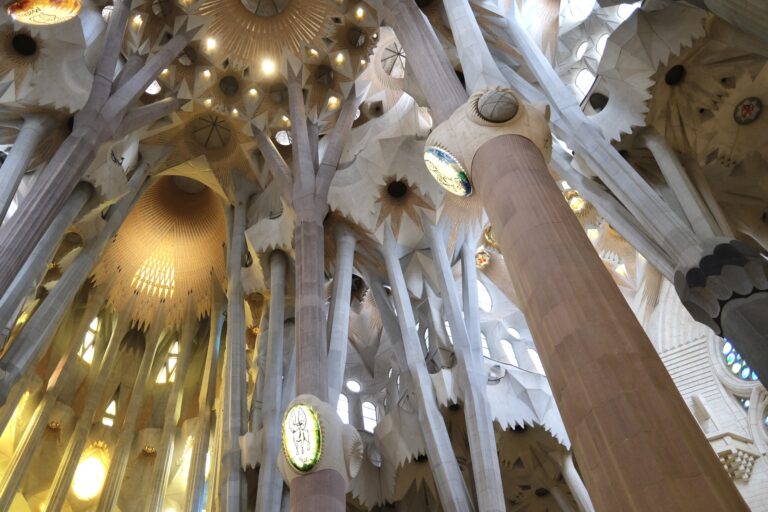
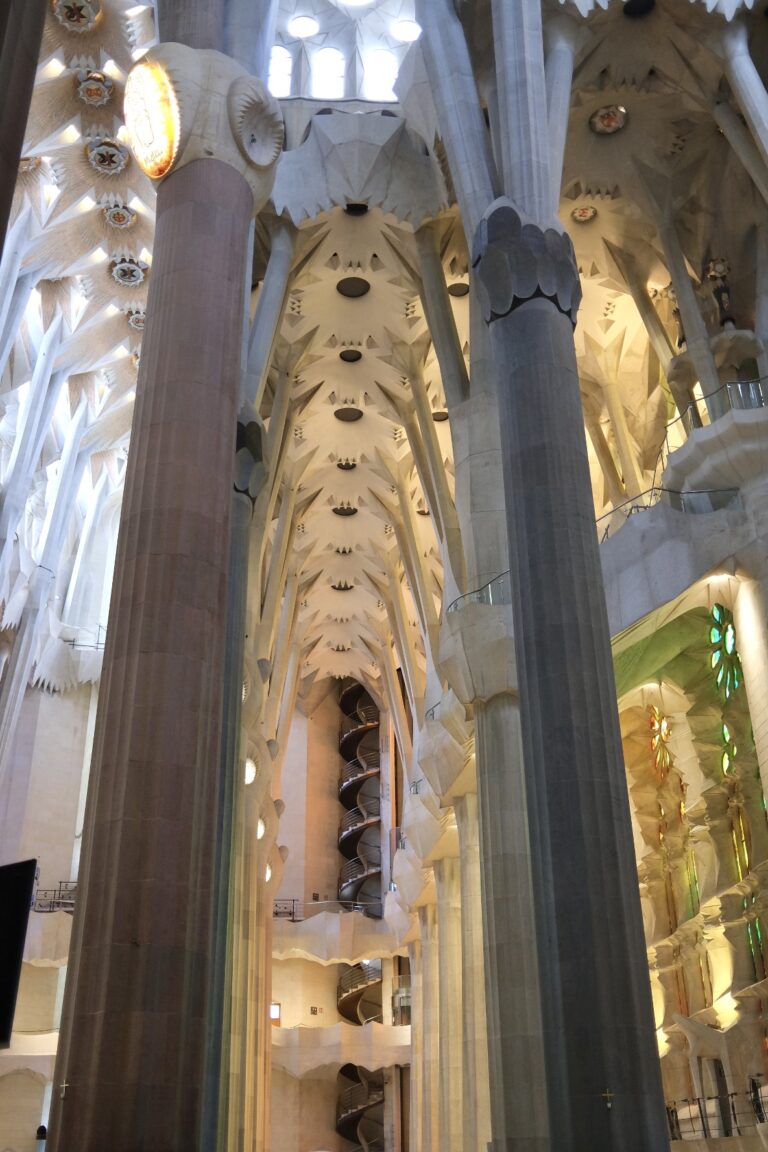
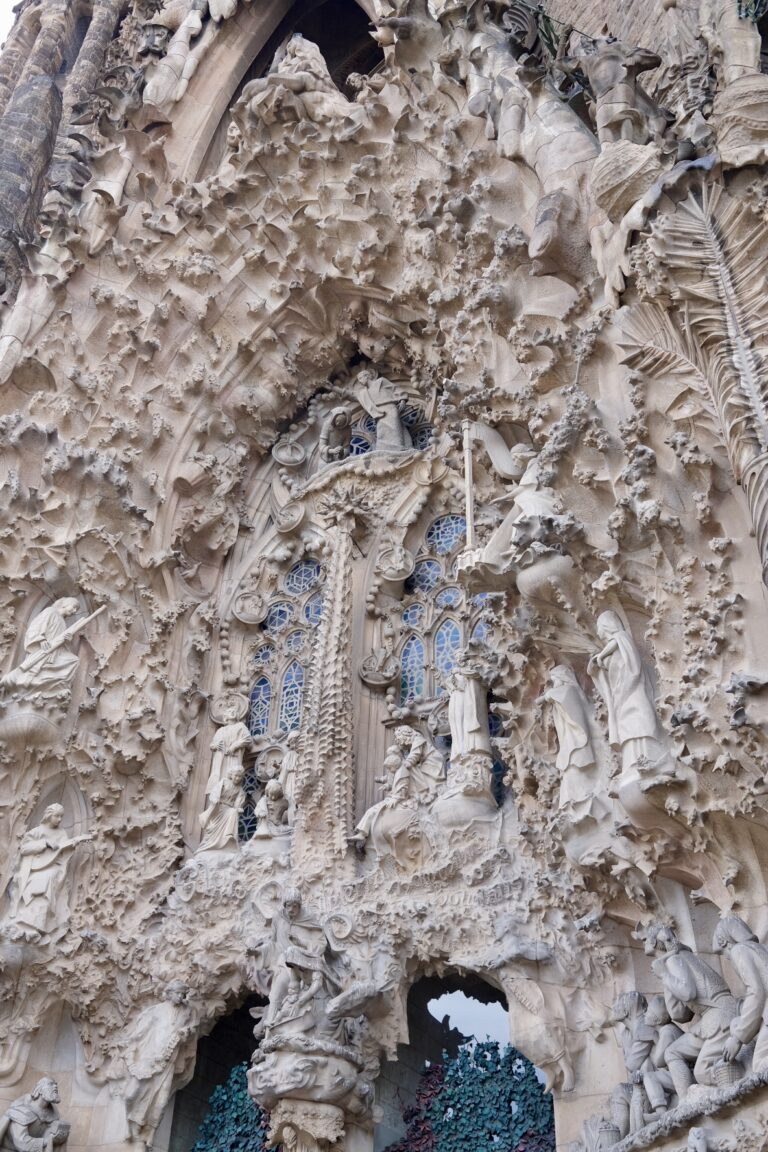
The Sagrada Família is one of the most extraordinary architectural achievements in history — a basilica in Barcelona designed by Catalan architect Antoni Gaudí, who devoted the last 43 years of his life to the project and is buried within its crypt. Begun in 1882 and still under construction today, it defies easy categorization, blending Gothic structure with Art Nouveau organic forms to create something entirely its own: soaring towers, facades teeming with sculptural detail, and an interior flooded with kaleidoscopic light filtered through stained glass. Its significance is layered — as a symbol of Catalan identity and pride, as a UNESCO World Heritage Site, as a testament to one man’s obsessive spiritual vision, and as a living demonstration that monumental sacred architecture didn’t die with the medieval cathedrals. The fact that it remains unfinished after nearly 150 years only deepens its mystique, making it simultaneously a relic of the 19th century and a work still being shaped by the 21st.
Explore the Gothic Quarter (Barcelona Cathedral, La Boqueria and Las Ramblas)
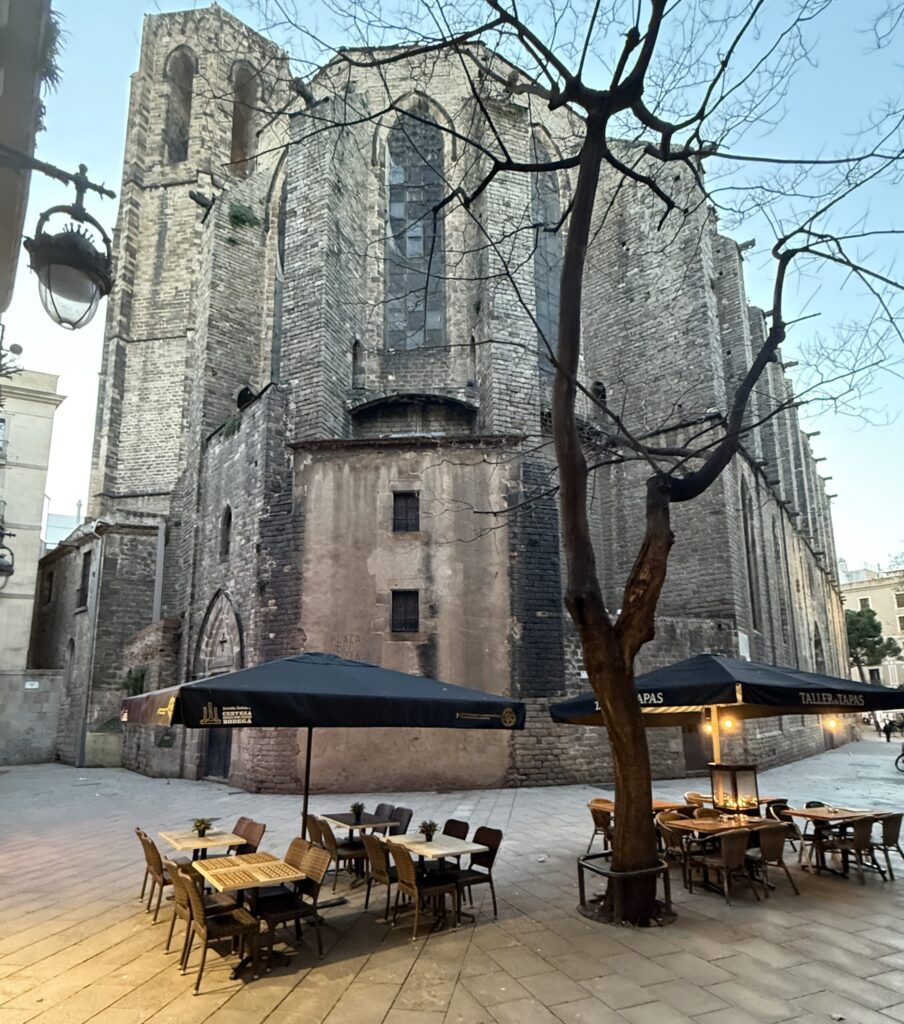
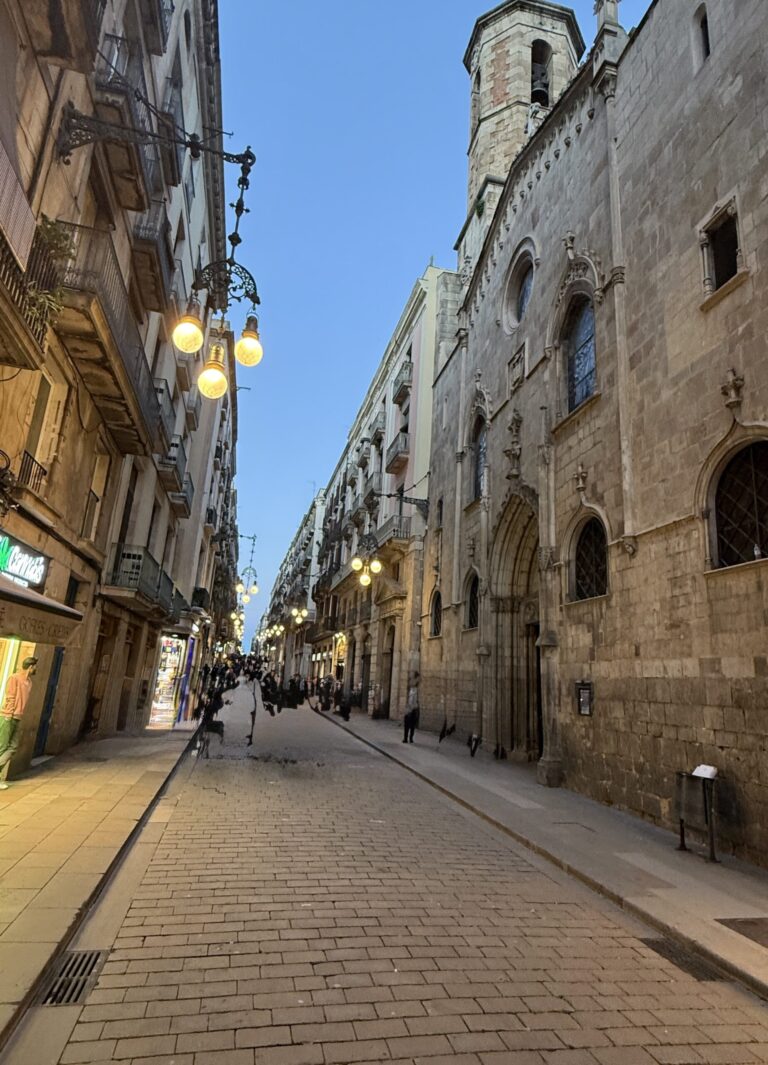
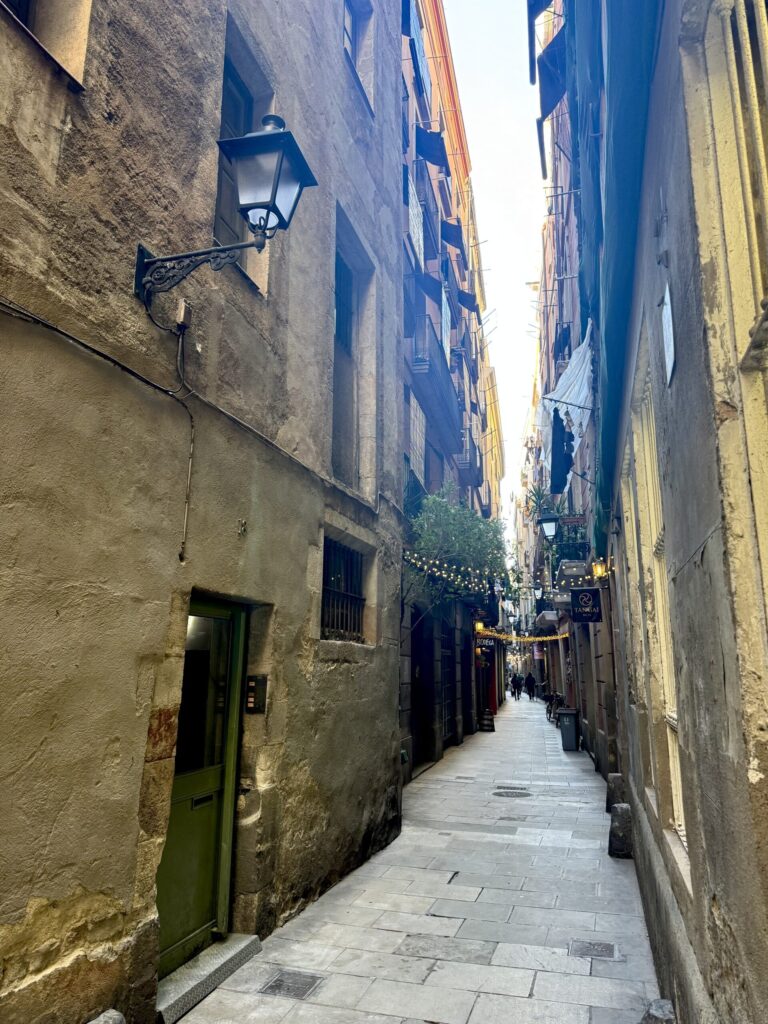
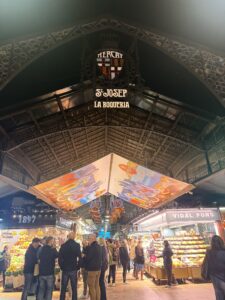
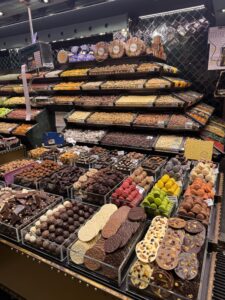
The Gothic Quarter (Barri Gòtic) is Barcelona’s oldest neighborhood, a labyrinthine tangle of narrow medieval streets and hidden plazas built atop the ancient Roman settlement of Barcino, with remnants of 2,000-year-old walls still visible today. At its heart stands the stunning Barcelona Cathedral, a masterpiece of Catalan Gothic architecture, surrounded by atmospheric squares where locals and travelers alike gather beneath gas-lit lampposts. The quarter borders Las Ramblas, the city’s most iconic boulevard, with street performers, flower stalls, and café terraces. Just off Las Ramblas sits La Boqueria (Mercat de Sant Josep), one of Europe’s greatest food markets, with stalls overflowing with fresh seafood, jamón, exotic fruits, olives, and local cheeses. Together, these three landmarks form the center of Barcelona’s old city.
Gaudí houses: Casa Vicens, Casa Batlló, and Casa Milà
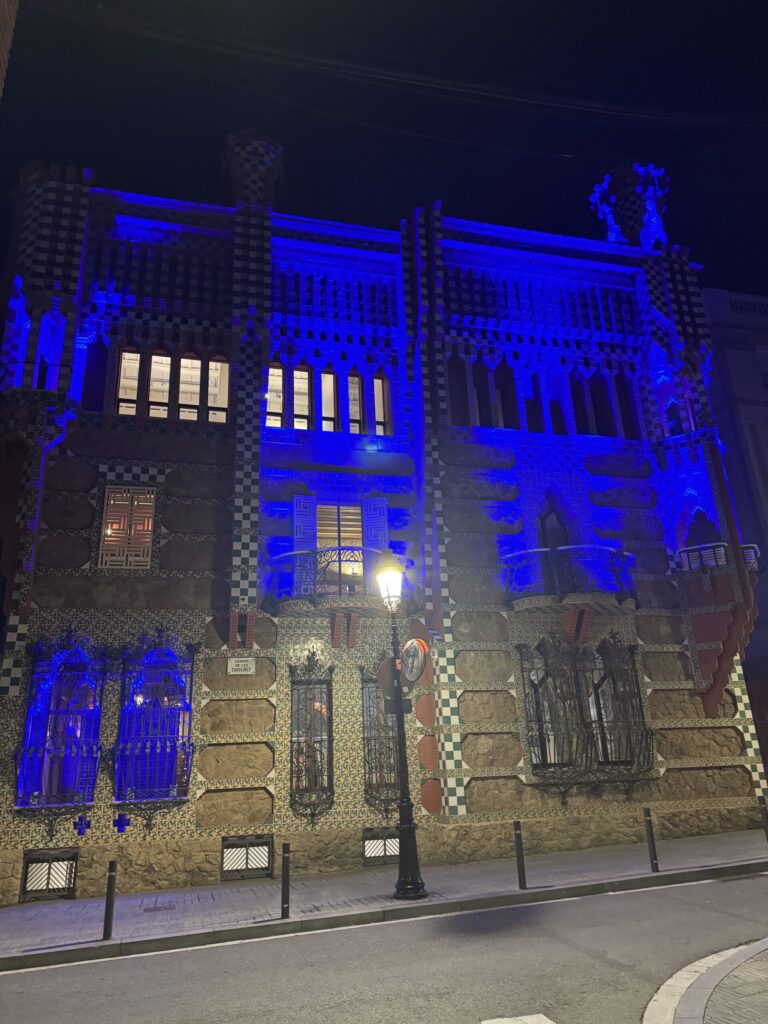
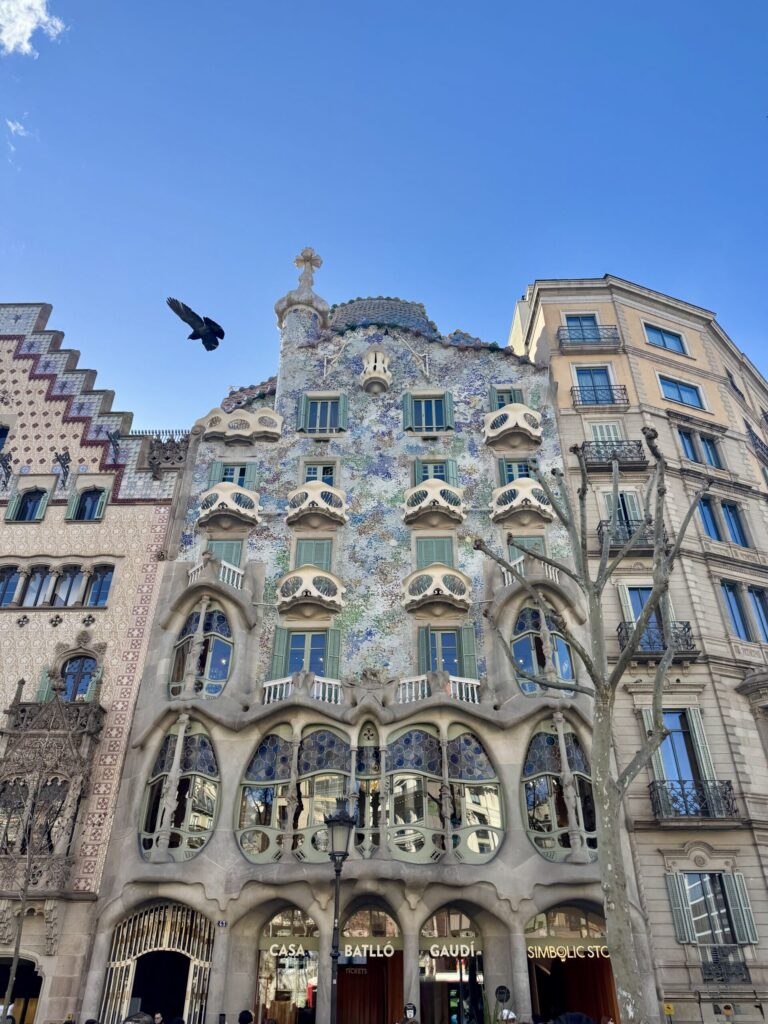
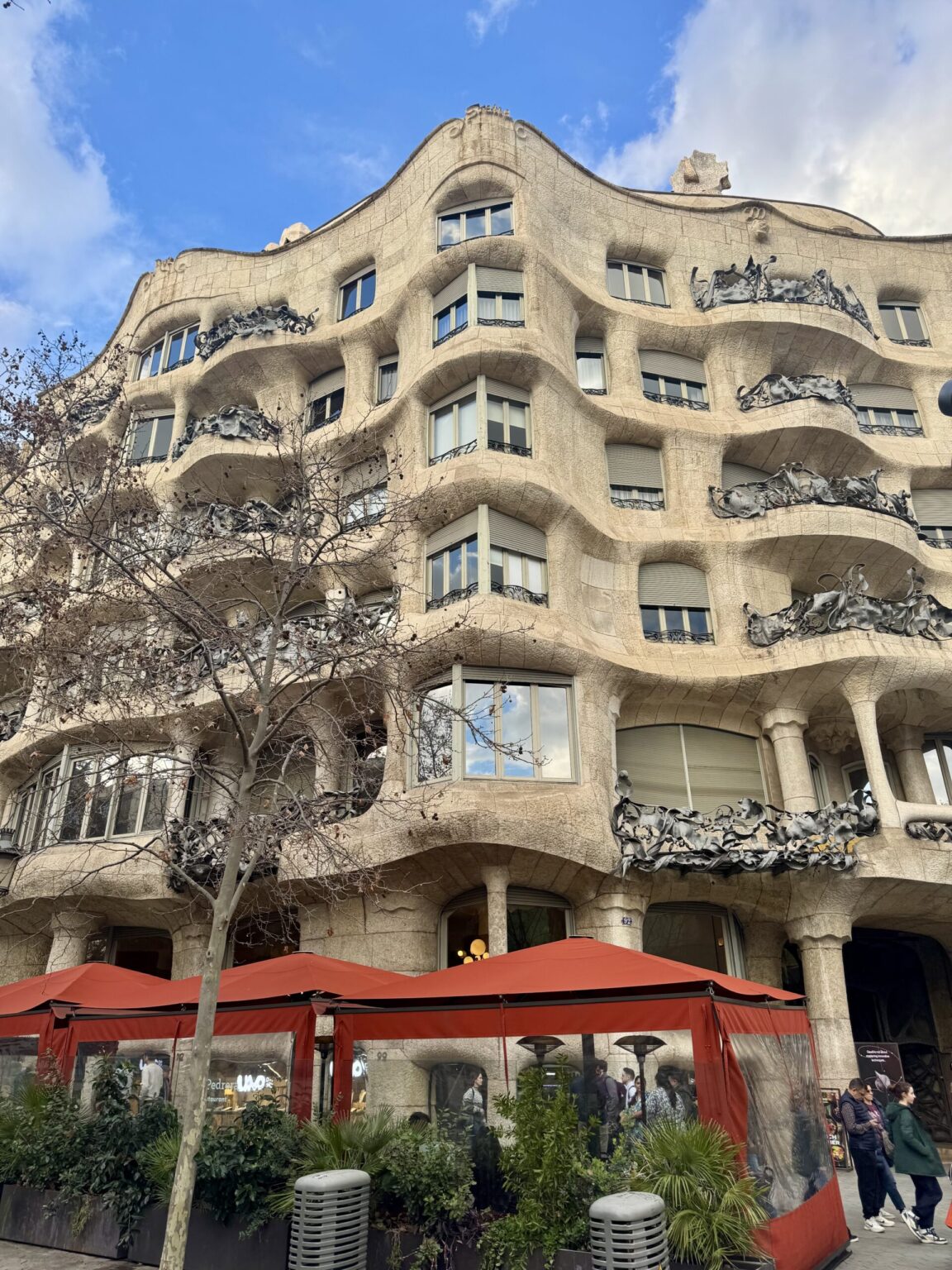
Three of the most famous and celebrated residential buildings designed by Antoni Gaudí. Casa Vicens (1883–1885) is Gaudí’s first major work, built when he was in his early 30s, marking the very beginning of his distinctive style. Located in the Gràcia neighborhood of Barcelona, it’s far more angular and geometric than his later organic works, showing strong Moorish and Oriental influences. Casa Batlló (1904–1906) is a remodel of an existing building that Gaudí transformed into something almost otherworldly. The facade is clad in shimmering mosaic tiles of blue, green, and violet, and the roof undulates like the back of a dragon. The bone-like columns and skull-shaped balconies on the lower floors give it an eerie, skeletal quality. Casa Milà (1906–1912) — nicknamed La Pedrera (“The Stone Quarry”) by locals — is made of undulating limestone with no straight lines, giving it the look of a natural cliff face. The rooftop is its most iconic feature: a surreal landscape of warrior-like chimneys and ventilation towers, which famously inspired the stormtrooper helmets in Star Wars, according to George Lucas. Structurally, it was revolutionary — Gaudí used a self-supporting stone facade and open floor plans with no load-bearing interior walls.
Picasso Museum
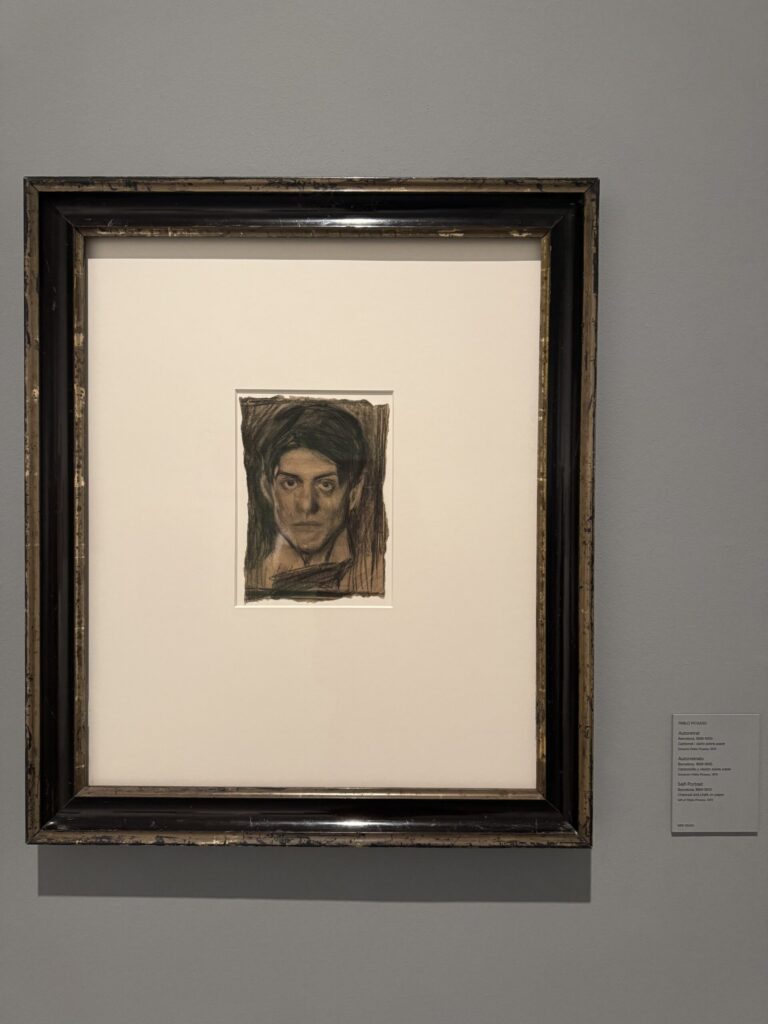
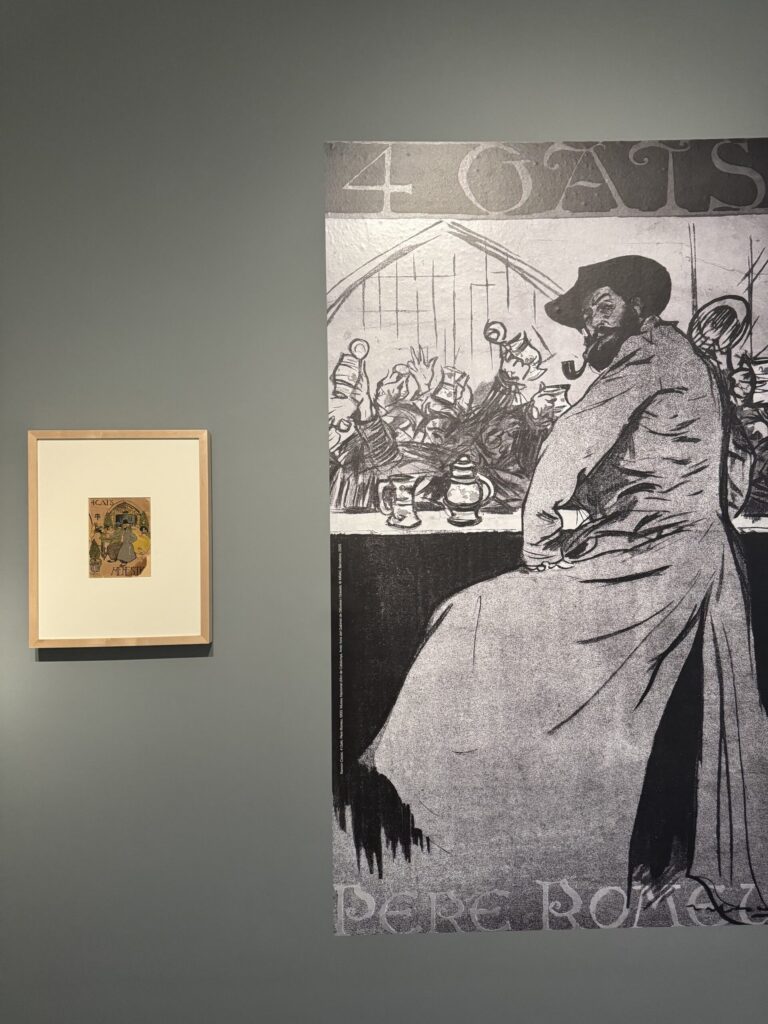
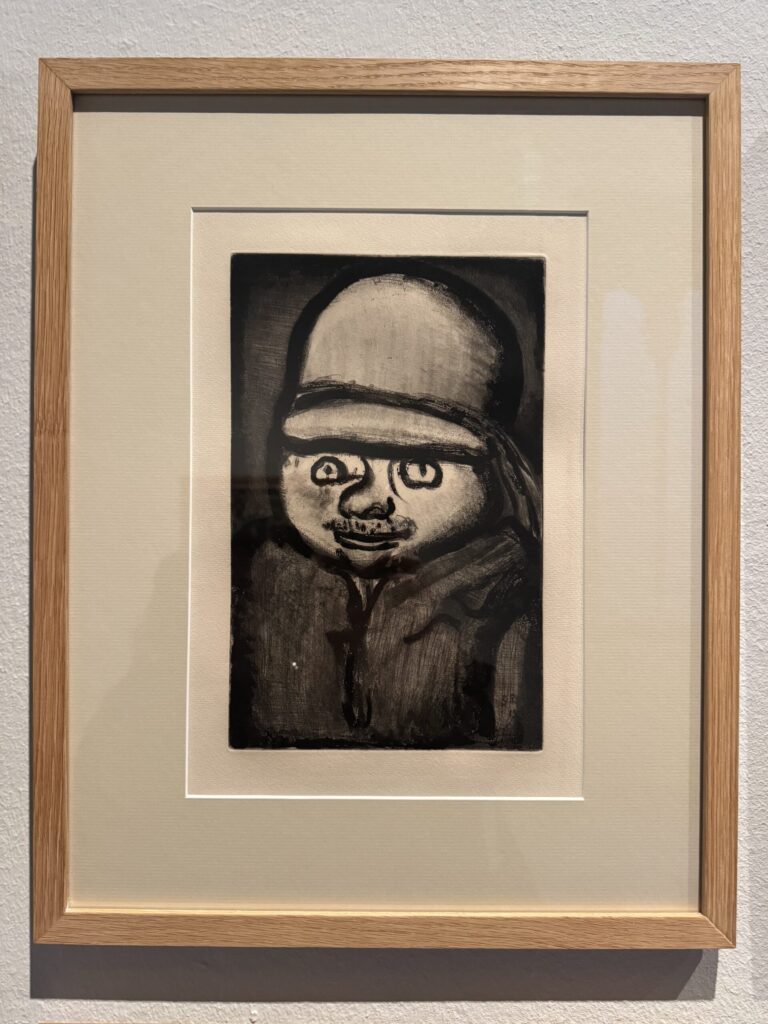
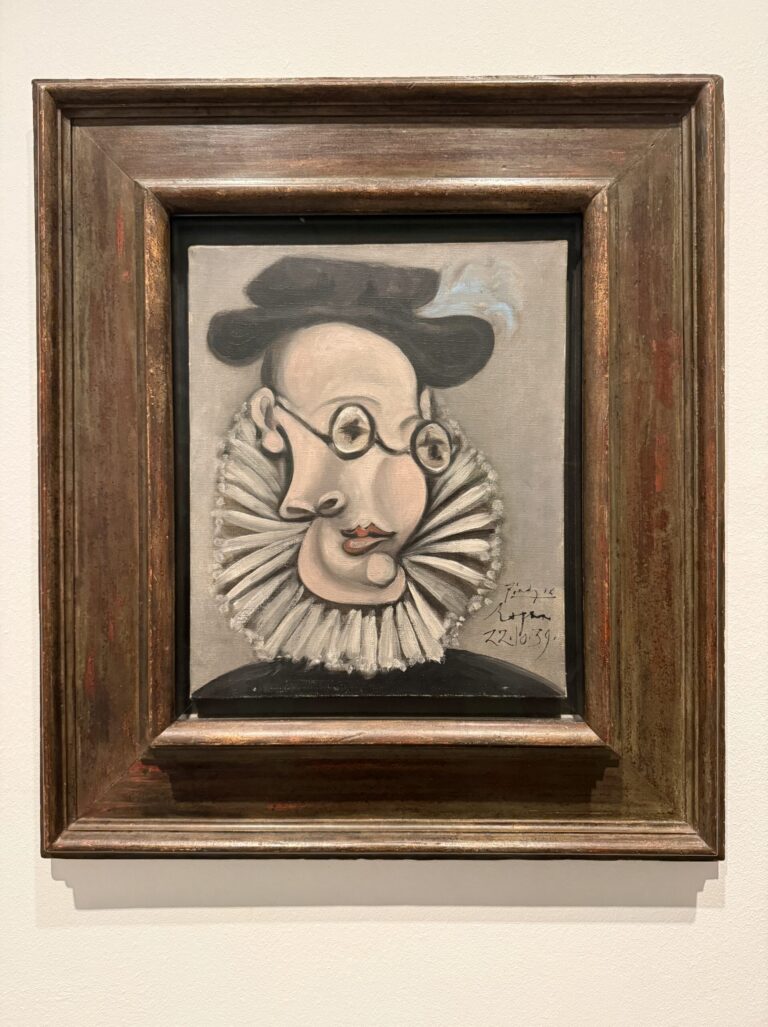
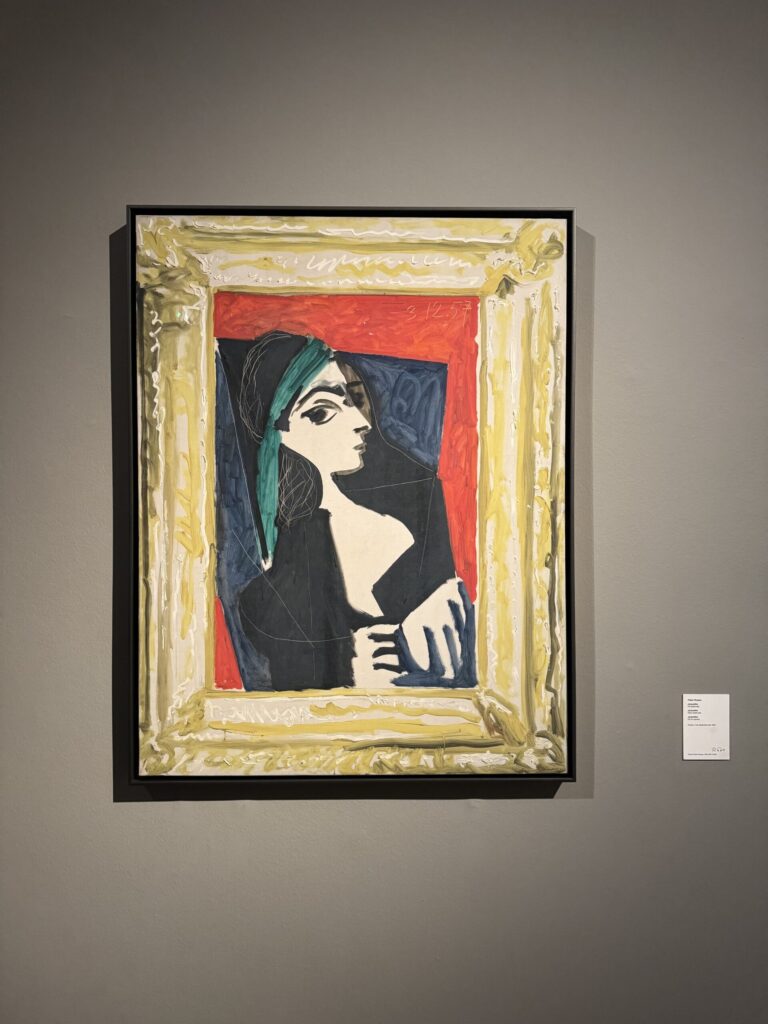
The Museu Picasso in Barcelona focuses on his formative years — his childhood, adolescence, and early development as an artist. This makes it unlike any other Picasso collection in the world. Though born in Málaga, Barcelona was the city where Picasso came of age artistically. He studied at La Llotja art school, frequented the bohemian café Els Quatre Gats, and considered the city a spiritual home. You can trace Picasso’s evolution from a teenager (age 13–14) through his Blue Period and beyond. The Barcelona museum has a more intimate, narrative quality.
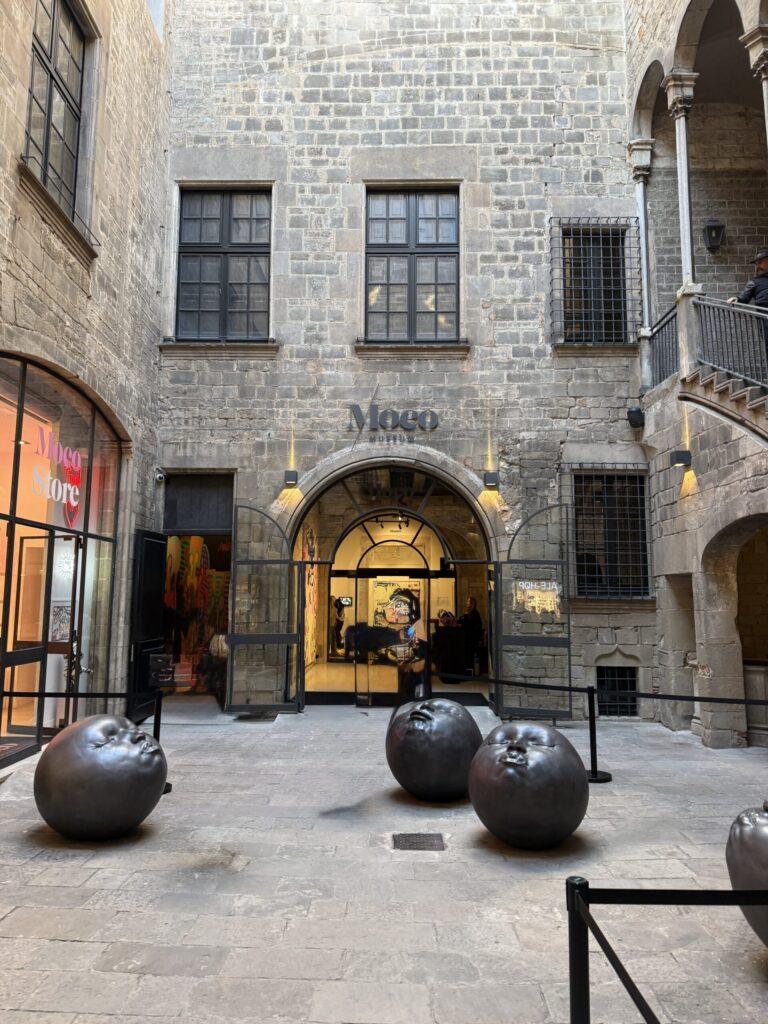
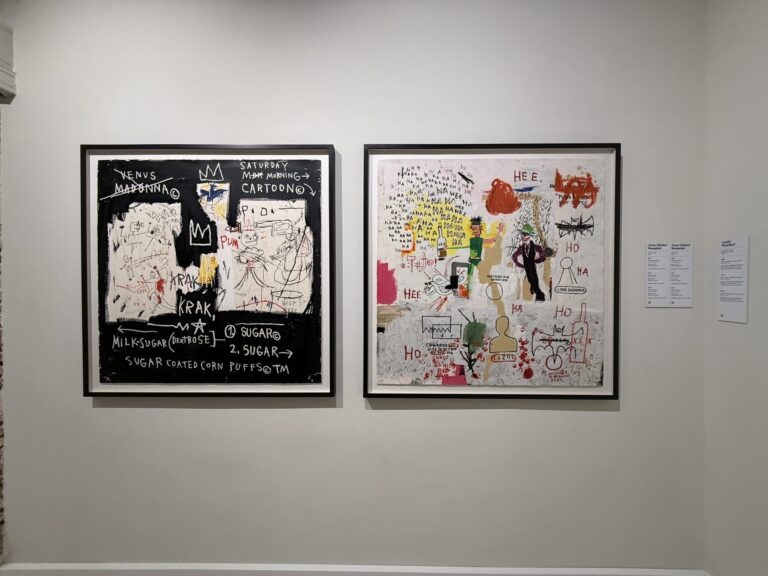
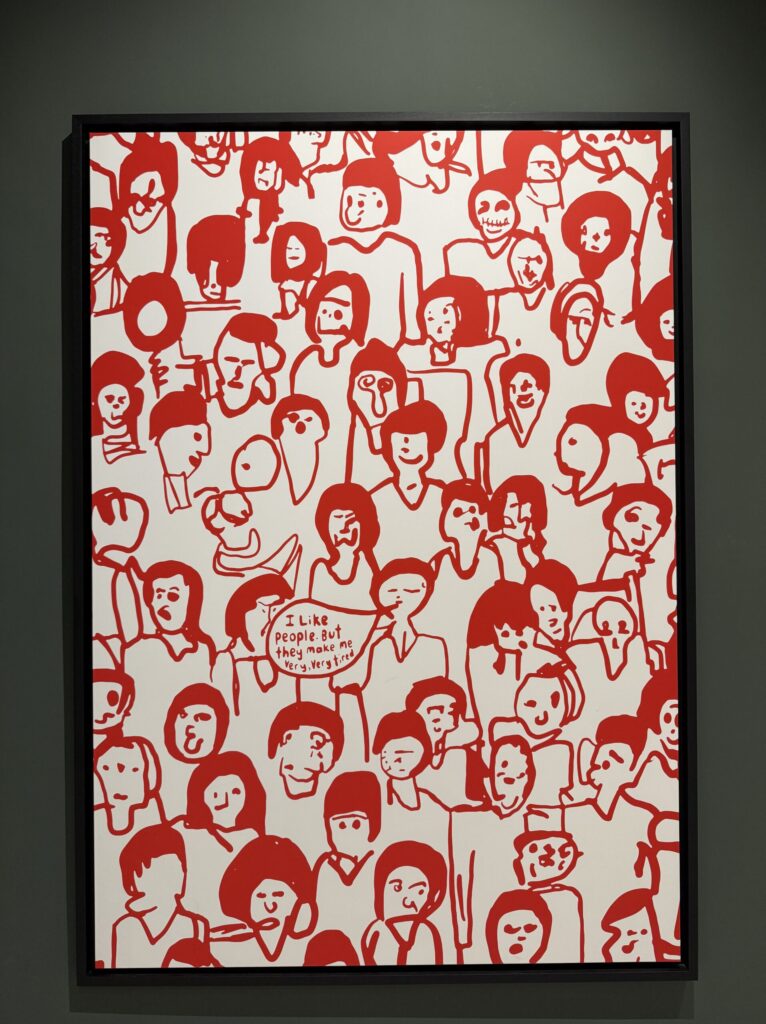
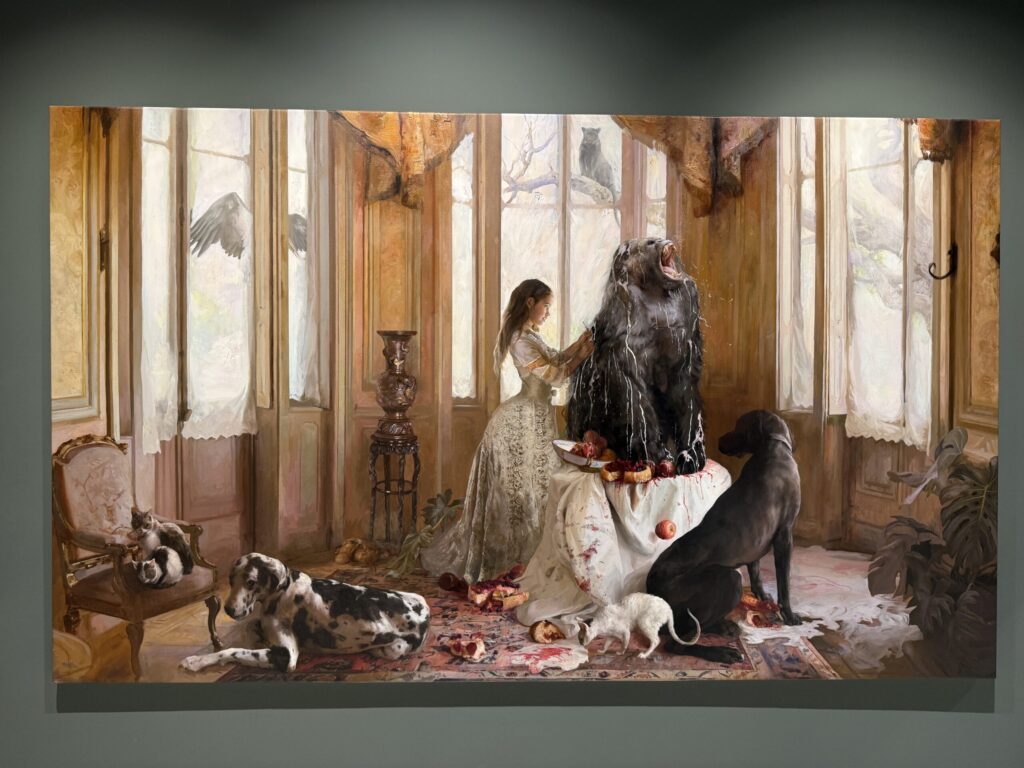
The Modern & Contemorary Museum (Moco)
The Moco features a strong selection of modern works by famous artists: Andy Warhol, Salvador Dalí, Damien Hirst, Keith Haring, Jean-Michel Basquiat, KAWS, Yayoi Kusama, Takashi Murakami, Banksy, and more.
Park Güell
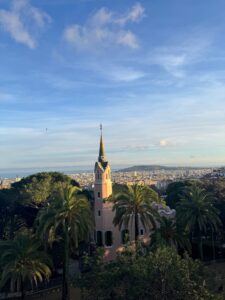
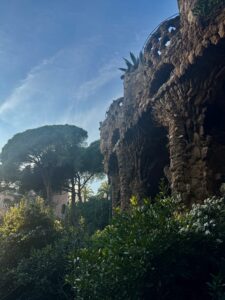
Park Güell is famous for Antoni Gaudí’s whimsical, fairytale-like architecture, vibrant mosaic work (trencadís), and integration of nature and fantasy. It’s located in the La Salut neighborhood of the Gràcia district.
Where to Eat
Barcelona’s food scene is a blend of deep Catalan tradition and creative fusion restaurants.
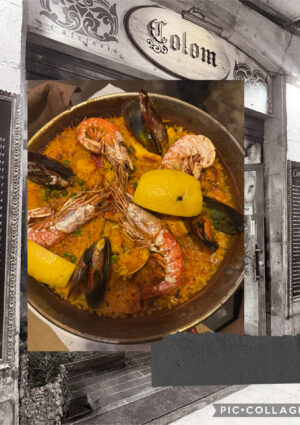
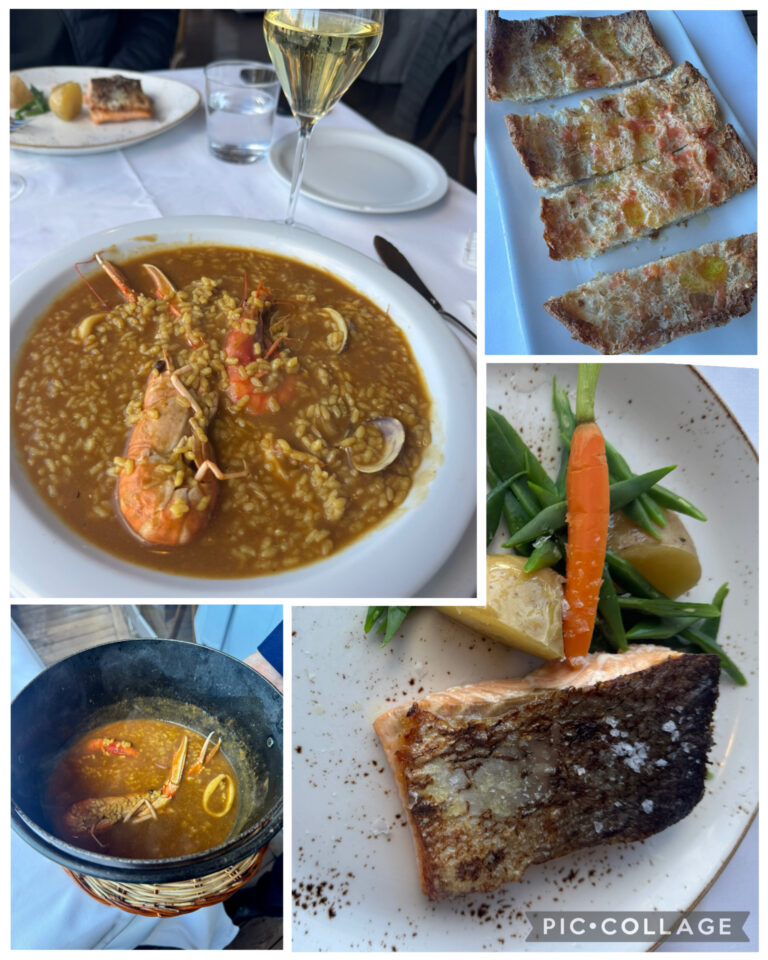
We stumbled Colom when we were wandering around the Gothic Quarter. The place was bustling even at 6:30 pm, which is considered a very early dinner in Barcelona. Their paella was one of the best we had on our trip!