Tokyo
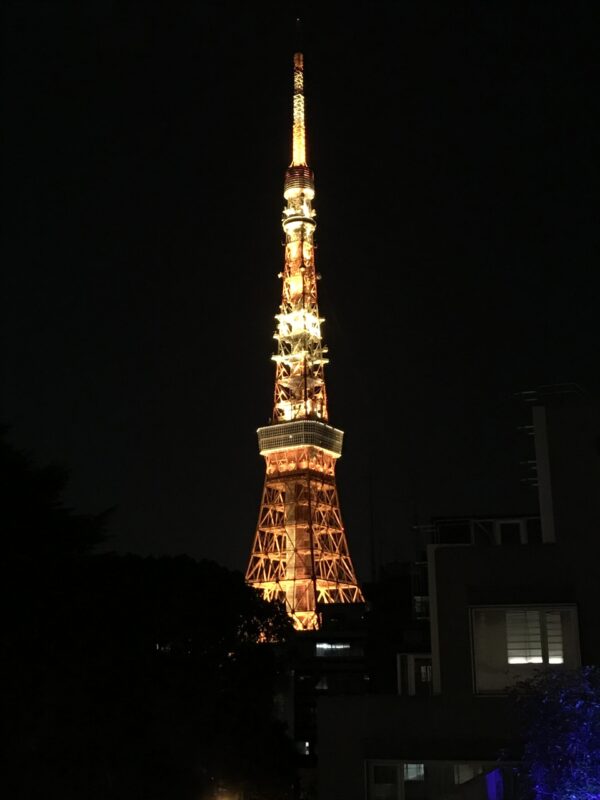
I lived in the Daikanyama neighborhood of Tokyo for 7 years. It’s an incredible city with so many layers to uncover, and is always evolving with new restaurants, shops, museums, etc, so the exploration never ends. Tokyo is a massive city, so I’ve structured my recommendations by area (grouping sights/attractions) so there’s not too much back-tracking.
Overview
Stay
- Trunk Hotel Shibuya
- Kimpton Shinjuku Tokyo
- Palace Hotel Tokyo (Marunouchi)
- Grand Hyatt Tokyo (Roppongi)
Explore
- Sensoji Temple and Nakamise dori (Asakusa)
- Tsukiji Market
- Meiji Shrine
- Yoyogi Park
- Harajuku (Takeshita-dori)
- Shibuya (Hachiko Statue, Shibuya crossing, Shibuya Sky)
- Daikanyama and Nakameguro
- TeamLab Borderless/Planets
- Shopping in Omotesando, Ginza, and/or Shimokitazawa
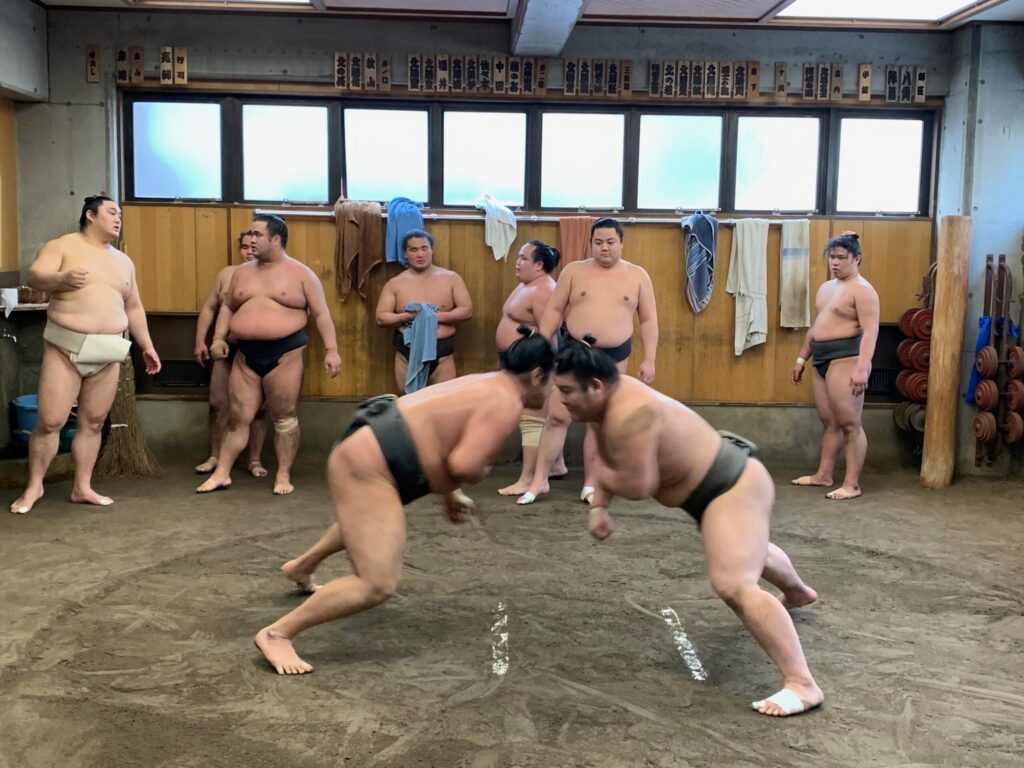
- Sumo tournament (Jan, May, Sept) or Sumo practice stable
Eat
- Ramen, Soba, Udon
- Yakitori
- Sushi, Sashimi
- Tonkatsu
- Shabu shabu
- Yakiniku
- Sukiyaki
- Fluffy pancakes
- Soft serve ice-cream
- Mochi, Dango
Where to Stay
I would recommend staying in Shibuya, Shinjuku, Marounouchi, or Roppongi (in that order). Shibuya and Shinjuku offer the greatest convenience in terms of trains, food, and ease of taking day trips. Many of the luxury hotels are in the Marounouchi area, which is also close to the Imperial Palace and Tokyo Station, but lacks a neighborhood feel since it’s Tokyo’s business and financial district. Roppongi is an interesting neighborhood with lots of food and shopping options, but is less convenient for train access and day trips. Availability for hotels is lowest during cherry blossom season (prices are also highest), so book early.
Some notable hotels by location (varying price points):
Shibuya hotels
- Trunk Hotel – boutique hotel in Shibuya; 5 mins from station
- Shibuya Excel Hotel – in the heart of Shibuya so great access to other areas and shopping; 4 mins from station
- Cerulean Tower Tokyu Hotel – 4 mins from station, but quieter neighborhood
Shinjuku hotels
- Park Hyatt – one of the most iconic luxury hotels in the world, made famous for it’s role in Lost in Translation; 20 mins from station
- Hyatt Regency Tokyo – recently renovated hotel in West Shinjuku; 9 mins from station
- Kimpton Shinjuku Tokyo – chic boutique hotel 9 mins from station
- Keio Plaza Hotel Tokyo – 7 mins from station
Marunouchi hotels
- Hoshinoya Tokyo – vertical ryokan in the middle of Otemachi–wear a yukata throughout, take your meals as kaiseki, and soak in a rooftop onsen under the open sky.
- Palace Hotel Tokyo – direct connection to the Tokyo rail network (great for day trips), rooms overlooking the Imperial Palace moat
- Tokyo Station Hotel – housed inside the landmark 1914 red-brick Tokyo Station building.
- Aman Tokyo – in Tokyo’s financial district. Close to the Imperial Palace and Tokyo Station. Magnificent views including the Imperial Palace Gardens and Mt Fuji.
- The Peninsula Tokyo – in Tokyo’s upscale Marunouchi district.
- Imperial – oldest luxury hotel in Tokyo, opened in 1890; near Ginza and Hibiya
Roppongi hotels
- JANU Tokyo – new ultra luxe hotel by Aman
- Grand Hyatt Roppongi – large full-service hotel
- Mitsui Garden Hotel Roppongi Tokyo Premier – newer boutique hotel
- The Lively AzabuJuban – affordable, with view of Tokyo Tower
Akasaka/Toranomon hotels
- Andaz Tokyo Toranomon Hotel – located between Tokyo Tower and the Imperial Palace. Elegant mid-century Japanese design.
- Hotel Okura – luxury hotel in Tokyo’s central Toranomon district that opened in 1962
- The Capitol Hotel Tokyu – designed by famous Japanese architect Kengo Kuma (contemporary Japanese décor)
- ANA Hotel Tokyo – central location; 10 mins from Akasaka and Roppongi where there are tons of restaurants
Other
- Westin Tokyo – located near Ebisu Garden; 10 min walk from Ebisu Station (Yamanote line)
- The Hotel Chinzanso Tokyo
- Hotel Gajoen Tokyo – small luxury hotel in Meguro with beautiful Japanese pre-war art
Logistics
PRIOR TO YOUR TRIP:
Decide if it makes sense for you to purchase a Japan Rail Pass – a special fare ticket that is available only to travelers visiting Japan from foreign countries for sightseeing. There are 7-day, 14-day, and 21 day passes. This pass must be purchased BEFORE coming to Japan. Use the Rail Pass Calculator to see if it makes sense for you.
Download helpful apps:
- Google Maps
- Suica – transit
- GO – taxi app
- EX – Tokaido Sanyo Kyushu Shinkansen booking
- Tablelog – restaurant reviews
Connectivity
If your phone plan does not offer a good international plan, an eSim, pre-paid SIM card, or pocket wifi are the best options.
- eSim: yesim (download from app store, select plan, purchase and install)
- Prepaid sim card: Japan Wireless (https://www.japan-wireless.com/)
- Download the app “Japan Wi-Fi auto-connect”, which will automatically connect you to any free wifi available when you travel
AFTER ARRIVAL:
Transportation from the airport
From Narita Airport: In my experience, the easiest way to get into downtown Tokyo from Narita airport is to take the Limousine bus which takes about 1 hr 30 mins. Immediately after exiting baggage claim, you will see the Limo bus counter. They have frequent buses going to all areas of downtown Tokyo, so just buy a ticket (~$30 adult, $15 child), head outside, find the location for your bus, and get in line. They will tag and load your luggage and bring you straight to your hotel.
The fastest way to get from Narita Airport to downtown Tokyo is by train, taking about an hour. There are two main train operators that offer services from Narita Airport: Narita Express / N’EX (JR East) and Keisei Skyliner (Keisei Electric Railway). The Japan Rail Pass permits you free use of the Narita Express, so if you’ve purchased one, you should opt for this option. Also, the Keisei Skyliner terminates at Keisei-Ueno station so, depending on where you are staying, you may need to transfer trains. Narita Express offers direct, same-train service to Shinjuku, Shinagawa, and a few other locations in downtown Tokyo.
From Haneda Airport: Haneda is much closer to downtown Tokyo so if you are traveling as a family with luggage, a taxi might be your best option and will cost you about ¥8,000 ($50 USD). The Limousine bus is also an easy alternative. If it isn’t rush hour, the train is also very accessible from the airport.
Getting around Tokyo
PASMO or Suica – instead of buying a subway/train ticket each time, buy an IC card and just load some money on it. It will make your life much easier!
Things to Do
Meiji Shrine, Harajuku, Omotesando, & Shibuya
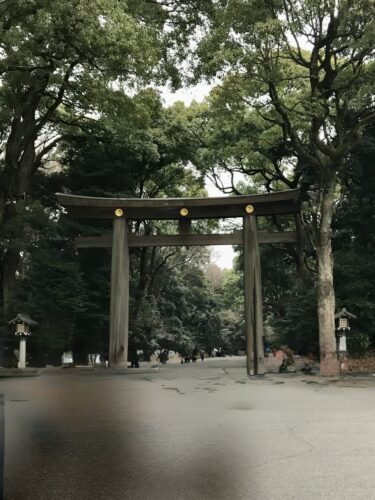
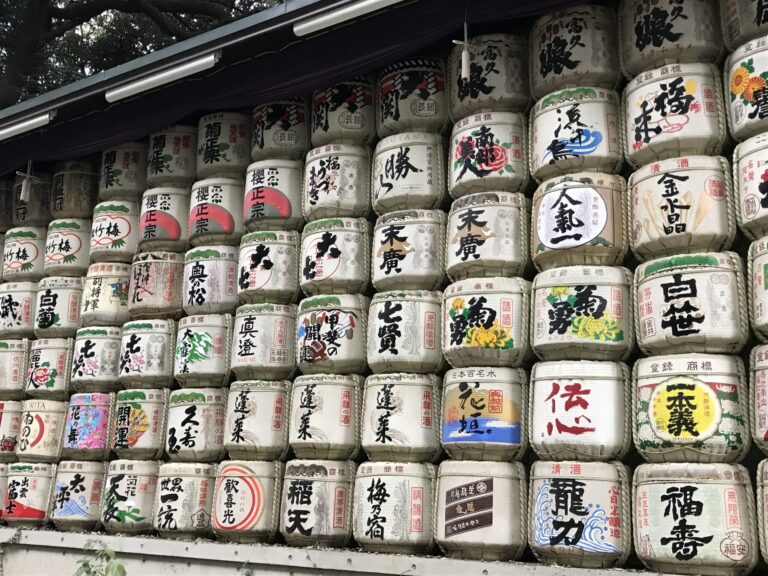
Start your day at Meiji Jingu Shrine. Walk the long forested approach path through towering cryptomeria trees to the serene Shinto shrine dedicated to Emperor Meiji. The surrounding Yoyogi Park is beautiful in early autumn. Browse the shrine’s treasury and the barrel display of sake offerings — a lovely introduction to Shinto ritual.
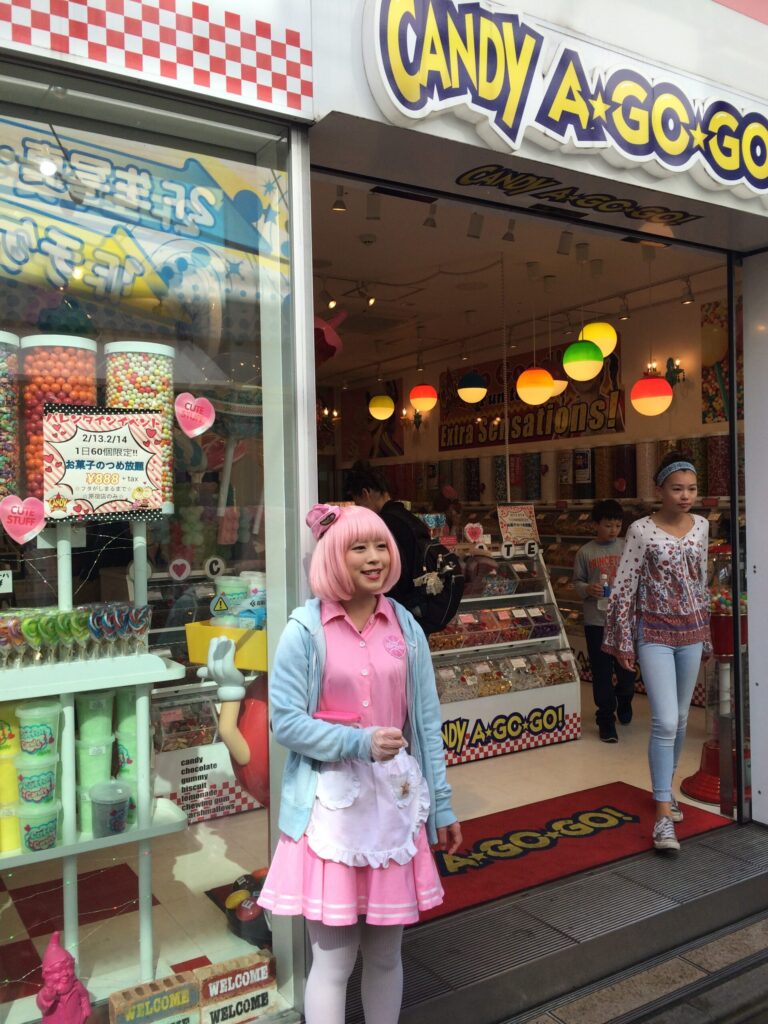
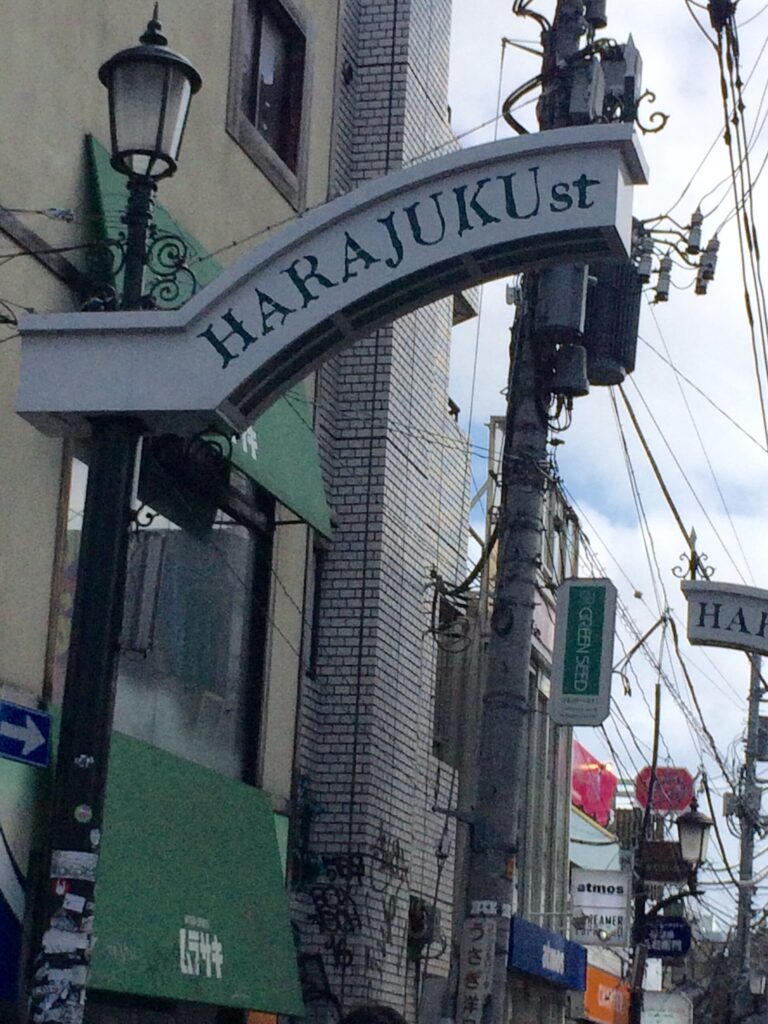
Head toward Harajuku’s Takeshita Street — Tokyo’s wild street fashion alley, packed with crepe stands and youth-culture shops. Harajuku is the epicenter of Japanese anime (cosplay) and ‘kawaii’ culture.
Omotesando — the elegant tree-lined boulevard immediately south of Harajuku, lined with world-class boutiques and exceptional architecture. Browse Omotesando Hills (designed by Tadao Ando) and Spiral Market for Japanese art books and design objects. Walk down Cat Street, known as the “spiritual home” of Tokyo’s streetwear culture. It’s the place to spot trends and shop for unique, fashion-forward pieces.
Walk 10 mins to the Nezu Museum, a beautifully designed small museum worth a visit. It houses over 7,600 pieces, including National Treasures, focusing on Japanese and Chinese pre-modern art like ceramics, textiles, and paintings, and has a spectacular 17,000-square-meter traditional private garden.
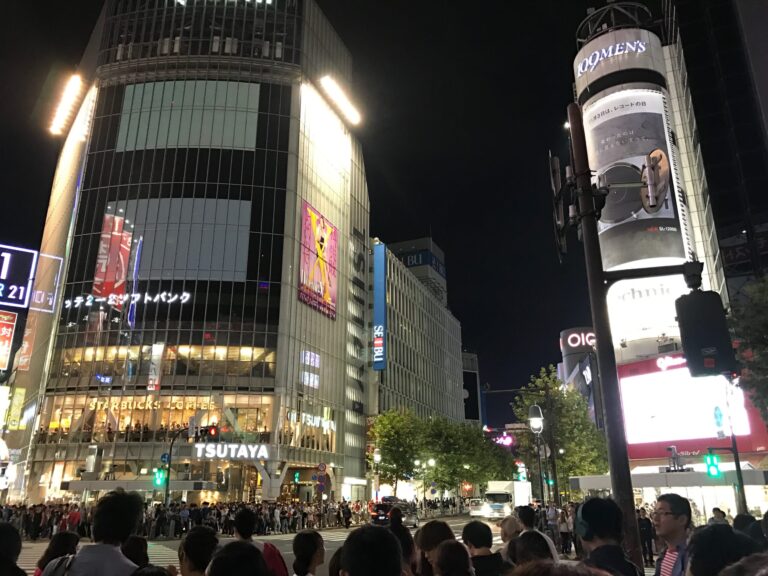
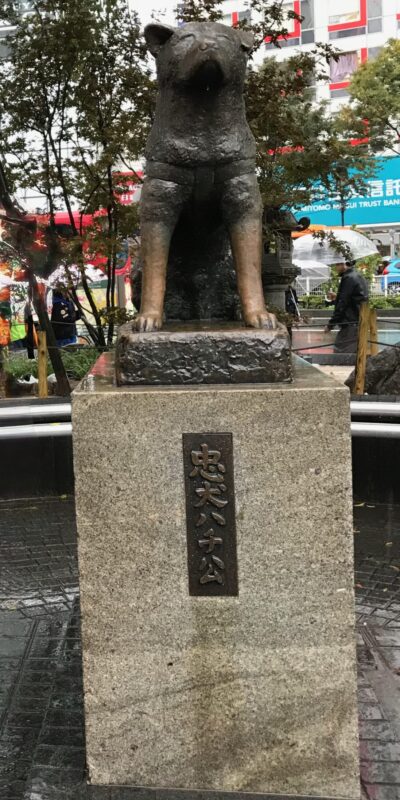
From there, make your way to Shibuya. Witness the iconic Shibuya Scramble Crossing — the world’s busiest intersection. Visit the loyal Hachikō statue, now a popular meeting spot. Hachikō was an Akita revered for his unwavering loyalty, waiting daily at Shibuya Station for his owner even after he died suddenly. He continued this daily vigil for nearly ten years, becoming a global symbol of loyalty and devotion. Just below Shibuya station is Food Shaw, a big basement food mart. It’s worth going down there to take a look. If you’d like a birdseye view of Shibuya, head to Shibuya Sky (towering 237 metres above Shibuya Station) to get a panoramic view. While you’re in Shibuya, do a little shopping at the MEGA Don Quijote store to pick up souvenirs, snacks, face masks or other beauty products, or an additional suitcase. It’s a huge store that has just about everything!
If you’re not tired yet, stop by a record bar in Shibuya or Shimokitazawa. Try Record Bar Analog, Dogenzaka Rock, or Little Soul Cafe (Shimokitazawa). If cocktails is your thing, one of the bars listed in the Top 50 Bars of the World, The Bellwood, is also located in Shibuya.
Tsukiji, Sensoji Temple, Nakamise dori, Kappabashi Street, Tokyo Skytree
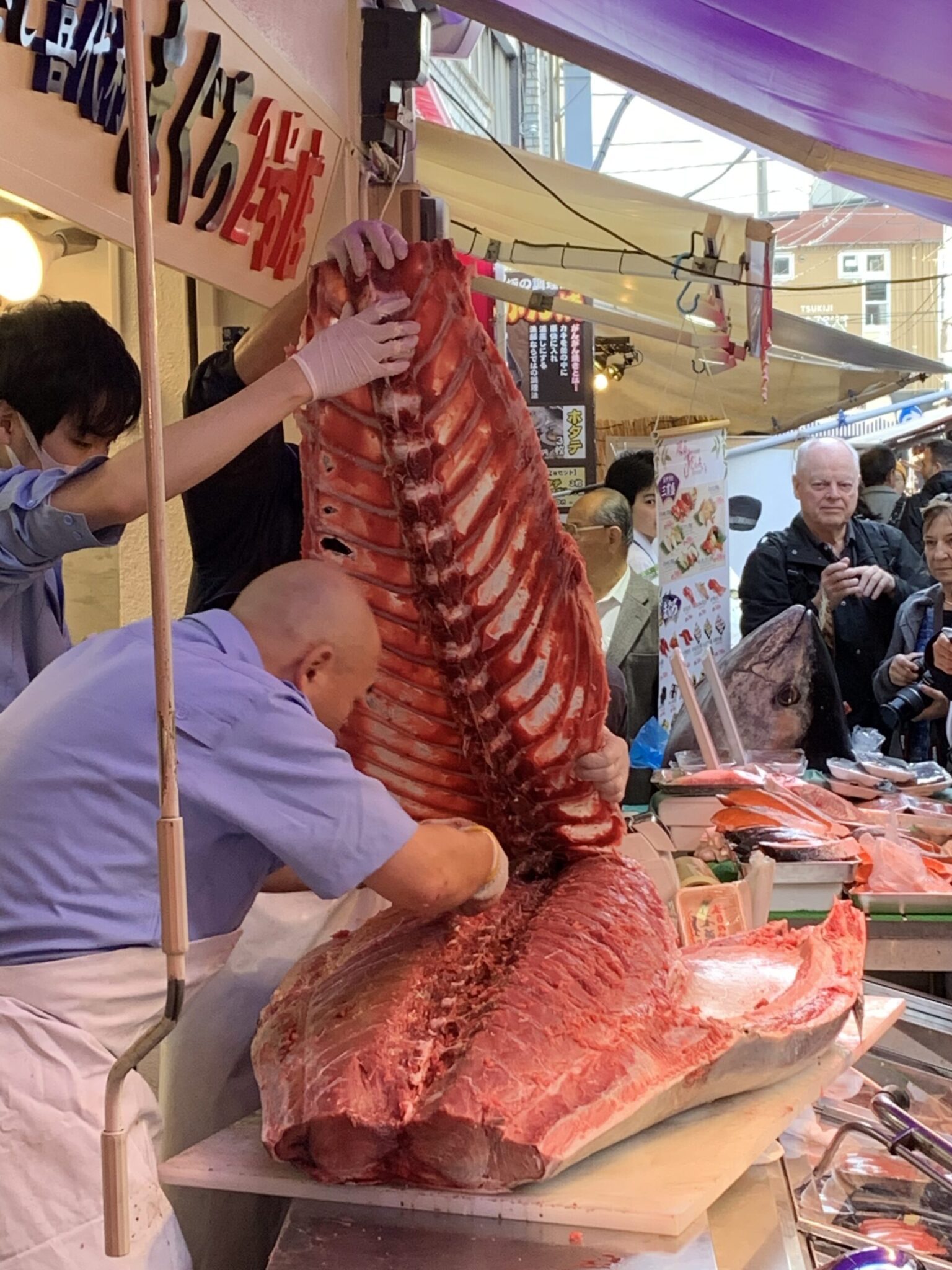
Start your day with a sushi breakfast at Tsukiji Market. The old Tsukiji market had an inner market and an outer market. The inner market was famous for its wholesale tuna auctions, but closed in October 2018 and moved to a modern facility at Toyosu Market. The outer market still exists in the old location and is filled with food stalls and restaurants. I haven’t been to the new Toyosu market so I can’t tell you if it’s worth the trip. I have heard from friends that there is very limited access for visitors and there’s not much to see anymore. Here’s a link that will provide some additional details: Tokyo Travel: Toyosu Fish Market.
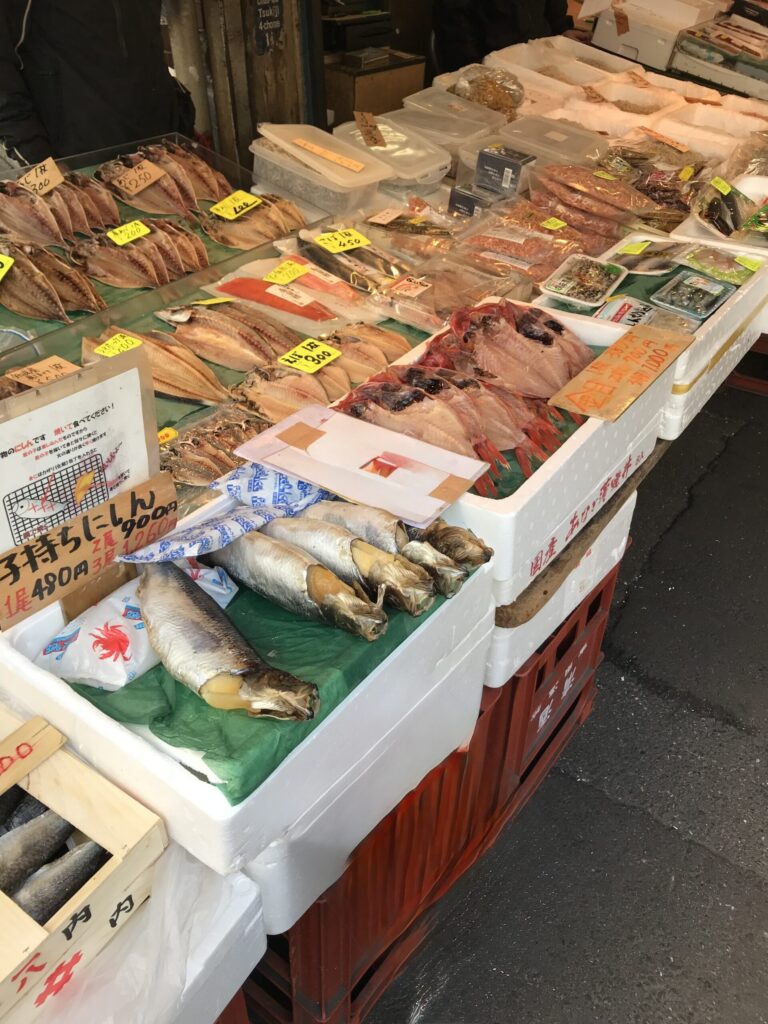
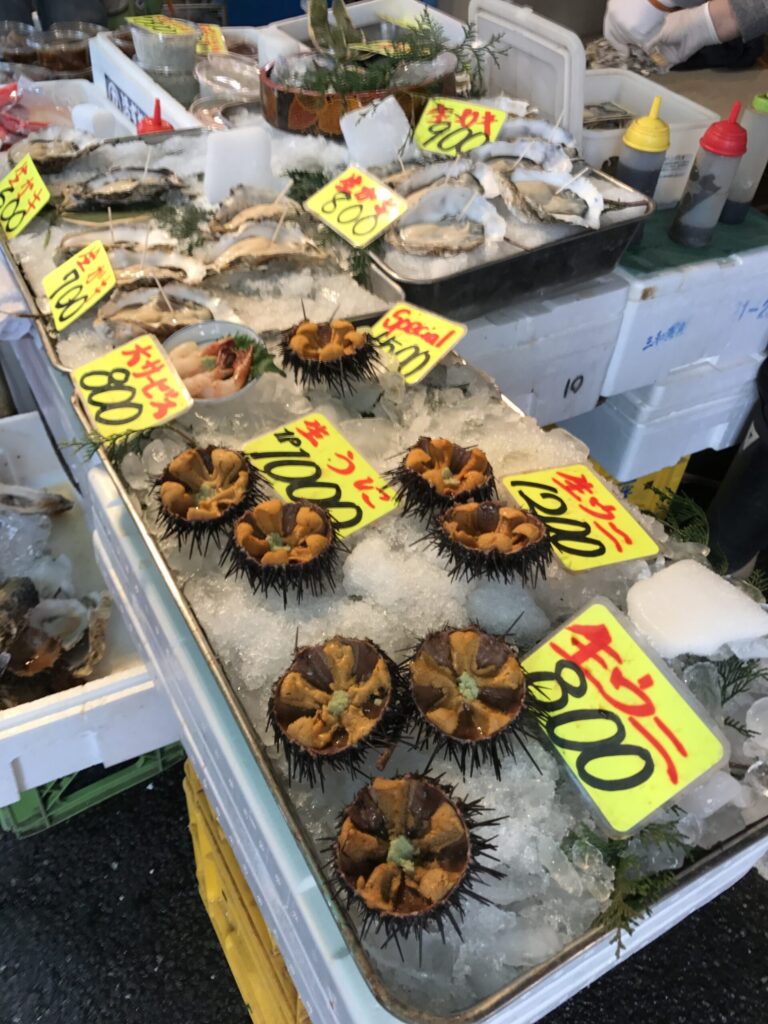
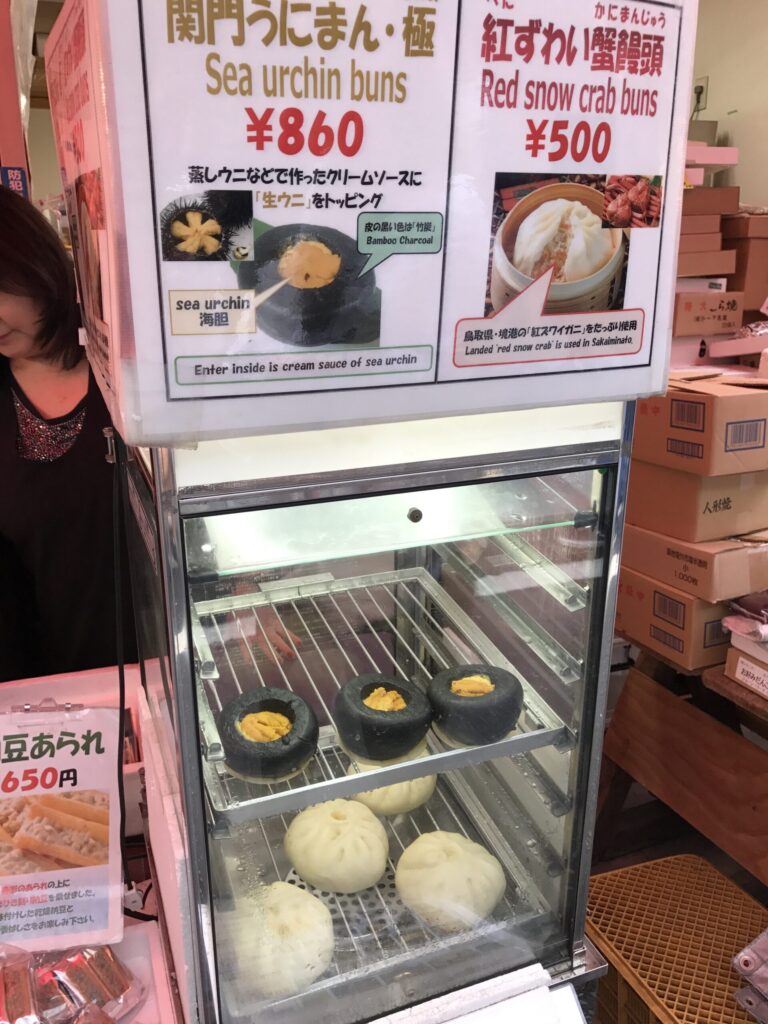
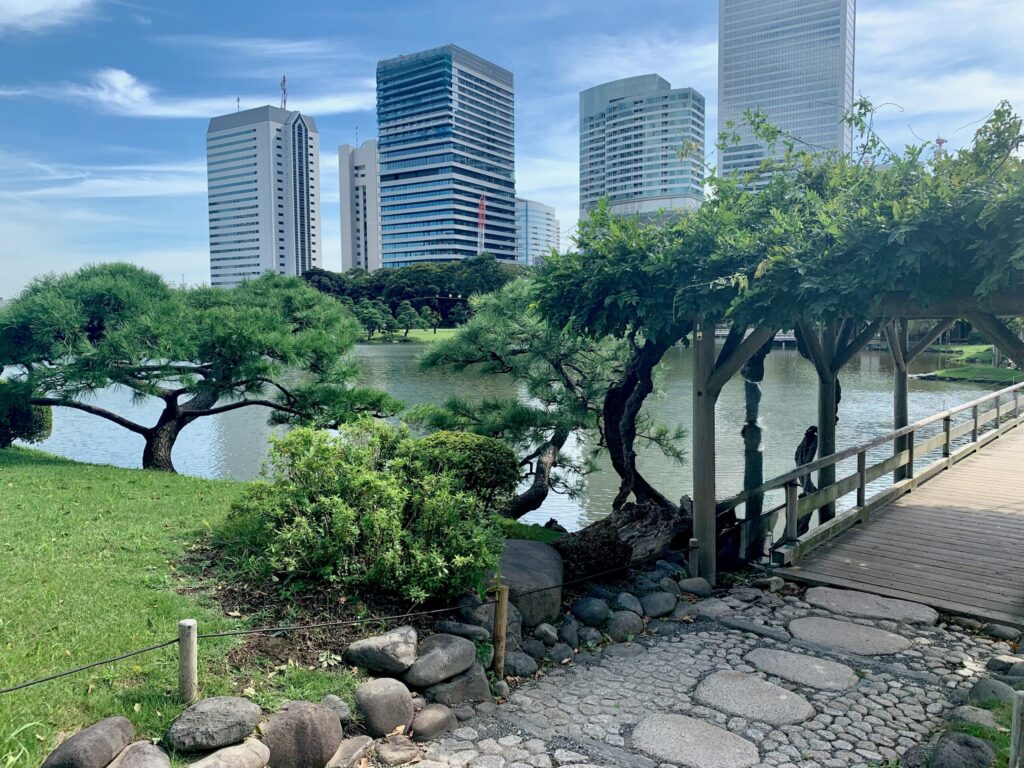
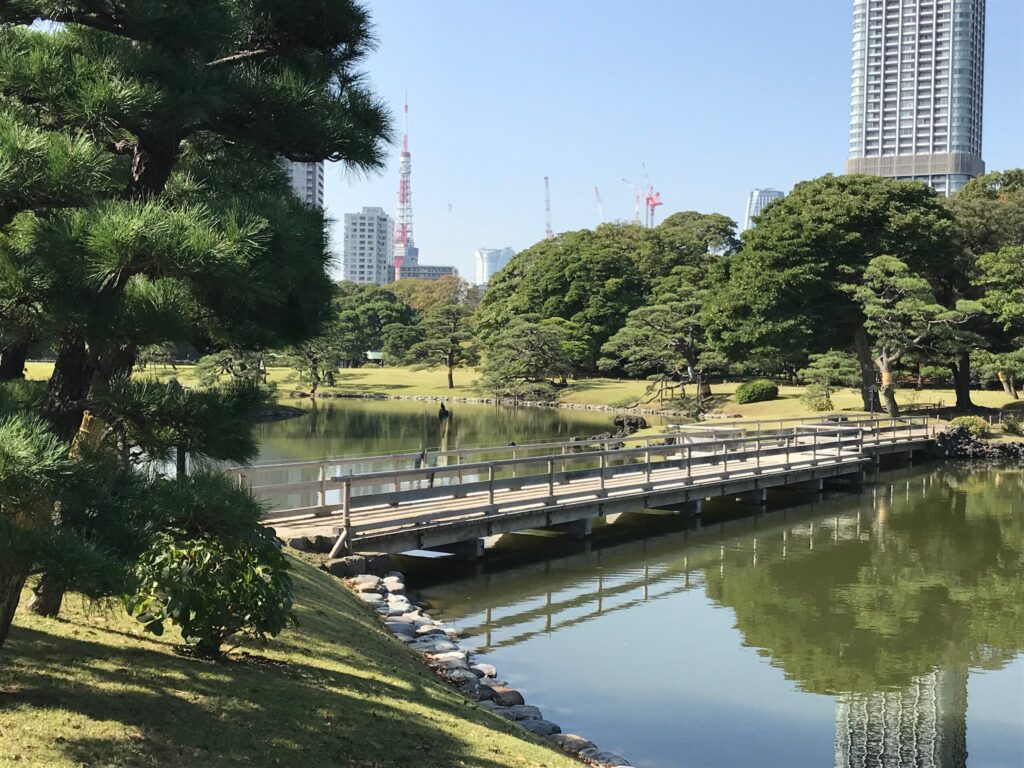
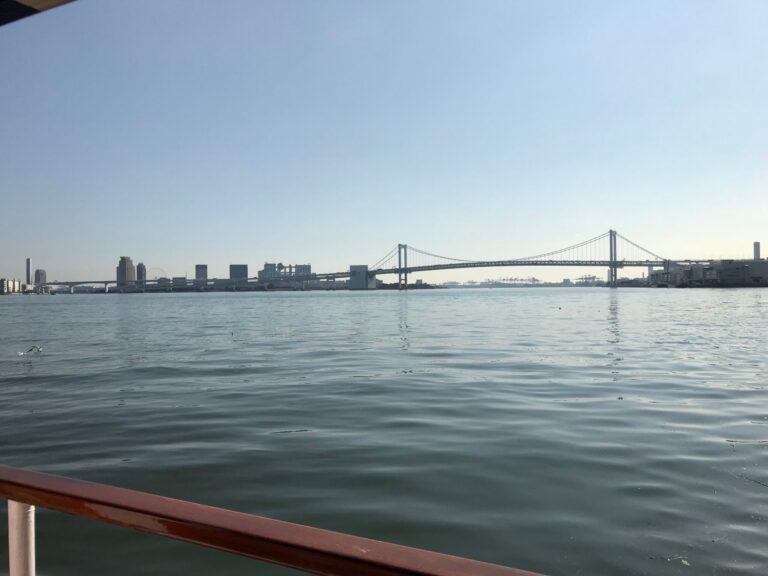
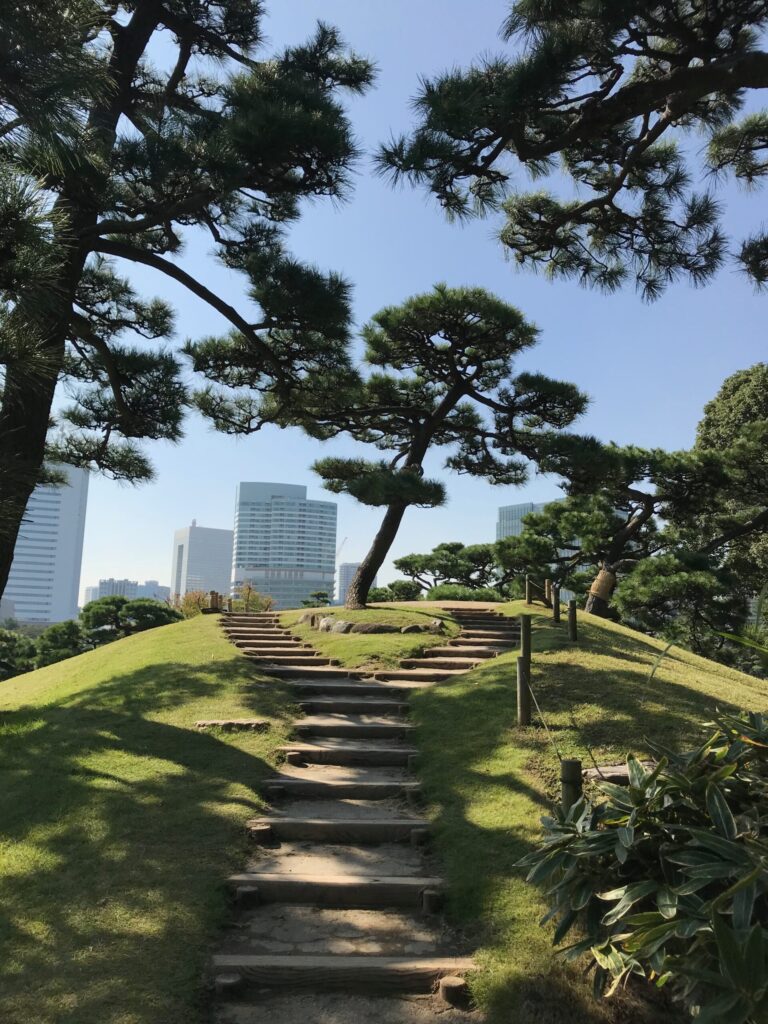
After eating your way through Tsukiji market, walk about 10 minutes to Hama-rikyu Gardens. The beautiful garden used to be the family garden of the Tokugawa Shogun. After walking through the park, make your way to the eastern edge, along the waterfront facing the Tokyo Bay/Sumida River. There you will find the Sumida River Water bus. This is an inexpensive ($7) and scenic way to get from the Tsukiji area to the Asakusa area. It’s about a 40 minute boat ride down the Sumida River to Asakusa.
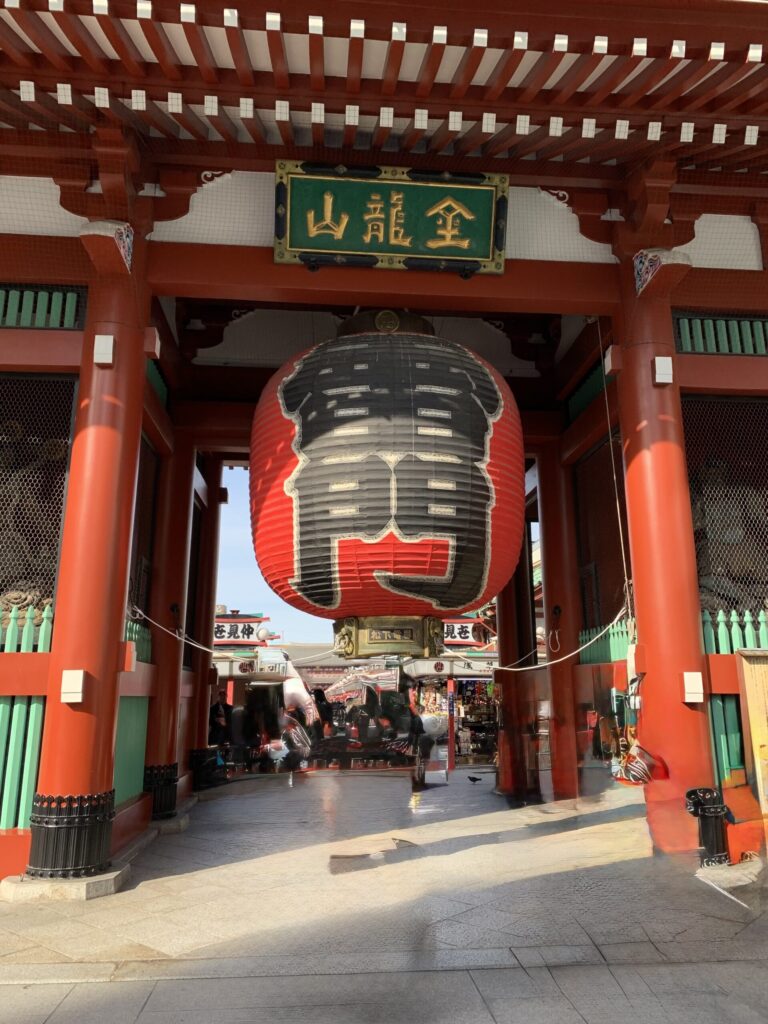
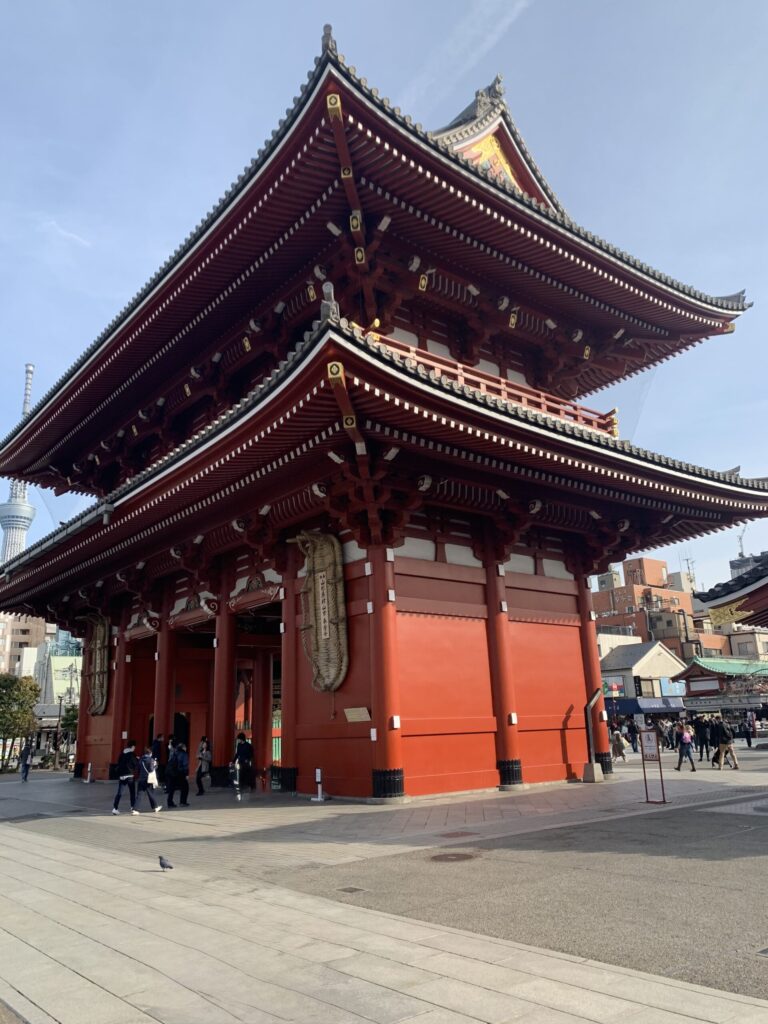
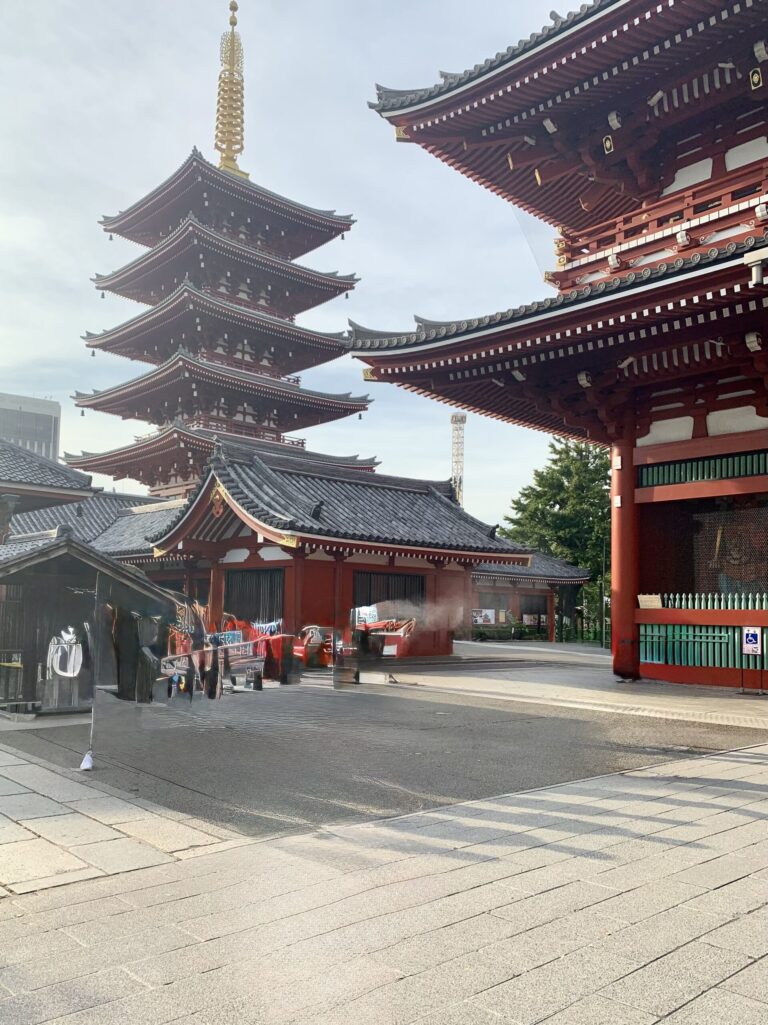
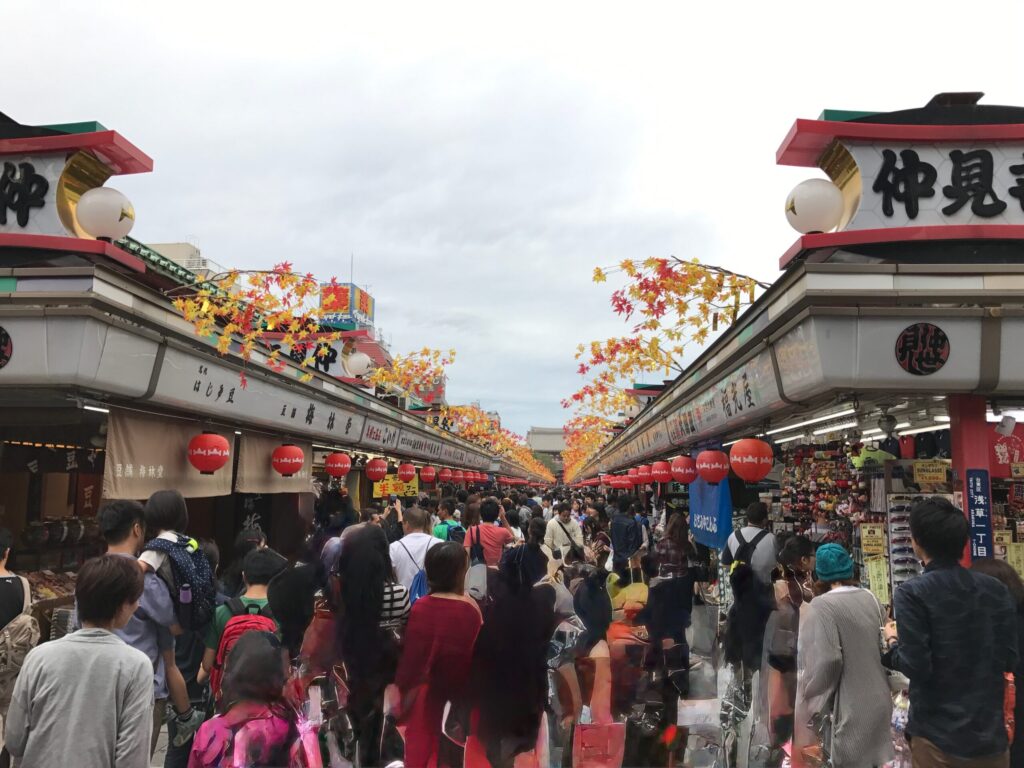
After arriving in Asakusa, make your way to Sensoji (Asakusa Kannon) Temple. Senso-ji, a Buddhist temple, is the oldest temple in Tokyo and draws 30 million visitors a year. You’ll enter through the Kaminarimon (Thunder Gate), the outer gate of Sensoji Temple and the symbol of Asakusa and the entire city of Tokyo. A shopping street of over 200 meters, called Nakamise-dori, leads from the outer gate to the temple’s second gate, the Hozomon. The street is lined with shops selling souvenirs, handicrafts, as well as local Japanese street food. Beyond the Hozomon Gate stands the temple’s main hall and a five storied pagoda.
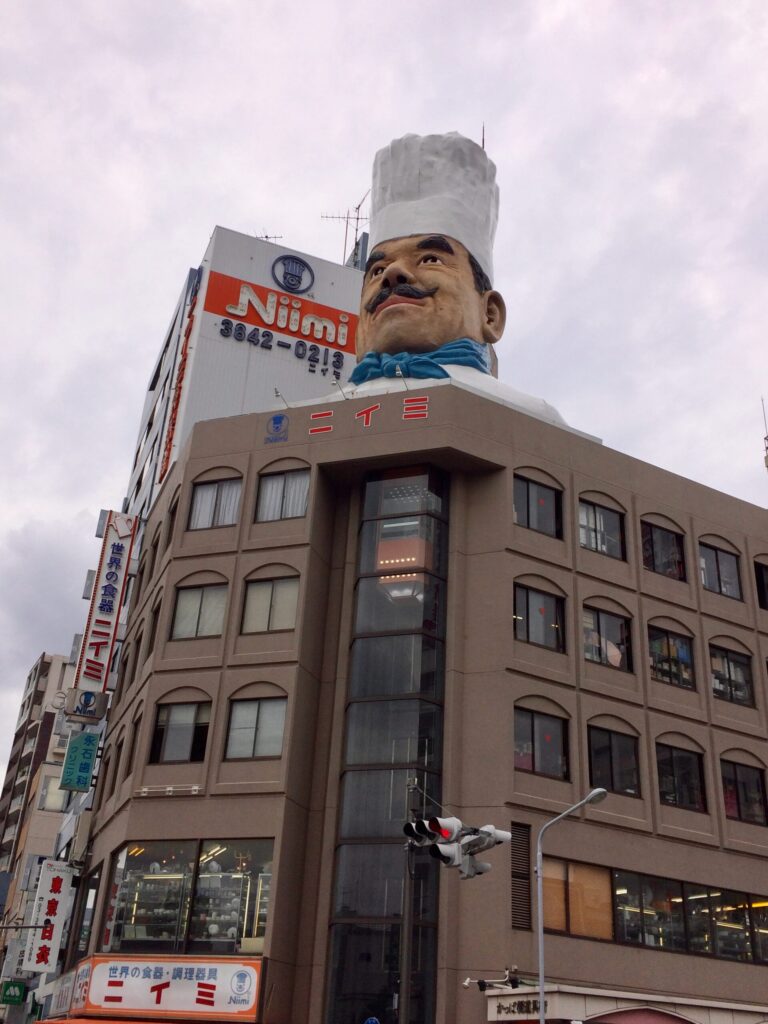
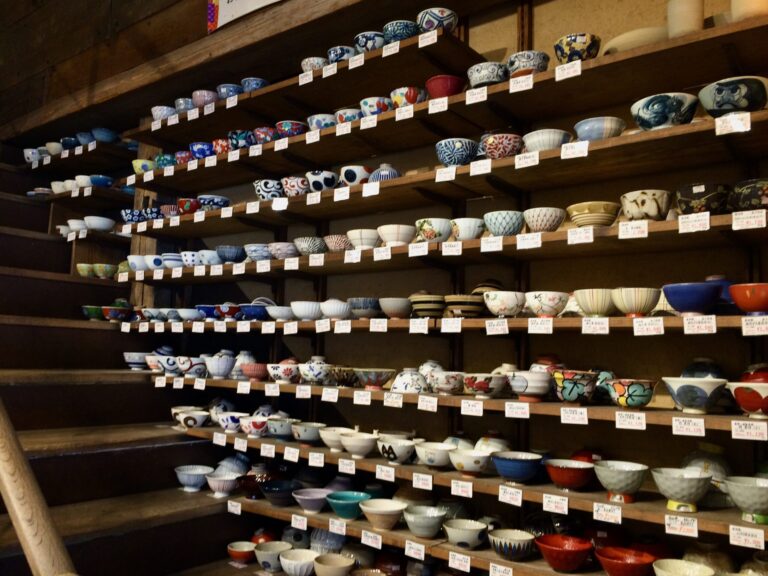
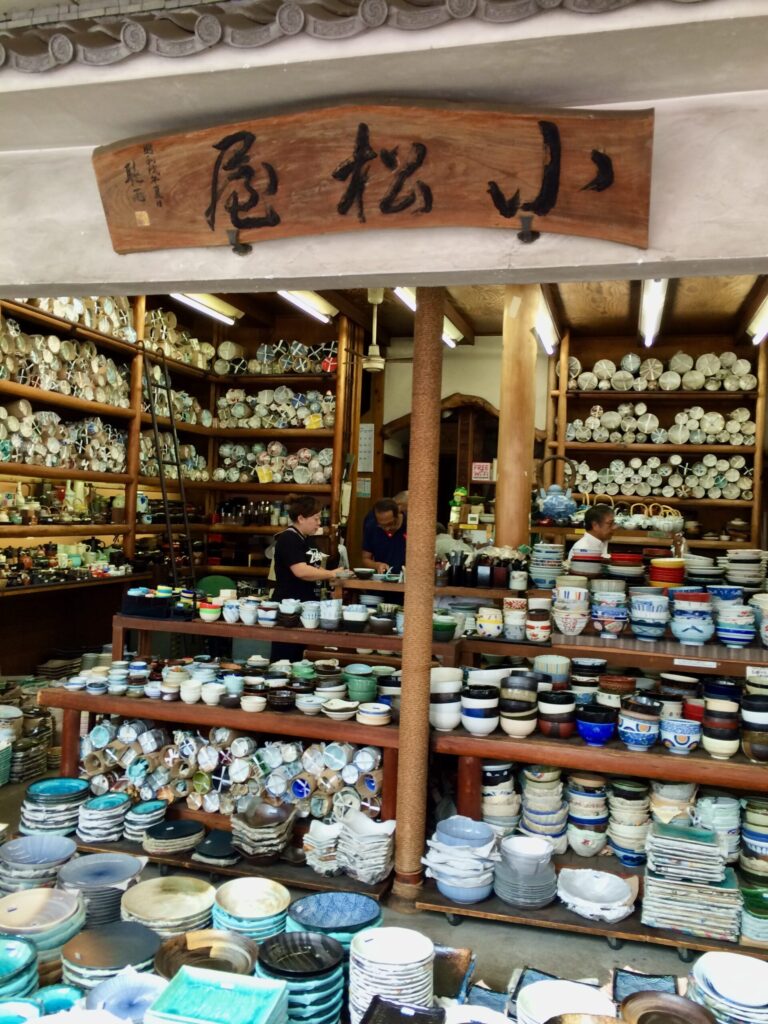
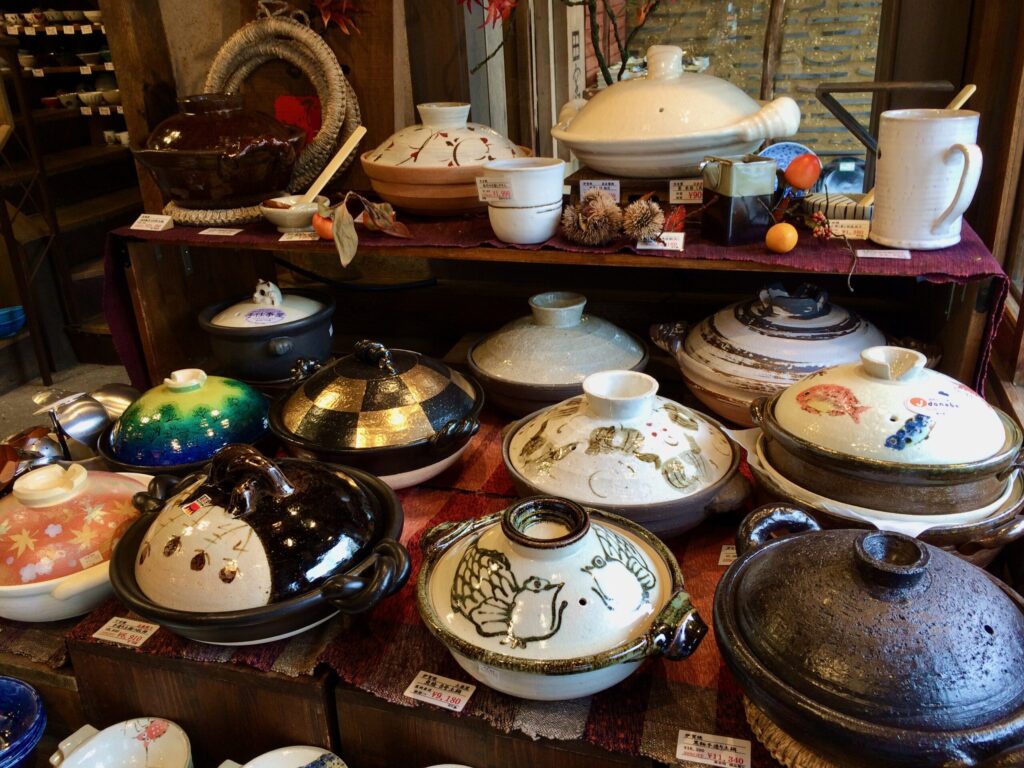
If you are interested in picking up some dishware or other Japanese cooking supplies, head to Kappabashi Street. It’s about a 15 minute walk from the temple. The street is lined with approximately 160 shops, offering everything from high-quality Japanese knives, lacquerware, chopsticks, ceramic dishware, to plastic food.
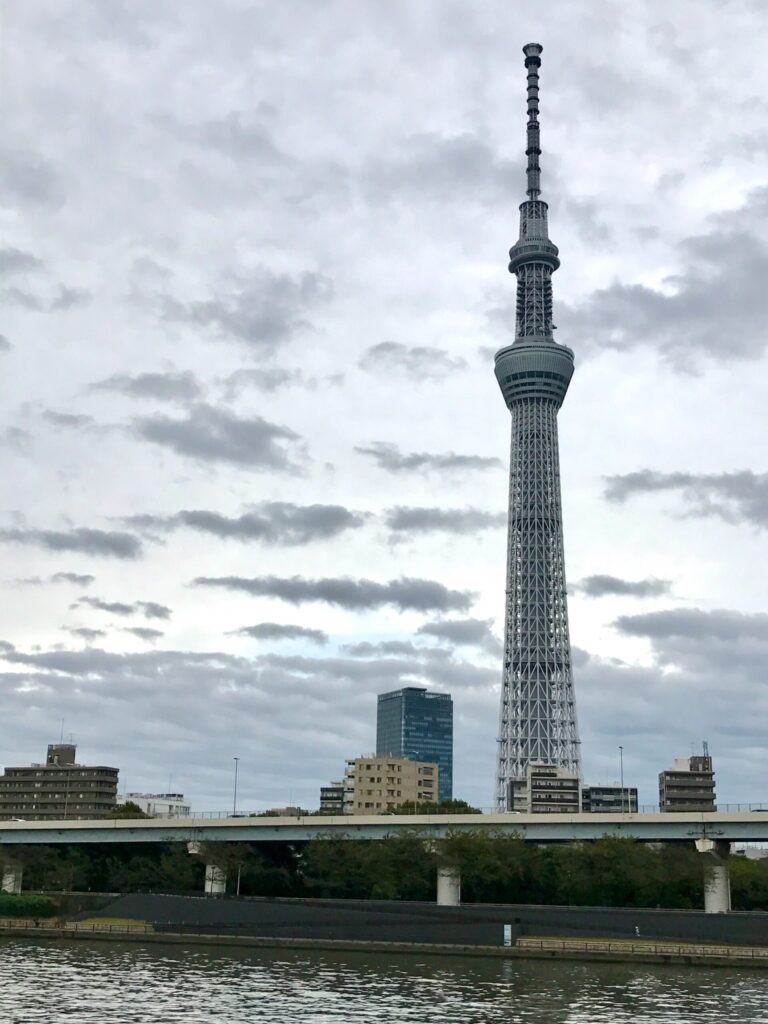
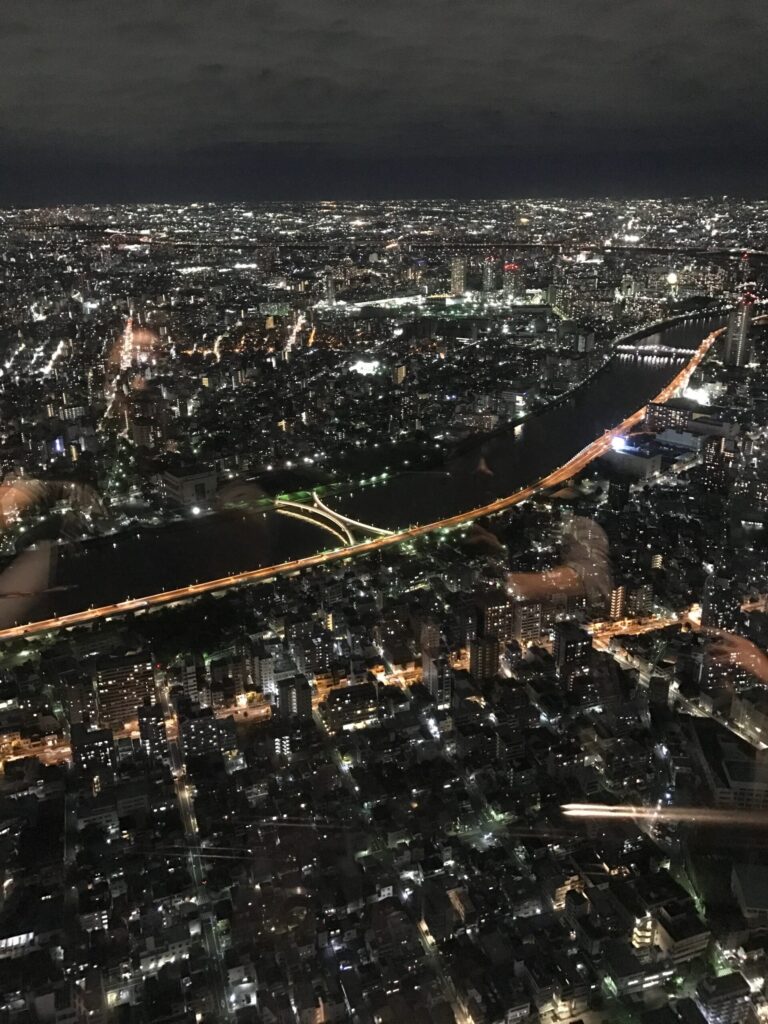
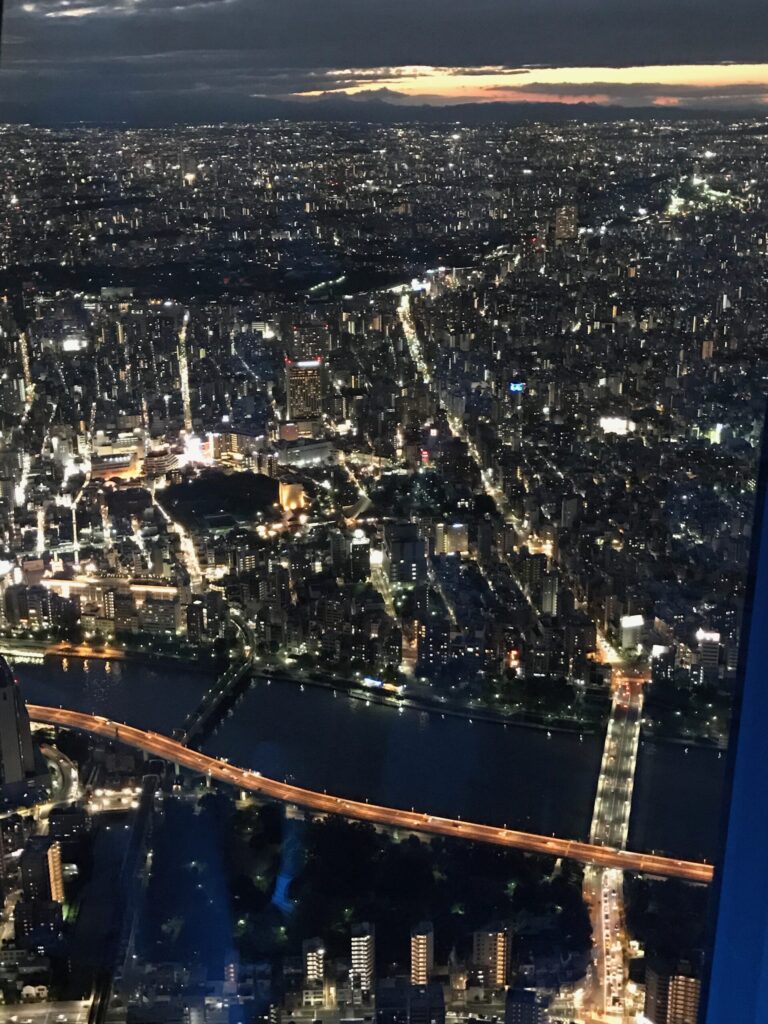
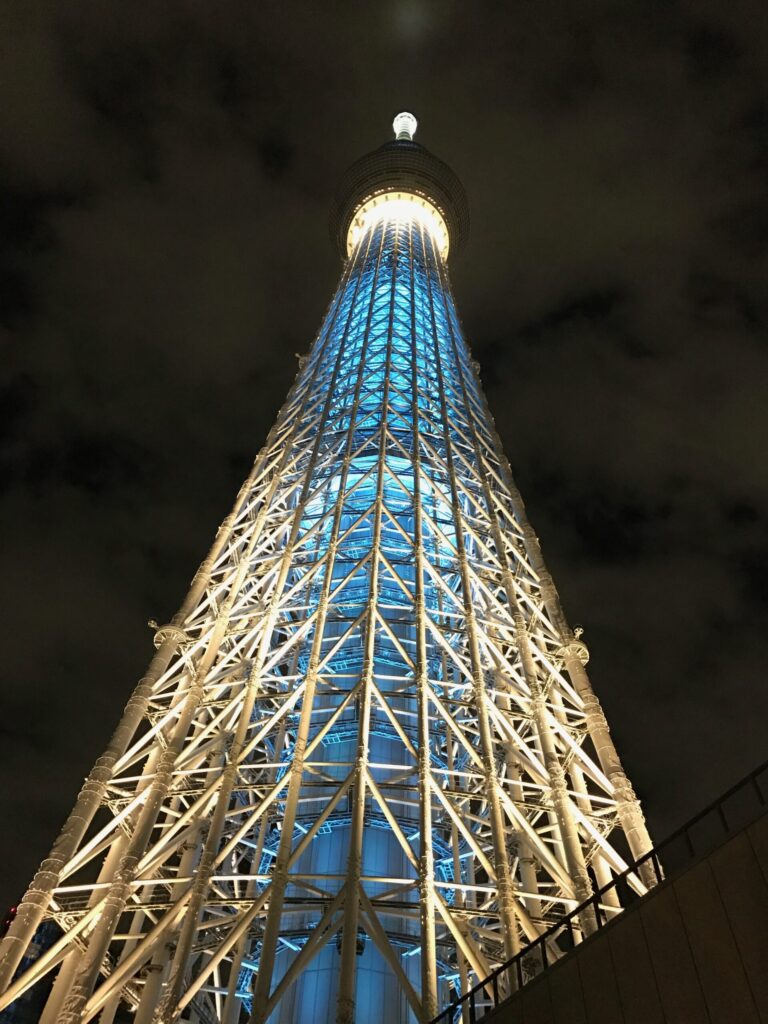
Across the river is the Tokyo Skytree, the world’s tallest tower at 634 meters. There are two observation decks, at 350m and 450m, and a small section of glass floor panels, where you can see all the way to the ground! At peak visibility, you can see up to 100km away, all the way to Mt Fuji.
Chiyoda, Ginza & Roppongi
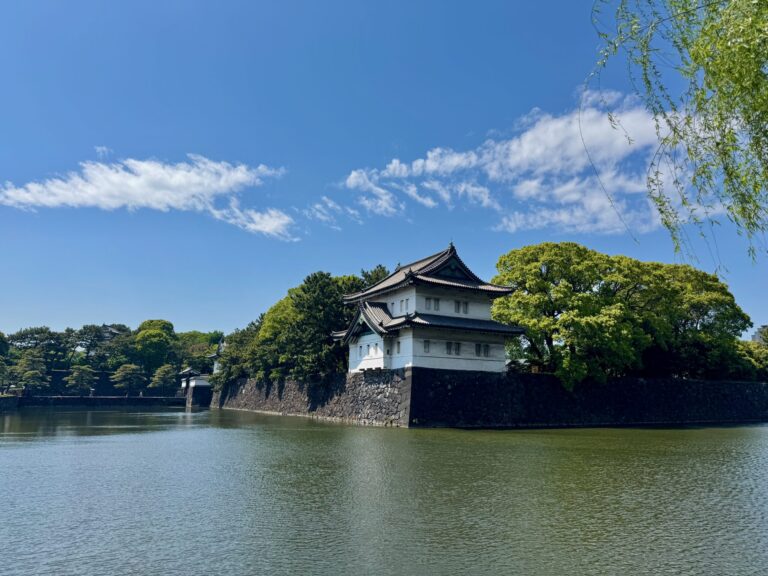
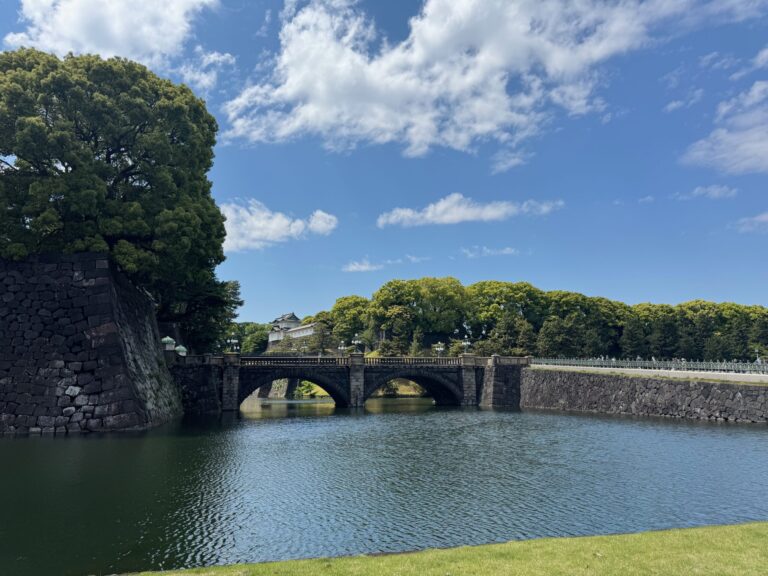
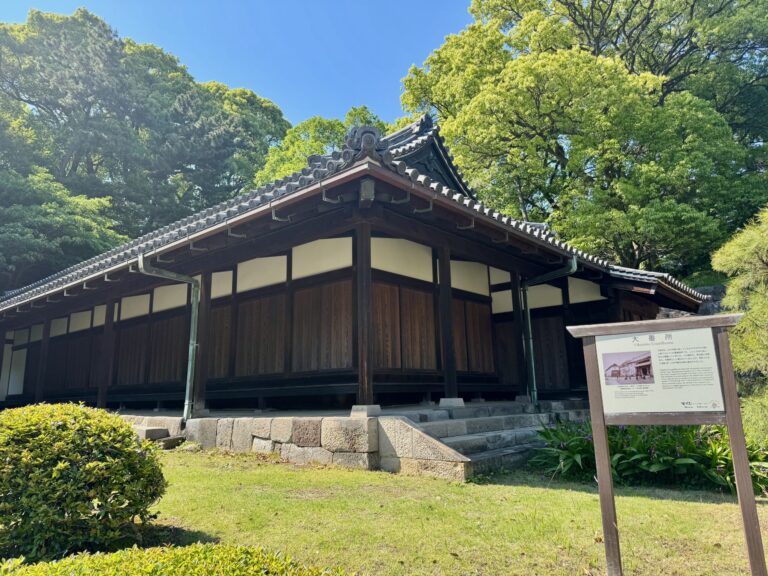
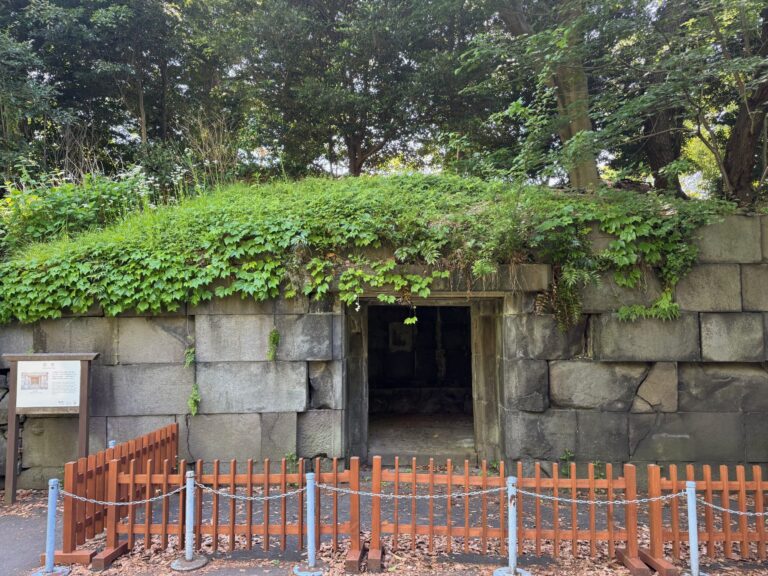
Start your day walking through the grounds of the Imperial Palace. The inner grounds are closed to the public (except for 2 times a year), but you can walk through the garden grounds. There is a guided tour, but I think there are other more worthwhile things to do.
On your way to Ginza, stop by Tokyo Ramen Street, located on B1 of Tokyo Station. It houses 8 of the best ramen shops in Tokyo.
Make your way to Ginza, which is about a 20 minute walk. Browse the legendary Itoya stationery flagship (8 floors of Japanese paper goods, pens, and gifts), the 12-story Uniqlo flagship store, and the gallery spaces inside Ginza Six. You can also watch a traditional kabuki drama (typically lasts about 4 hrs) at Kabuki-za. Another option is to watch an abridged noh drama at the dinner theater Suigan.
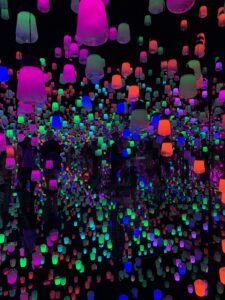
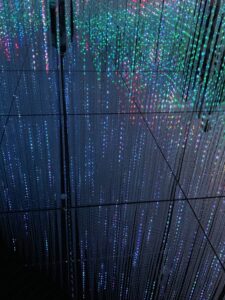
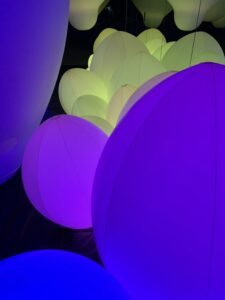
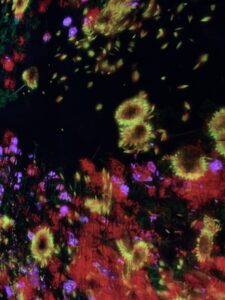
From Ginza Station, head to Kamiyachō Station. In the new Azabudai Hills complex is a hugely popular, immersive museum known for its colorful, futuristic digital art installations. Teamlab Borderless is located in the MORI Building Digital Art Museum. I would advise purchasing tickets in advance.
On the 33rd floor of the Mori JP Tower is the Azabudai Hills Sky Lobby. Enjoy a drink with an unforgettable view of Tokyo Tower. Built in 1958, and standing 333 meters tall, Tokyo Tower used to be the world’s tallest self-supporting steel tower, but that title now belongs to Skytree. It’s 9 meters taller than its model, the Eiffel Tower, and is beautifully lit up after the sun sets.
From Kamiyachō Station, take the Hibiya Line 5 minutes to Yurakucho Station. Yurakucho is a neighborhood that is a mix of old-fashioned relaxed dining and modern shopping. It’s best known for it’s lively restaurant district built up under the brick arches beneath the elevated train tracks. Yurakucho’s restaurant alleyways are a largely daytime secret, transforming into a buzzing warren of izakayas and yakitori grills only once the sun goes down.
If you’re interested in listening to live music, Bauhaus and Abbey Road are both quite popular.
Ueno & Akihabara
Today Ueno Park is famous for the many museums found on its grounds, especially the Tokyo National Museum, the National Museum for Western Art, the Tokyo Metropolitan Art Museum and the National Science Museum. It is also home to Ueno Zoo, Japan’s first zoological garden. Additionally, Ueno Park is one of Tokyo’s most popular and lively cherry blossom spots with more than 1000 cherry trees lining its central pathway. The cherry blossoms are usually in bloom during late March and early April. In October, the park’s gingko avenues begin their golden transformation.
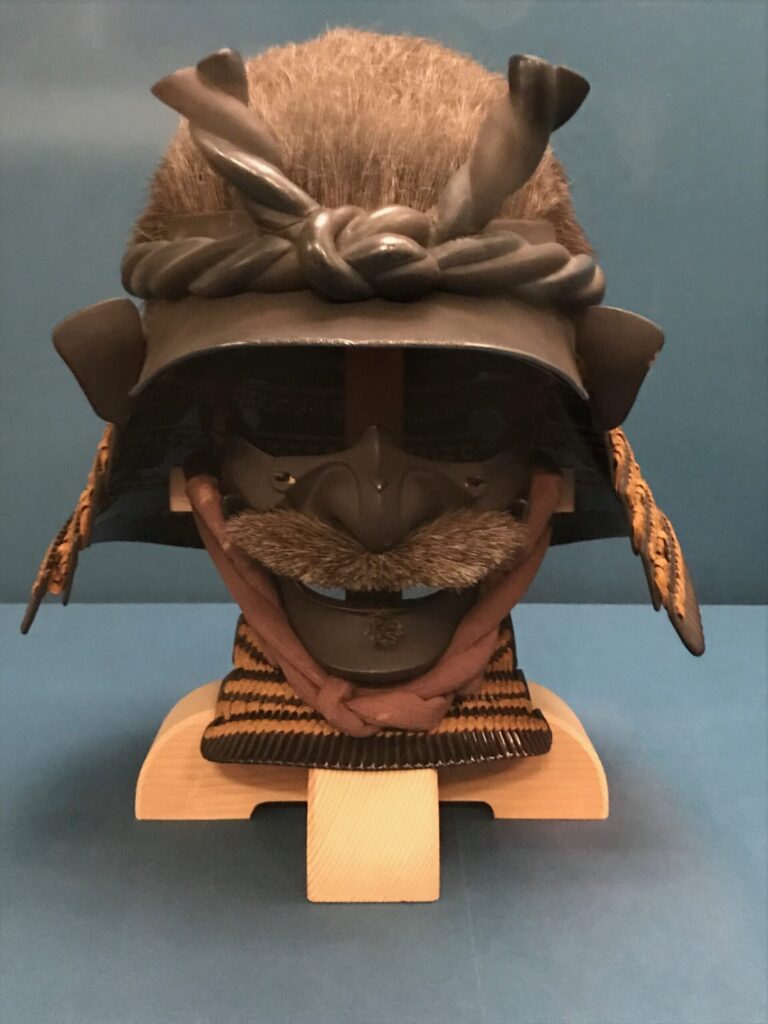
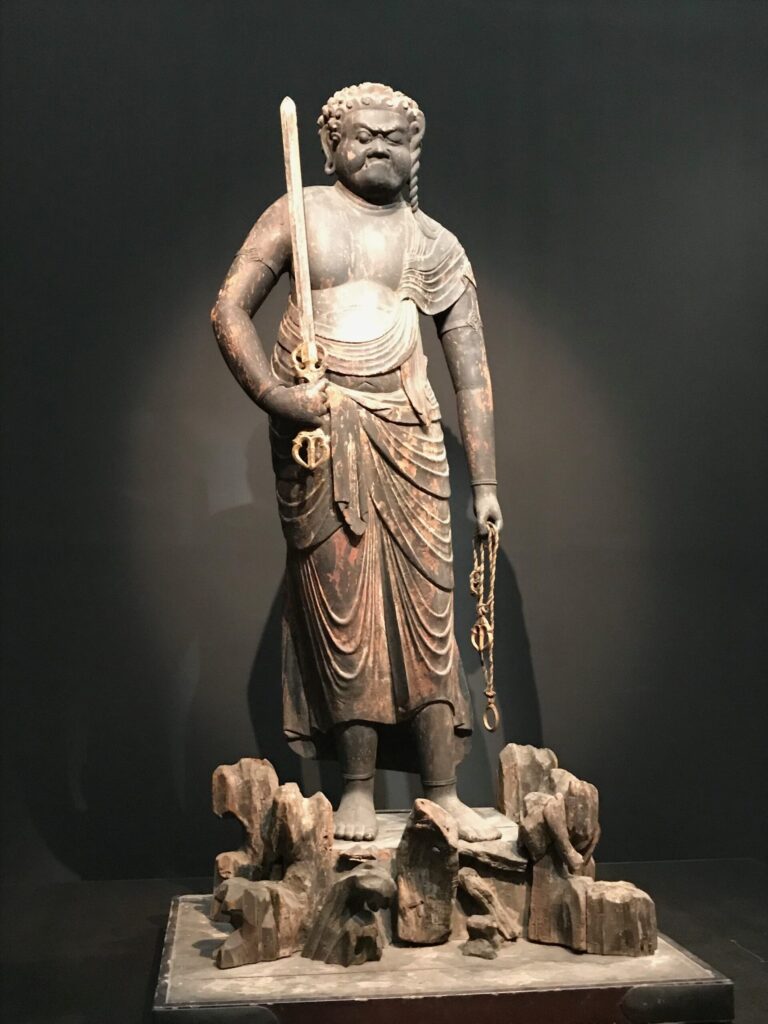
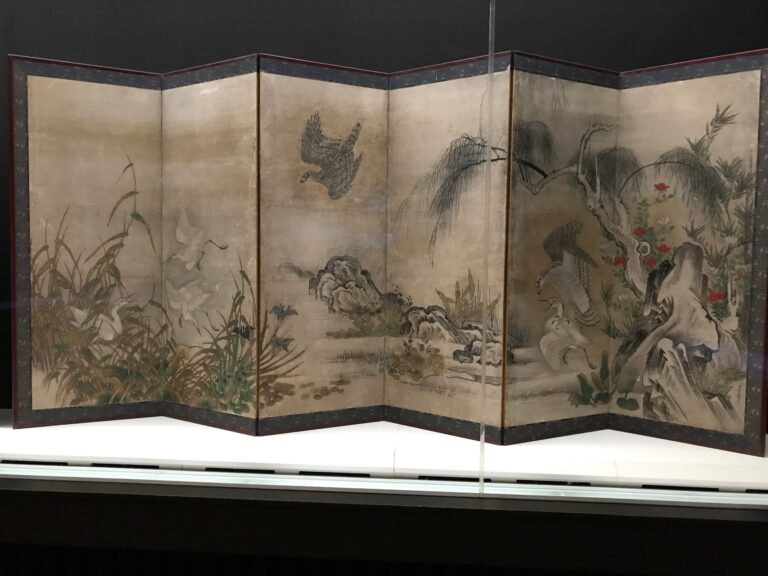
Tokyo National Museum is Japan’s oldest, largest, and most prestigious institution, home to exceptional collections spanning samurai armour, ancient ceramics, Buddhist sculpture, ukiyo-e woodblock prints, and elaborate kimonos. Allow 2–3 hours.
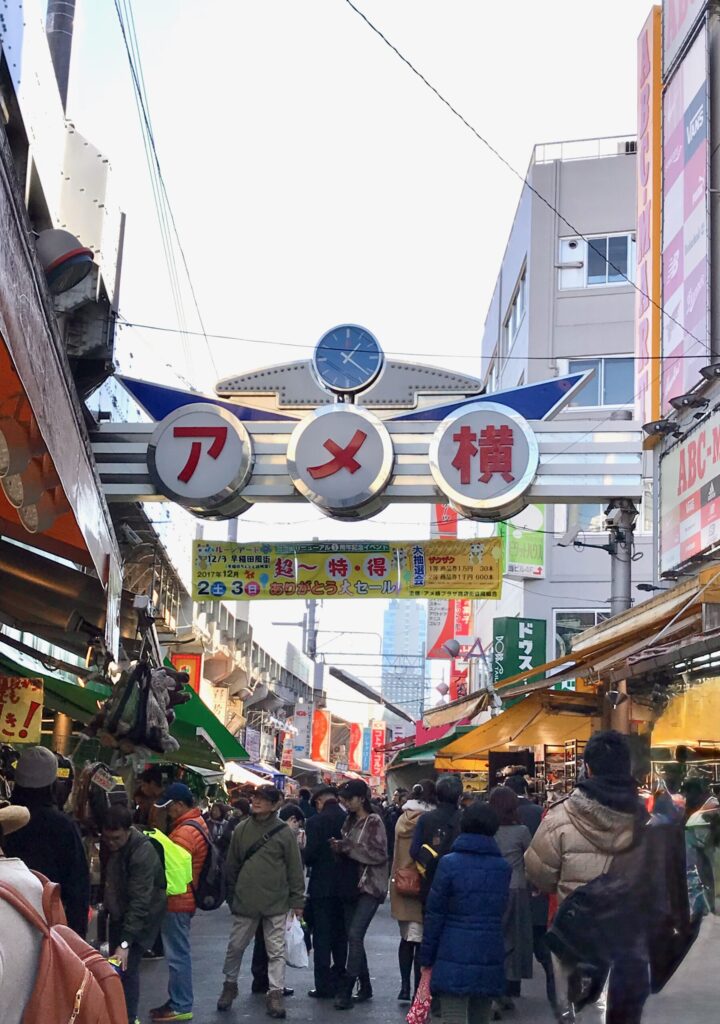
Next to Ueno Station is Ameyoko Market, a bustling open-air market with street food, fresh seafood, and bargain goods. It was born as a black market during the post-war period of material shortages and was developed into a legal shopping street in the 1950s.
Walk 15 minutes to Akihabara, Tokyo’s legendary electronics and anime district. Multi-storey electronics shops (Yodobashi Camera), anime/manga stores, and retro game arcades line the main street. It’s also characterized by unique subculture experiences such as maid cafes and cosplay shops.
Nakameguro & Daikanyama
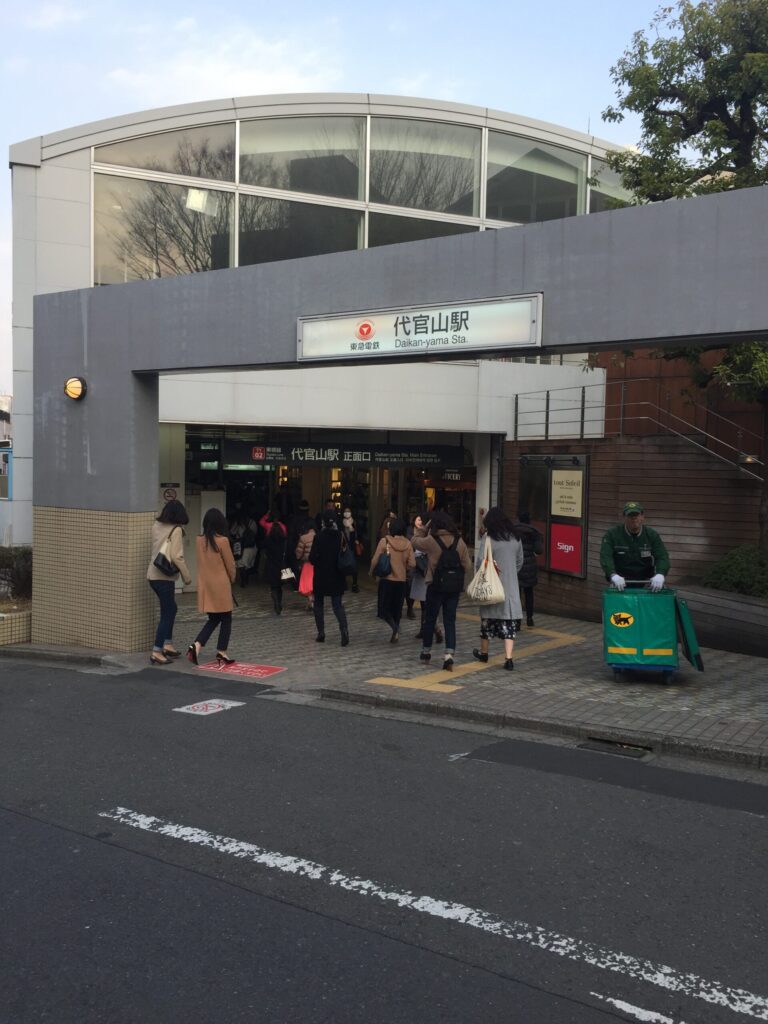
I lived in Daikanyama (on the border of Nakameguro) for 7 years, and absolutely loved it! It’s an understated neighborhood that’s both cosmopolitan and laid back at the same time, with a mix of trendy high-design and timeless tradition.
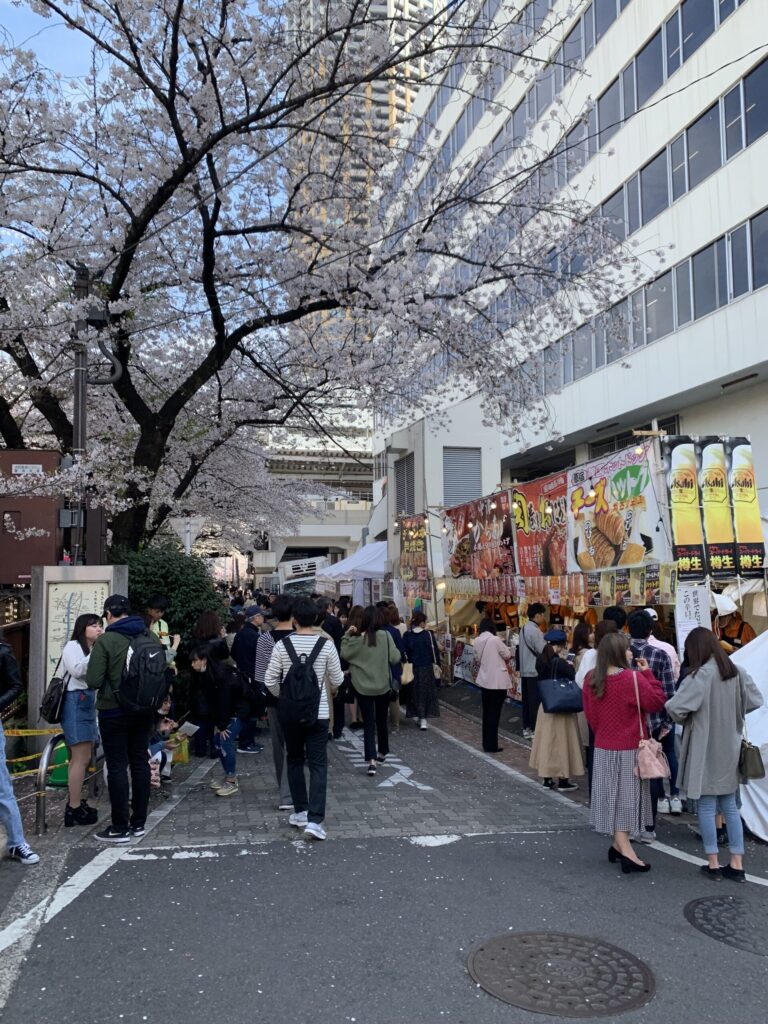
Nakameguro runs along the Meguro River canal, and is lined with independent coffee shops, small restaurants, and vintage and concept stores — each one narrow, personal, considered. It’s especially popular during cherry blossom season, where hundreds of cherry blossom trees flank the Meguro River paths. Pop-up food vendors set up stands during this time, and the entire area is festive and lively (albeit extremely crowded!). As you walk along the river, stop in at the world’s biggest Starbucks, the Starbucks Reserve Roastery. It’s a 4-floor coffeeshop, roastery, bakery, and bar, designed by famed architect Kengo Kuma. During Christmas time, the trees are wrapped with lights, creating a beautifully illuminated path. Close to the river is one of my favorite yakitori restaurants, KushiWakaMaru. It’s old-school — small, casual, always packed, serves a good assortment of skewers ranging from chicken thighs to mochi wrapped in bacon. Save room for sake chazuke (broth poured over cooked rice and grilled salmon). They do take a limited number of reservations, but you can also just sign in on the list hanging by the door (expect a long wait).
Across Yamate Dōri (toward Nakameguro Station) is Nakameguro Koukashita, the stretch beneath the elevated train tracks that’s packed with restaurants, cafés and shops. Explore the narrow side streets just off the main roads and you’ll find some of the more tucked-away spots — small galleries, independent boutiques and interesting places to eat. For example, Seirinkan, is well known for it’s Neapolitan pies. Chef Susumu Kakinuma has dedicated more than 20 years of his life perfecting his pizza (they only serve two types: margherita and marinara). He learned the art of pizza-making in Naples before launching the original Savoy, which he closed before opening Seirinkan in 2007. The steampunk decor of the restaurant is also interesting, with a spiral staircase made of pipes and battered metal, scarlet curtains and dark wood floorboards, offsetting an industrial-looking kitchen whose recessed oven more closely resembles an incinerator. I know people don’t go to Tokyo for pizza, but if you’re in the mood for something different, it’s worth a visit.
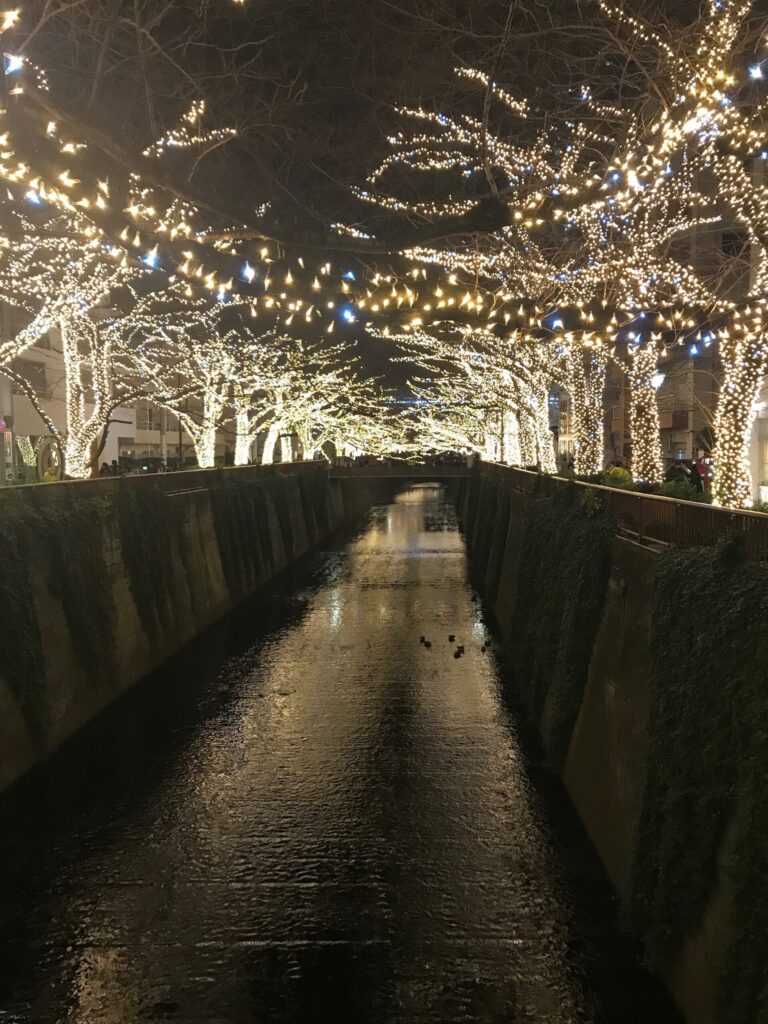
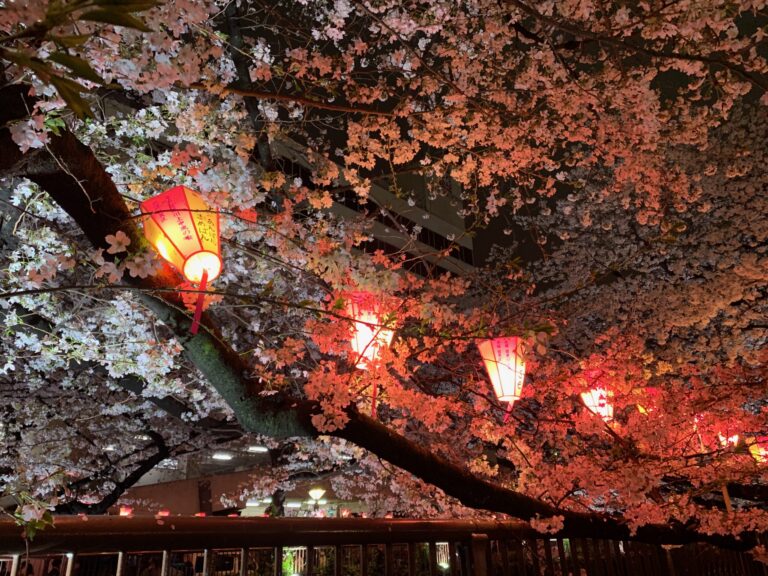
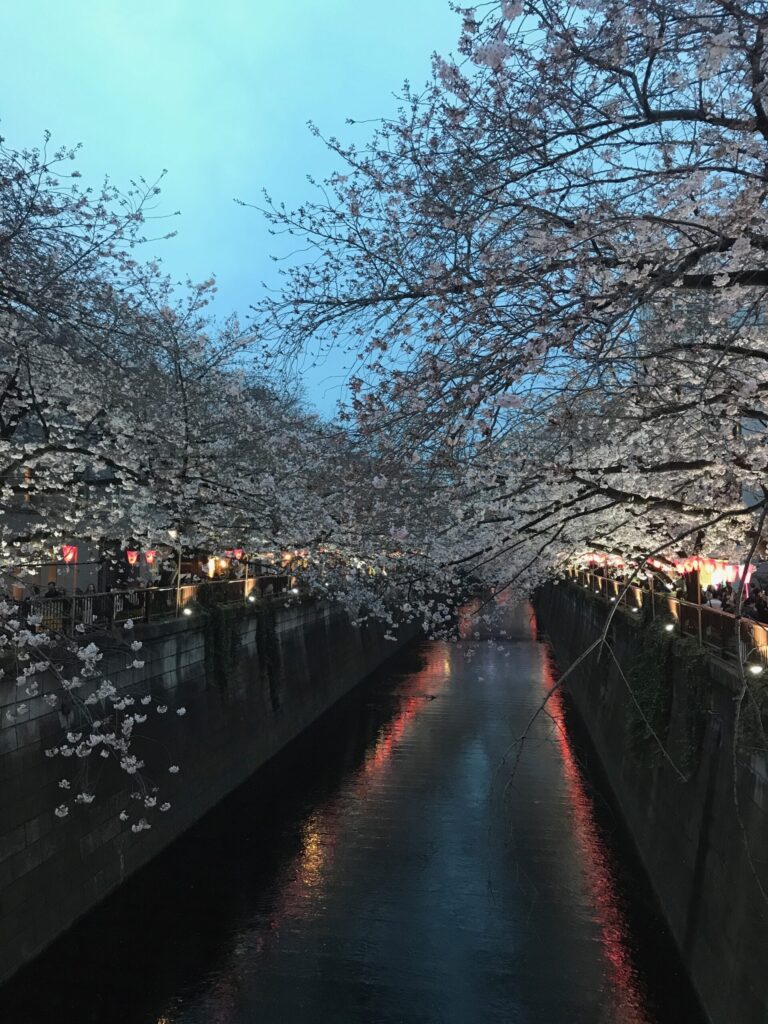
Adjacent to Nakameguro is the upscale neighborhood of Daikanyama. It’s a neighborhood with a mix of residential and commercial buildings that are mostly low-rise. Street wear and fashion brands make up the majority of the local shops, while independent cafes and restaurants provide an ample range of dining options.
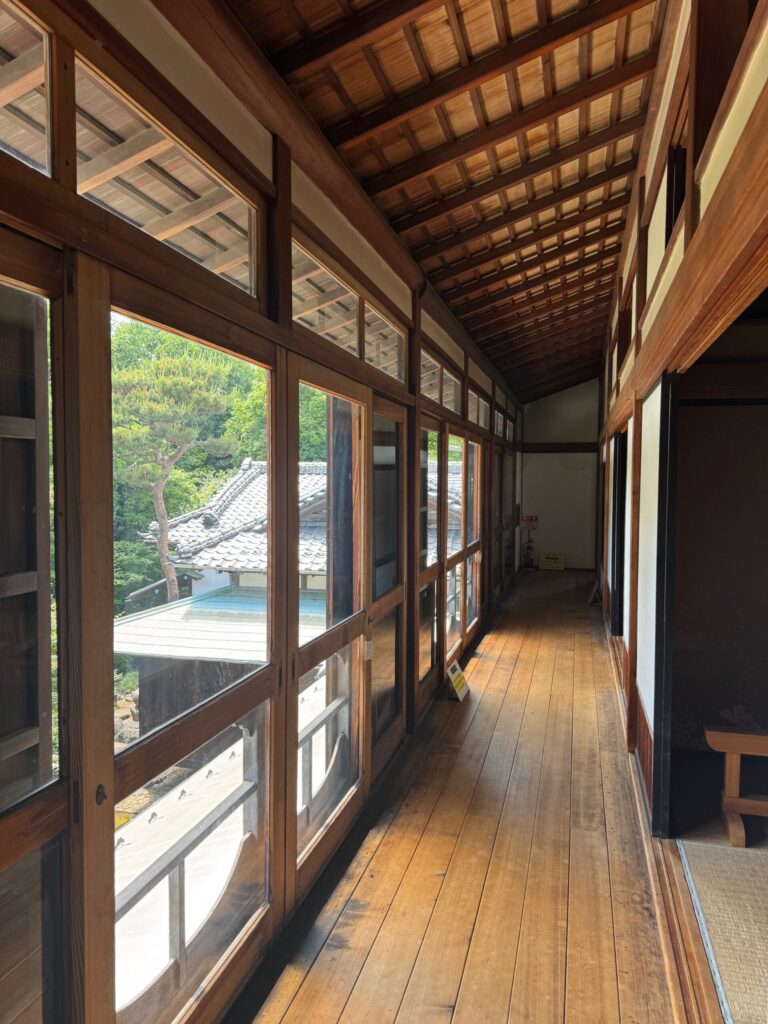
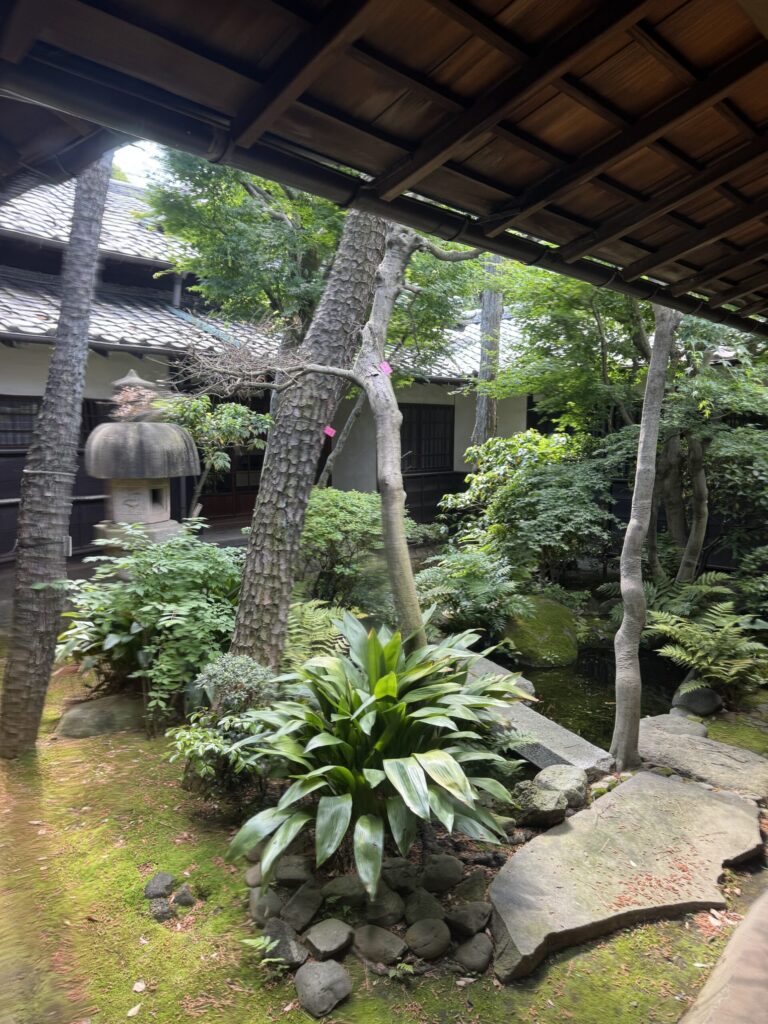
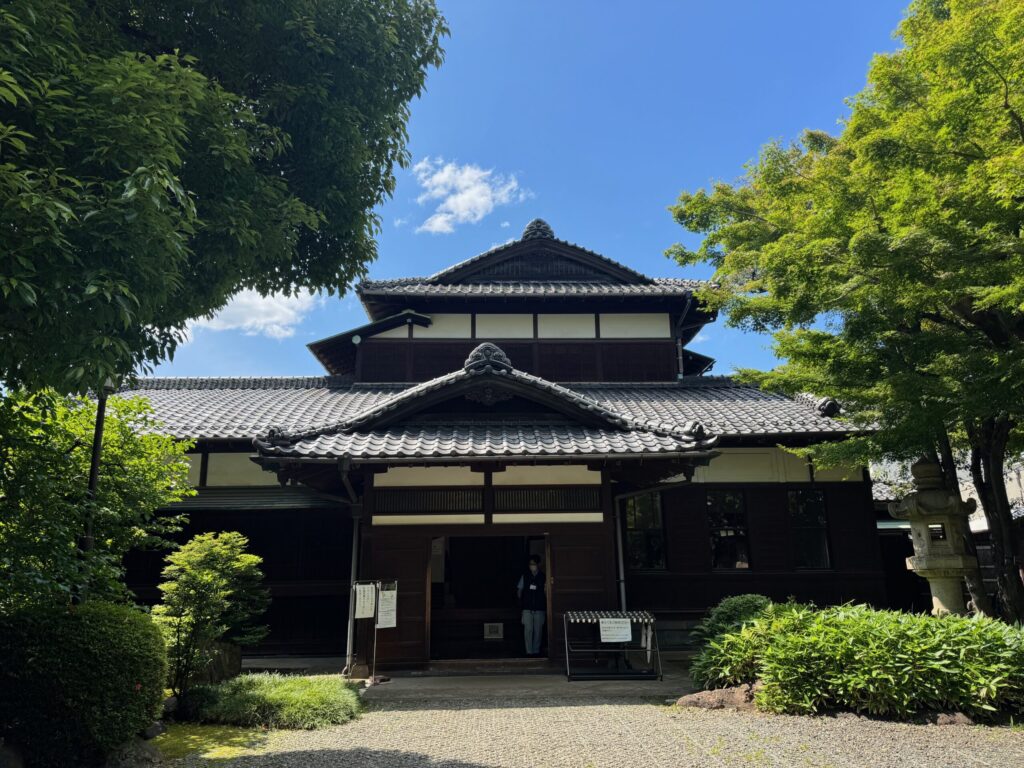
An unexpected historical landmark sits at the edge of Daikanyama — Kyu Asakura House. Built in 1919 during the Taisho era, it survived the Great Kanto Earthquake and Second World War air raids and has been recognized as an Important Cultural Property. It was the former residence of local politician Torajiro Asakura. For ¥100, you can visit the beautifully maintained house and garden.
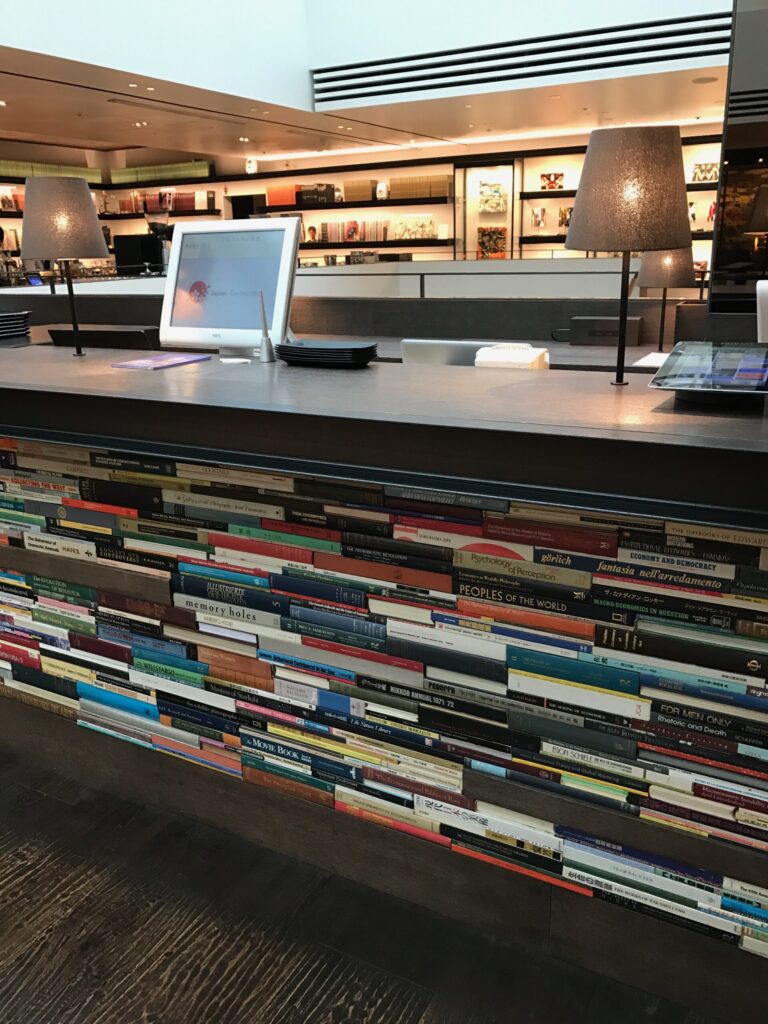
Nexxt, wander in the 46, 285-square-foot award-winning Daikanyama T-Site – three interlinked buildings adorned with lattices of interlocking Ts (for Tsutaya) – designed by celebrated local architects Klein Dytham. It’s considered one of the most beautiful and best bookstores in the world. In addition to books and magazines, there’s a music store, restaurant (Anjin), movie boutique, stationary store, and a Starbucks. In the same complex you’ll find Ivy Place, a popular place for brunch (especially among expats).
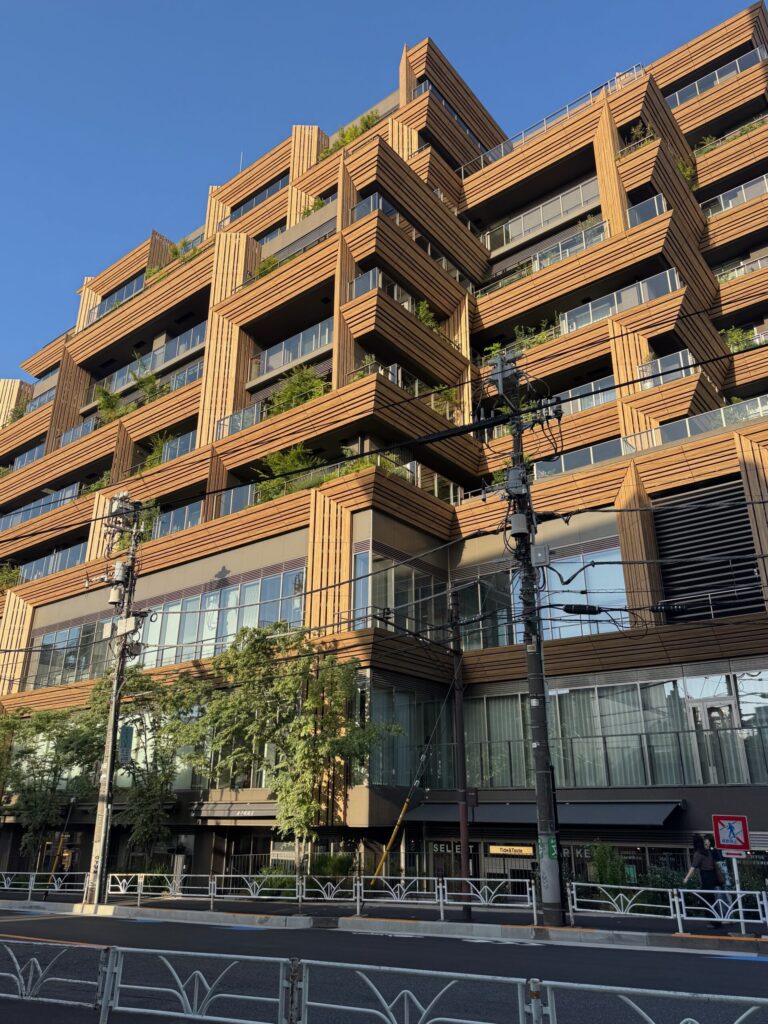
Another popular complex, which opened in 2023, is Forestgate Daikanyama. It was designed by Kengo Kuma (he also designed the Starbucks Reserve Roastery) to mimic wooden boxes stacked into a tall tower, complete with a facade of timber slats strategically lined to optimise airflow. The landscaping reinforces the ecological focus with trees planted on balconies and a rooftop garden with over 400 plant species. There’s a coffee shop, chocolatier, bakery, flower shop, and select retail shops.
Besides these two larger complexes, Daikanyama is filled with small unique stores. Meander through the winding streets and you’ll see ceramic shops, boutique clothing shops, a store that sells only caramel, bakeries/pâtisseries, galleries, sweet potato tempura soft serve, and other unique experiences. You’ll also want to peruse the Japanese denim shops nearby. Japanese denim is world renowned, known for their meticulous, artisanal production, utilizing traditional methods like slow, narrow shuttle looms and intense rope-dyeing. There are a few stores in the area you’ll want to check out like Evisu, UES Daikanyama, Okura, Okayama Denim, Denham, Kapital, and Hollywood Ranch Market.
Shinjuku
Shinjuku is an area known for a lot of things — it’s a transit hub, shopping and entertainment mecca, and the location of one of Tokyo’s most beautiful parks.
During the day, do some shopping, relax in the park, go to the Samuri Museum, or the Ninja Trick House (interactive museum). Shinjuku Gyoen National Garden, on the south side of the station, is one of the largest parks in Tokyo and one of the city’s best cherry blossom viewing spots.
West of the station (nish-Shinjuku) is the Metropolitan Government Building, where you can access a free observation deck. Huge, free projection mapping shows are held on the towers every 30 minutes in the evenings. Get a drink at the Park Hyatt Hotel, where the movie Lost in Translation was filmed.
Once the sun goes down, get a bite to eat in Omoide Yokocho (memory lane), aka Piss Alley. It’s a small network of narrow alleyways along the tracks northwest of Shinjuku Station, filled with dozens of tiny eateries serving ramen, soba, sushi, yakitori and kushiyaki. Alternatively, go to “Ramen gekisenku” (battleground), an area to the north of the station with a high concentration of ramen stands.
Northeast of the station lies Kabukicho, Japan’s largest red light district, with countless restaurants, bars, nightclubs, pachinko parlors, and love hotels. Within Kabukicho is Golden Gai, an enclave of some 200 bars in old wooden buildings. Most places are very small, seating only a few customers. Bring cash!
Yokohama
There’s not a whole lot to do in Yokohama, but the Cup Noodle Museum, Ramen Museum, and Chinatown are fun to visit if time allows.
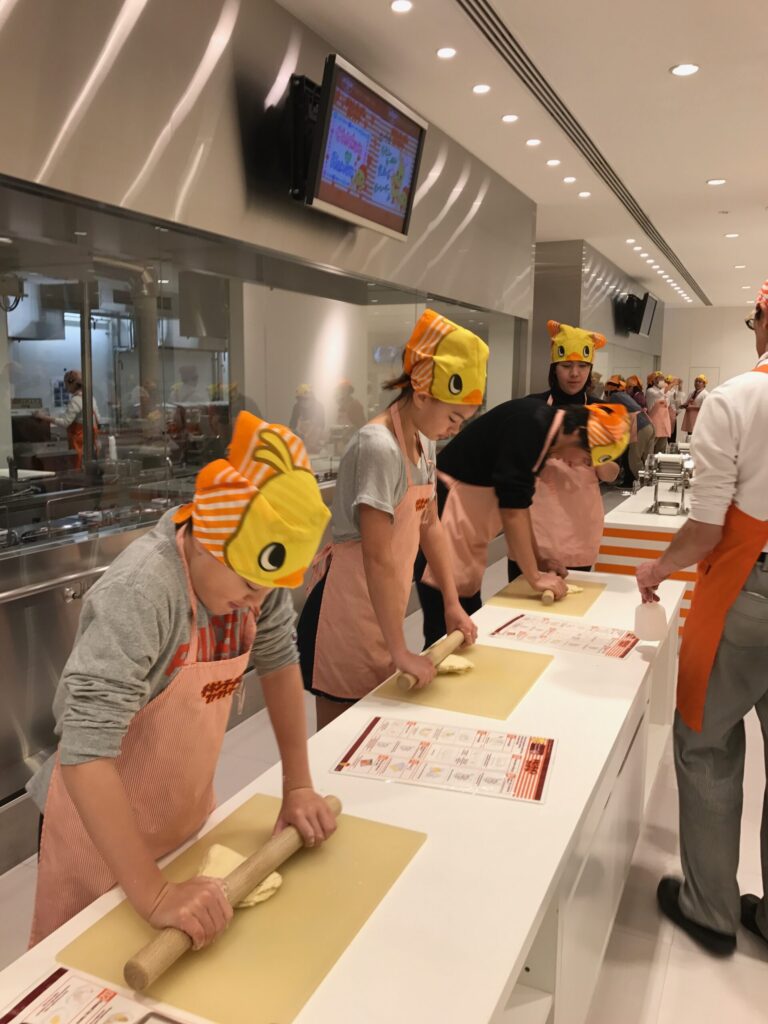
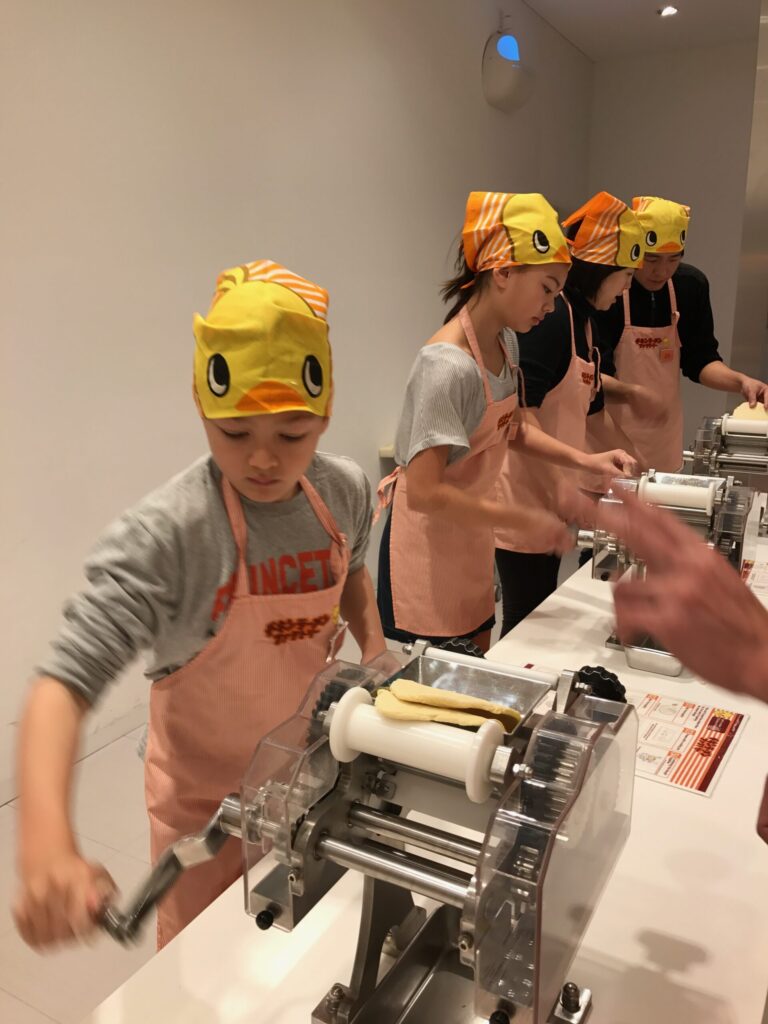
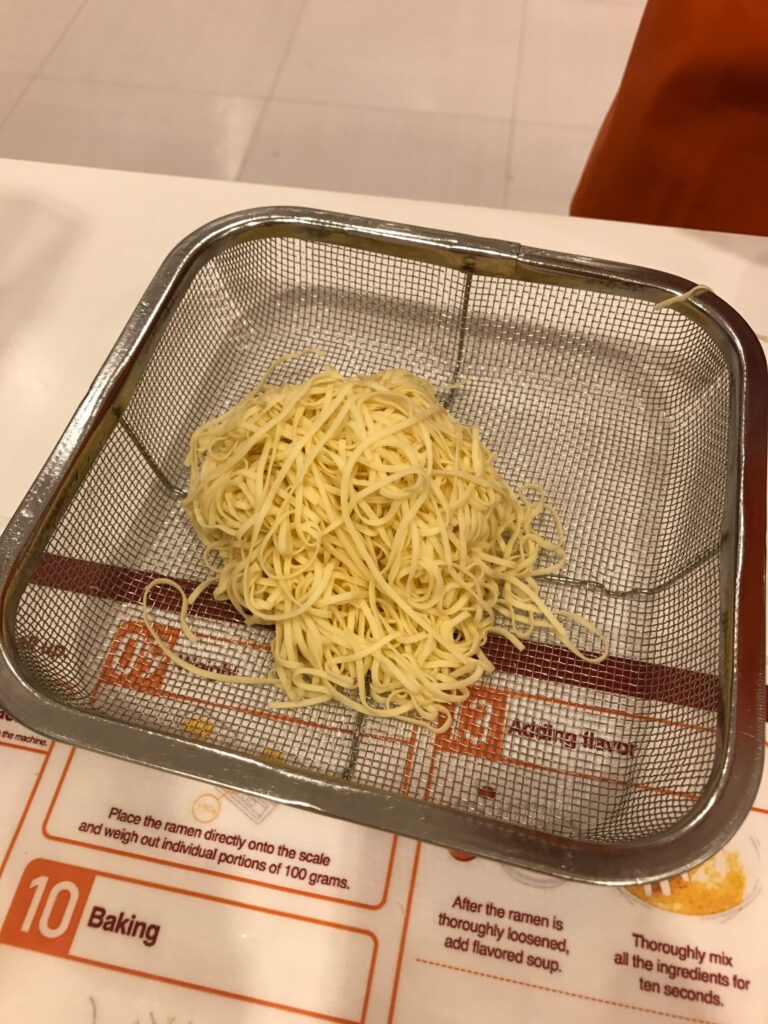
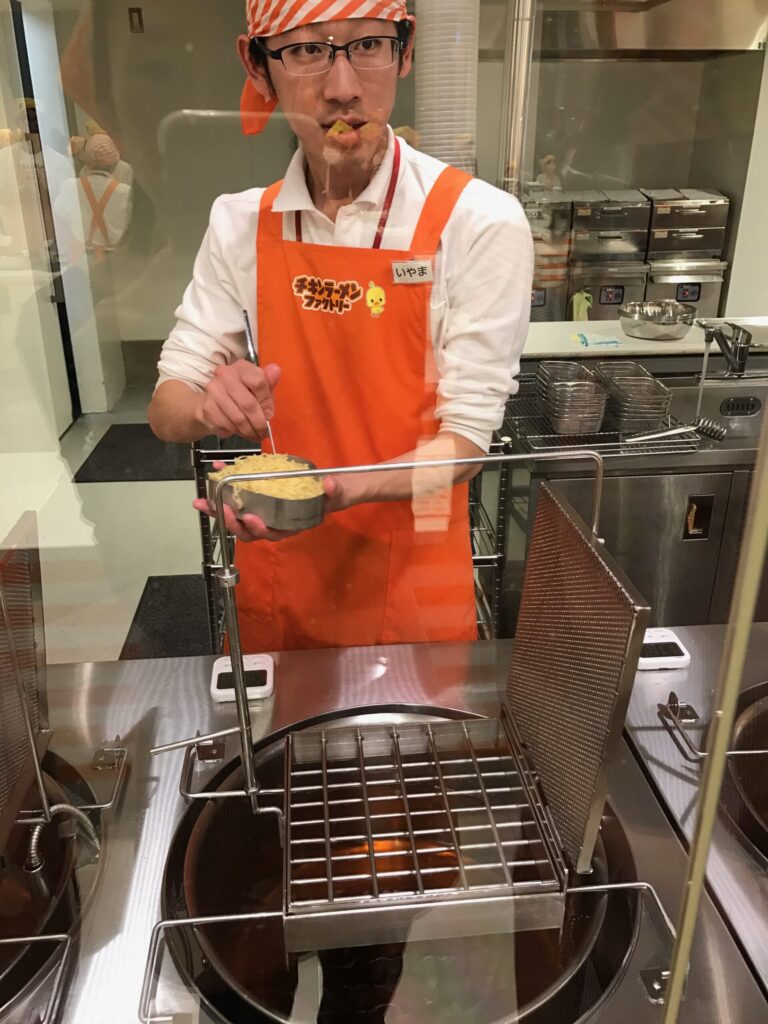
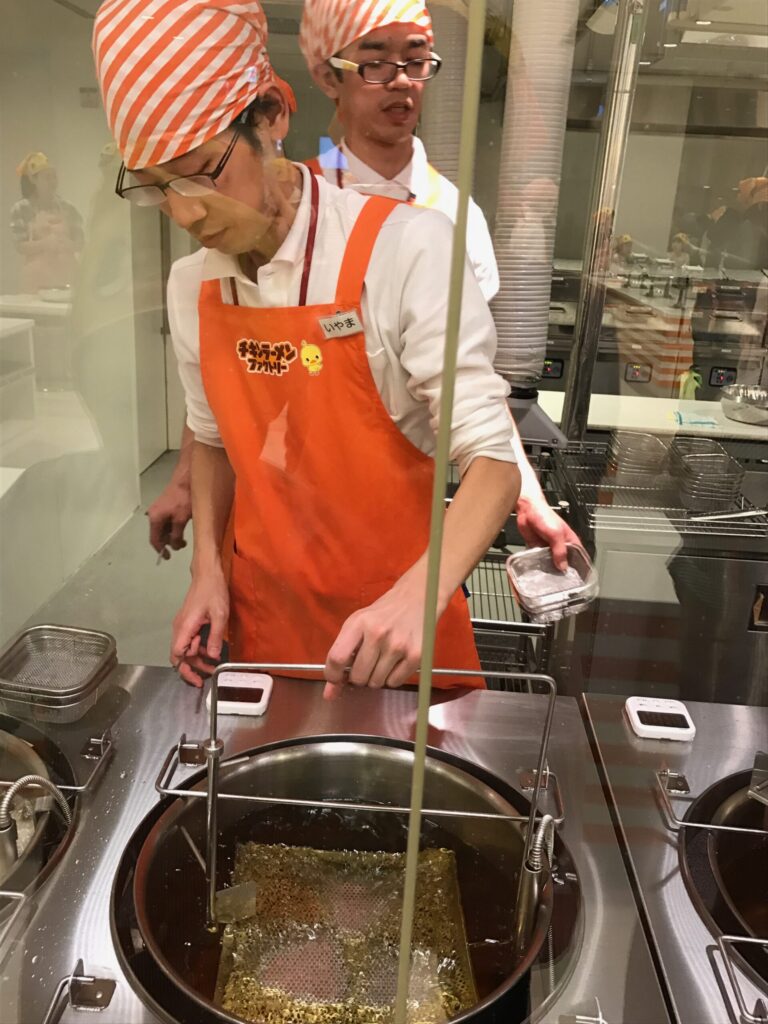
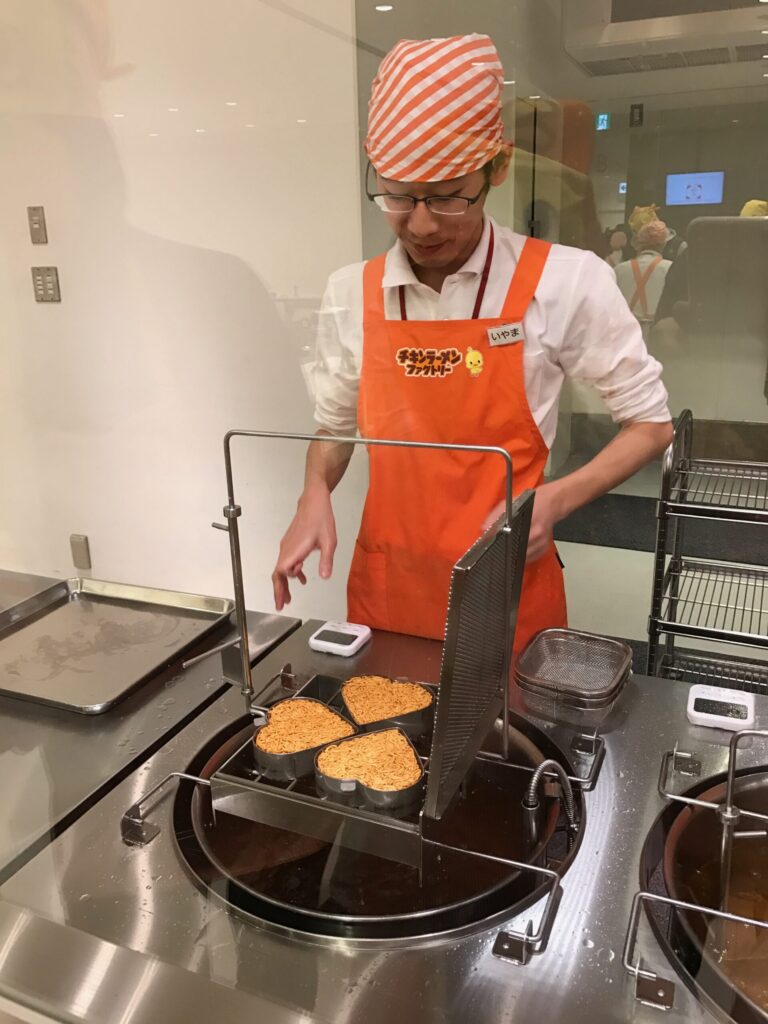
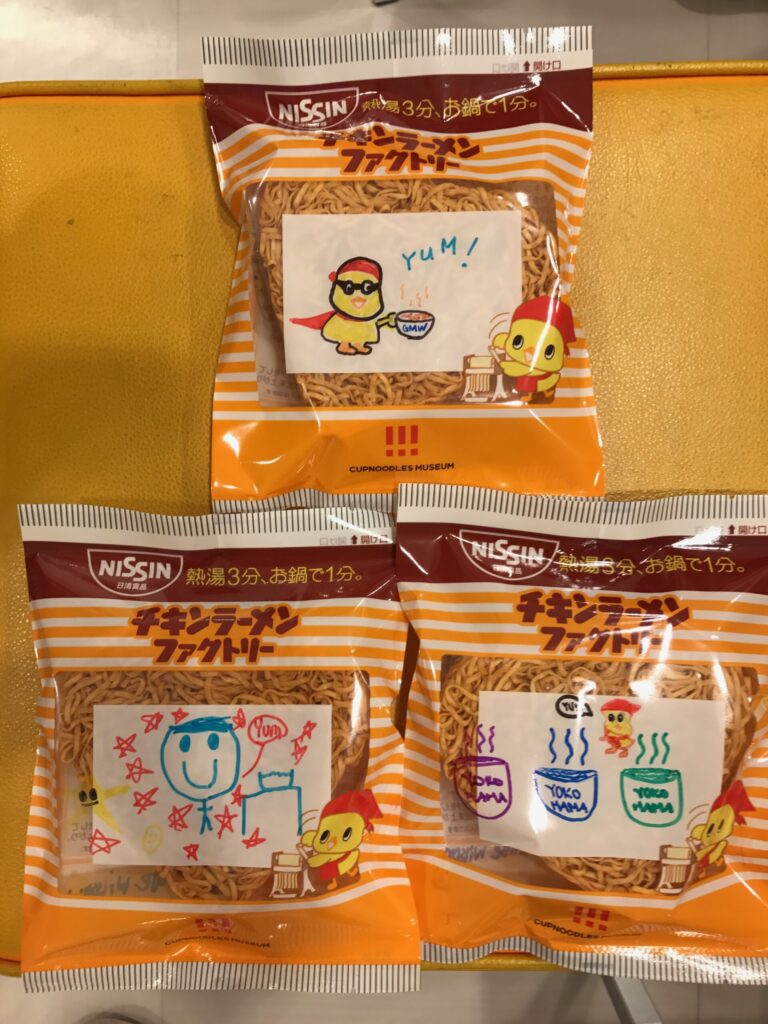
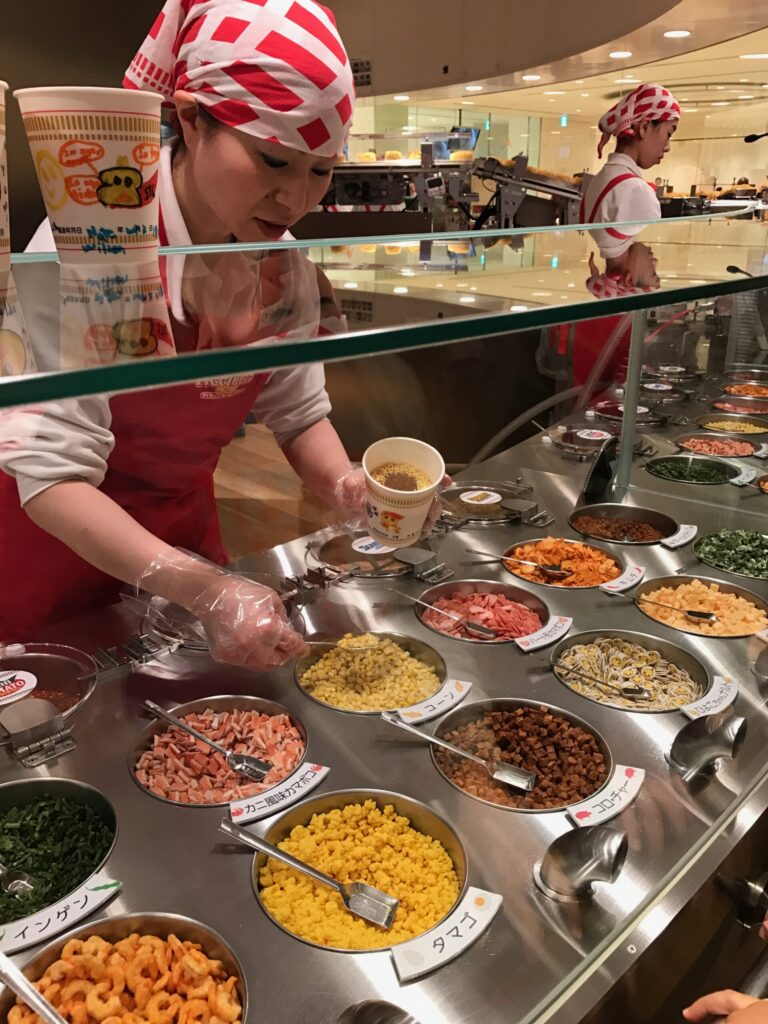
At the Cup Noodle Museum, you can make your own packaged ramen and cup noodle, making the noodles from scratch and designing the packaging. It’s a fun time! If you get hungry, there’s a noodle bazaar featuring eight varieties of noodles that Momofuku Ando encountered during his travels in search of the origins of noodles.
Shin-Yokohama Raumen Museum has been designed to recreate a Tokyo street in the 1950s, when instant noodles were invented and a culinary transformation began in Japan. There are eight main restaurants in the museum at the moment, and they each serve a different type of ramen.
Yokohama Chinatown is Japan’s largest Chinatown. You can eat, shop, and visit the Kanteibyo temple.
Tokyo Disneyland & DisneySea
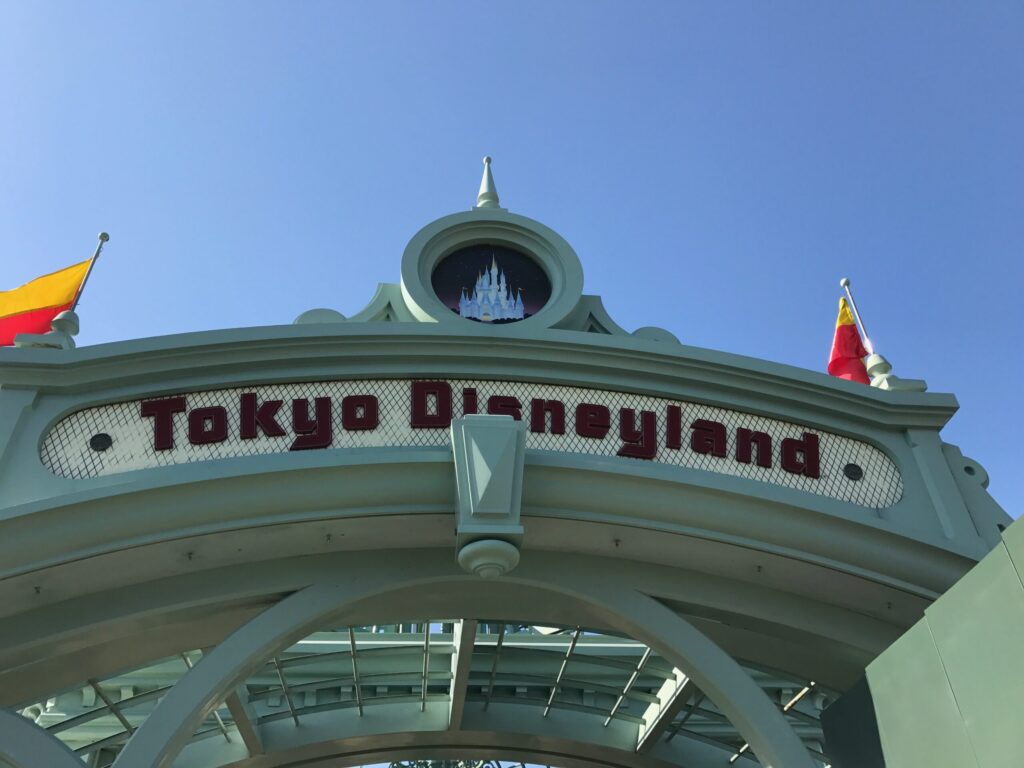
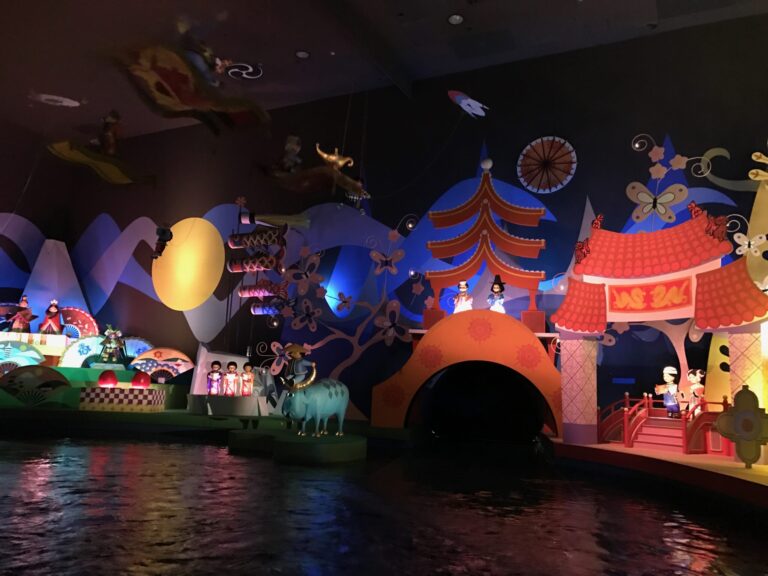
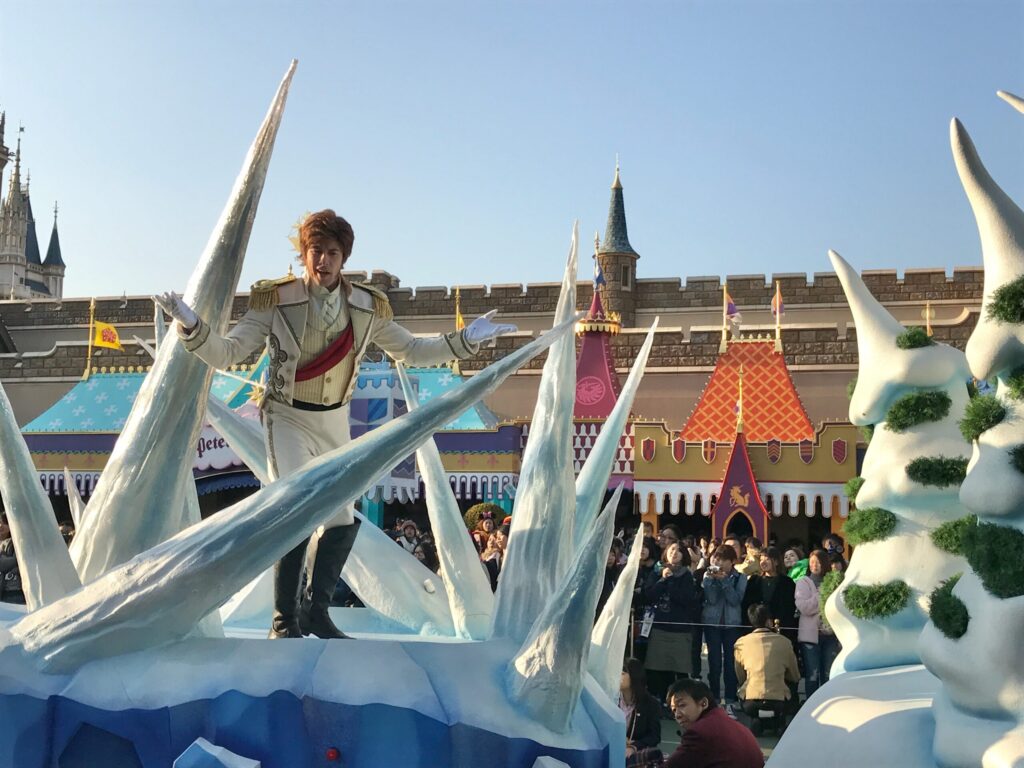
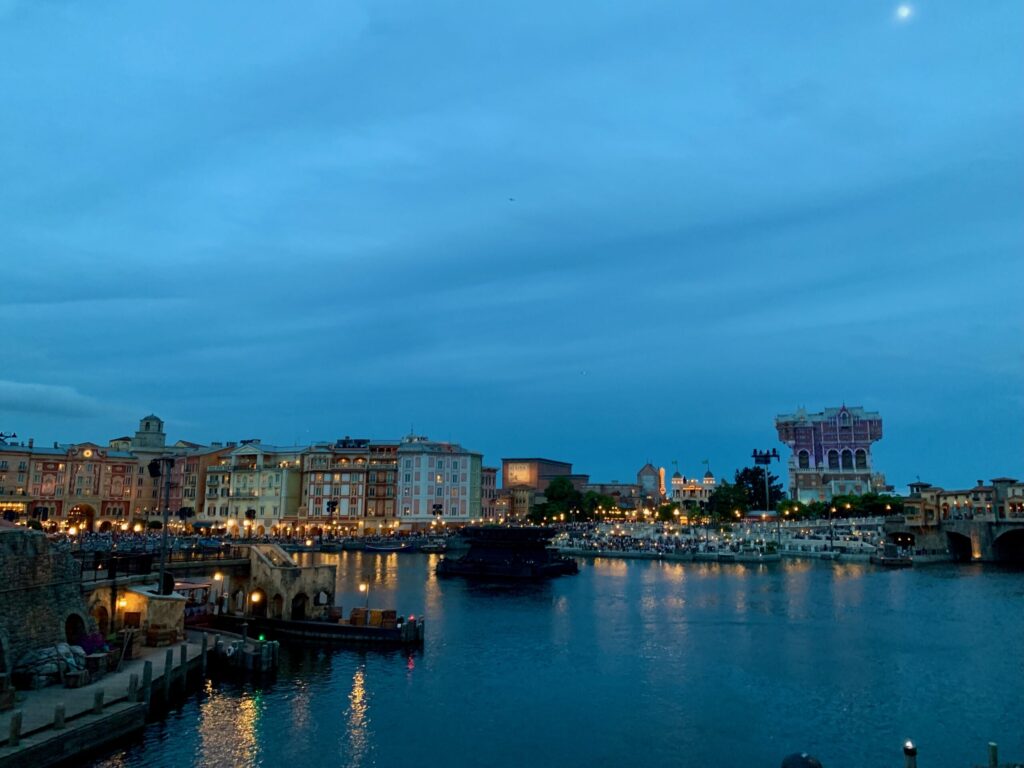
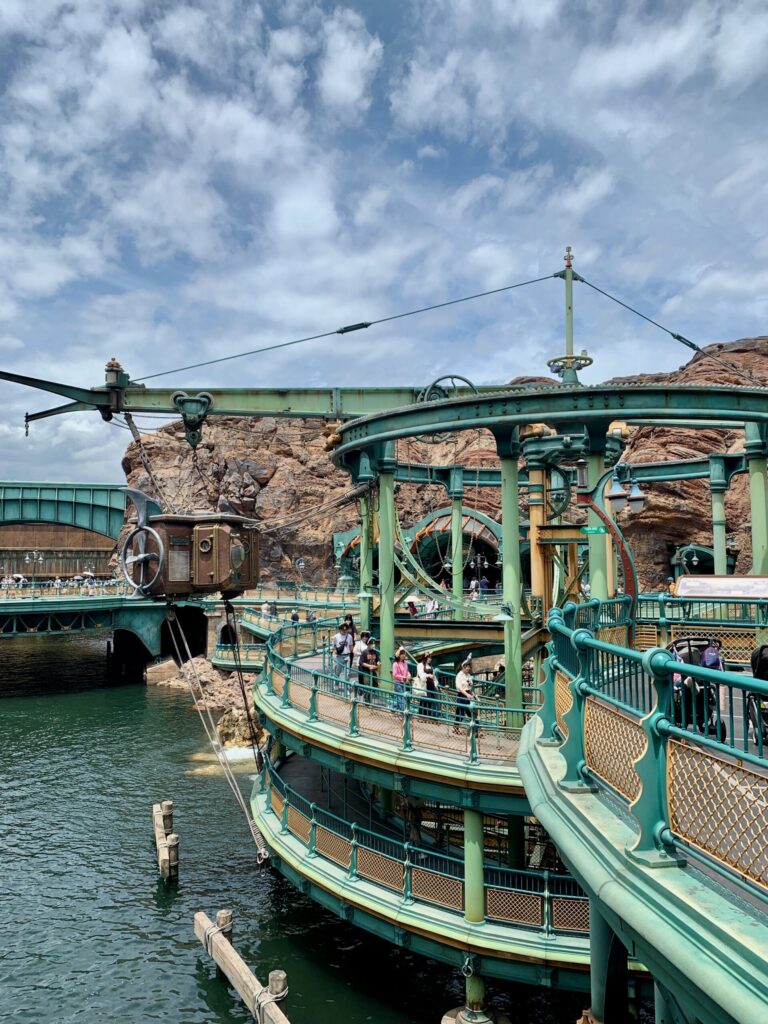
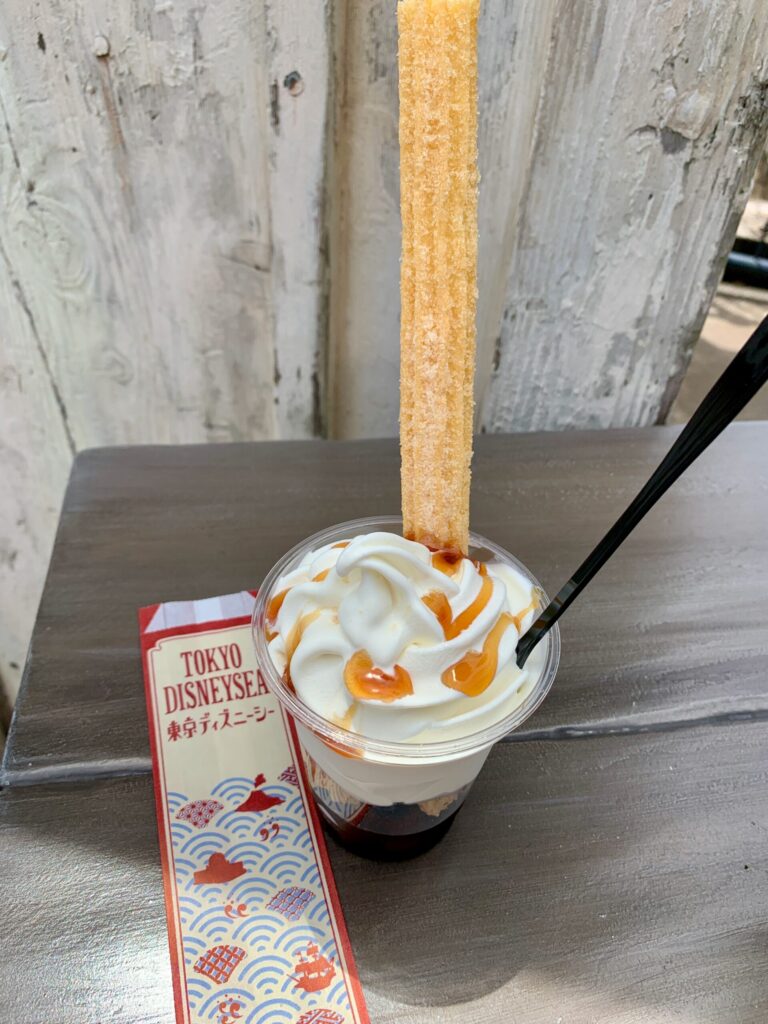
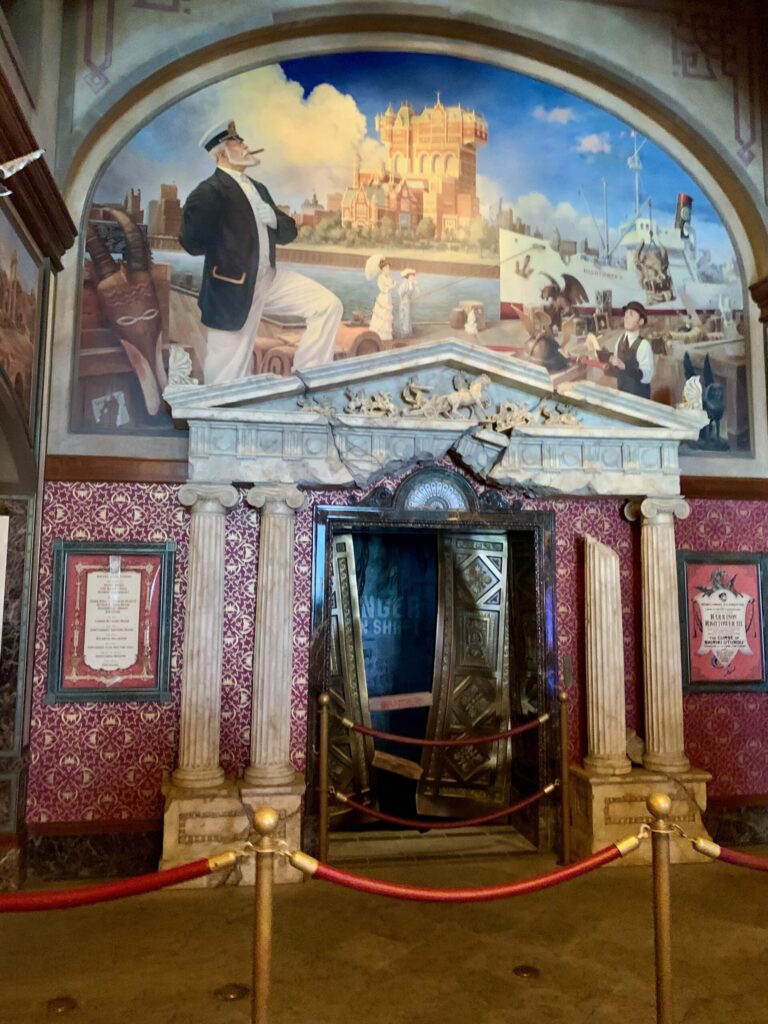
Tokyo Disneyland and DisneySea are worth going to if you are a Disney fan or have kids that are. The rides at Tokyo Disneyland are not too different from the ones in California, but it’s definitely unique in it’s own right. For example, we noticed that groups of friends all dressed in matching Disney costumes (or accessories) when visiting the park. Also, the food was uniquely Japanese, like soy sauce & butter popcorn, melon flavored churros, gyoza dog, little green dumplings (alien mochi balls), etc.
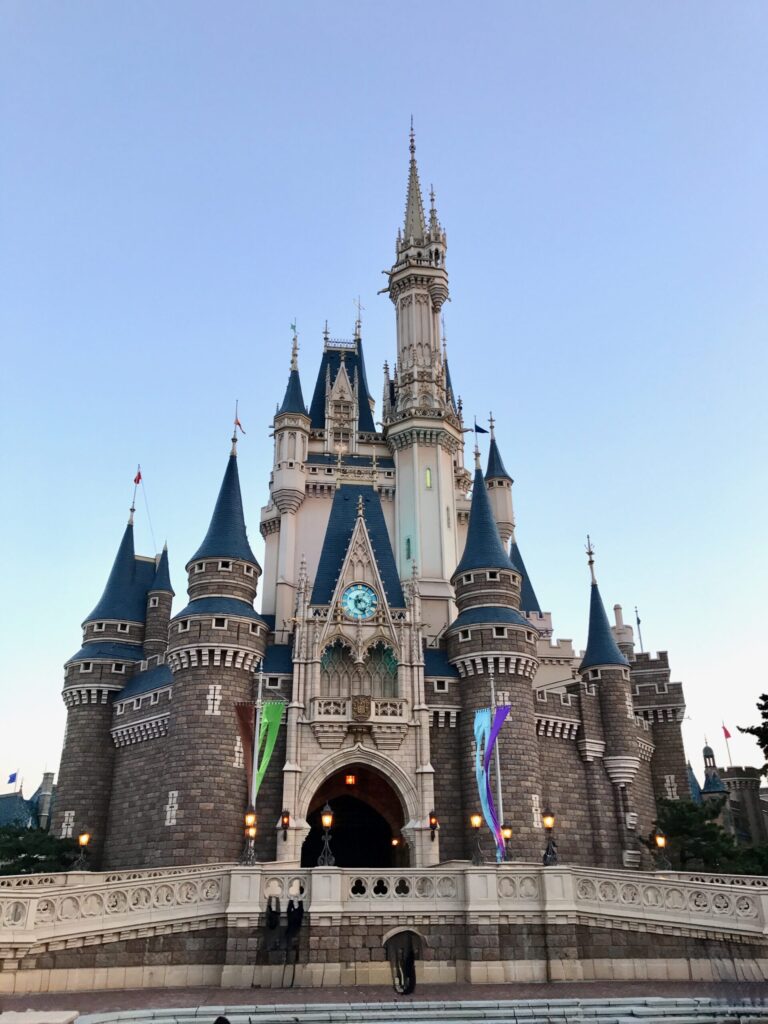
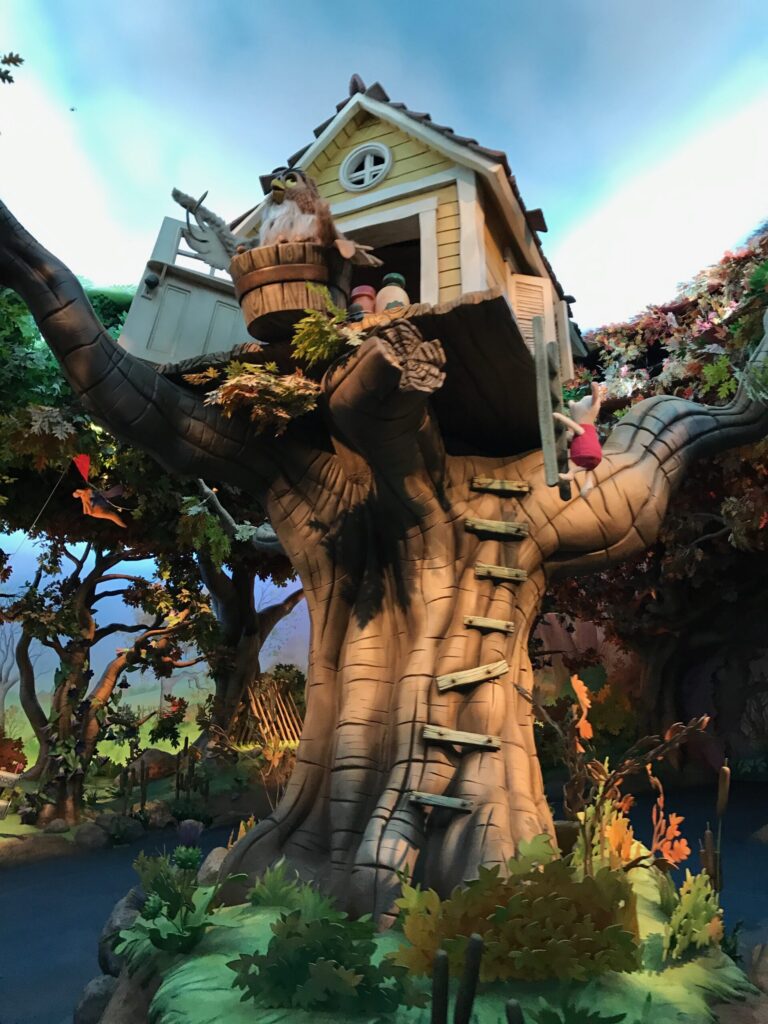
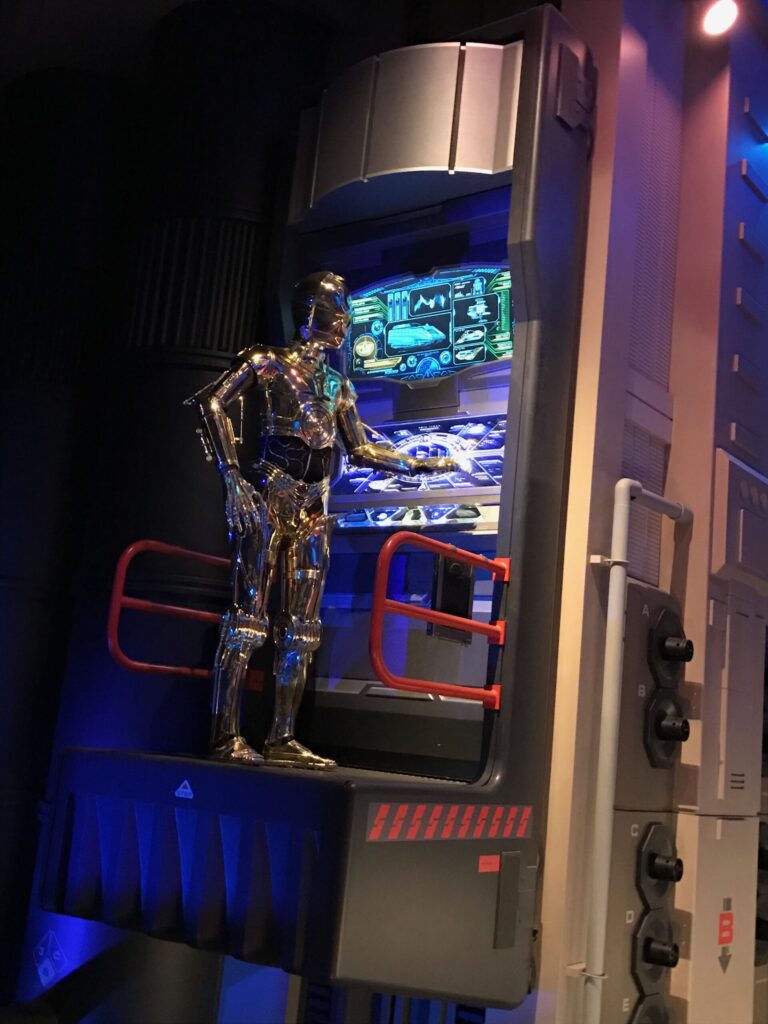
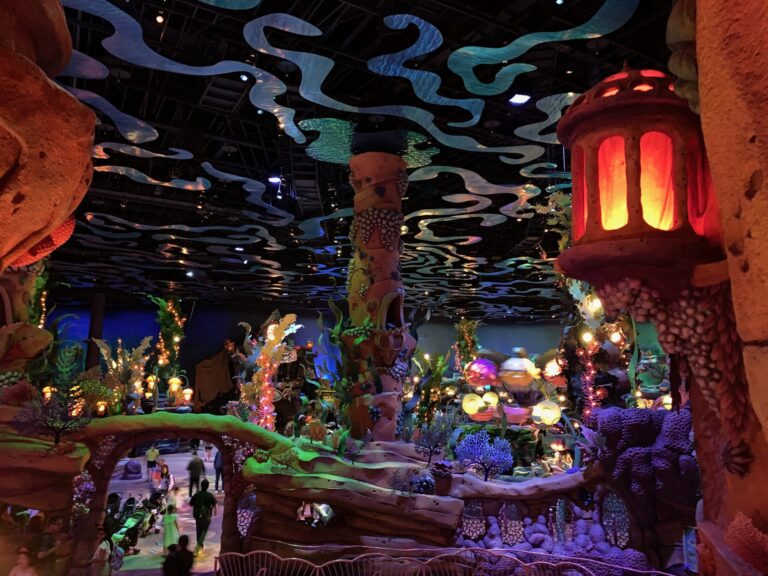
Tokyo DisneySea is the only Disney park in the world themed to the myths and legends of the sea. It’s also been considered by many as the best Disney park. It’s made up of eight themed ports of call, and is geared a bit more toward older kids or adults.
Ryogoku / Sumida
Sumo is a Japanese style of wrestling and Japan’s national sport. If you want to watch a sumo tournament in Tokyo, it’s best to go to Ryogoku Kokugikan, the main stadium, which hosts three major 15-day tournaments annually in January, May, and September. There’s also a small Sumo Museum located inside the stadium. Matches take place on an elevated ring (dohyo), which is made of clay and covered in a layer of sand. There are no weight restrictions or classes in sumo, meaning that wrestlers can easily find themselves matched off against someone many times their size. You can order tickets here.
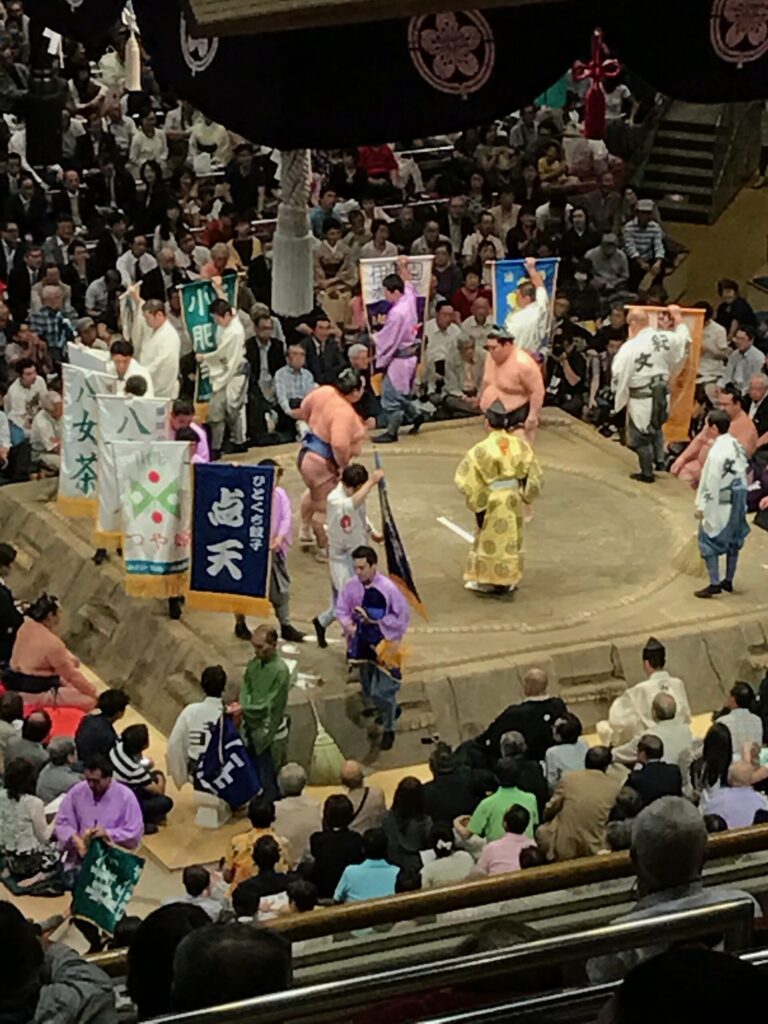
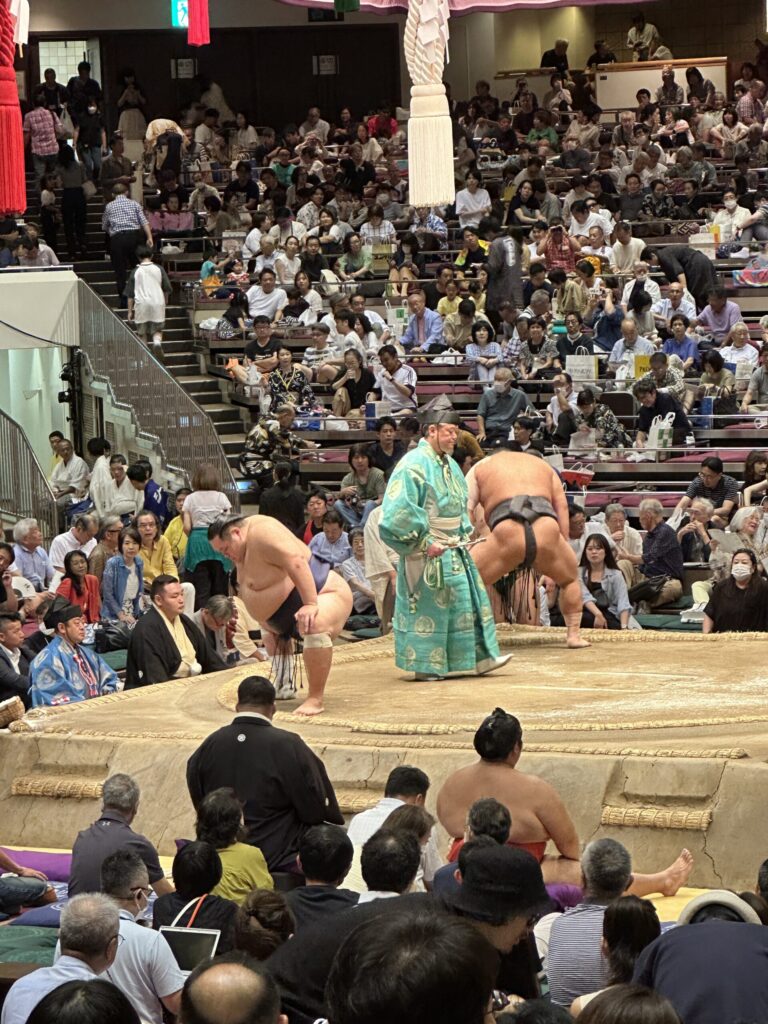
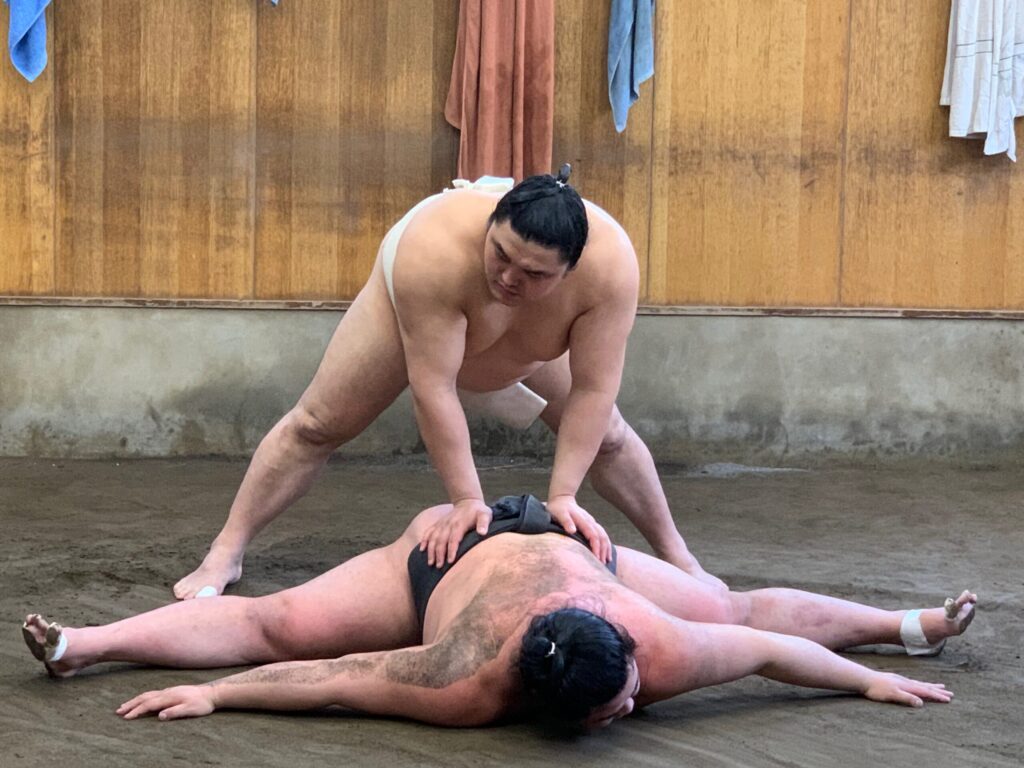
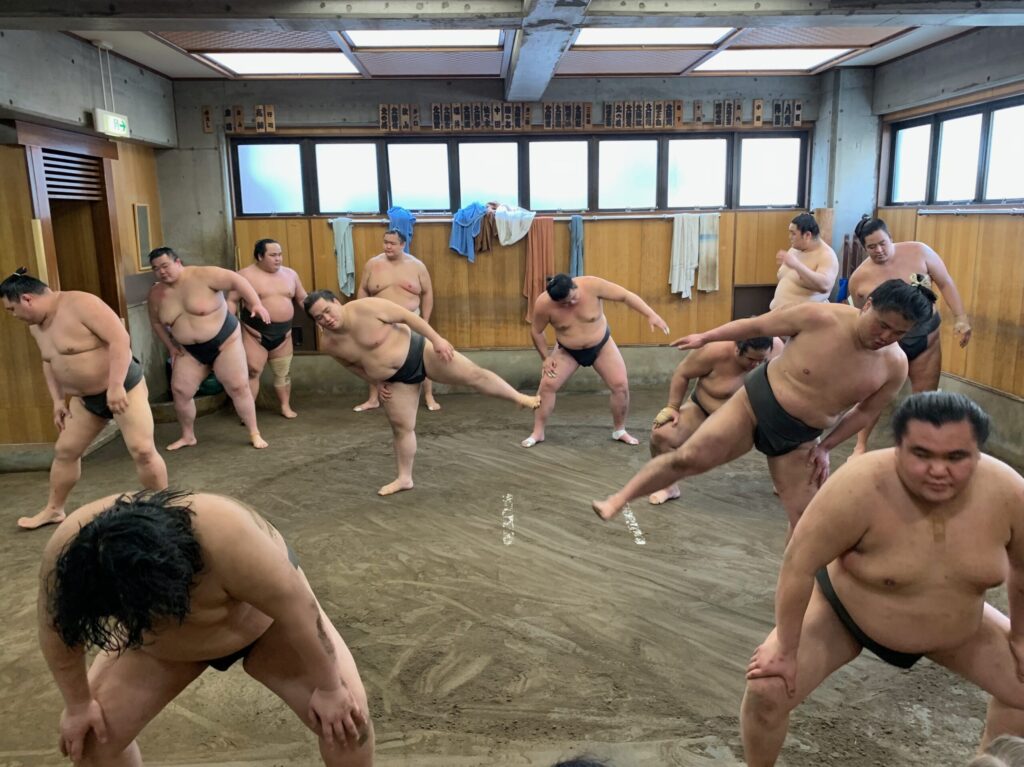
Another very cool option is to go to a sumo stable. Sumo stables are where the wrestlers live and train together and where all aspects of life, from sleeping and eating to training and free time, are strictly regimented by the stable master. It’s a very unique experience where you can see the wrestlers up close, but only a small number of stables accept visits by tourists, so you’ll need to book through a tour group.
Feast on some chanko nabe–the staple food of sumo wrestlers–while you’re in the area. It is a hot pot dish that comes in many varieties and contains vegetables, seafood and meat. There is a high concentration of chanko nabe restaurants in the Ryogoku area, many of which are managed by retired wrestlers.
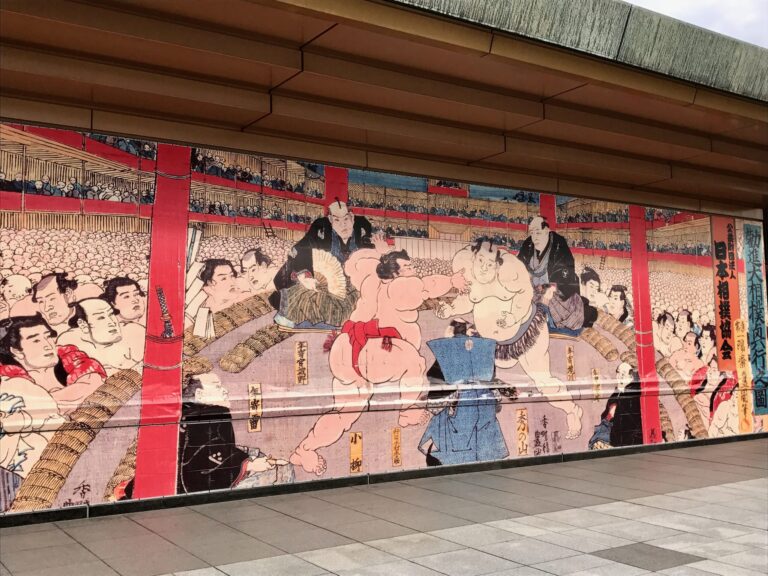
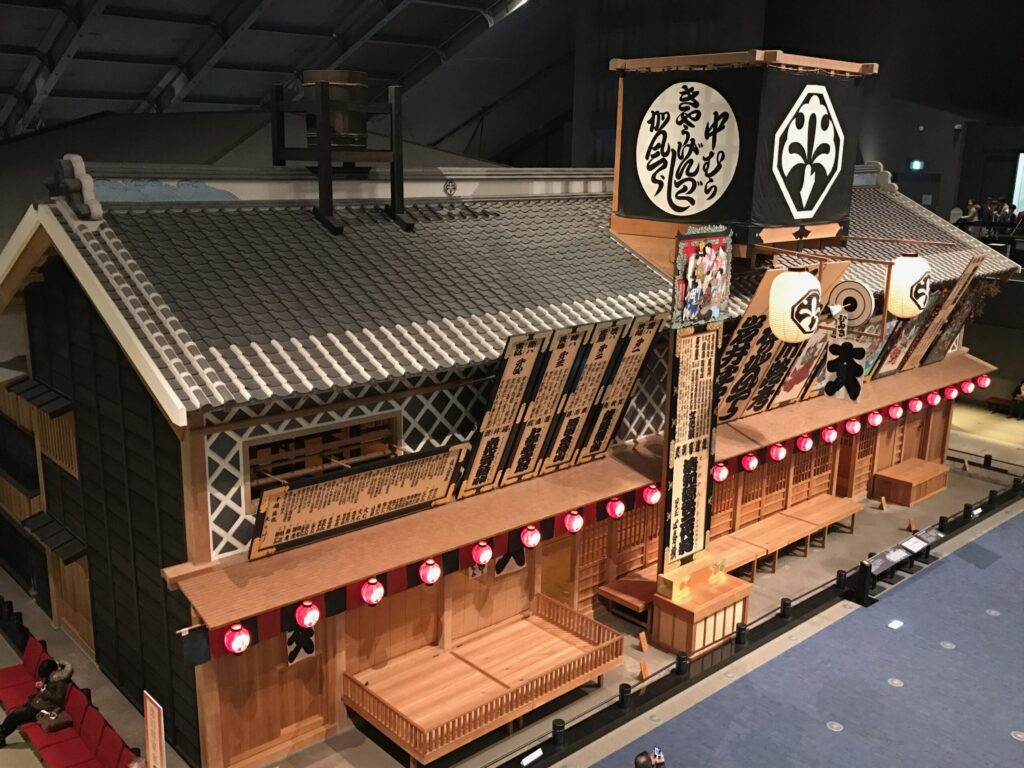
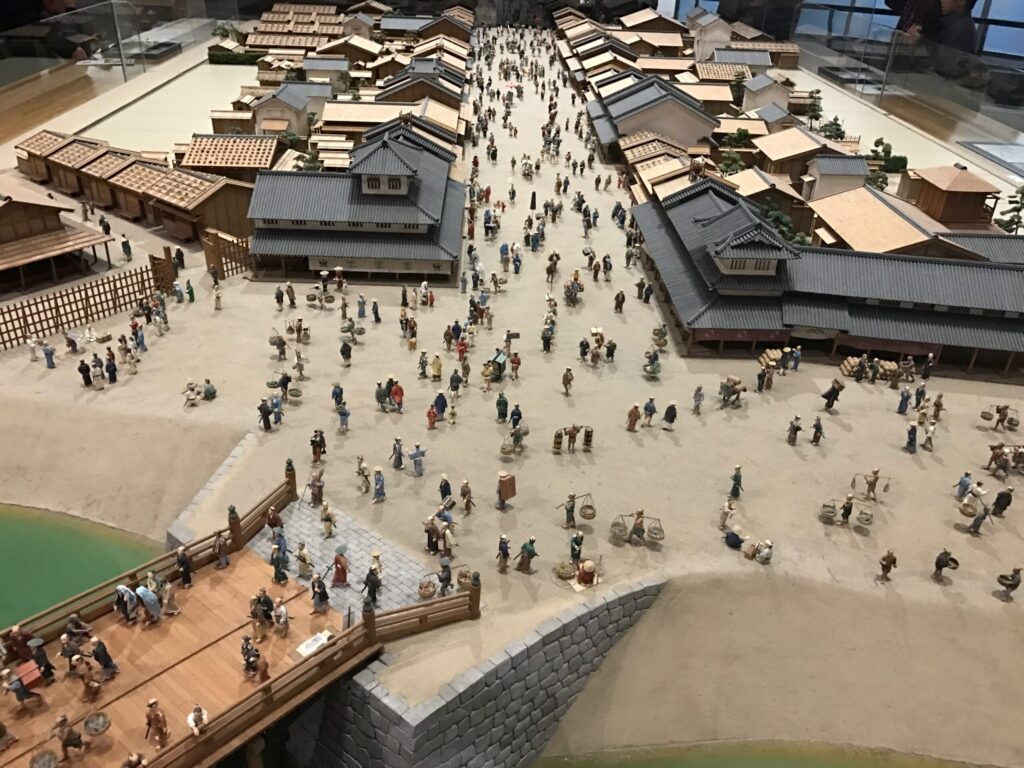
While in the area, visit the Edo-Tokyo Museum. You can experience and learn about various aspects of earlier Tokyo, such as the way of life of people, Edo Period architecture, cultural heritage, political climate, commerce, transport and more. I wouldn’t make a special trip out for this museum, but it’s very close to the sumo stadium, so it’s worth the stop.
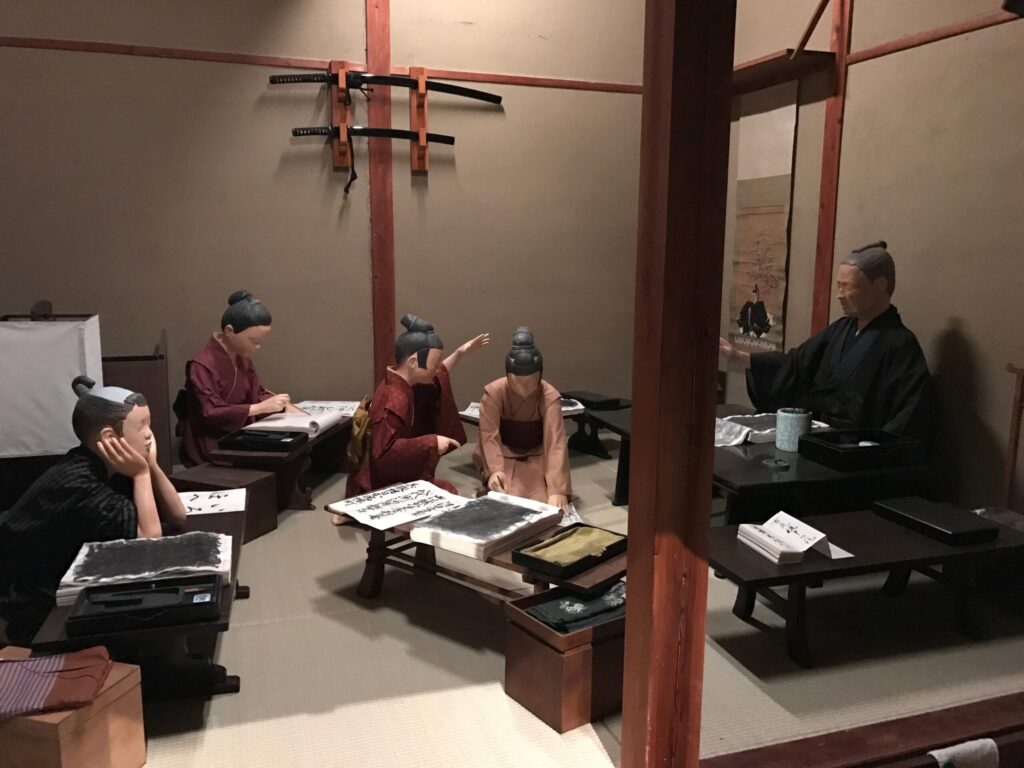
Kamakura Day Trip
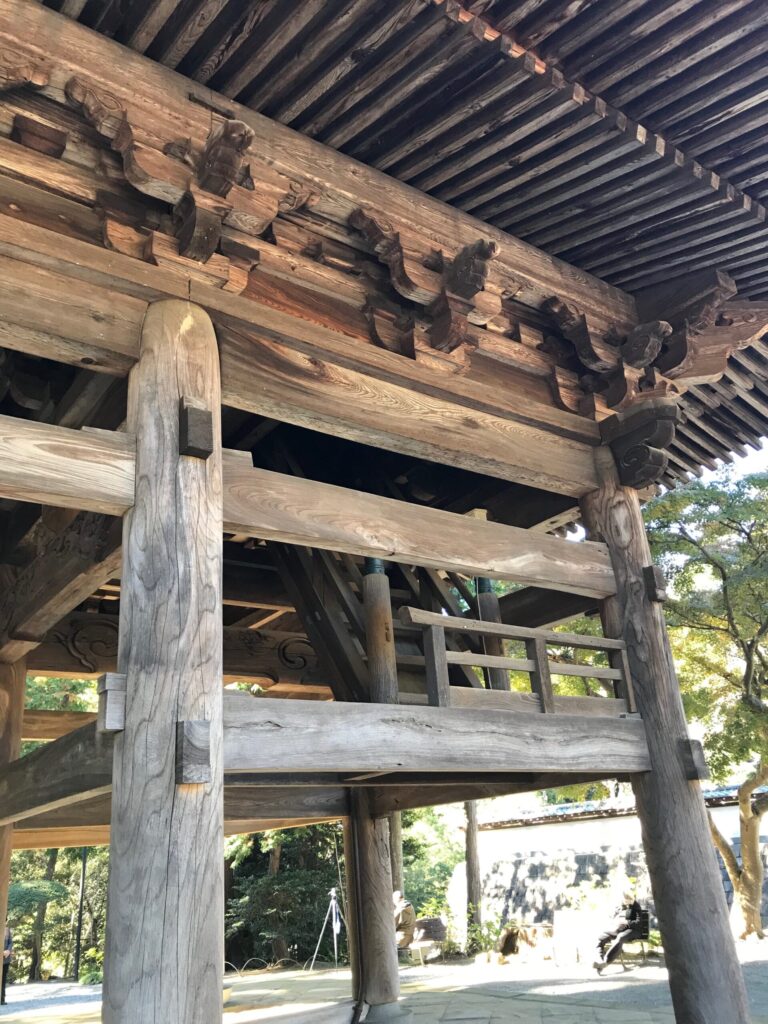
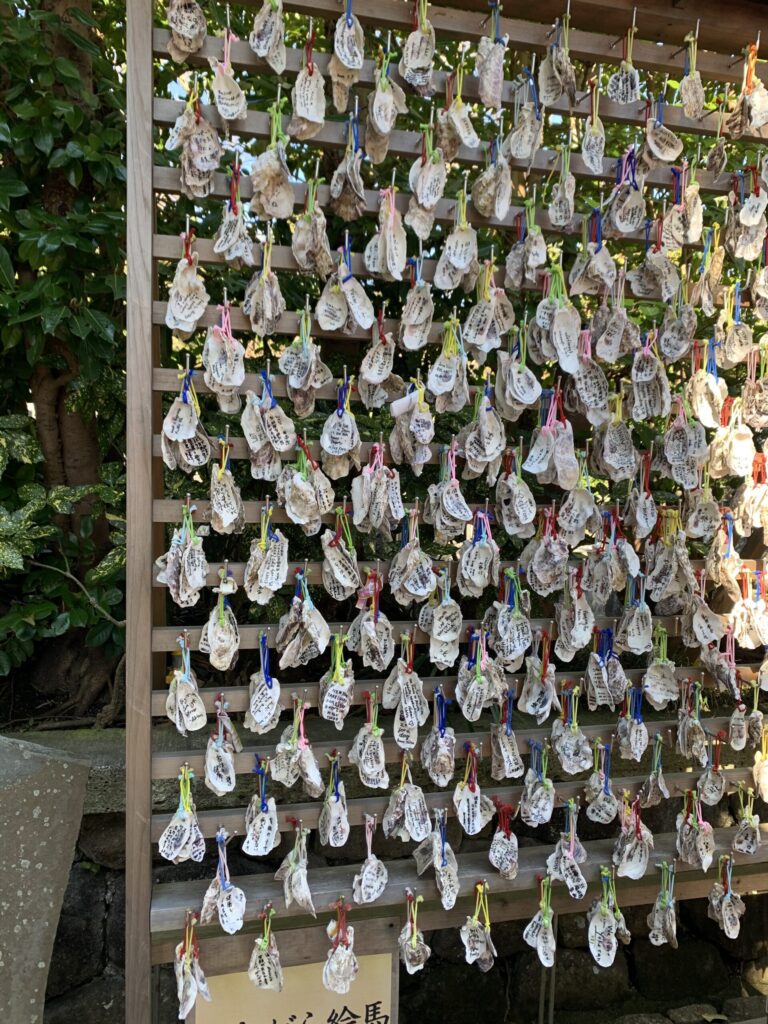
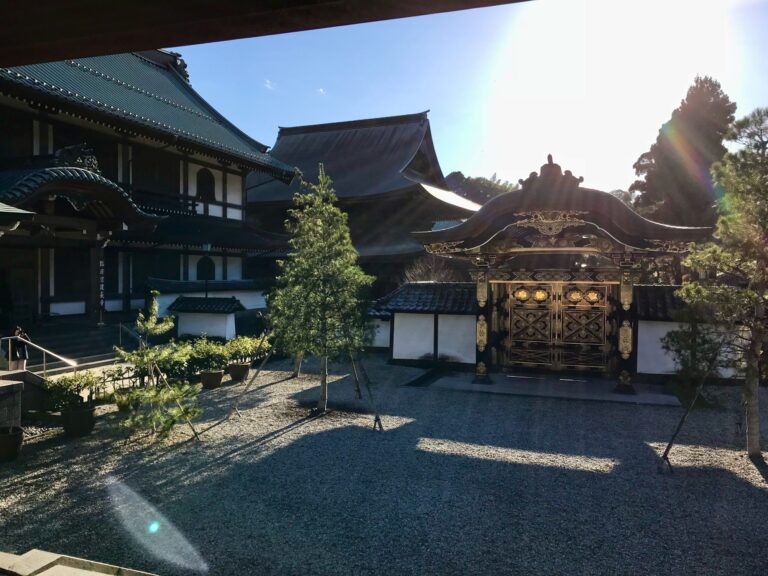
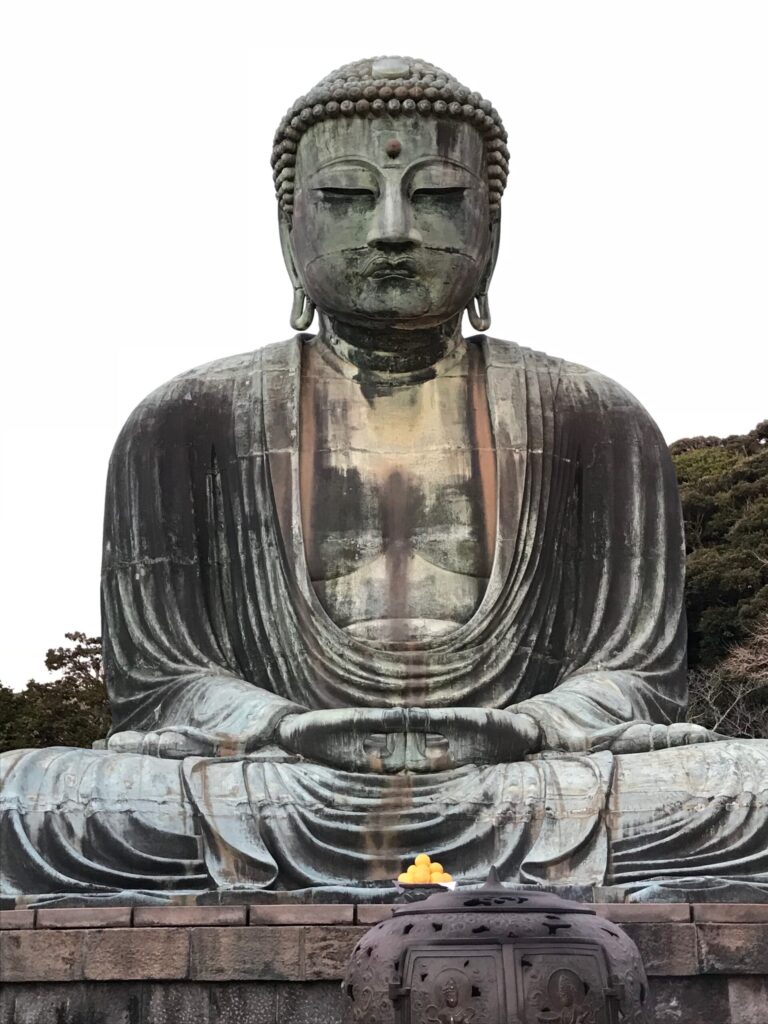
Located just an hour outside of Tokyo, Kamakura makes a perfect day trip. Sometimes called the Kyoto of eastern Japan, Kamakura offers numerous temples, shrines and other historical monuments. Popular attractions include the Great Buddha, Hasadera Temple, Hokokuji Temple, Hachimangu Shrine, Kenchoji Temple, Enoshima Island, etc.
Getting there:
Taking the JR Yokosuka Line from Tokyo Station (or Shimbashi/Shinagawa) is the most popular and convenient. It runs frequently and is direct to Kamakura in about 55–60 minutes for ¥940. Another option is to take the Shonan-Shinjuku Line from Shinjuku or Shibuya — also direct, similar time and fare, more convenient if you’re in the west side of the city. Consider getting the Kamakura-Enoshima Pass (¥1,520 from Shinjuku area), which covers unlimited Enoden rides and discounts at sights. The Enoden (Enoshima Electric Railway) is a tiny, vintage-style tram/streetcar that runs along a 10km stretch of the Shonan coast between Fujisawa and Kamakura — 15 stations total. It’s a scenic and fun way to explore the area.
Where and What to Eat
Tokyo is widely considered the world’s greatest dining city, with over 160,000 restaurants (more than any other city on Earth). Tokyo also holds more Michelin stars than any other city, with over 200 starred establishments. It’s almost hard to go wrong choosing a restaurant, so it will depend a lot on which area you happen to be in. Tablelog is a great reliable resource to find restaurant ratings. These are the most popular and iconic foods of Japan. For more detail on each, click here. If you want a break from Japanese food, the French and Italian cuisine in Tokyo is also exceptional.
- Ramen, Soba, Udon
- Yakitori
- Sushi, Sashimi (sushi-ya and kaiten sushi)
- Tonkatsu
- Shabu shabu
- Yakiniku
- Sukiyaki
- Fluffy pancakes
- Soft serve ice-cream
- Mochi, Dango
Tip: Most restaurants in Tokyo have great lunch sets, and the price is generally a fraction of what it would cost for dinner. Photos of typical lunch sets, many of which are around ¥1,000.
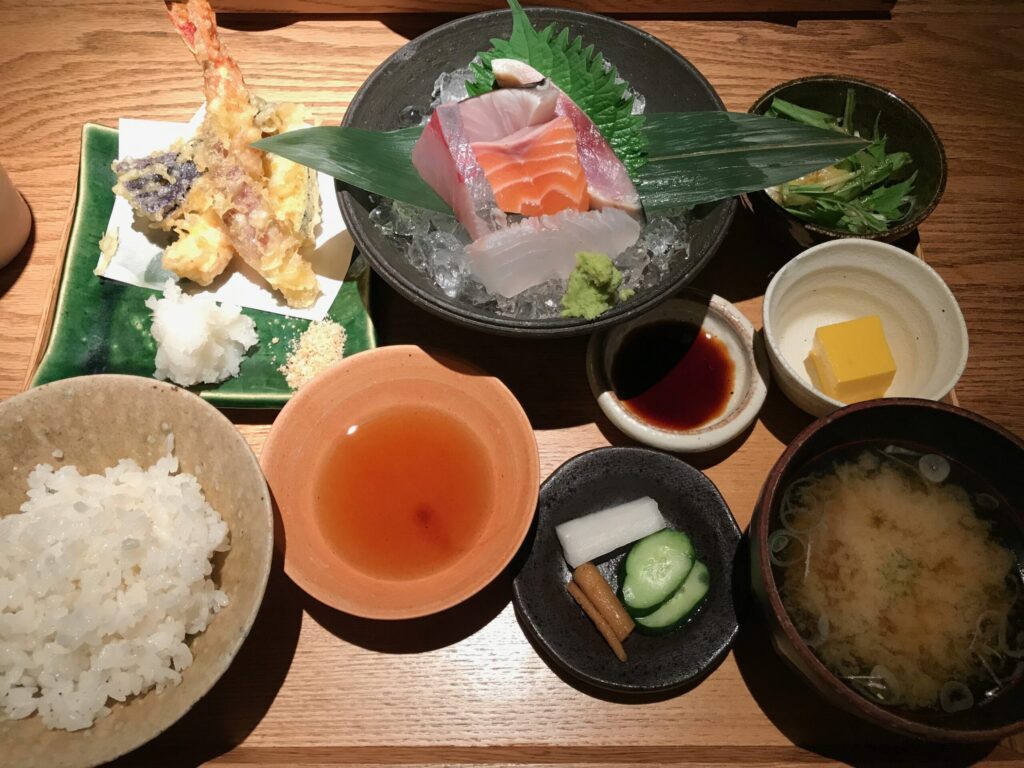
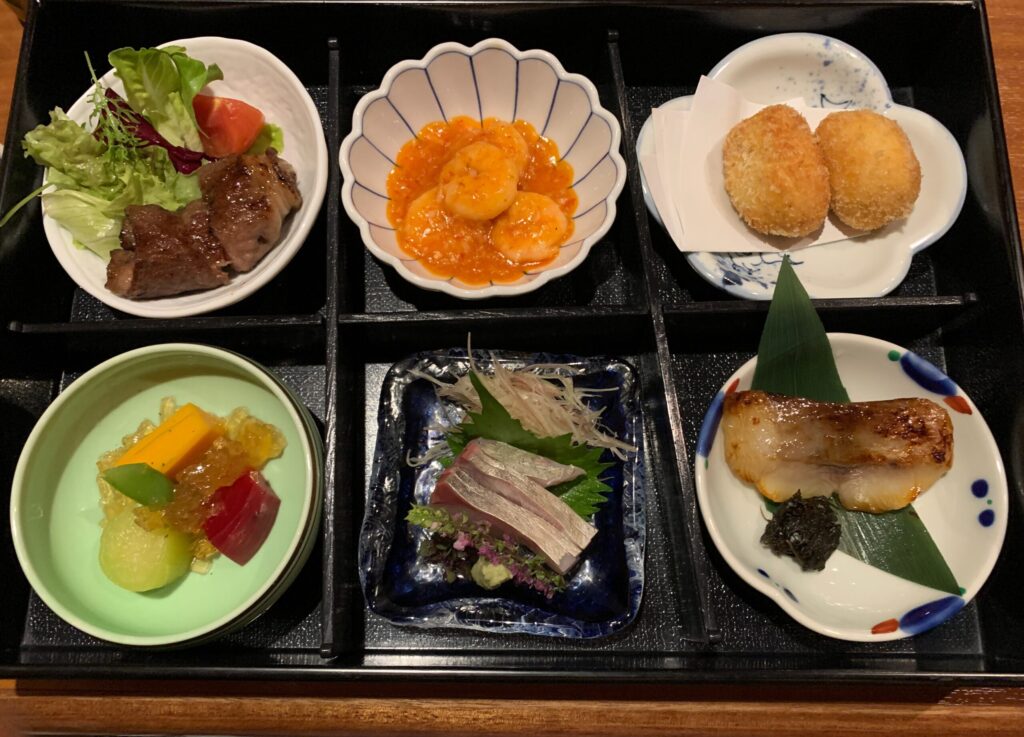
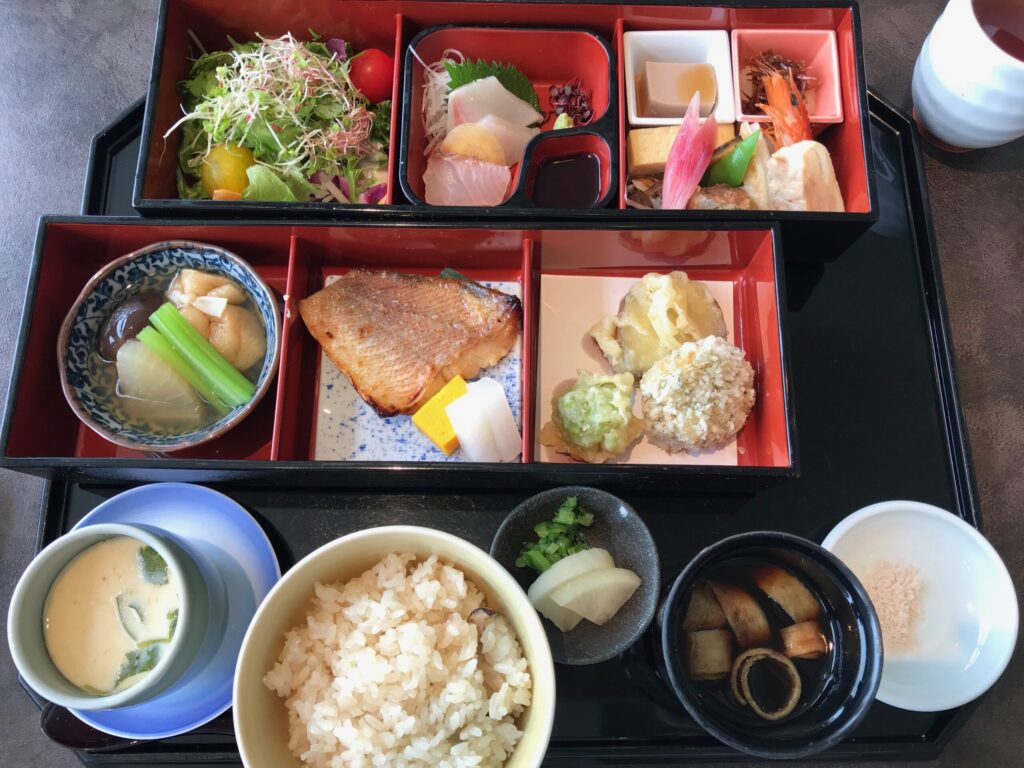
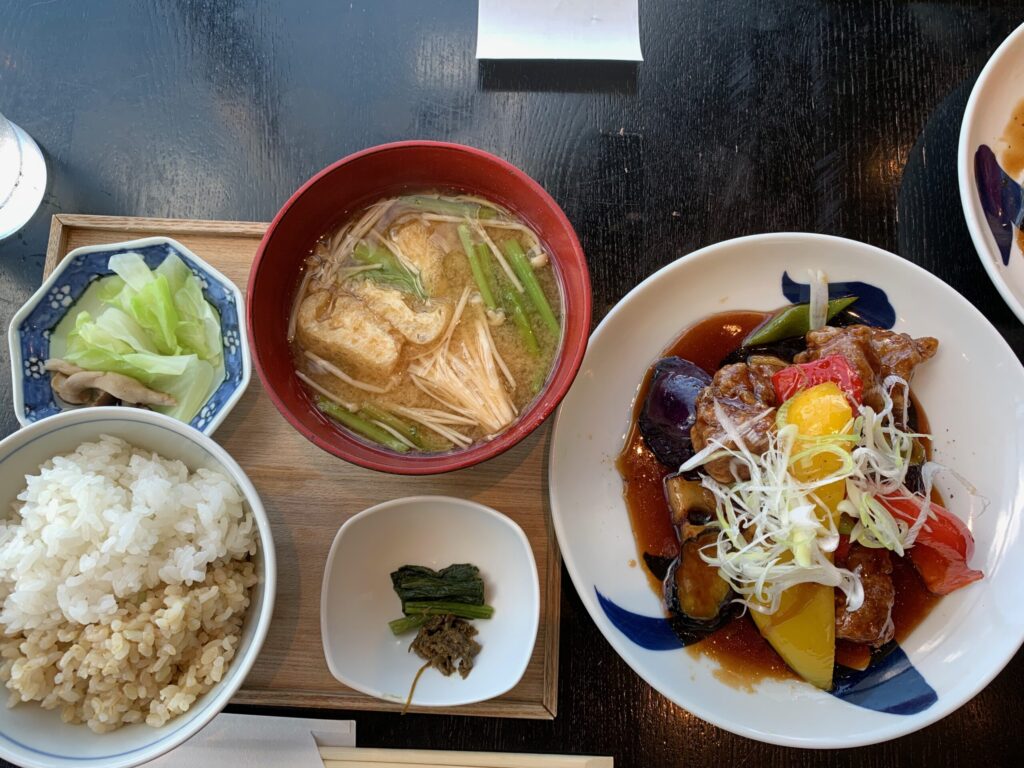
Restaurant recommendations by area:
Harajuku | Omotesando | Shibuya
- Umegaoka Sushi no Midori-Sohonten – good value sushi, but really long wait typically about 2 hrs (get there early, pick up a number, then go shopping); located in Mark City.
- Maimon Sushi – conveyor belt sushi; 7th floor of Shibuya Parco
- Tsukiji Tama Sushi Sasashigure – well-priced sushi in Omotesando
- Oreryu Shio-Ramen – wide selection of ramen; look for the orange sign (the name is in Japanese only)
- Afuri Harajuku – ramen
- Denkushiflori – chefs from 2-Michelin starred restaurants Den and Florilège collaborate for this restaurant
- Kaikaya by the Sea– izakaya
- Fluffy pancakes: Flippers, A Happy Pancake, Burn Side St Cafe
Asakusa
- Imahambekkan (今半 別館)-sukiyaki
- Akashi – tempura (small and no reservations; usually a wait)
- Sugimoto Honten (スギモト本店 東京スカイツリータウン・ソラマチ店) – sukiyaki
- Kura Sushi – largest conveyor belt sushi in Tokyo
Ginza | Marunouchi | Roppongi
- Yurakucho dining district – tons of restaurants under the train tracks — restaurants extend for a few hundred meters both north and south of the station, and run nearly all the way to Tokyo Station in the neighboring Marunouchi district. Good place to find an authentic izakaya and get some yakitori.
- Shin-Hinomoto (a.k.a. Andy’s) – a popular place (especially among expats) under the train tracks. Food is very good (great fresh seafood-amazing crab legs, sashimi, braised fish, etc.) and affordable. Try their grapefruit sour – squeeze fresh grapefruit juice into your shochu and soda water
- Tokyo Ramen Street at Tokyo Station
- Ryugin – excellent 3 Michelin star kaiseki restaurant in Hibiya Midtown
- Sushi Dai – sushi restaurant in Tsukiji
- Tempura Yama-no-ue Ginza – nice tempura restaurant
- Imahan – fantastic sukiyaki
- L’Osier – French fine dining with 3 Michelin stars. Beautifully presented and delicious course meals.
Hiroo | Roppongi | Midtown | Akasaka
- Butagumi Tonkatsu – best tonkatsu (pork cutlet)
- Suju Masayuki – great lunch spot with casual Japanese cuisine in Tokyo Midtown
- Ningyocho Imahan Tokyo Garden Terrace Kioicho – sukiyaki and shabu shabu
- Roppongi Robataya – The chef sits on a deck and you point at what you want for him to scoop up (seafood, beef, veggies) on a huge wooden paddle and cook it right before your eyes and is served back to you on the same paddle. Very lively and unique setting. Omakase meals are pretty pricey.
- Gonpachi – Kill Bill scene filmed here
- Ryugin – 3 Michelin star Japanese restaurant with course meal
- Matsukan – Authentic Edomae Sushi in Azabu Jyuban
- Shabuzen – Shabu shabu and sukiyaki
- Tori Yoshi – yakitori; open for dinner only
- Soba Mae Yamato – soba and other dishes; locations in Roppongi and Azabudai
- Umaya – izakaya
- Aji no Nakamura – izakaya in Hiroo
- Ode – 1 Michelin star restaurant with innovative French cuisine
- Warakiya Akasaka – izakaya specializing in straw grilled foods.
- Uoshins Nogizaka – casual izakaya featuring fresh seafood
- Afuri Ramen – ramen, multiple locations
Daikanyama | Nakameguro | Ebisu
- Gohanya Isshin – (Daikanyama) great lunch spot with meal sets; dinner is more of a modern izakaya
- KushiWakaMaru – (Nakameguro) very casual, typical yakitori restaurant with english menu
- Udon Yamacho – (Ebisu) thick chewy udon noodles
- Wari Road – famous for tsukemen (ramen with dipping sauce)
- Beef Kitchen – (Ebisu) – casual but nice yakiniku restaurant
- Sushi Matsue – (Ebisu) reasonably priced but very good sushi restaurant/bar
- Uoshin魚真 恵比寿店 – (Ebisu) casual seafood izakaya; Japanese menu only
- Toriyoshi – (Nakameguro) yakitori
- Tonkatsu Tonki – (Meguro) popular tonkatsu place in Meguro (personally, I thought it was too greasy)
- Ten Masa – (Meguro) one Michelin star restaurant serving a kaiseki meal, specializes in tempura
- Higashi-Yama– (Nakameguro) modern kaiseki
- Tacubo – Italian fine dining
- Restorante Yagi – (Daikanyama) elegant refined Italian cuisine
- Recte – (Daikanyama) 1 Michelin star small French restaurant with emphasis on meat preparation
- Seirinkan – (Nakameguro) known for their pizzas (only two options: margherita and marinara); featured on the show “Ugly Delicious” with Chef David Chang.
- Craftale– (Nakameguro) creative French fine dining with one Michelin star
- Sal y Amor – (Daikanyama) small Spanish restaurant
- Abysse – (Daikanyama) – 1 Michelin star restaurant featuring a seafood course dinner
- Starbucks Reserve Roastery Tokyo
Shinjuku
- Omoide Yokocho (memory lane), aka Piss Alley – area filled with yakitori and izakayas
- Golden Gai – over 200 tiny bars
- Kohaku – excellent 3 Michelin star kaiseki restaurant near Iidabashi station
- Kyubey – sushi-ya; original location in Ginza
- Numazukou – kaiten sushi (conveyor belt sushi)
- Fūunji Shinjuku – tsukemen dipping noodles
- Ninja Restaurant
- Le Clos Montmartre – cute French bistro in the Kagurazaka area of Shinjuku