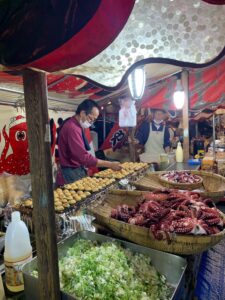
Japan’s food culture is one of the most distinctive and deeply considered in the world. The concept of shokunin — the artisan who devotes a lifetime to mastering a single craft — runs through Japanese cooking. This obsessive refinement produces extraordinary quality even at humble price points. The freshness and seasonality of food is highly valued. Menus change with the seasons in ways that go far beyond what most Western restaurants do. There is also variation by region. Osaka is synonymous with takoyaki and okonomiyaki and has a reputation as Japan’s kitchen (kuidaore — “eat until you drop”). Kyoto developed kaiseki, a refined multi-course cuisine rooted in Buddhist temple cooking. Fukuoka is the home of Hakata-style tonkotsu ramen. Hokkaido is prized for dairy, seafood, and miso ramen. Okinawa has its own entirely distinct cuisine with Chinese and Southeast Asian influences. Each prefecture often has its own specialty dish (meibutsu) that locals take genuine pride in.
Below are some of the most popular and iconic categories of foods you should experience when you’re in Japan. Tablelog is a great reliable resource to find restaurant ratings.
Ramen, Soba, Udon
Yakitori
Sushi, Sashimi (sushi-ya and kaiten sushi)
Tonkatsu
Shabu shabu | Sukiyaki
Yakiniku
Tempura
Unagi
Okonomiyaki
Takoyaki
Fluffy pancakes
Soft serve ice-cream
Mochi, Dango
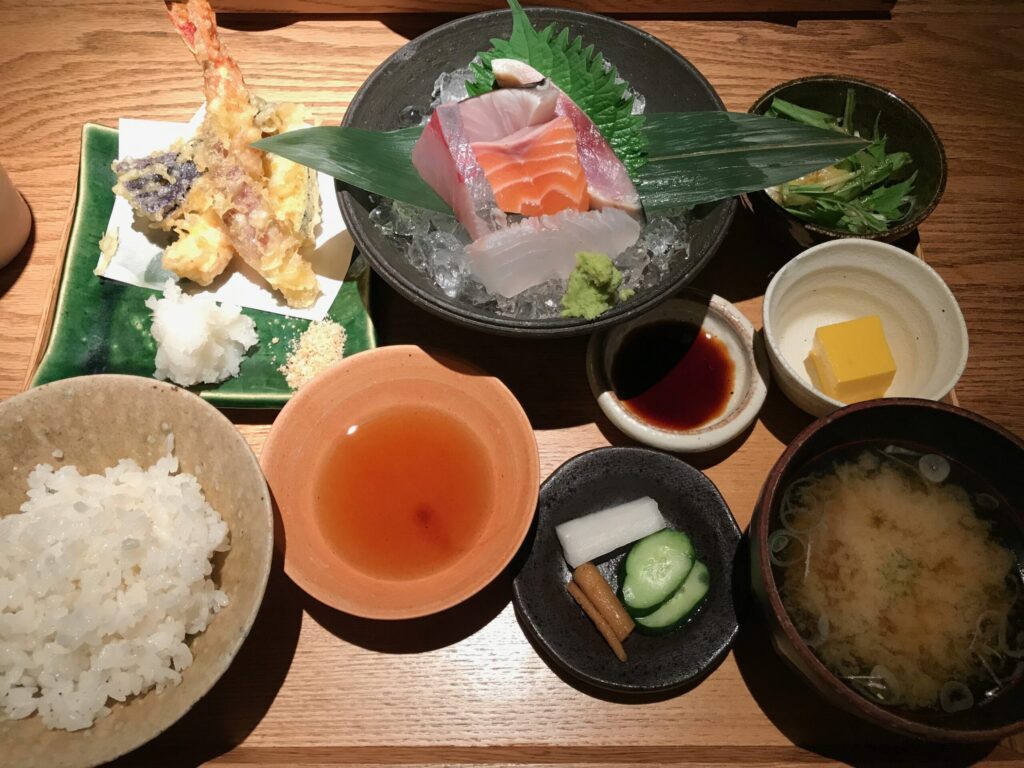
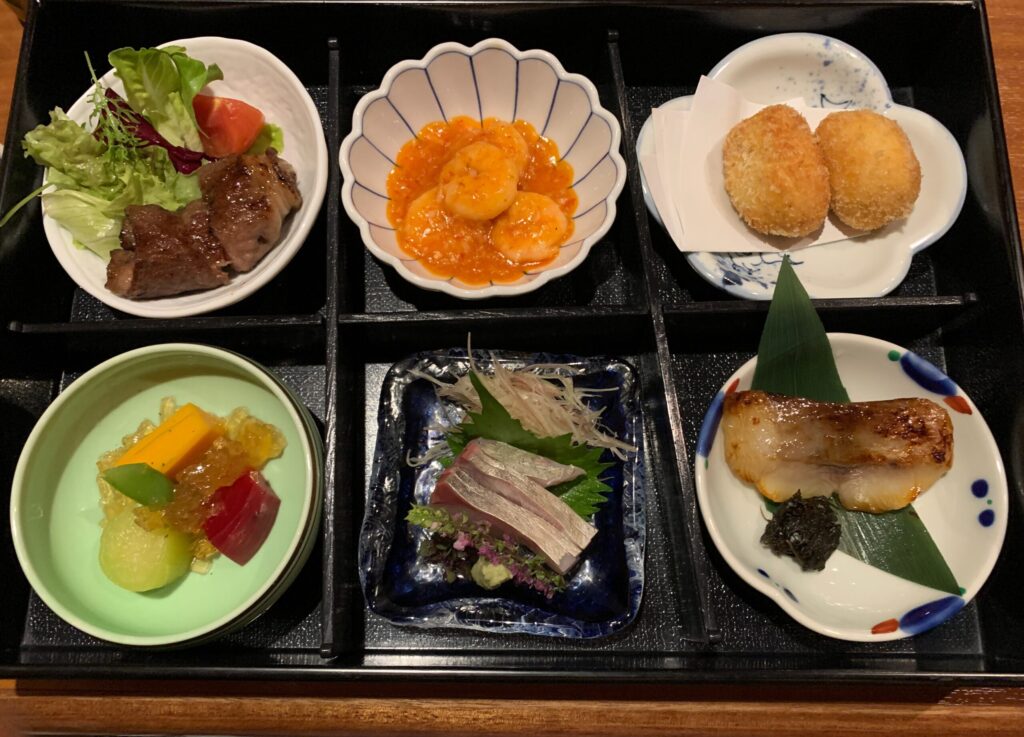
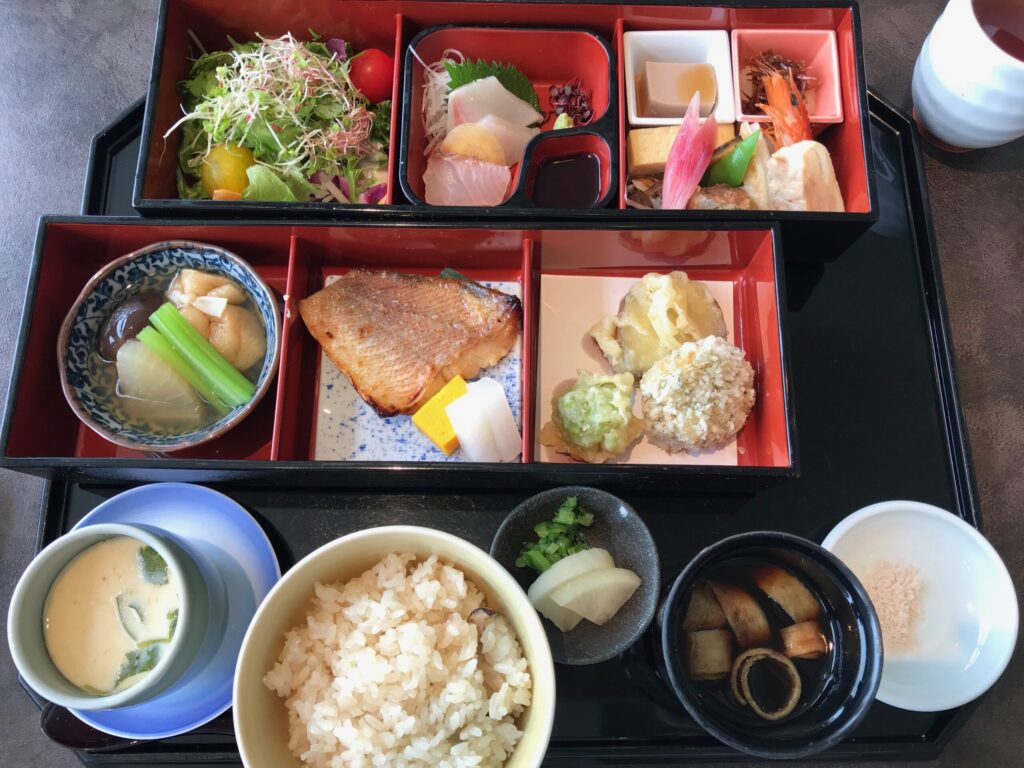
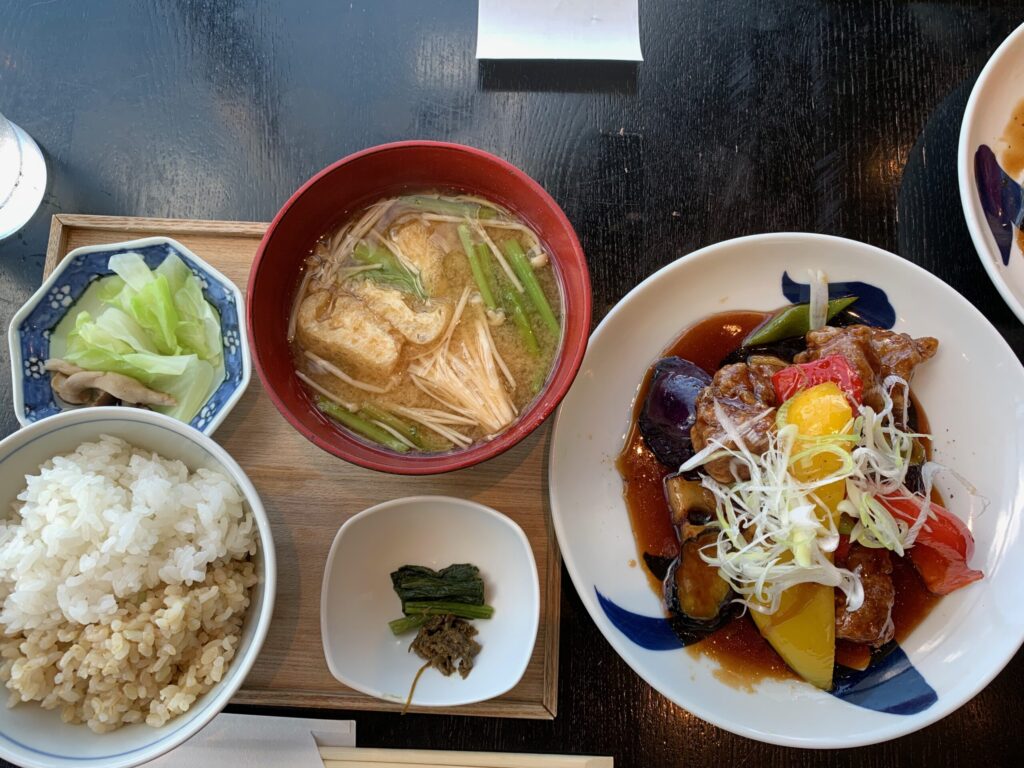
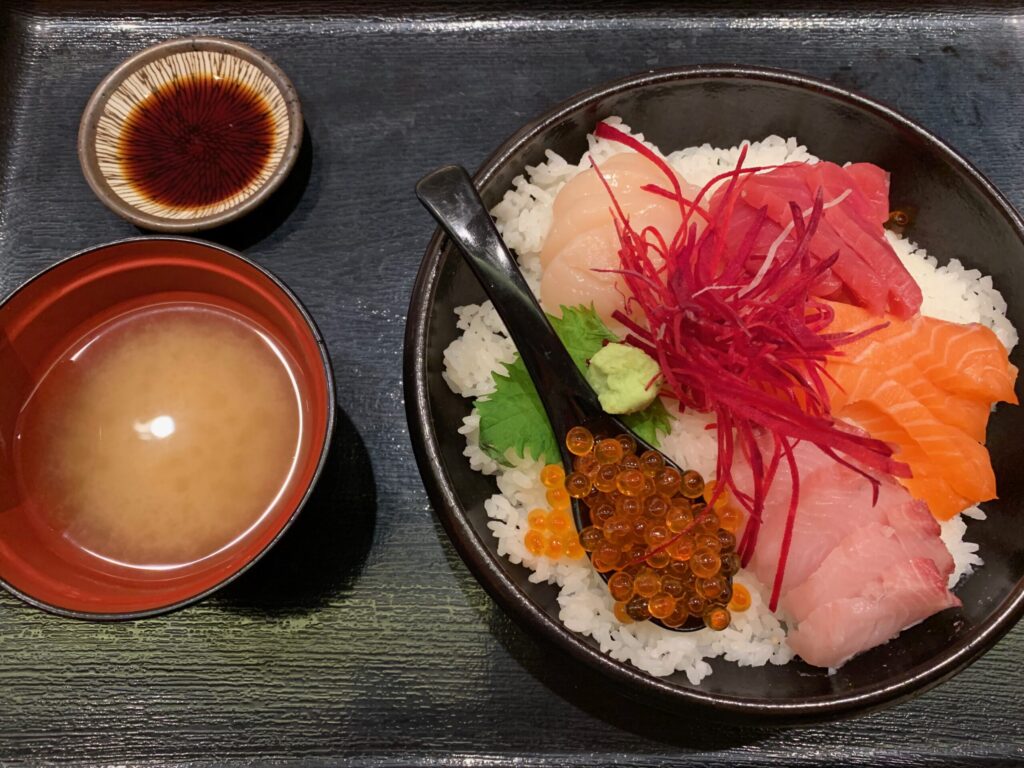
Tip: Most restaurants in Tokyo have great lunch sets, and the price is generally a fraction of what it would cost for dinner. Photos of typical lunch sets, many of which are around ¥1,000.
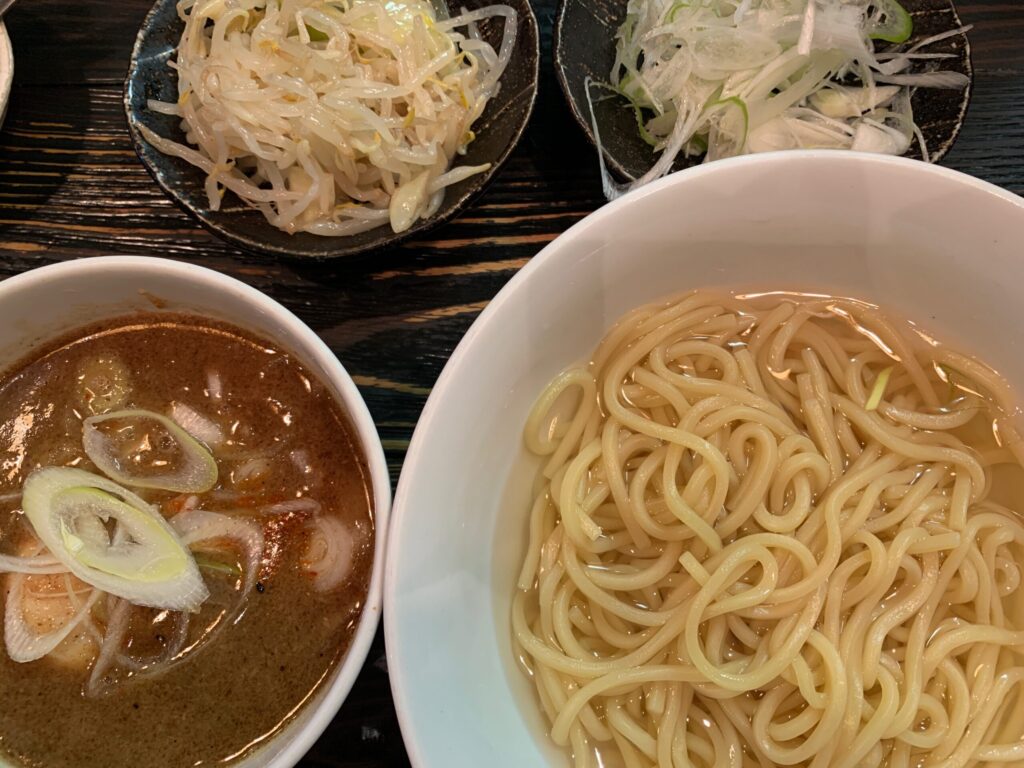
Wari Road (tsukemen)
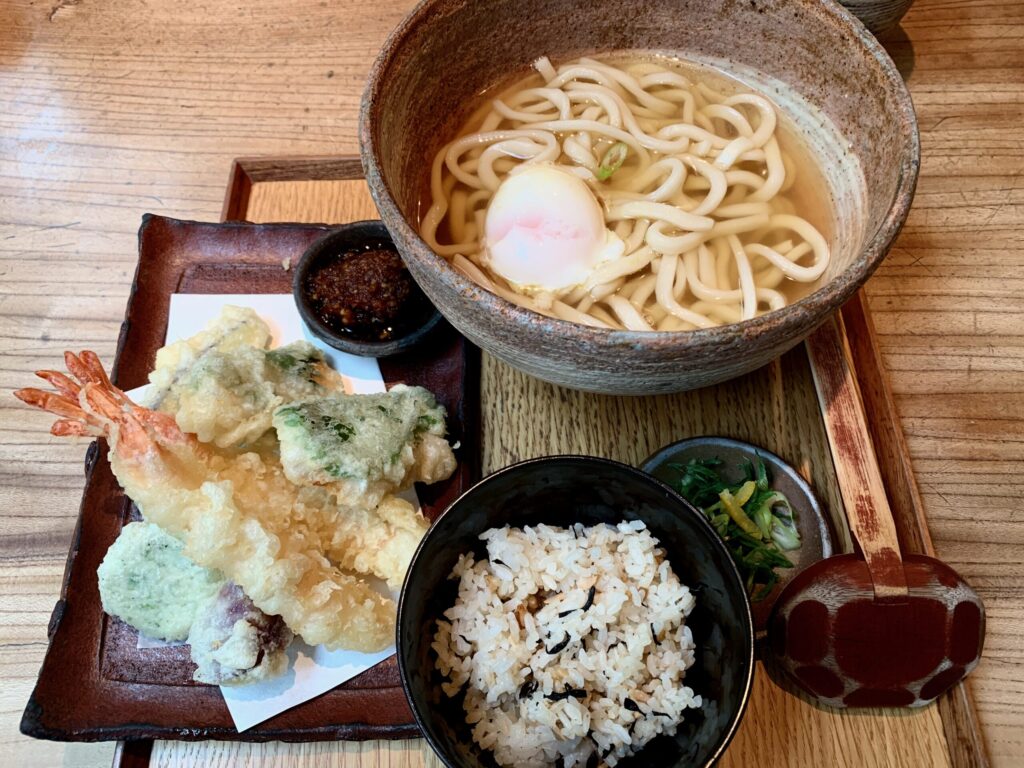
Udon Yamacho
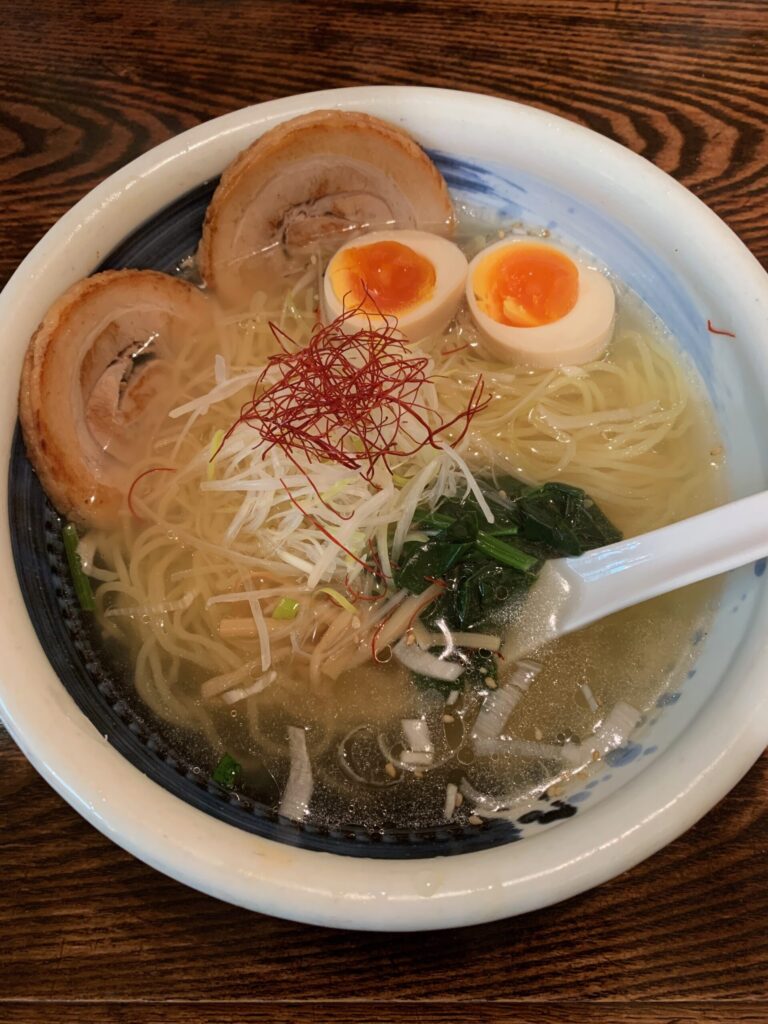
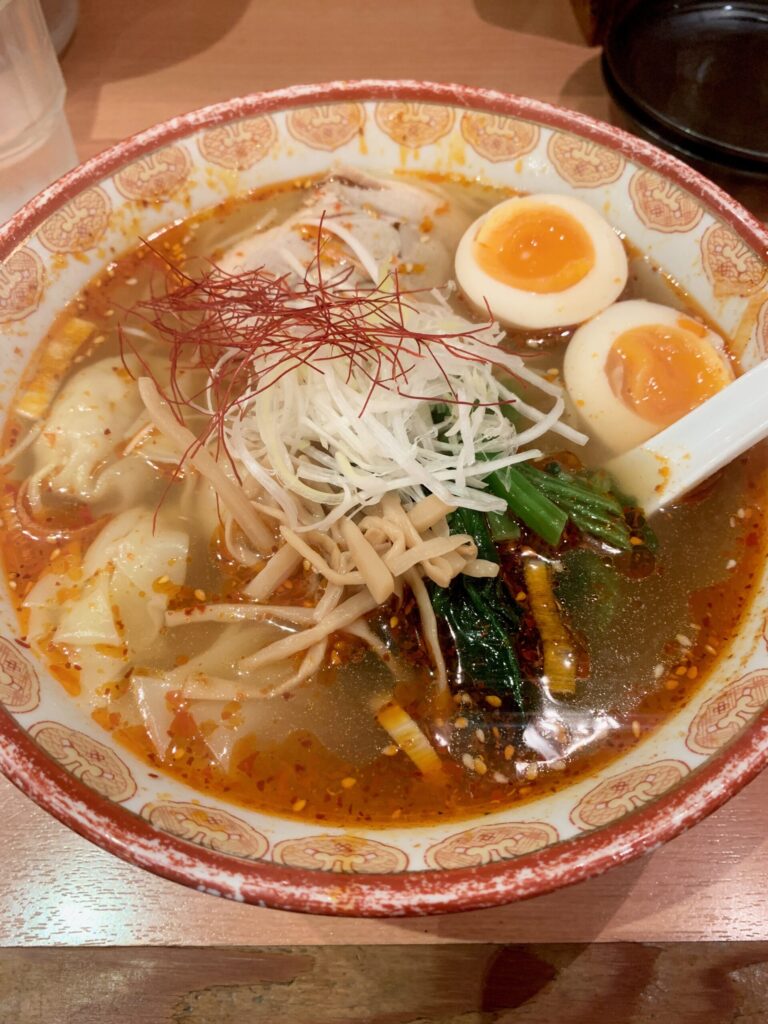
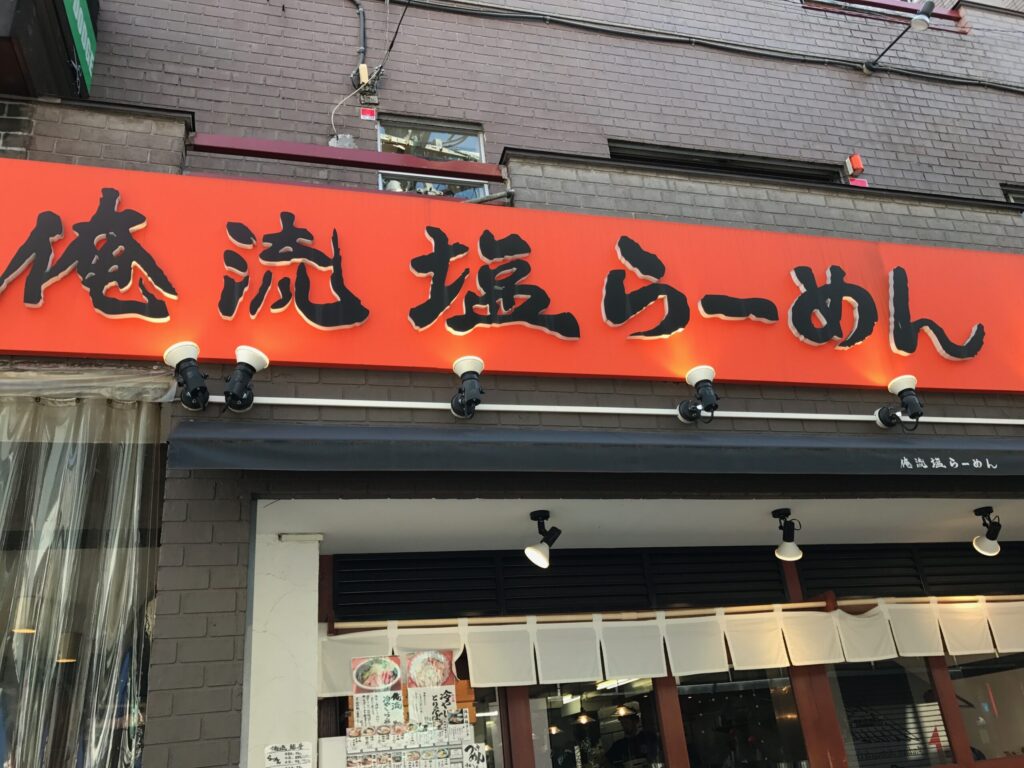
Oreryū Shio Ramen
Ramen | Soba | Udon
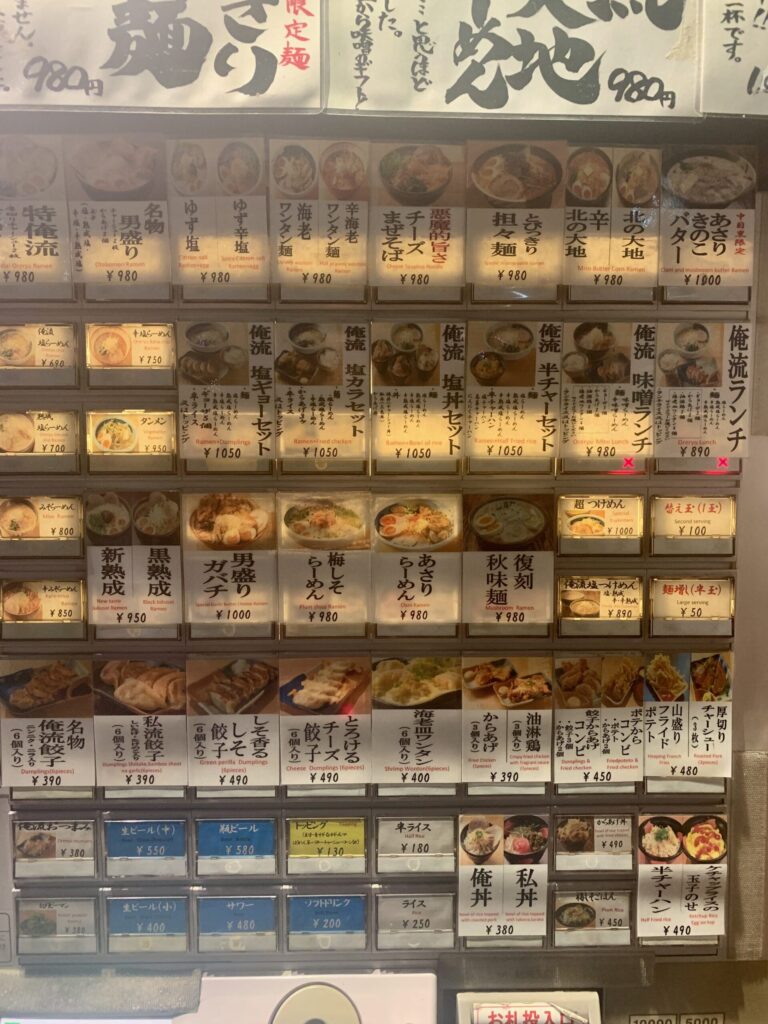
Ramen is Japan’s comfort food and is widely available and very affordable. Ramen is generally categorized into 4 types based on the soup base: shoyu (soy sauce), shio (salt), miso (soybean paste), and tonkotsu (pork bone). Some places also specialize in tsukemen, which is a dipping ramen. Most ramen places have a vending machine where you select and pay for your meal at the machine near the entrance before being seated. The attendant will usually ask you how firm you want your noodles cooked, the intensity/richness of the soup, and the amount of oil. If unsure, say “Futsū de onegai-shimasu” for normal taste and texture. Two very popular ramen restaurants are Afuri and Oreryū Shio Ramen, both with multiple locations.
Soba, a buckwheat noodle, is equally popular in Japan. It can be served hot or cold. The most basic soba dish is mori soba in which boiled, cold soba noodles are eaten with a soya-based dipping sauce (tsuyu). You can also often find soba served in a bowl of hot savory broth.
Udon are thick chewy Japanese noodles made of wheat flour. It’s definitely harder to find than ramen or soba restaurants. Personally, I prefer the flavor and chewiness of udon noodles much more than soba. There are also variations in udon — hot or cold, chewy or flat. Udon Yamacho in Ebisu is very good, and Maruka Udon is quite popular.
Yakitori | Kushiyaki
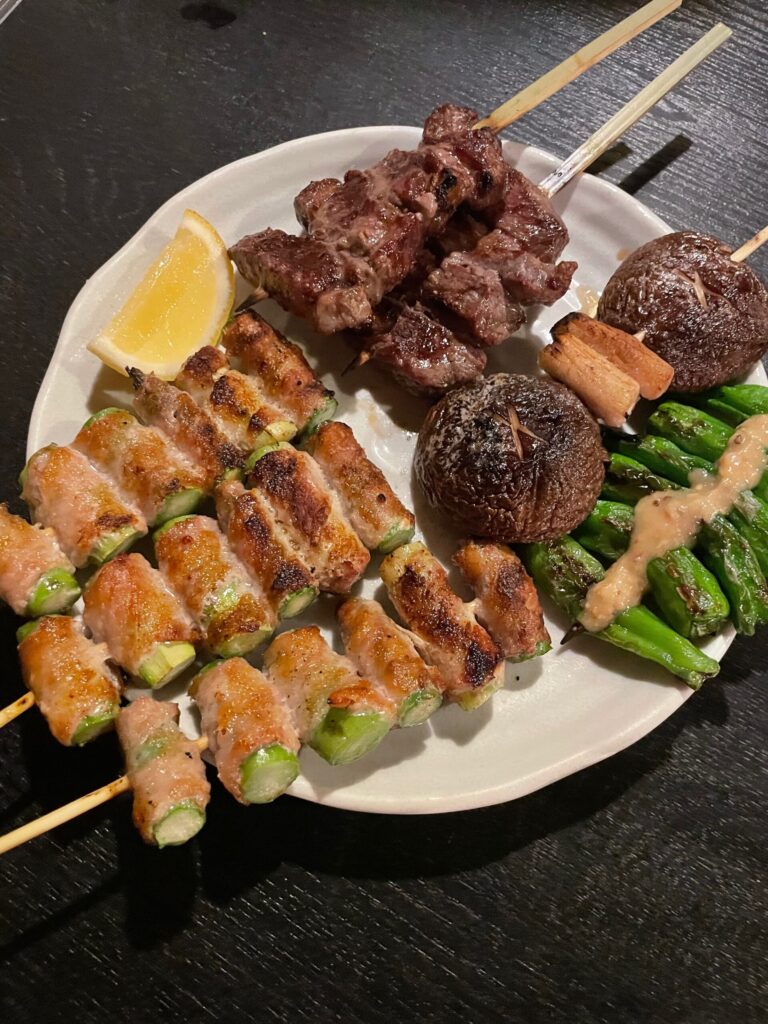
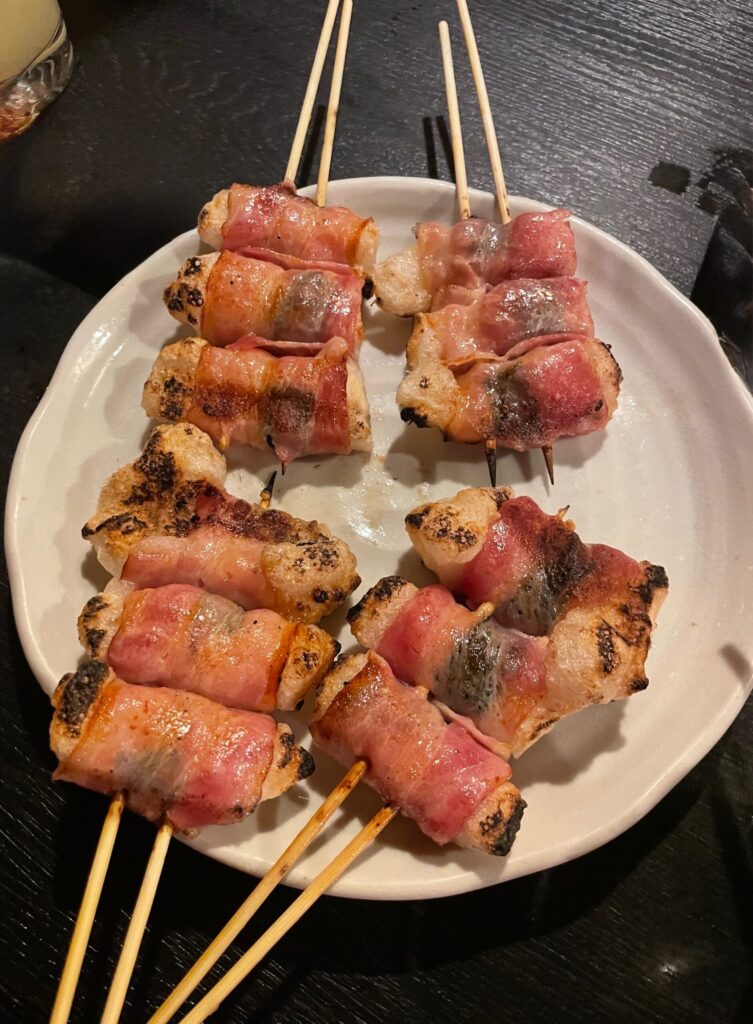
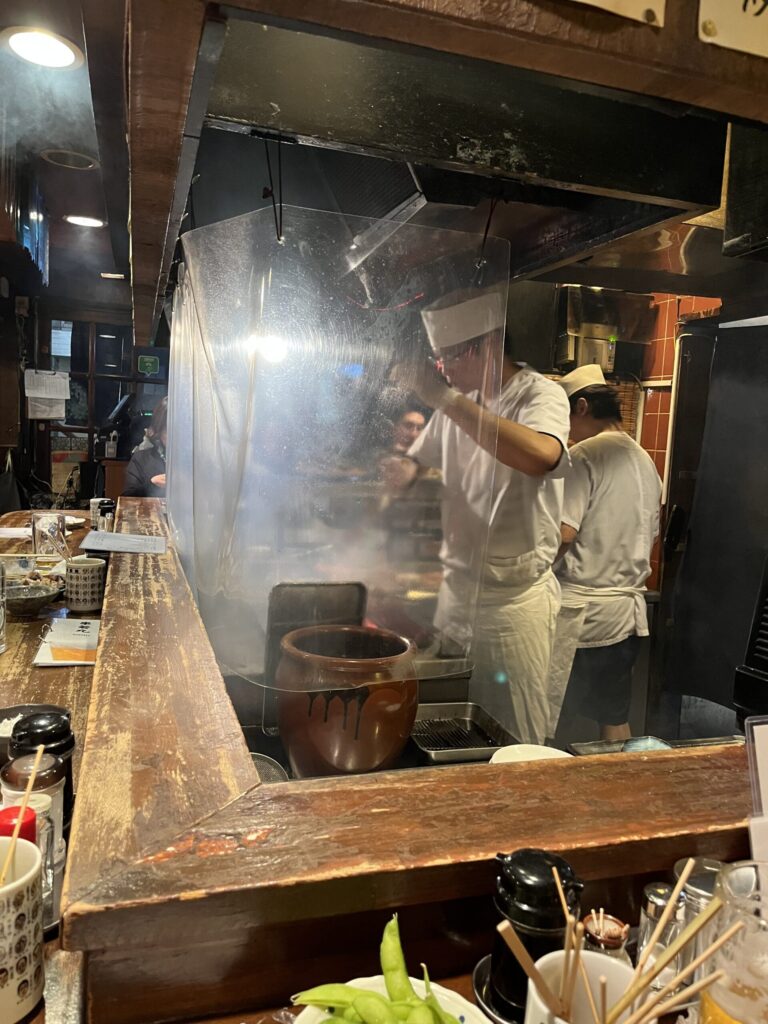
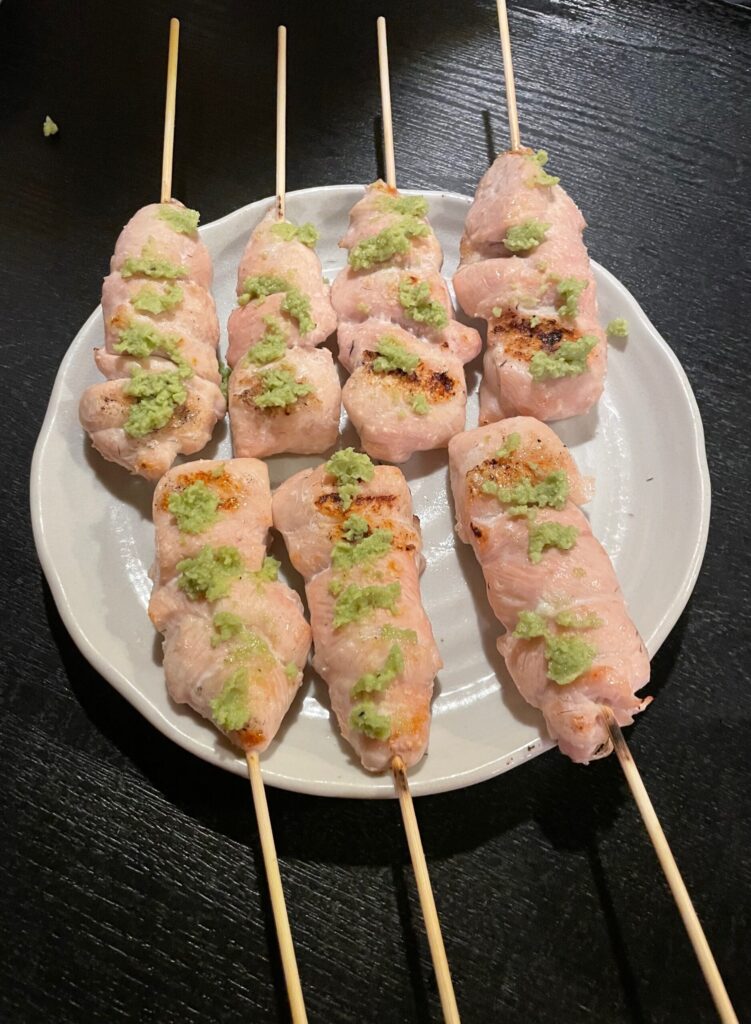
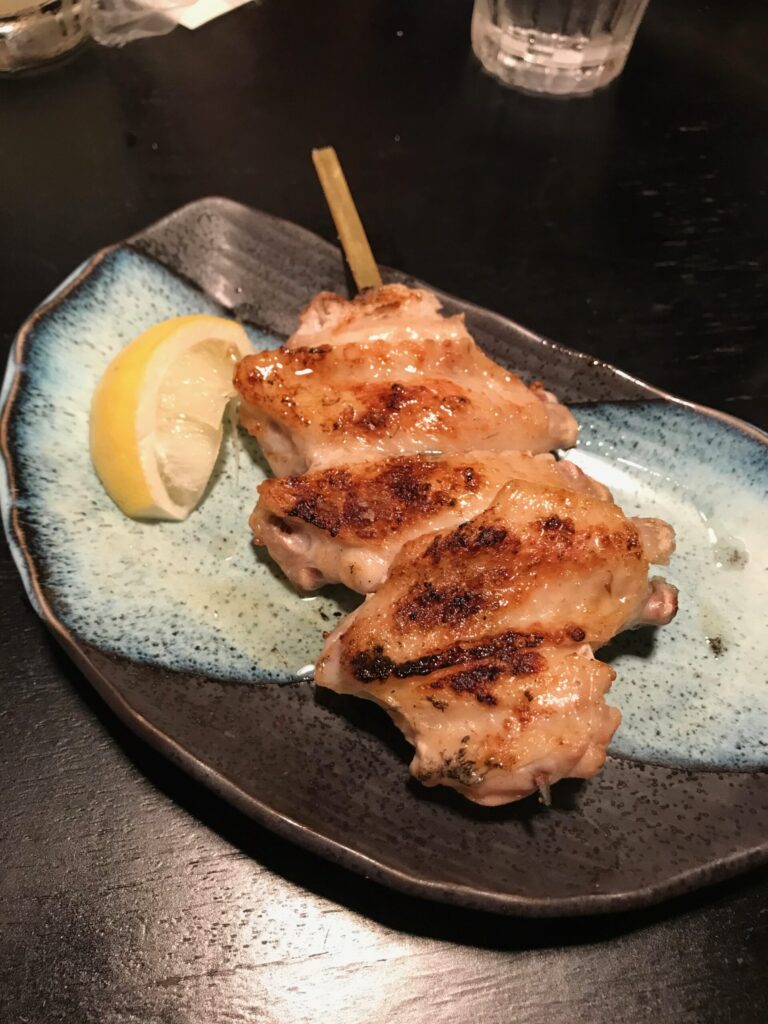
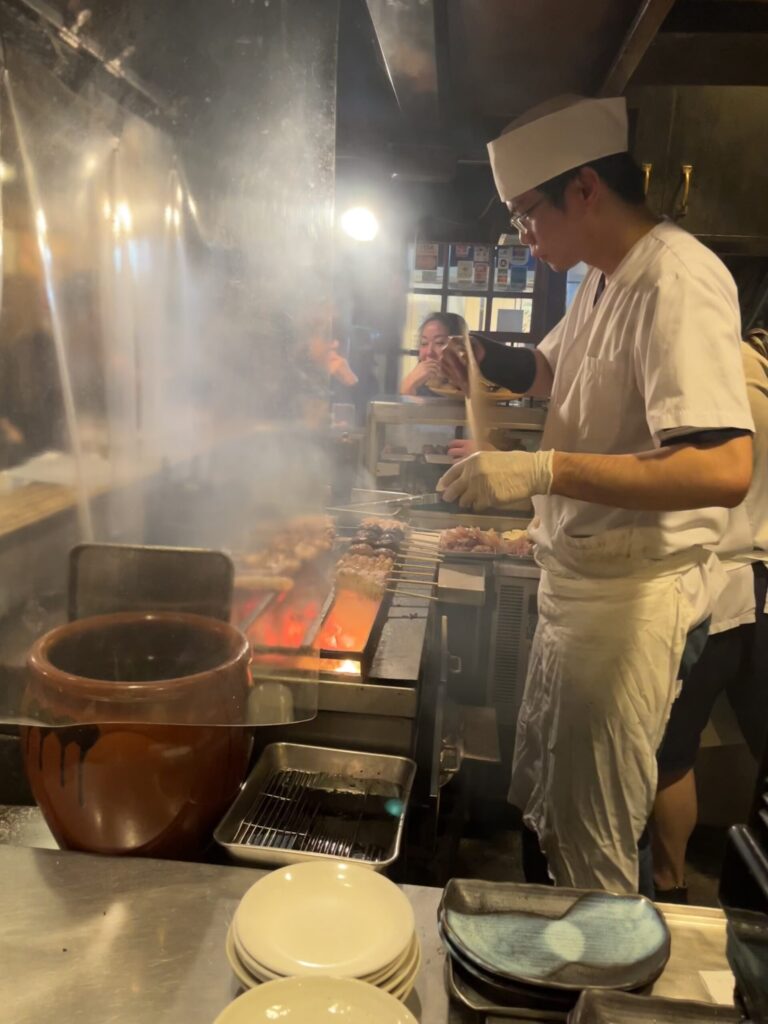
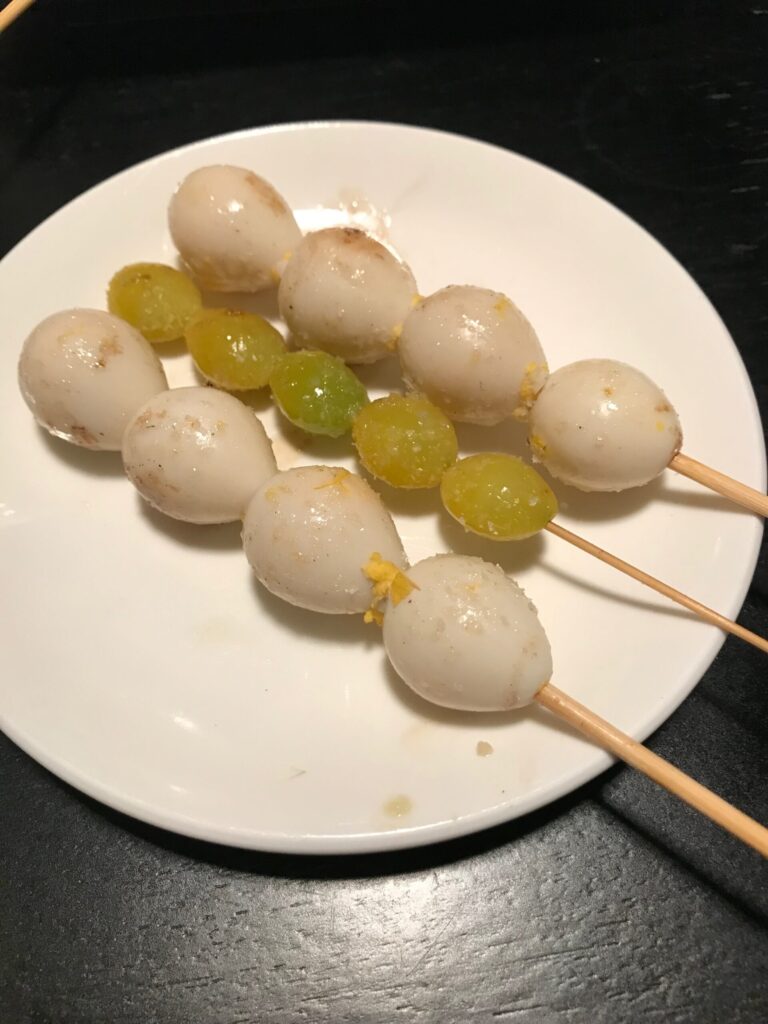
One of my favorite things to eat in Japan is yakitori, or technically kushiyaki! The term yakitori literally means “grilled bird,” referring specifically to chicken skewers. But in practice, Japanese restaurants that specialize in grilled skewers of all kinds — chicken, beef, pork, seafood, vegetables — are very commonly still called yakitori restaurants. It’s actually more accurate to call those restaurants kushiyaki, which means grilled skewers. Some of my favorites are grilled chicken thighs, chicken wings, quail eggs, ginko nuts, mochi wrapped in bacon, shishito peppers, and tsukune (chicken meatballs). Order a lemon sour with your meal, a refreshing cocktail made of shochu (a Japanese distilled spirit), fresh lemon juice, and carbonated water.
The yakitori in Japan is unlike any you’ll eat elsewhere — they use a special type of white charcoal that burns at a very high, steady temperature which is said to cook the interior of the meat gently while searing the outside. The flavor is unmatched outside of Japan. If you order a combo plate, beware that yakitori menus often include cartilage, skin, and inards (liver, heart, gizzard).
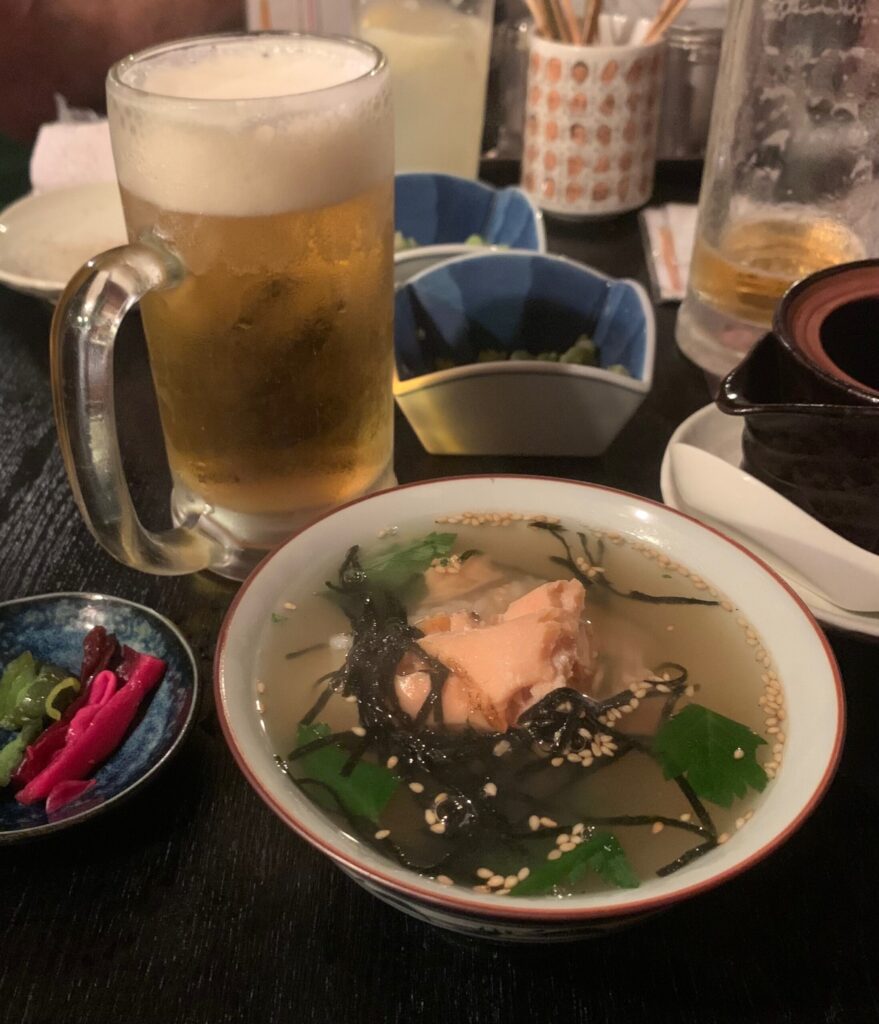
At the end of a meal, it’s common to order ochazuke, which is green tea, dashi, or hot water poured over cooked rice, and often topped with salted salmon.
Ochazuke
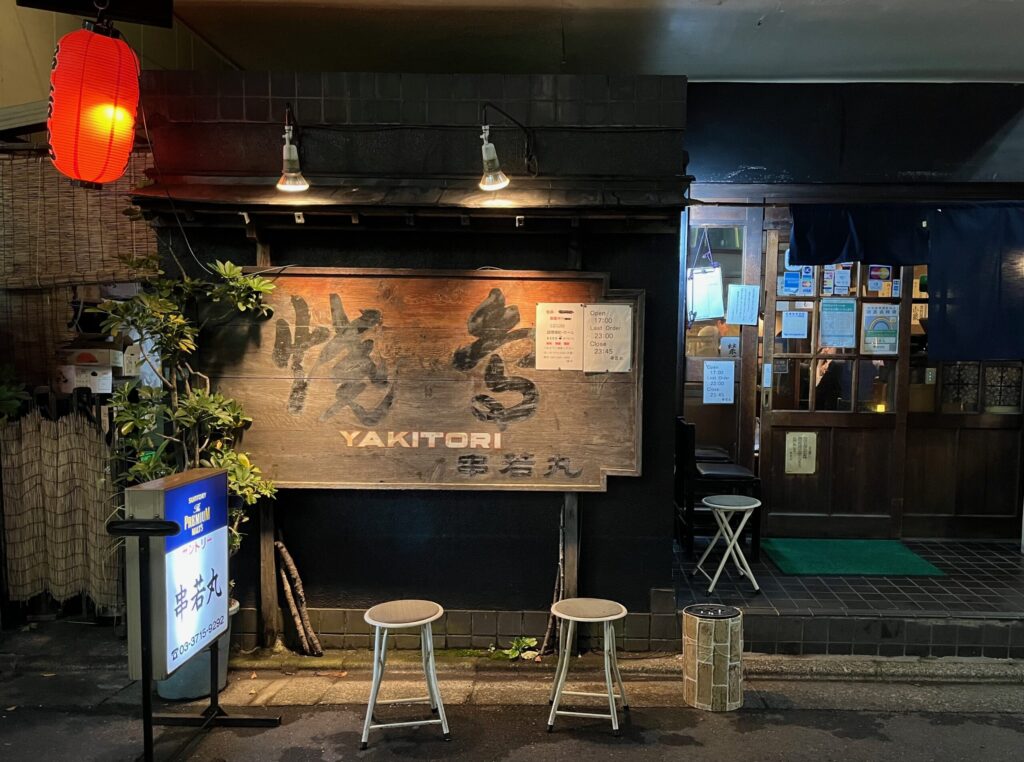
KushiWakaMaru (favorite yakitori in Nakameguro)
Sushi | Sashimi
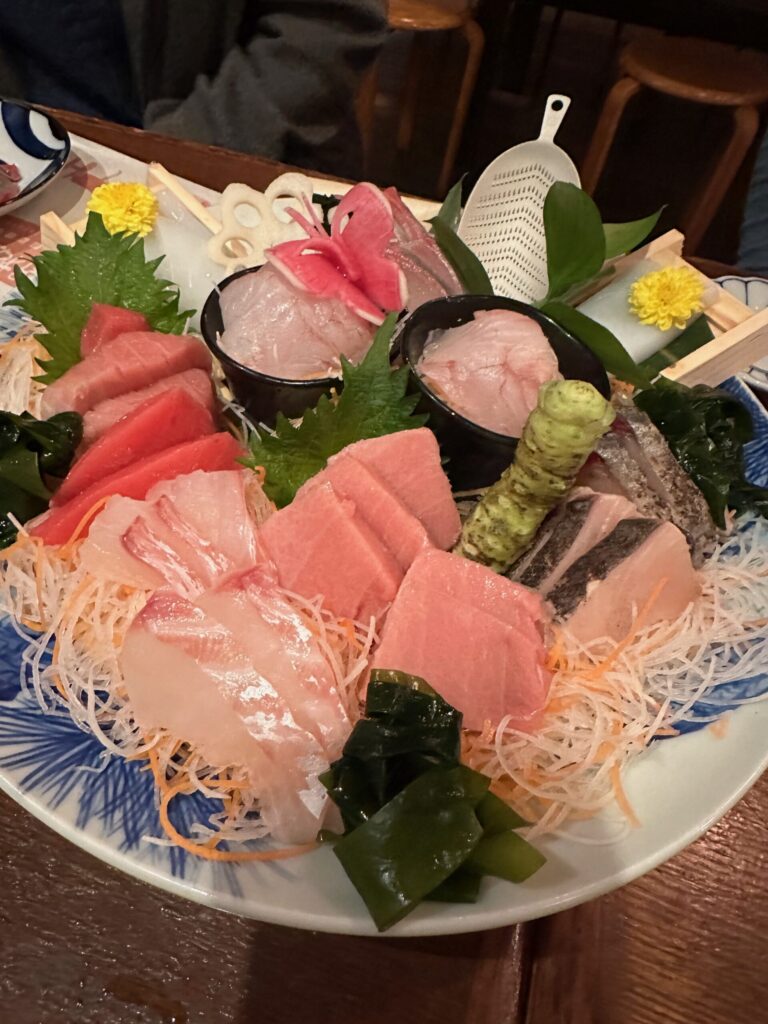
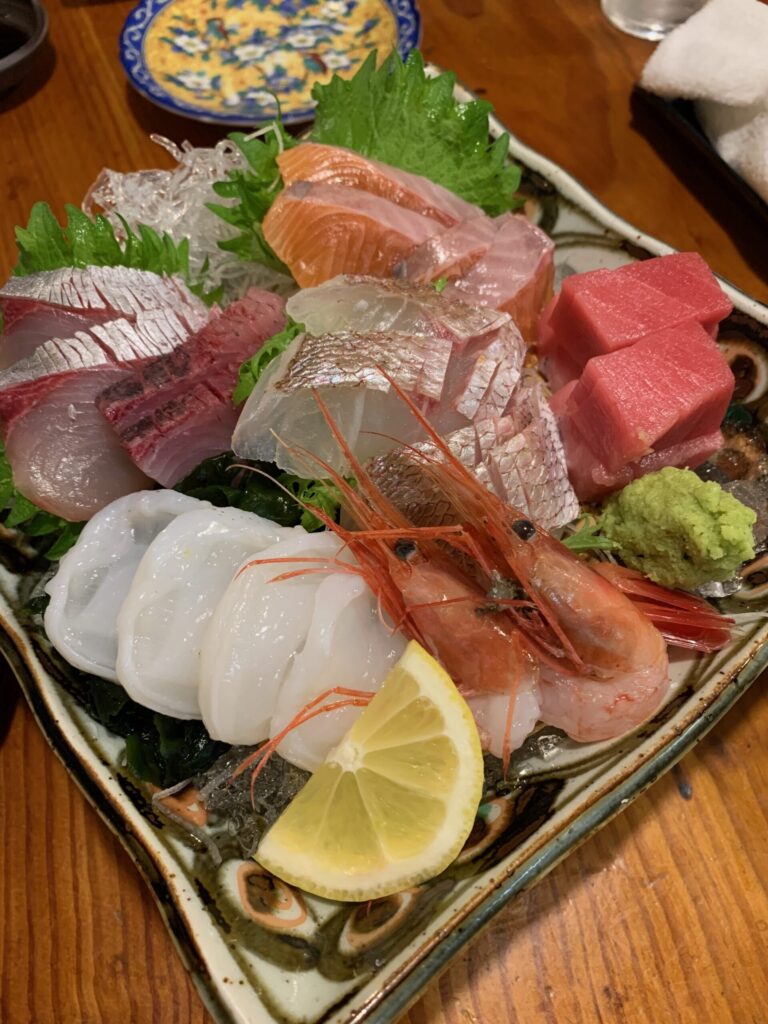
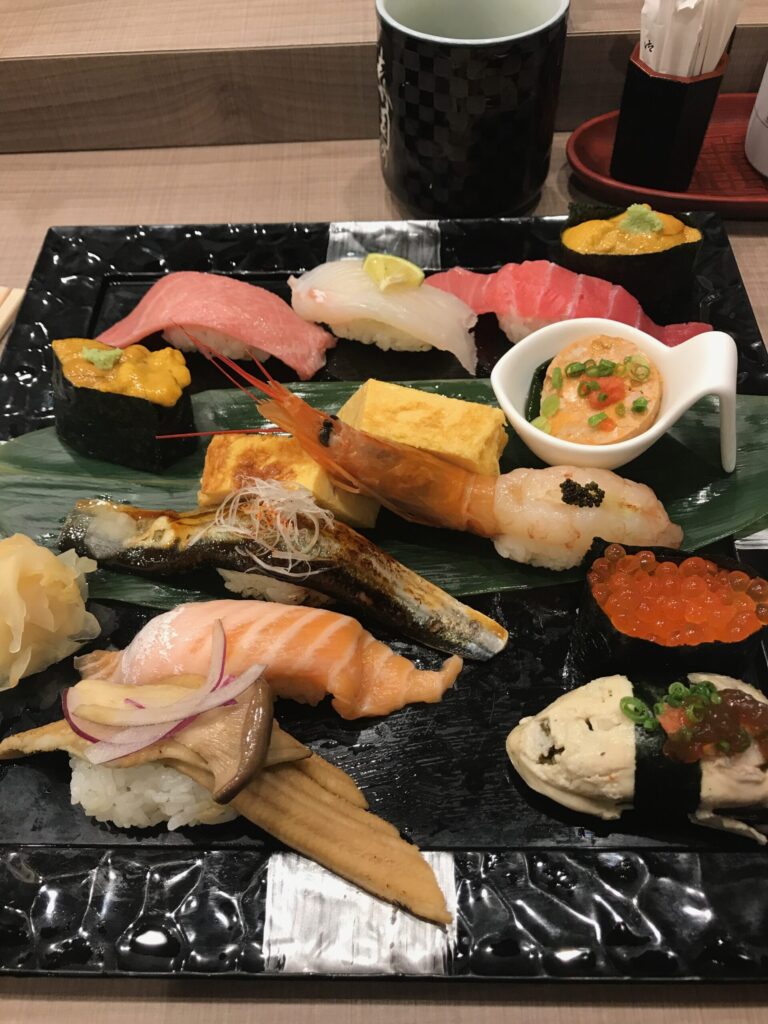
Sushi and sashimi are widely available in Japan – neighborhood supermarkets, izakayas (pub), kaiten (conveyor belt) sushi restaurants, omakase sushi restaurants – and the quality and price are unbeatable.
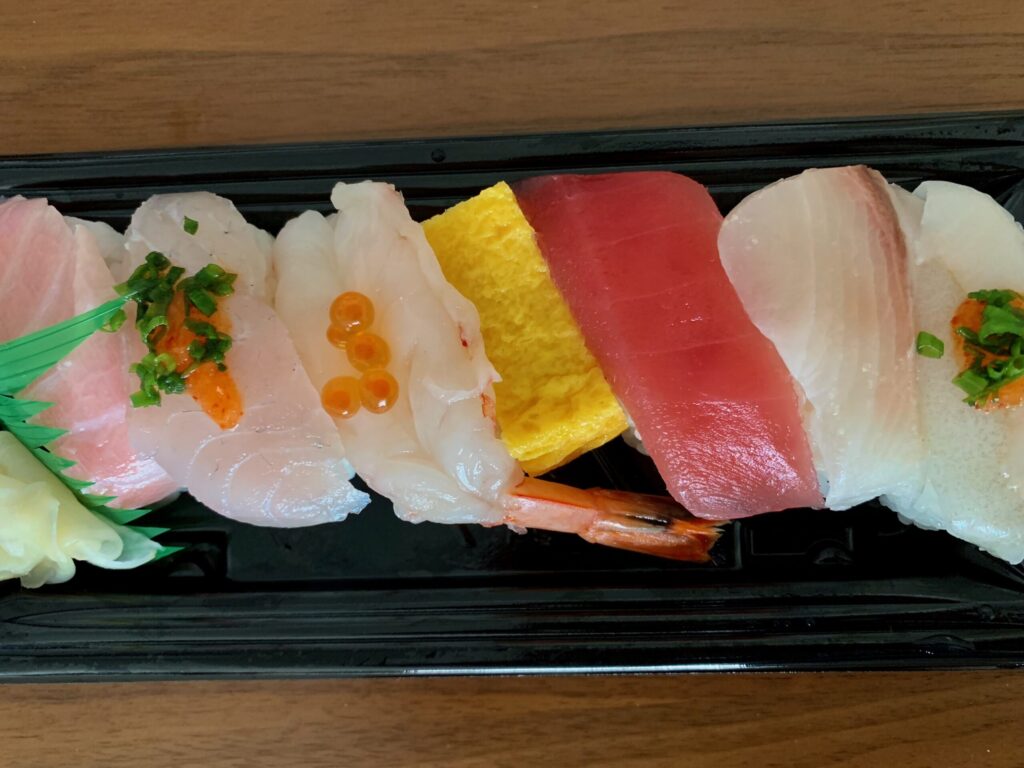
supermarket sushi
Most, if not all, supermarkets carry sushi. They come in small snack sizes and larger platters. Supermarkets generally start marking down prices for sushi around 7pm, with discounts getting steeper the closer it gets to closing time.
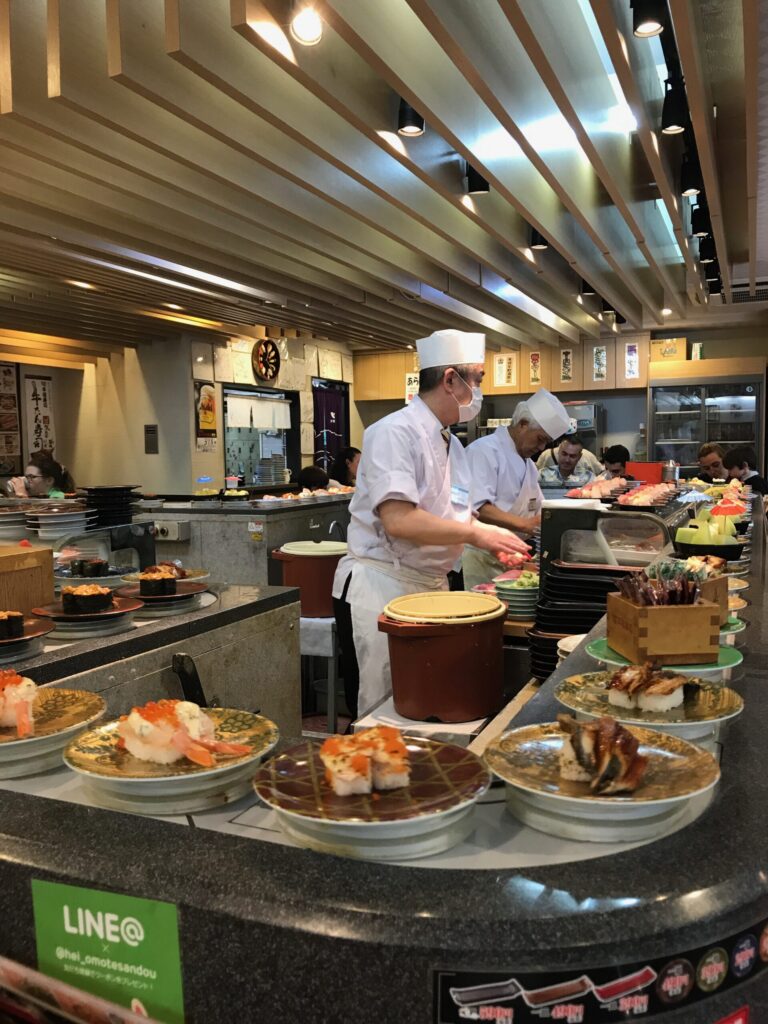
Another way to get affordable sushi in a casual setting is to go to a kaiten sushi (literally “revolving” or “rotation sushi”) restaurant. Often plates start around 100 to 120 yen (around 65 cents to $1.50). Some kaiten sushi will have sushi going around the conveyor belt constantly, for anyone to take. At many kaiten sushi restaurants, you can also put in an individual order – often using a tablet – and the conveyor belt will deliver it directly to your table. Sushi is served on plates of different colors that correspond to different price points — green plates for less expensive items, and gold for luxury items like fatty tuna. After eating, stack your plates neatly in your seating area and someone will tally the plates at the end of the meal to calculate your bill. Sushiro and Kura Sushi are popular options.
At a high-end sushi restaurants, the omakase meal typically comes with about 20 courses. It generally starts with 2–3 small appetizers, such as sashimi, cooked fish, or seasonal items like chawanmushi, then a procession of nigiri (sushi) from lighter to heavier. The meal ends with Temaki or Hosomaki (rolls), Tamago (sweet egg omelet), and miso soup. Sushi restaurants are typically quite small so reservations are a must. Some of the most acclaimed sushi restaurants in all of Japan currently are: Nihonbashi Kakigaracho Sugita, Sushi Saito, Sushi Arai, and Tenzushi Kyomachi in Kokura. These restaurants will set you back about ¥40,000–¥59,000 (~ $250-$400) range per person
Tonkatsu
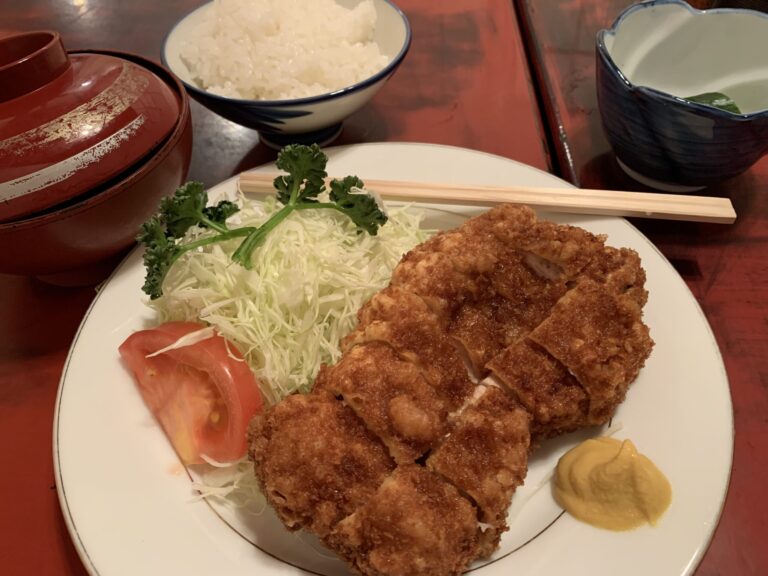
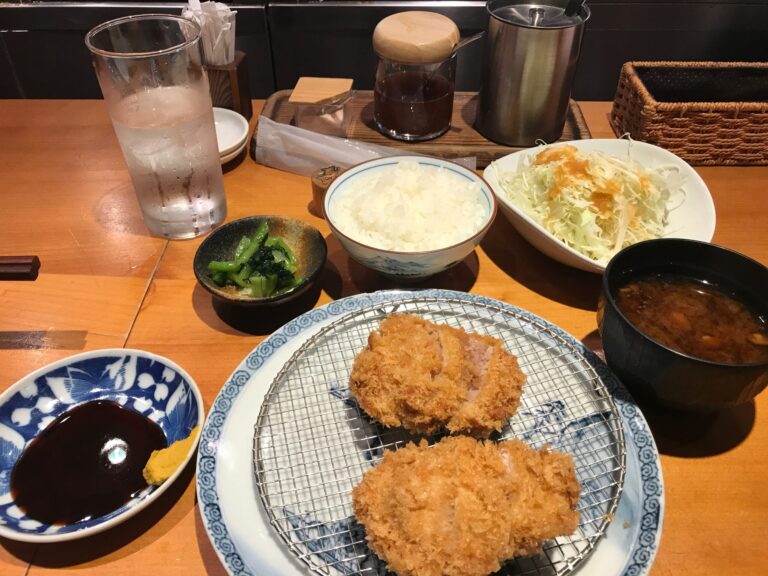
Tonkatsu is a popular dish consisting of a pork cutlet (loin or tenderloin) that is breaded with panko and deep-fried. It’s typically served with shredded cabbage, savory-sweet tonkatsu sauce, miso soup, and rice.
For a high-quality mid-priced tonkatsu, my favorite is Nishiazabu Butagumi. Katsu Pulipo (Shinjuku) is highly rated, but is a bit more pricey. Tonkatsu Tonki in Meguro has been a staple in Tokyo for over 85 years, and is loved by many. Personally, I thought it was a bit greasier tasting than the others, but the price point is lower.
In my opinion, the pork in Japan is much tastier than in the U.S. The pigs are fed a different diet and tend to have superior marbling. This high-quality fat, which contains oleic acid, provides a sweeter, richer taste. Higher-end tonkatsu restaurants often source their pork from various regions in Japan and have perfected different aging methods. You’ll get a perfectly prepared piece of meat that’s crispy on the outside and tender and juicy on the inside.
Shabu Shabu | Sukiyaki
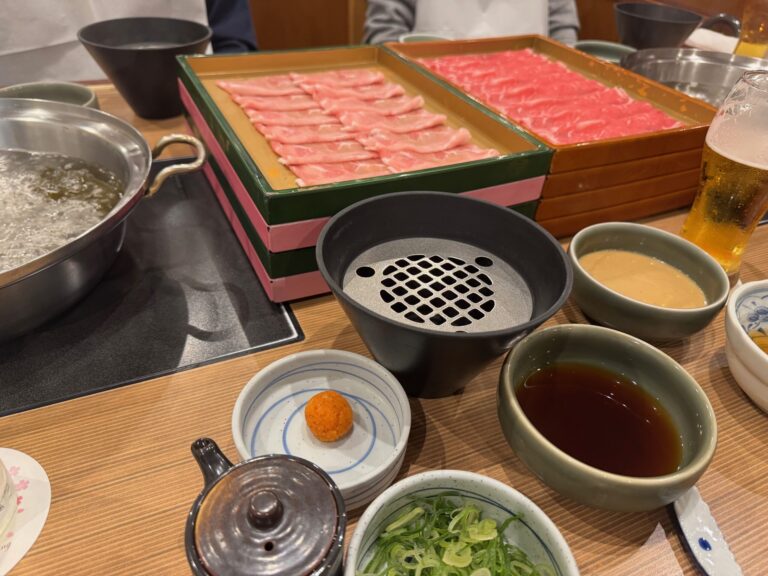
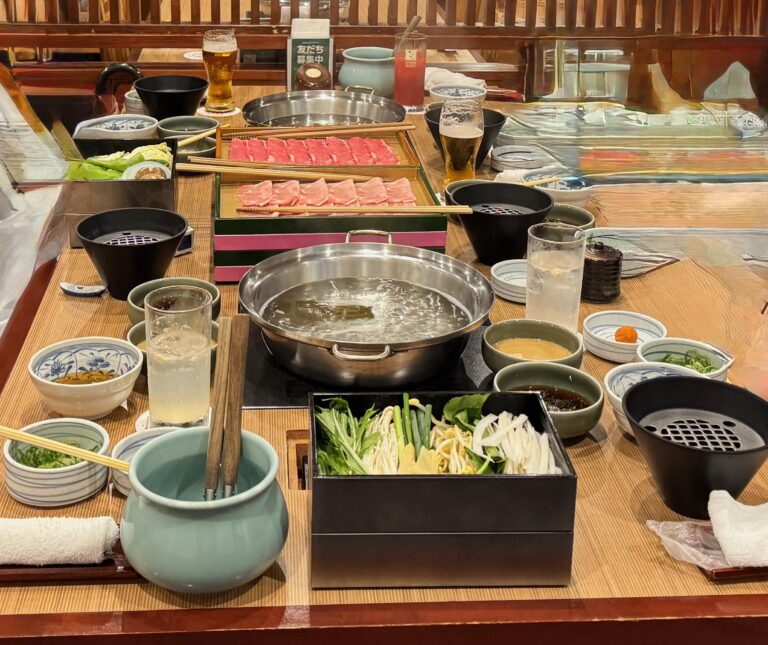
If you go to Japan during the colder months, having shabu shabu is a must. At your table, you’ll have a pot with hot kombu dashi broth, where you’ll swish your paper-thin slices of premium beef (or pork/seafood) for a few seconds, then dip it in sauce, usually ponzu (citrusy) and goma-dare (rich sesame). Japan’s wagyu and A5 beef, sliced razor-thin, melts the moment it hits hot broth. At the end, you finish by adding rice or noodles to the umami-rich broth. The meal is light, but warming.
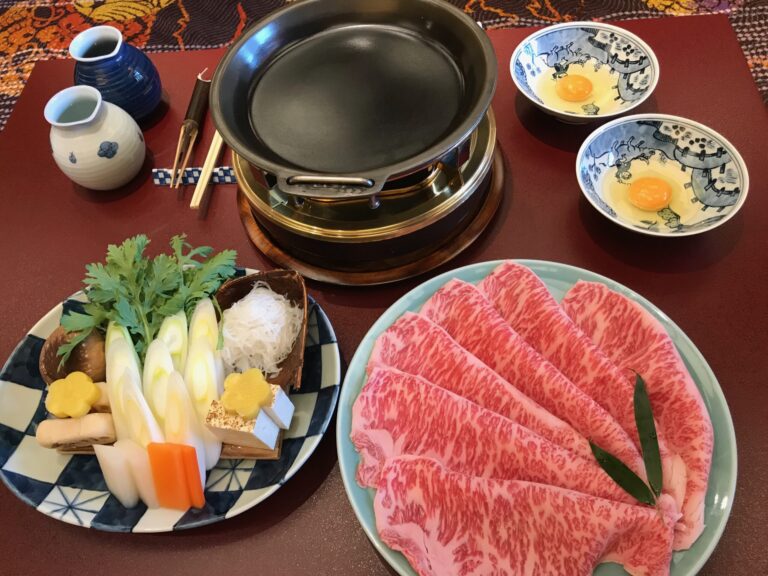
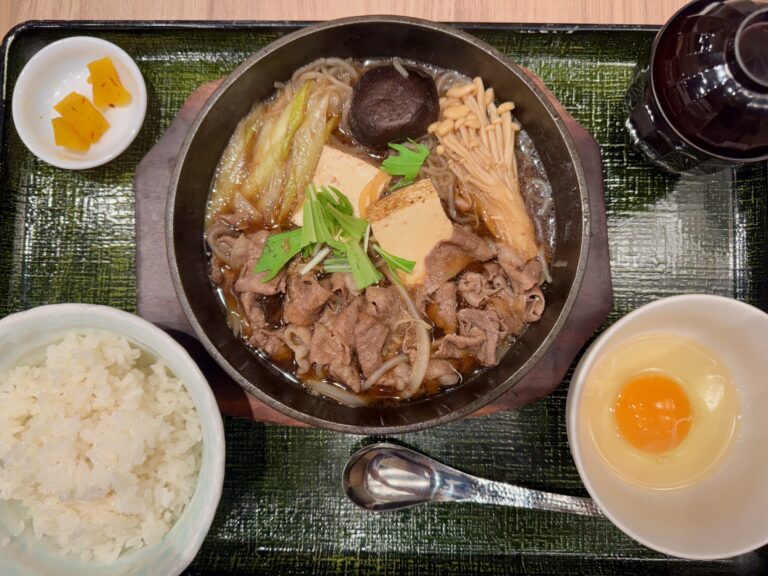
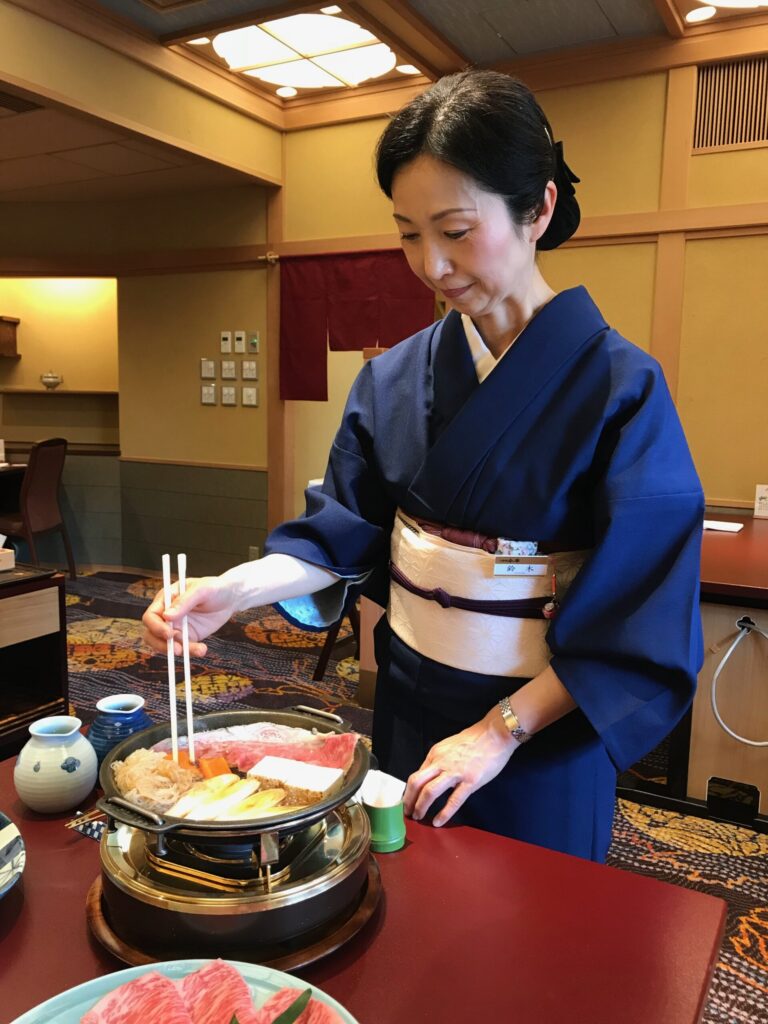
Most shabu shabu restaurants also serve sukiyaki, which is a dish where thinly sliced beef is simmered in a sweet-savory sauce of soy, mirin, sugar, and sake — then dipped in raw beaten egg before eating. The flavor of sukiyaki is stronger than shabu shabu, but both are delicious and the flavor and quality of the beef unbeatable.
Shabu Shabu
Sukiyaki
Yakiniku
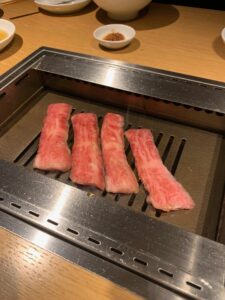
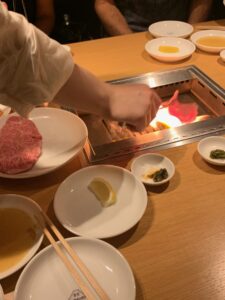
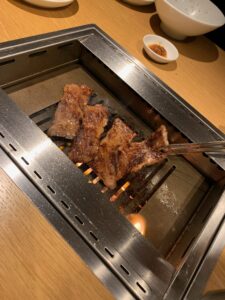
Similar to shabu shabu where you cook your food at the table, yakiniku is where you grill meat at the table. You can select the type of meat you’d like, cook it at the table, then dip it in either tare (shio, shoyu, miso, goma), ponzu, or course salt.
Tempura
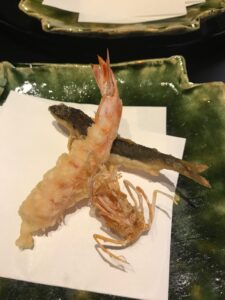
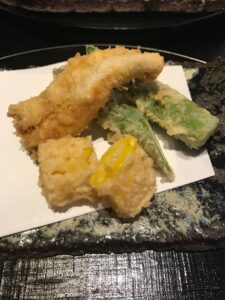
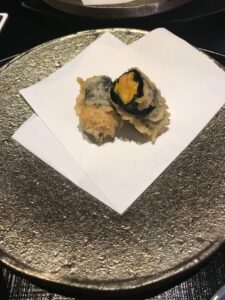
Japanese tempura is a world apart from what most people outside Japan have tried. The batter is what makes it so special — made with ice-cold water and barely mixed flour (lumps are intentional), it fries up into an almost translucent, feather-light shell that shatters at the slightest bite. There’s no greasiness, no heaviness. The point is to let the ingredient inside shine, not to mask it.
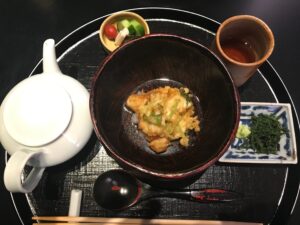
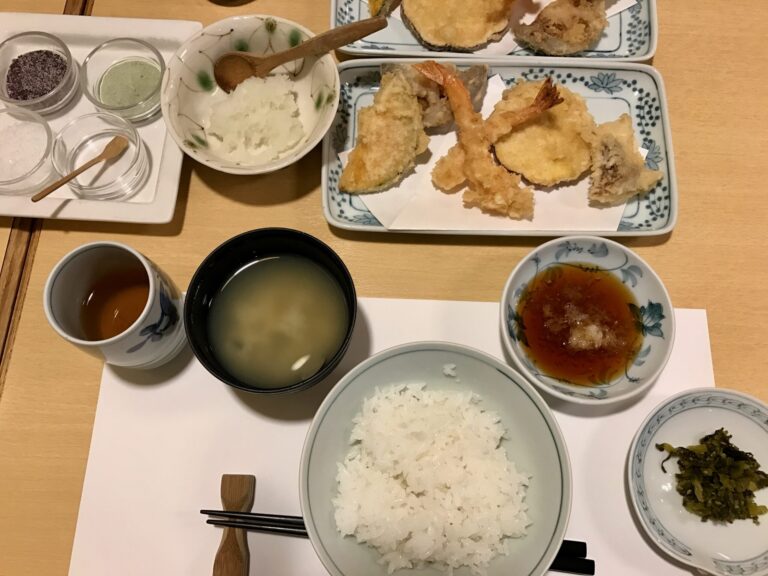
In Japan, there are restaurants dedicated to just tempura, but there are varying levels. At the fine-dining tempura restaurants, the chef fries each piece to order and places it on your plate or a paper-lined tray one by one, piece by piece, in a precise sequence. You eat each one immediately while it’s at its absolute peak. The whole meal unfolds like a performance. You can also experience tempura in more casual mid-range restaurants. There, you can order a teishoku set (a tray with rice, miso soup, pickles, and a selection of tempura) or a don (tempura over rice, called tendon).
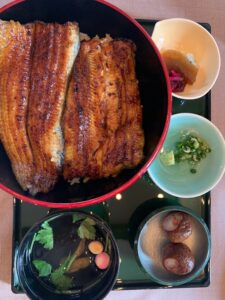
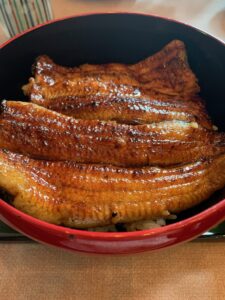
Unagi
Unagi is freshwater eel and has a rich, fatty, deeply savory flesh with a subtle sweetness. In Japan, it’s prepared with a caramelized glaze and served over rice (unadon or unaju). The preparation is an art form honed over centuries. Tokyo-style (Kanto) butterflies the eel, steams it first, then grills it — resulting in an incredibly soft, fluffy texture. Osaka-style (Kansai) skips the steaming and grills it directly for a crispier, more caramelized result. Japanese eels have a fattier, more delicate flavor than European or American eels. The Japanese method of preparation — especially the steaming step — was developed specifically for this species and produces a texture that’s almost custardy inside with a lacquered exterior.
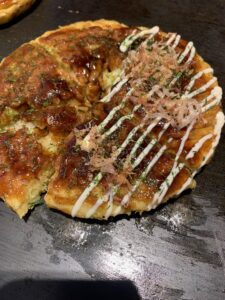
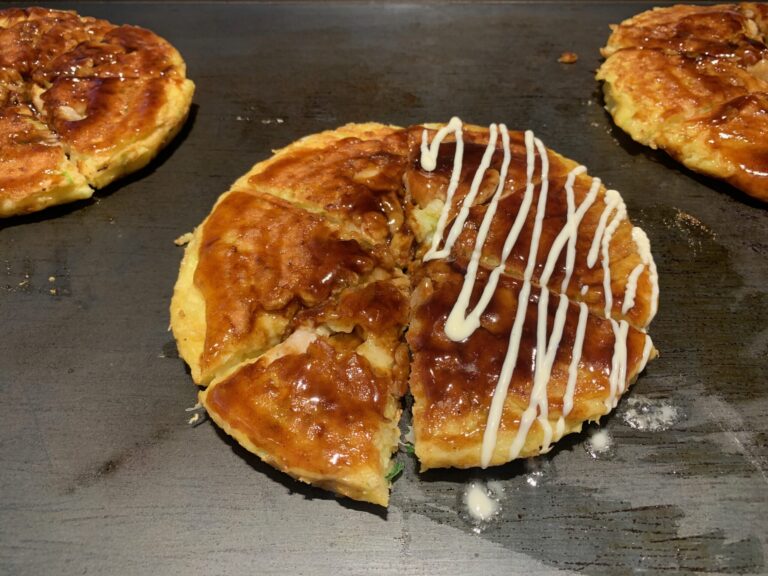
Okonomiyaki
Okonomiyaki is a savory Japanese pancake often grilled at your table. The name means “grilled as you like it,” reflecting its customizable nature. There are two primary regional variations:
Osaka style: made from a batter of flour, eggs, and dashi, then mixed with cabbage, protein (pork, seafood), tenkasu (tempura scraps), pickled ginger, and topped with a sweet and tangy okonomiyaki sauce, Japanese mayonnaise, bonito flakes, and seaweed flakes.
Hiroshima style: the ingredients are layered, not mixed. A thin crêpe-like batter base goes down first, then a mountain of cabbage and bean sprouts, then pork, then — most distinctively — a portion of yakisoba or udon noodles, and finally a fried egg underneath it all..
Takoyaki
Takoyaki, which literally translates to grilled octopus, refers to the savory dish of grilled balls of batter made with flour and eggs filled with octopus chunks and other ingredients like pickled ginger (beni shoga) and leftover fried tempura batter (tenkasu). A perfectly made one has a slightly crispy shell that gives way to a molten, creamy, almost custard-like interior — the batter isn’t fully cooked through, which is intentional. Inside sits a chewy chunk of octopus, pickled ginger, and tenkasu (crunchy tempura scraps). Then it’s lacquered with sweet-savory takoyaki sauce, a drizzle of Kewpie mayo, a shower of aonori (dried seaweed), and paper-thin bonito flakes that wave and curl dramatically in the rising heat.
It originated in Osaka in 1935, so it’s a must-try in the Dotonbori area. Takoyaki became the edible symbol of Osaka, the same way pizza belongs to Naples. Osaka natives are fiercely loyal to their local takoyaki shops.