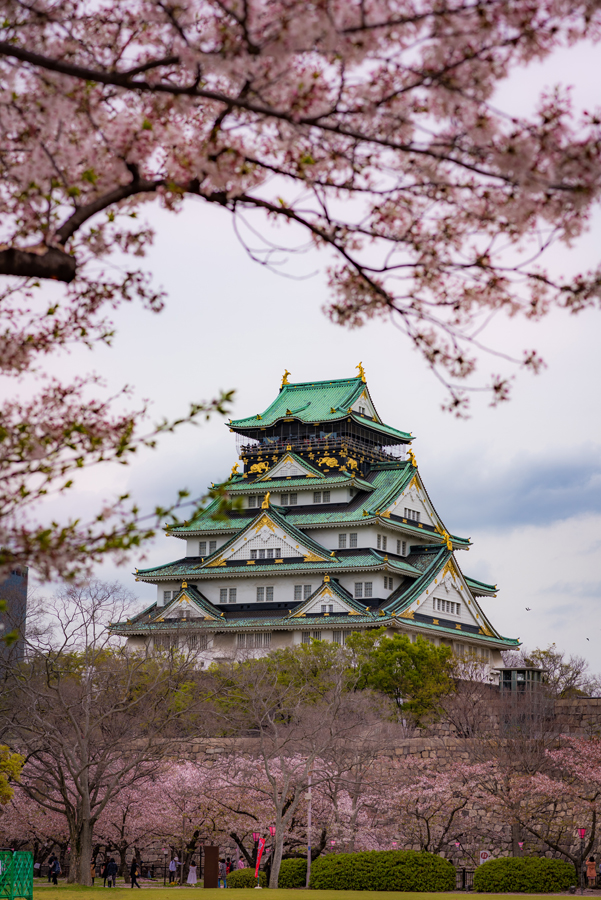
Osaka
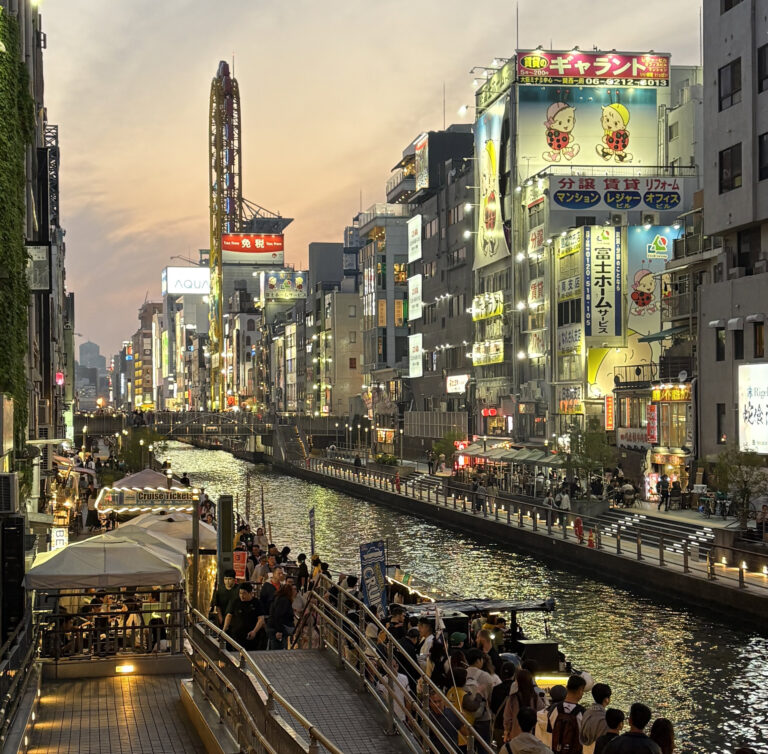
Osaka is Japan’s third-largest city and is known for food, fun, and friendliness. The city is perhaps best known for kuidaore — a local saying that roughly means “eat until you drop” — and its streets deliver on that promise, from the neon-lit food stalls of Dōtonbori serving takoyaki and okonomiyaki, to the sprawling covered arcades of Shinsaibashi.
Overview
Stay
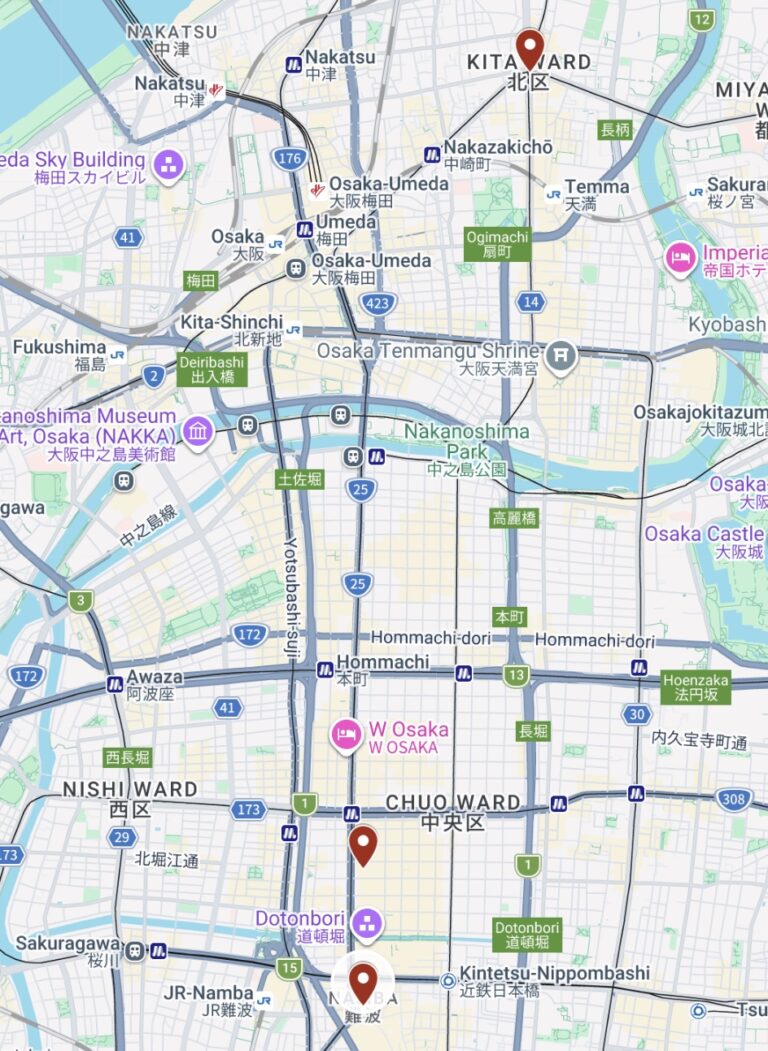
- Minami (Namba) – best for first-time visitors; Fraser Residence Nankai Osaka or Swissôtel Nankai Osaka
- Kita (Umeda) – best for luxury travelers and day trips; Osaka Station Hotel
- Shinsaibashi – best for shopping; W Osaka
Explore
- Dōtonbori district and Tombori River Walk
- Namba and Shinsaibashi shopping district
- Osaka Castle
Eat
- Okonomiyaki Mizuno
- Hozenji Yokocho Alley (night pub crawl)
- Takoyaki Wanaka (Dōtonbori)
- Chitose (Nishinari) – okonomiyaki
- Yosakura (Shinsaibashi) – wagyu
Where to Stay
For most first timers, I’d recommend staying in Namba, an area right in the heart of Osaka. Namba is where you’ll find many of Osaka’s famous sites, and it has the highest density of restaurants and nightlife.
Namba is home to Dotonbori and the Tombori River Walk, a boat-filled canal street featuring flashy neon signs, and endless street food. Dotonbori is probably the most recognizable area of Osaka. You’ll be walking distance to many attractions, and easily connected by train to areas further away.
What to See
Dōtonbori | Tombori River Walk
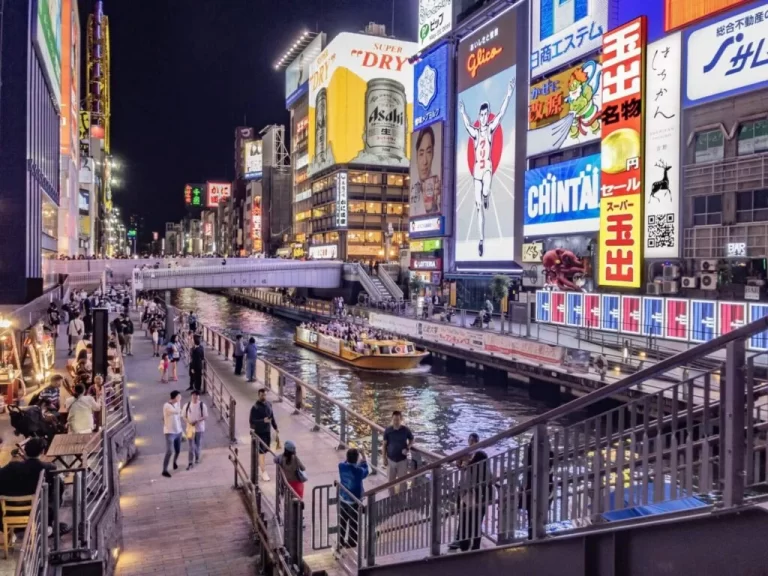
Dōtonbori is Osaka’s electric entertainment district — a canal-side strip of glowing signs, street food stalls, and restaurants. This is the place to try takoyaki (octopus balls) and okonomiyaki (savory pancakes).
The Tombori River Walk, established in 2004, is a vibrant waterfront promenade stretching along the Dotonbori River in Osaka’s Dotonbori district. The area is especially famous for its dazzling neon lights that reflect off the water, creating a lively and photogenic atmosphere — particularly at night. Iconic landmarks like the Glico Running Man sign and Ebisu Bridge are must-see attractions along the walk. You can also set sail on a 20-minute Dotonbori Mini Cruise departing from Tazaemonbashi Pier, which offers a unique vantage point of the bustling area with a guide sharing stories about the famous spots.
Namba and Shinsaibashi area
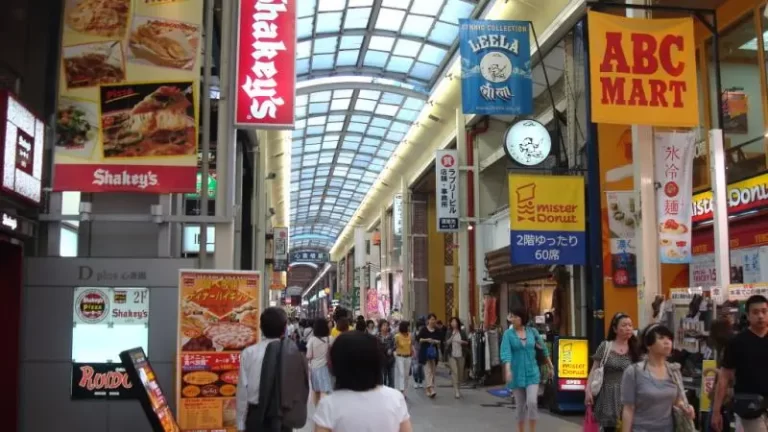
Osaka’s main shopping and nightlife corridor — great for department stores, boutiques, and izakayas.
Osaka Castle
Osaka’s most iconic landmark — a stunning feudal castle surrounded by a moat and parkland. The Castle was built in 1583 by Toyotomi Hideyoshi, a famous military leader, during the Sengoku period — a turbulent era of civil war and political instability in Japan. The castle was designed as a symbol of his power and authority, featuring traditional Japanese castle architecture with multiple layers of defensive walls, moats, and towers.
There were four pivotal moments of destruction: during the Siege of Osaka in 1615, the castle was almost completely destroyed and rebuilt in 1620; in 1665 the tower was struck by lightning and fire, leaving it without a tower for a long period; it was again destroyed during the Boshin War of 1868–69; and finally, air raids during World War II targeted the castle, which was then serving as a military arsenal.
Today, Osaka Castle is regarded as one of Japan’s three great castles and is designated as a Special Historic Site. Within the castle grounds, remnants such as the Otemon Gate, Ichiban-yagura Turret, and Kimmeisui Well still stand, many of which are designated as Important Cultural Properties.