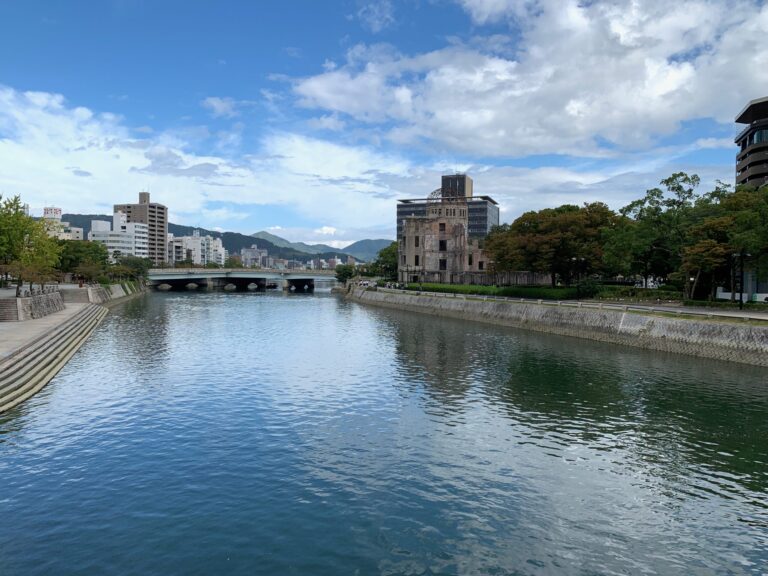
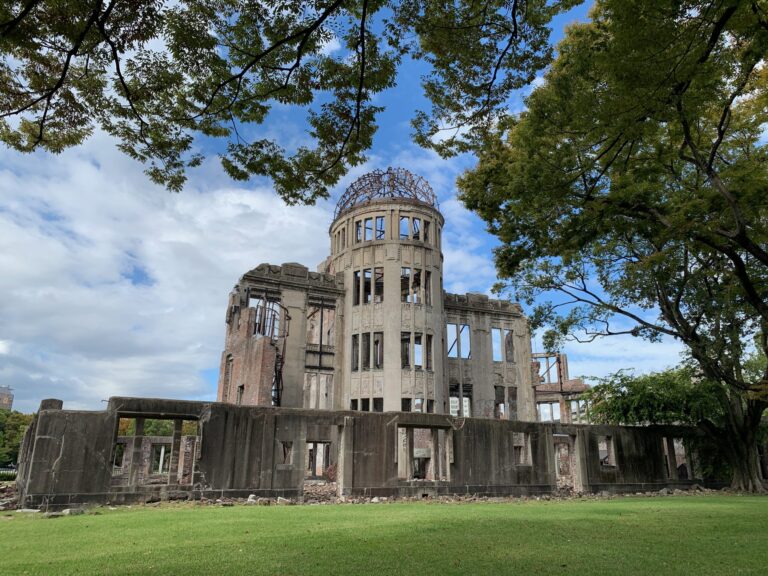
Visiting Hiroshima will give you a better understanding of Japan and the events that have shaped the country’s past and present. When the first atomic bomb was dropped over Hiroshima on August 6, 1945, the city became known worldwide for this unenviable distinction. The destructive power of the bomb was tremendous and obliterated nearly everything within a two kilometer radius. The Peace Memorial Park and Museum sit around the skeletal A-Bomb Dome, a sobering, beautifully preserved reminder of its tragic history.
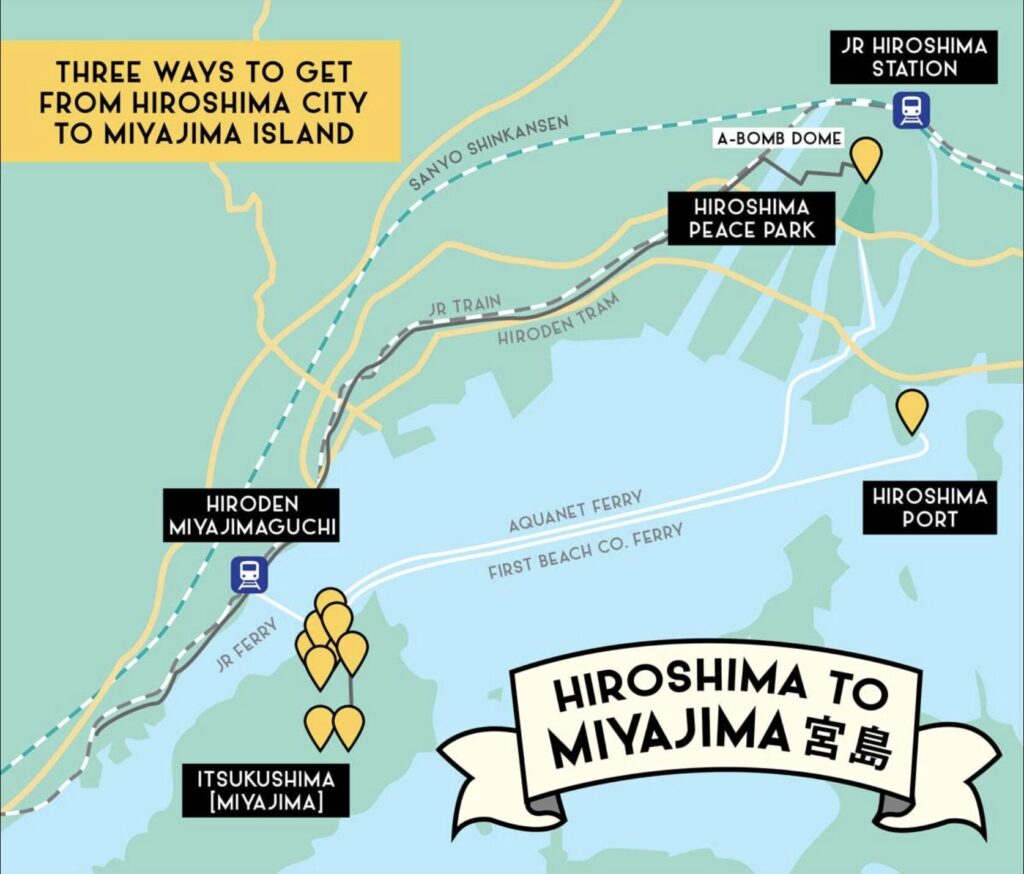
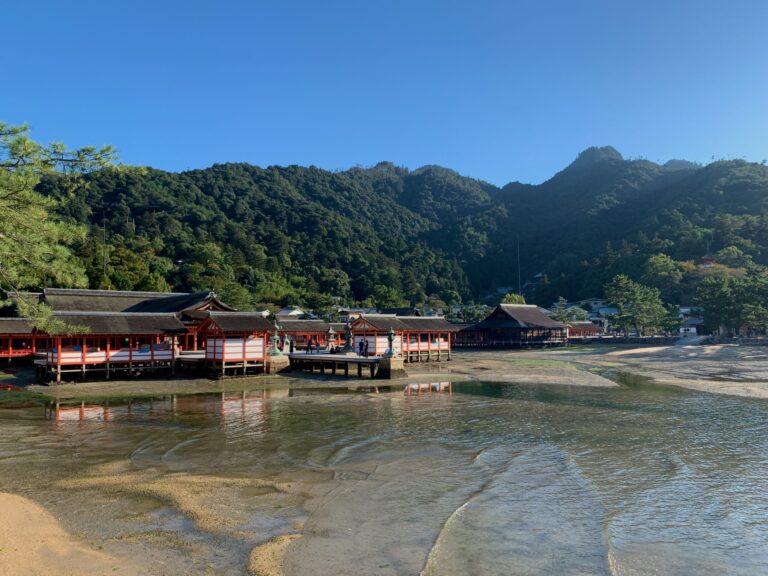
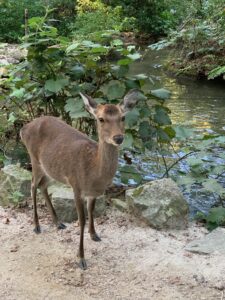
In contrast, the island of Miyajima offers a gentler counterpoint: the great vermilion torii gate of Itsukushima Shrine appears to float on the tide, wild deer wander the streets, and a ropeway or hike up Mount Misen rewards you with sweeping views over the Seto Inland Sea. Together, they balance solemn history with natural beauty. Miyajima Island is just a short ferry ride away (~10 minutes). It’s possible to do this in a day trip, but I would recommend spending two days if you have the time.
Overview
Stay
The Knot Hiroshima – basic hotel very close to the Memorial Museum and Atomic Bomb Dome
Oysters – the area produces two-thirds of all the oysters in Japan
Anago (salt-water eel)
Where to Stay
If your priority is convenience and cost, I would recommend that you stay in Hiroshima since there are many hotels to choose from at different price points. The attractions will also be an easy walk from many of the hotels in the area. If you prefer a scenic more memorable stay, I would recommend staying in a ryokan on Miyajima Island. Staying overnight lets you experience the island after the day-trippers leave—quiet streets, the torii gate lit up at night, and traditional ryokan with kaiseki dinners and oyster feasts.
How to Get There
To Hiroshima: It’s very easy getting to Hiroshima by train. The train from Osaka to Hiroshima takes only 1.5 hours with the Sanyo Shinkansen. From Kyoto, you can take the Nozomi or Mizuho Shinkansen which takes about 1 hr 40 mins, and from Tokyo, you can take the Nozomi 99 Hakata, a 3.5-4 hour trip.
To Miyajima (multiple options): Tram + Ferry – Hiroden tram from central Hiroshima (Line 2) to Miyajimaguchi Station (~1 hour). Short walk to the ferry terminal. Train + Ferry – Fastest option – JR Sanyo Line from Hiroshima Station to Miyajimaguchi (30 mins). Take the JR ferry to the island (10 mins). Boat from Hiroshima Peace Park– 45-minute boat cruise departing from pier located next to Motoyasu Bridge; purchase tickets in advance.
What to See
Hiroshima
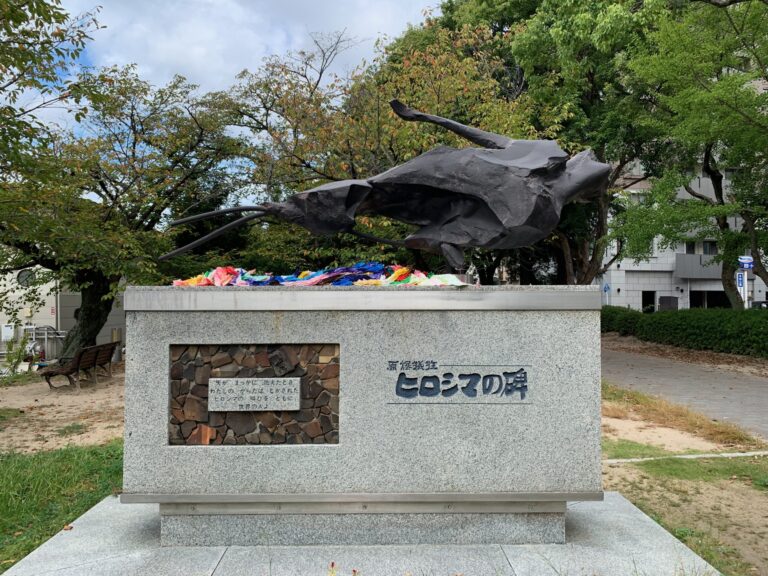
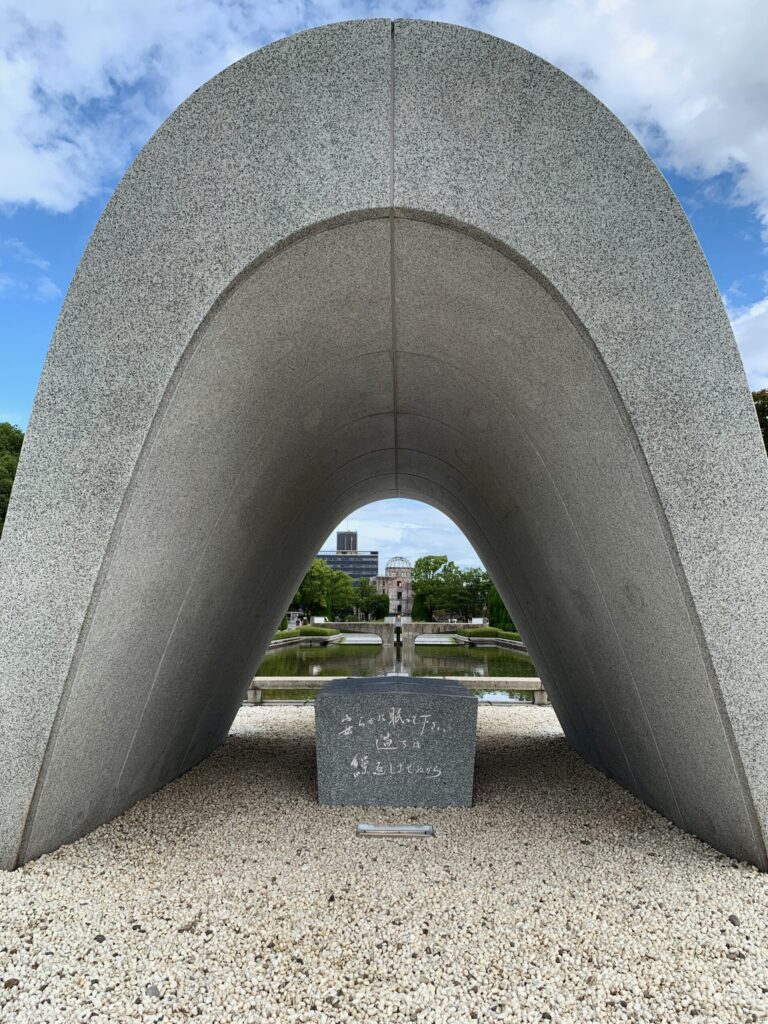
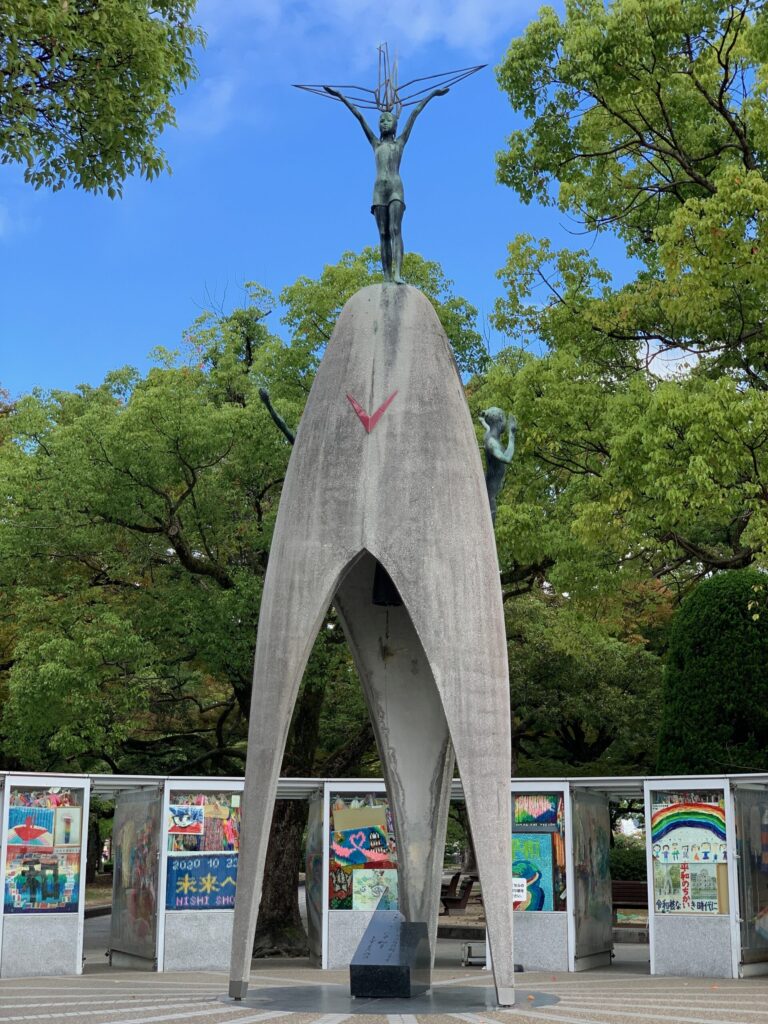
Start at the Peace Memorial Park. See the A-Bomb Victim Bronze Statue, the A-Bomb Dome, the Children’s Peace Monument, and the Cenotaph, then go through the Peace Memorial Museum (allow ~2 hours). The bronze statue is a reminder of the victims that died so miserably and tragically. The folded colored paper represents paper cranes, a universal symbol of peace, healing, and hope. The A-Bomb Dome is the only building that survived the blast because the bomb detonated almost directly overhead, driving the shockwave straight down and leaving the steel dome frame and jagged walls intact. The Peace Memorial Museum is definitely worth a visit — it’s very well done and , as you can imagine, very sad.
Lunch: Hiroshima-style okonomiyaki. Head to Okonomimura, a four-story building decorated with lanterns and banners, that houses over 25 different stalls, each offering their own unique rendition. There has long been a debate about whether Osaka or Hiroshima okonomiyaki is better. There are a few differences that distinguish Hiroshima okonomiyaki — the ingredients are layered, whereas Osaka is mixed. Yakisoba or udon noodles are a mandatory in Hiroshima style okonomiyaki, which is a defining foundation of the dish, making it much heavier and more filling as a complete meal. An egg is typically cooked separately as a base or top layer rather than mixed into the batter.
Stroll to Hiroshima Castle (reconstructed, with a small history museum) and the peaceful Shukkeien Garden nearby.
Dinner at Kanawa Oyster Ship (Kakifune Kanawa), a famous floating restaurant boat on the Motoyasu River in Hiroshima, specializing in gourmet oyster dishes and traditional Japanese set courses. For something more casual, get dinner and drinks around Hondori, the covered shopping arcade, or the Nagarekawa district.
A-Bomb Dome
A-bomb Victim - the Monument of Hiroshim
Hiroshima Victims Memorial Cenotaph
Children's Peace Monument
Miyajima
Aim to arrive at high tide if you can—that’s when the giant vermilion torii gate appears to float. This is the iconic tori gate you see in photos of Miyajima. Depending on your travel date, check a live tide table. Visit Itsukushima Shrine and meet the free-roaming deer (they’re everywhere!).
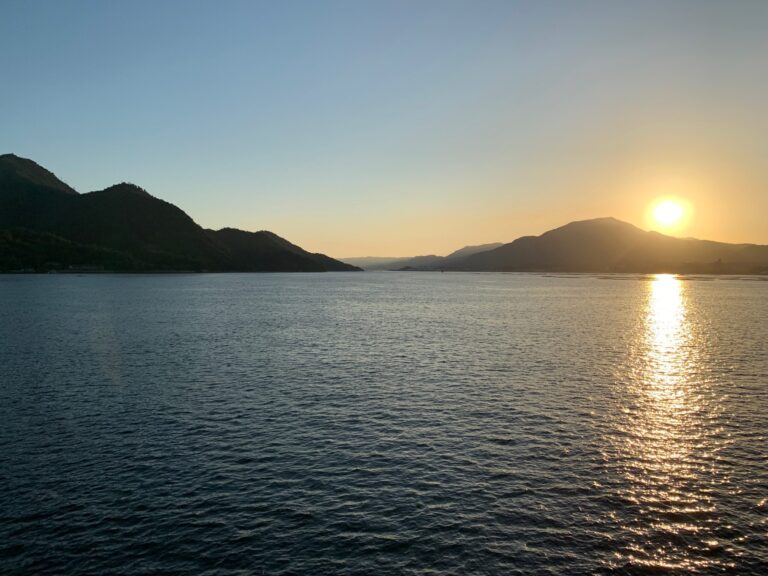
Ride the Miyajima Ropeway up Mount Misen, then hike the last stretch to the summit for Seto Inland Sea views. Take Daishoin course down. Grab grilled oysters (kaki) and momiji manju (maple-leaf cakes) from island stalls. If you are there in February, don’t miss the annual Oyster Festival. The Hiroshima/Miyajima area is the #1 oyster production region in Japan by volume, and accounts for 60-70% of all oyster production in the country.
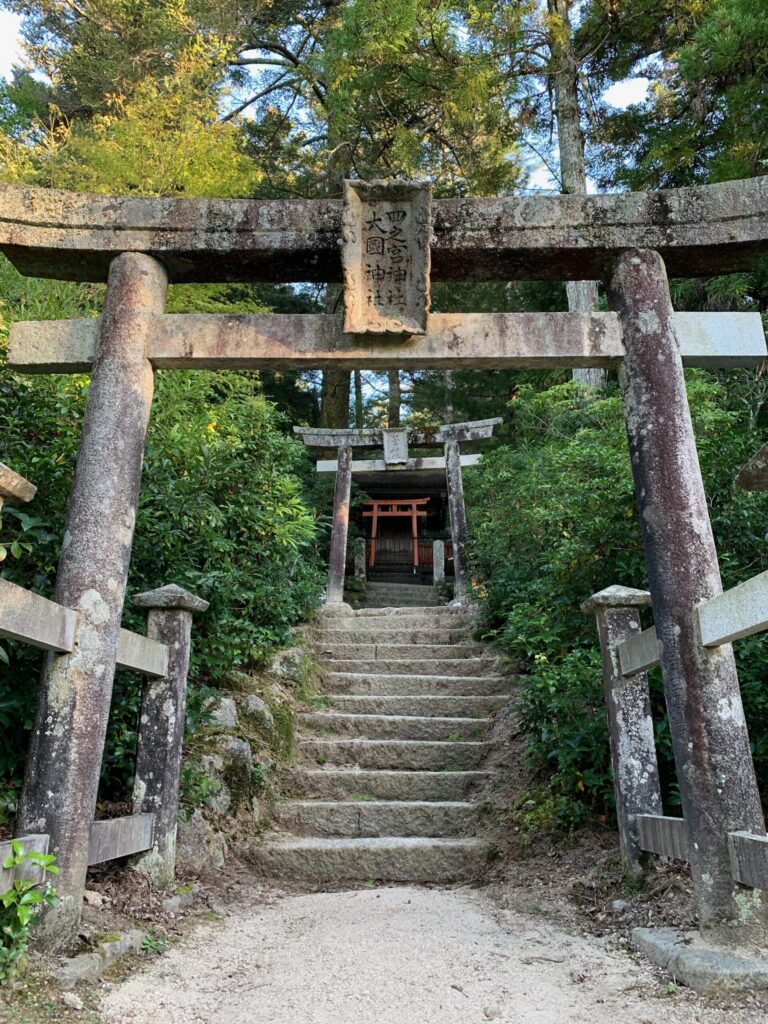
Wander Omotesando shopping street, see the five-story pagoda and Daishoin Temple, then ferry back.