Kyoto was Japan’s capital and the emperor’s residence from 794 until 1868. It exudes quintessential Japanese charm and age-old traditions. Serving as the capital for over 1000 years, Kyoto was the center for many of Japan’s defining customs, including the tea ceremony, ikebana (flower arranging), and geisha culture. It’s also the birthplace of Kaiseki cuisine, a multi-course culinary art form.
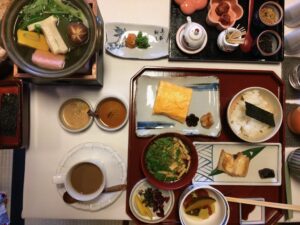
Kaiseki meal (in your ryokan or check Michelin Guide)
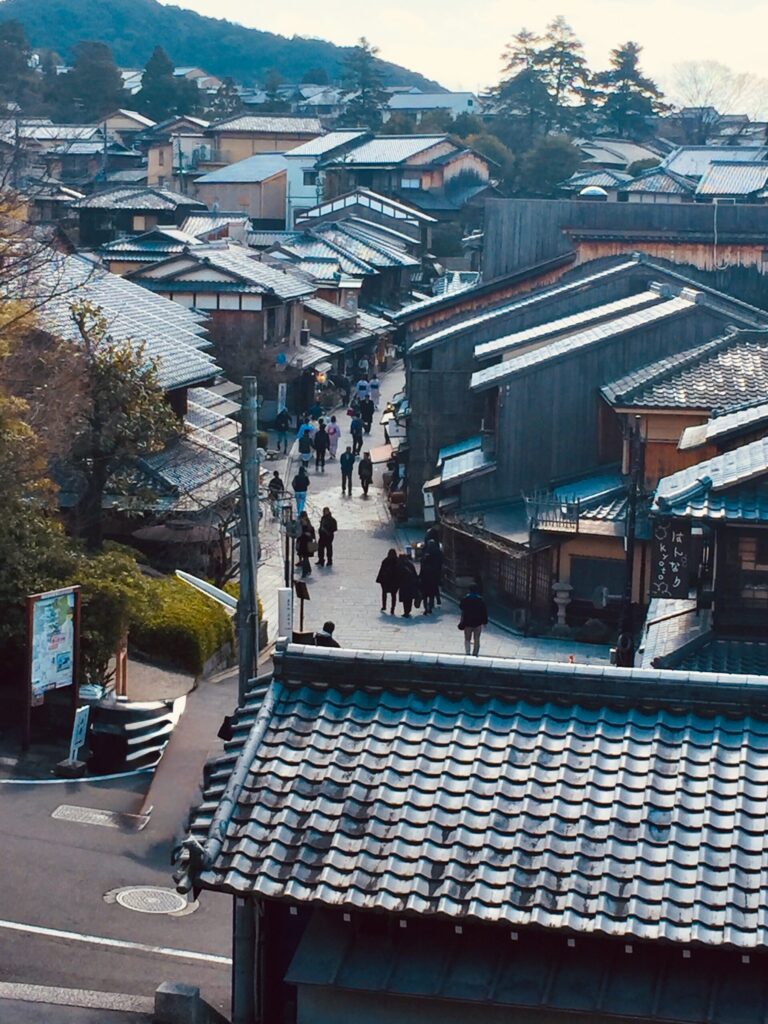
Find a small restaurant on Ninenzaka or Sannenzaka streets
Take a 30-min train ride to Osaka
Nishiki Market
Pontocho Alley izakayas
Gion Tsujiri for matcha soft serve
Where to Stay
The main sights in Kyoto are actually quite spread out, so you may consider staying a few nights on the Eastern side of Kyoto, then moving to the Western side. For example, from Ginkaku-ji to Arashiyama Bamboo Forest is about a 30 minute drive. I would also highly recommend staying 1 or 2 nights in a ryokan (a traditional Japanese inn). Most ryokans serve an elaborate breakfast and dinner, sometimes serving it in your room. It’s a very special experience!
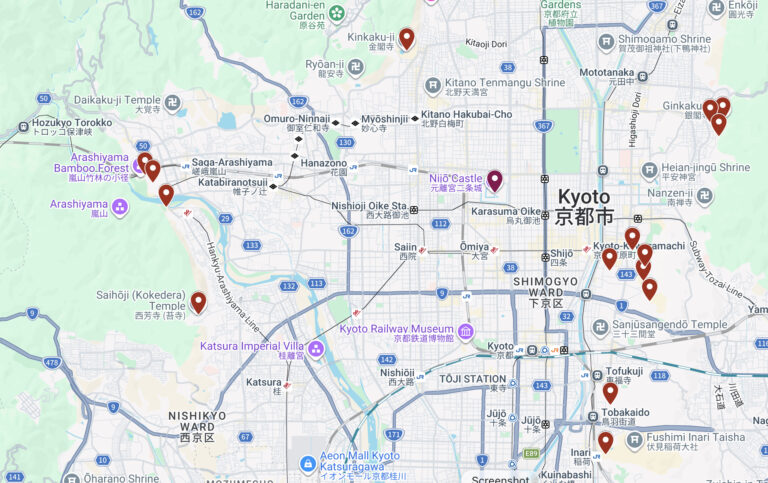
Below is a map of some of the key sights to visits. Keep in mind that there are over 2000 temples and shrines in Kyoto so you’ll want to base your decision on geographical grouping and personal interest. Each offers something a little different, but the most iconic and must-sees are Fushimi Inari-taisha, Kinkaku-ji (Golden Pavilion), and Kiyomizu-dera.
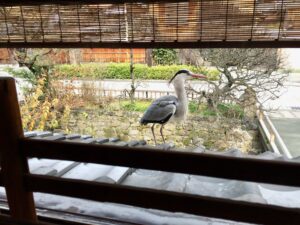
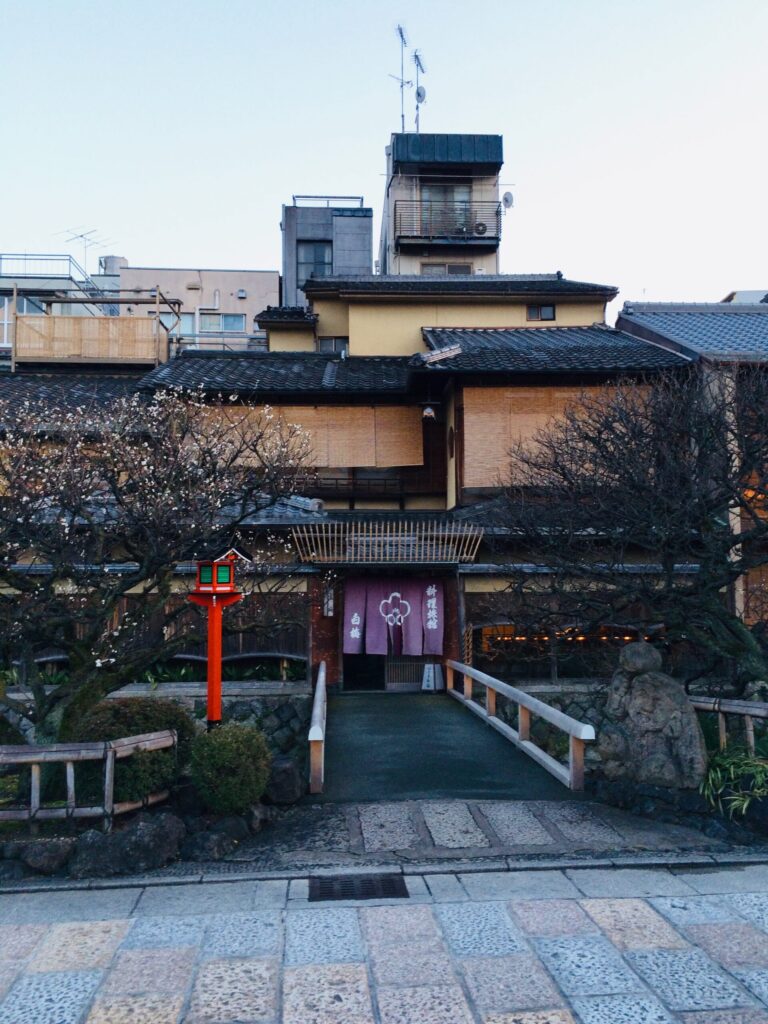
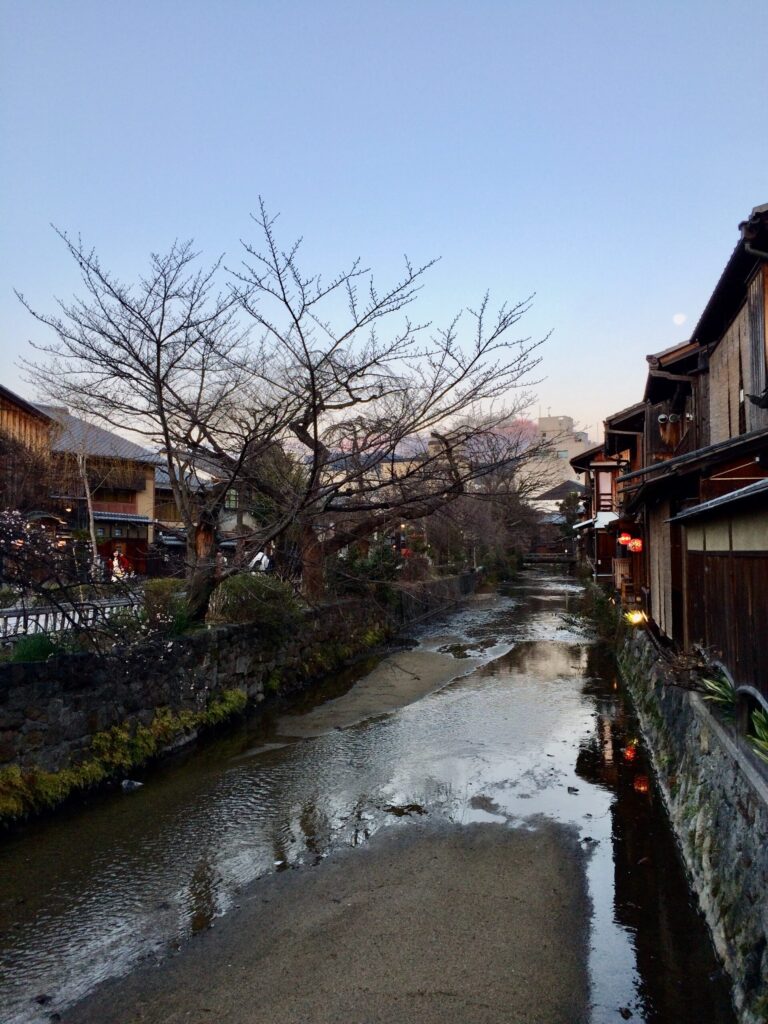
We had a very special stay at Shiraume Ryokan, right in the heart of Gion. In the late Edo period (1600-1868), the ryokan used to be an ochaya (where maiko or apprentice geiko live while they study, train and work). The inn is next to Shirakawa Stream, and was built in Sukiya style, a traditional tea ceremony house-style of architecture. For dinner, Shiraume offers traditional Kaiseki cuisine served in the room. They also serve an elaborate breakfast (choice of Japanese or Western). The innkeeper speaks English and will explain the meaning of each dish.
What to See
Eastern Kyoto
Ginkaku-ji | Philosopher’s Path | Hönenin Temple
Start your day at Ginkaku-ji (Silver Pavilion), a Zen temple built in 1482 by shogun Ashikaga Yoshimasa. Ginkakuji consists of the Silver Pavilion, half a dozen other temple buildings, a beautiful moss garden and a unique dry sand garden. Then walk down Philosopher’s Path to Hönenin Temple, a small Buddhist temple. This hidden gem offers a more intimate and reflective experience. When you first walk through the entry, you’ll see two small mounds of sand on both sides of the path, which are meant to purify one’s body and soul. The temple grounds are characterized by their lush moss gardens, tranquil ponds, and carefully manicured landscapes that change with the seasons.
Yasaka Shrine | Kodaiji Temple and Bamboo Forest | Ninenzaka and Sannenzaka streets | Kiyomizu-dera | Kenninji Temple
Yasaka Shrine was founded over 1350 years ago and is located between Gion and Hagashiyama. A 7-minute walk south you’ll see Kodaiji Temple and Bamboo Forest. This temple also offers momiji, where it’s illuminated with lights at night. Continue south to Ninenzaka and Sannenzaka, two historical narrow lane lined with small shops, cafes and restaurants. Walk another 5 minutes and you’ll be at Kiyomizu-dera. Founded in 778, this UNESCO World Heritage site is renowned for its stunning architecture, the sacred Otowa Waterfall, and its historical significance as a major Buddhist pilgrimage site in the Higashiyama area. The main hall is built on a steep cliff without any nails, supported by 18 massive pillars. At night, this temple is also illuminated.
Gion
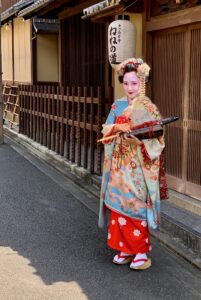
Gion is Kyoto’s premier traditional geisha district, famed for its preserved wooden machiya merchant houses, exclusive ochaya (teahouses), and winding stone streets. The most famous street in Gion, stretching from Shijo Avenue to Kennin-ji Temple. Walk down Gion Shirakawa, located north of Shijo Avenue. This area is often considered the most beautiful street in Kyoto, running along a picturesque canal flanked by weeping willows and traditional wooden architecture. The best time to catch a glimpse of a geiko or maiko in full attire is around twilight (5:00 PM to 6:00 PM) as they walk toward their teahouse appointments.
Southern Kyoto
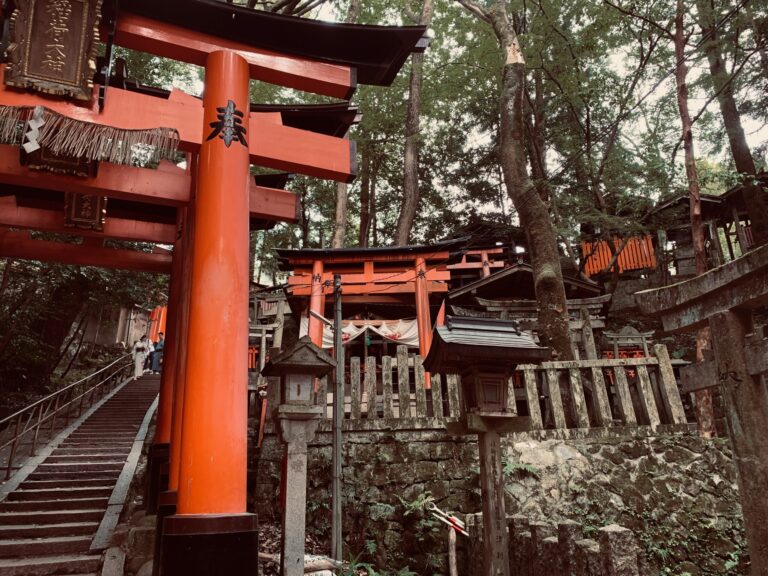
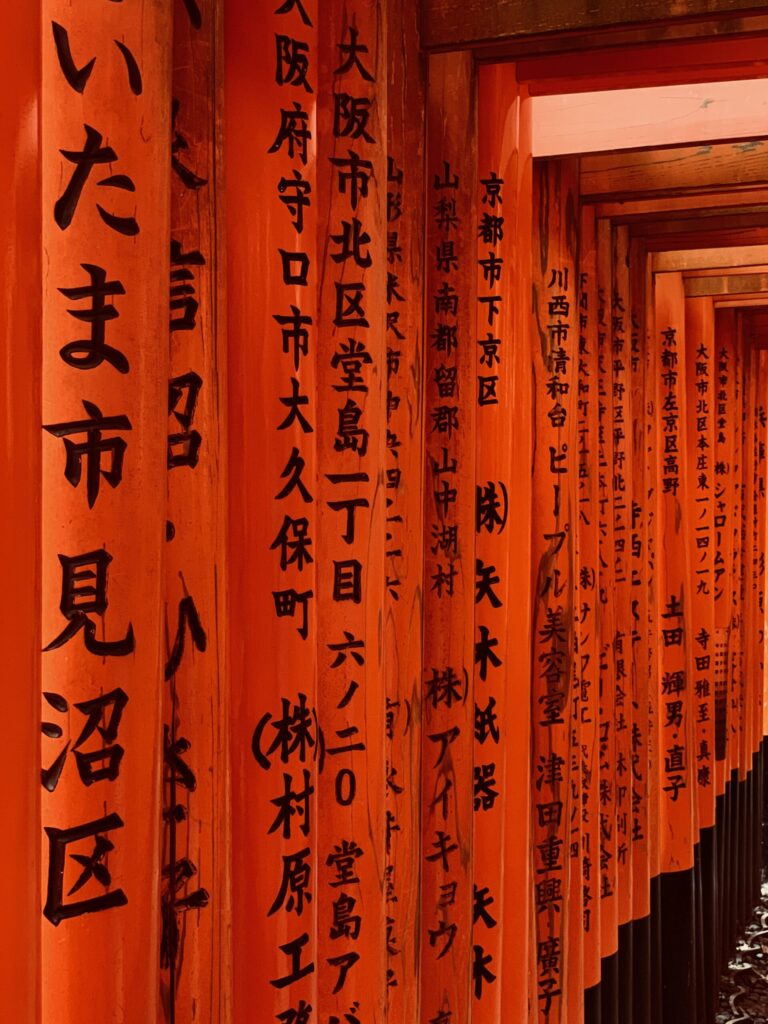
Inscribed on each of the torii is the name of the person or business that it was donated by
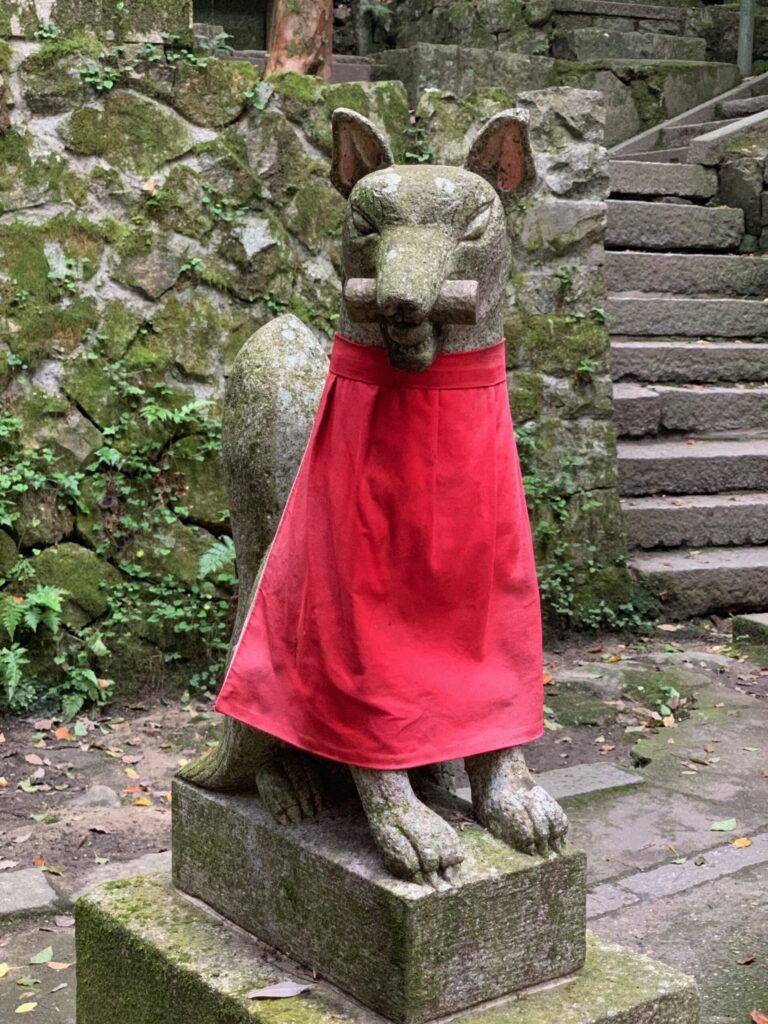
Thousands of stone fox statues on the grounds that represents messengers of the god Inari
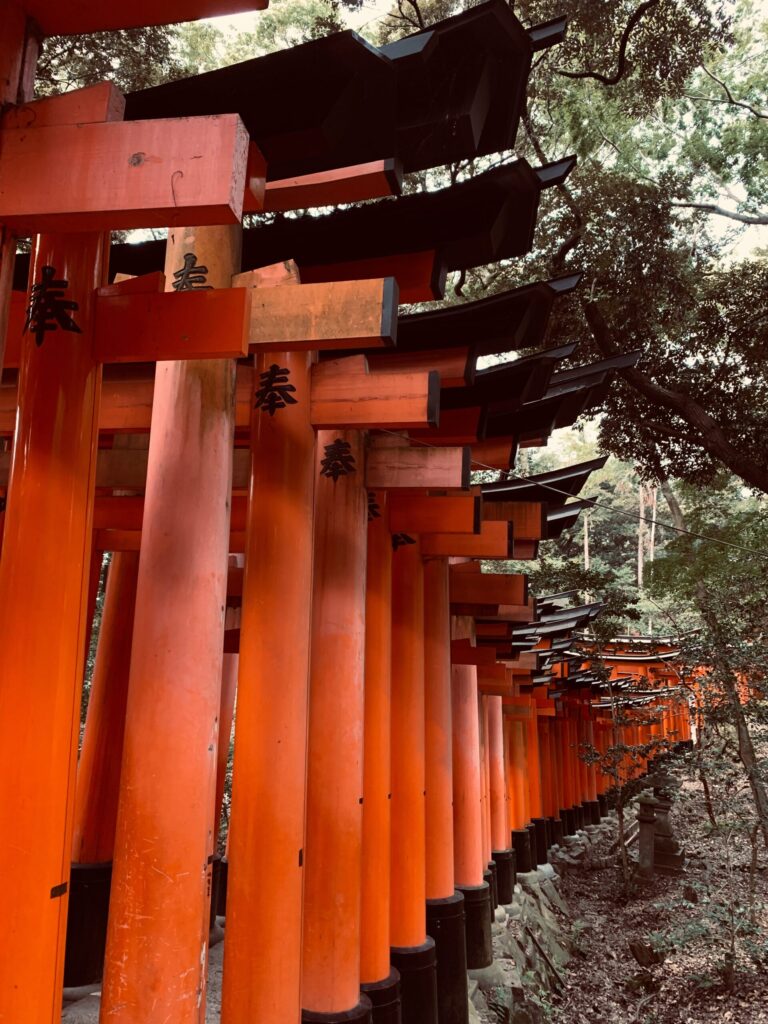
Fushimi-Inari-Taisha is one of the most popular sights in Kyoto. It was founded in 711 AD and has over 10,000 tori gates! In Shinto culture, stepping under a torii gate always symbolizes a transition from the secular to the sacred, so hiking beneath 10,000+ torii gates at Fushimi Inari is very symbolic. The way to the inner shrine takes you through an especially impressive arcade of torii known as “Senbon-no-torii” (one thousand torii). On the opposite side of the main hall, the walk to the upper shrine starts. Fushimi-Inari-Taisha enshrines the god Inari, which is the god of the rice harvest, commerce and business. The messenger of the god Inari is the fox.
Western Kyoto
Tenryu-ji Temple | Arashiyama Bamboo Grove | Iwatayama Monkey Park | Saihōji (Kokedera) Temple
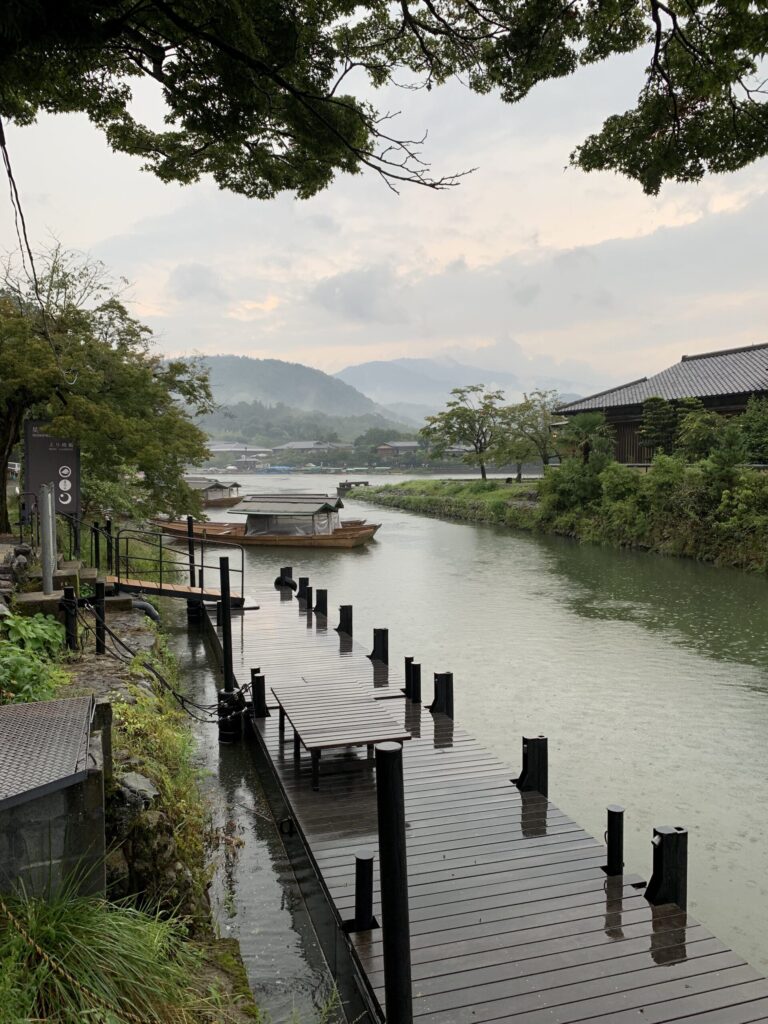
Tenryu-ji Temple, a Unesco World Heritage Site, is a sprawling Zen temple with one of the finest gardens in Kyoto and wonderful mountain views. This is the oldest surviving example of “shakkei” (borrowed scenery) in Japan where the steep surrounding mountains of Arashiyama are perfectly incorporated into the design of this garden. Head uphill from the main hall and exit the garden/temple by the north gate, a quick left will take you directly to the Arashiyama Bamboo Grove.
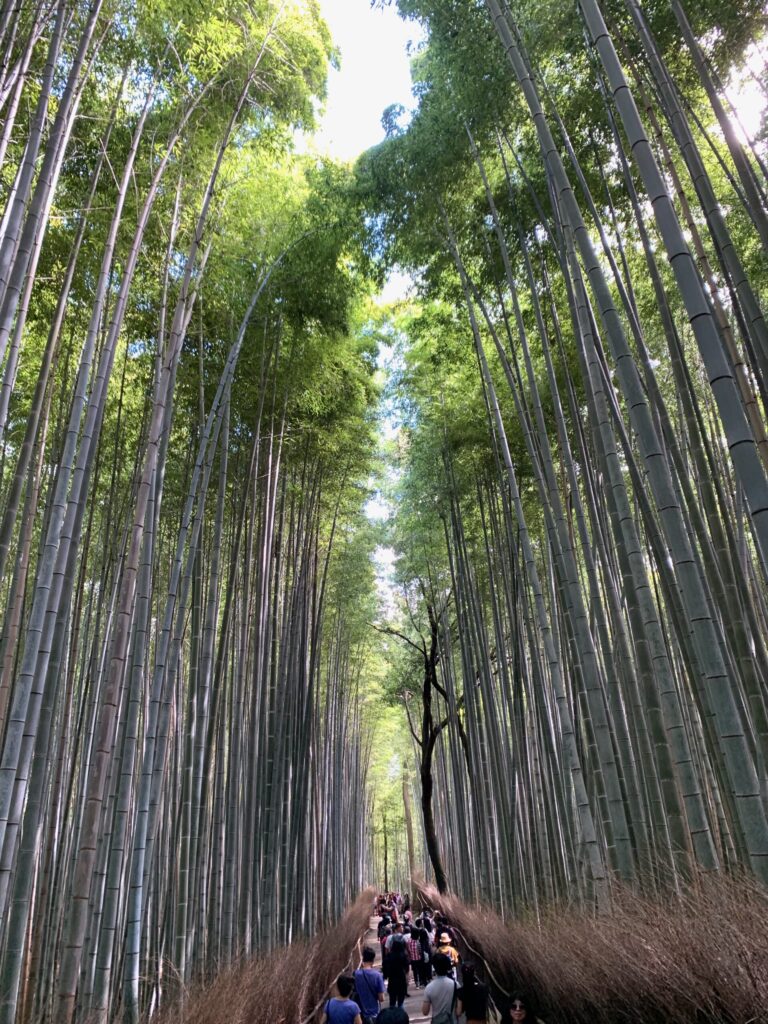
Located in the village of Sagano on the west side of Kyoto, the path through the Arashiyama bamboo grove is short yet immersive. It’s beautiful the way the light breaks through the dense bamboo stalks.
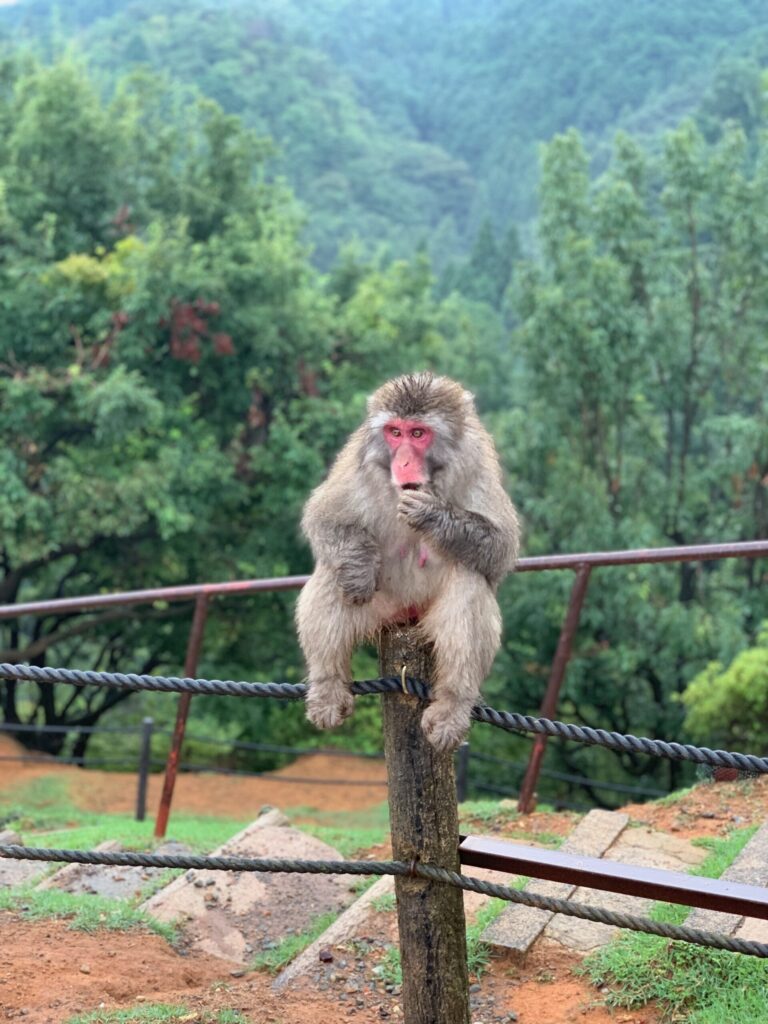
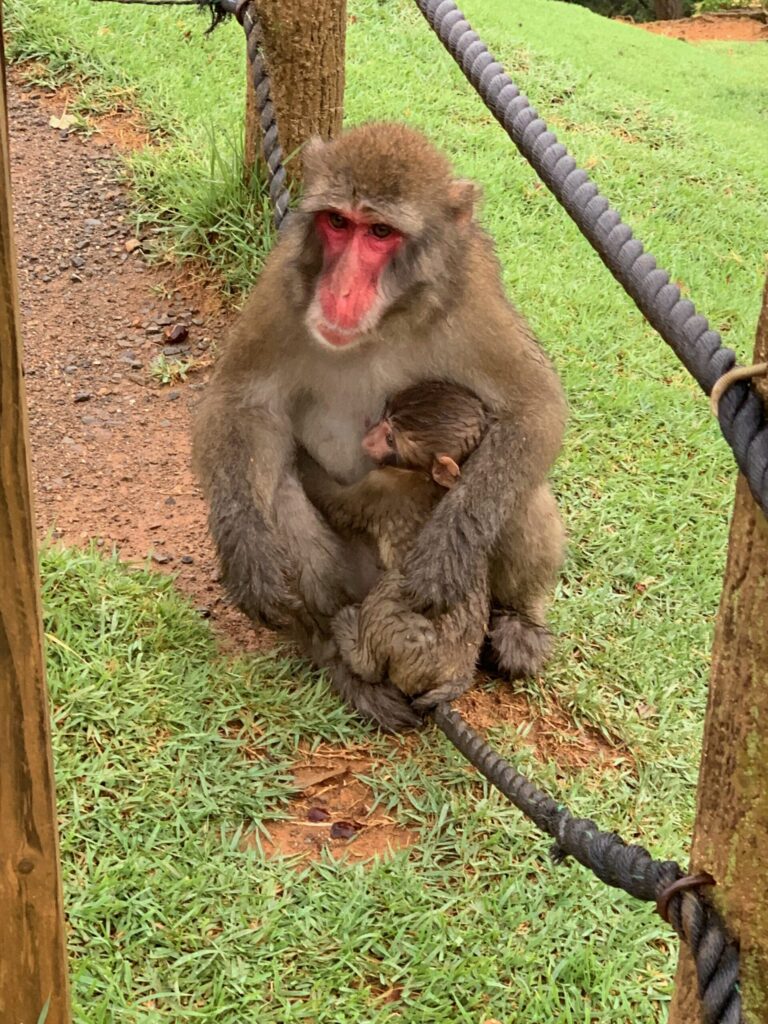
The Iwatayama Monkey Park is located atop Mount Arashiyama, on the opposite side of the Ōi River. It is inhabited by a troop of over 120 Japanese macaque monkeys (also called snow monkeys). From the ticket office, it’s about a 20 minute walk to the monkey park. At the summit, you get a panoramic view over Kyoto city. The monkeys just walk around, sit, play, eat freely in the area, so it’s fun to just watch them interact naturally. Inside the rest building, there’s a mesh-enclosed room where you can buy monkey snacks for ¥100 a bag and feed them from behind the wire. A few times a day the staff throws out feed in the plaza, prompting the monkeys to congregate.
Saihōji (Kokedera) Temple features a lush, 1,300-year-old garden covered in over 120 varieties of moss. The moss cover was actually formed over centuries of neglect following floods and wars, allowing nature to take over. Kokedera offers the unique opportunity for visitors to participate in some of the temple’s religious activities. Every visitor to Kokedera is asked to contribute to the observances of kito and shakyo (respectively, the chanting and copying of Buddhist scriptures, called sutra). During winter (mid January to February), the garden is closed to tourists to allow it to rest and undergo maintenance work. Unlike other temples, it’s mandatory to book your visit in advance.
Northern Kyoto
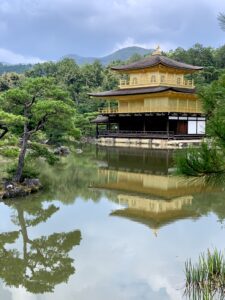
Probably the most famous temple in Kyoto, Kinkaku-ji (“Temple of the Golden Pavilion”), is a Zen Buddhist temple whose top two floors are completely covered in gold leaf. The temple was the retirement villa of the shogun Ashikaga Yoshimitsu, and according to his will it became a Zen temple after his death in 1408. It was built to echo the extravagant Kitayama culture that developed in the wealthy aristocratic circles of Kyoto during Yoshimitsu’s times. Each floor represents a different style of architecture. It showcases the Muromachi period garden design, where correlation between buildings and its settings were greatly emphasized.