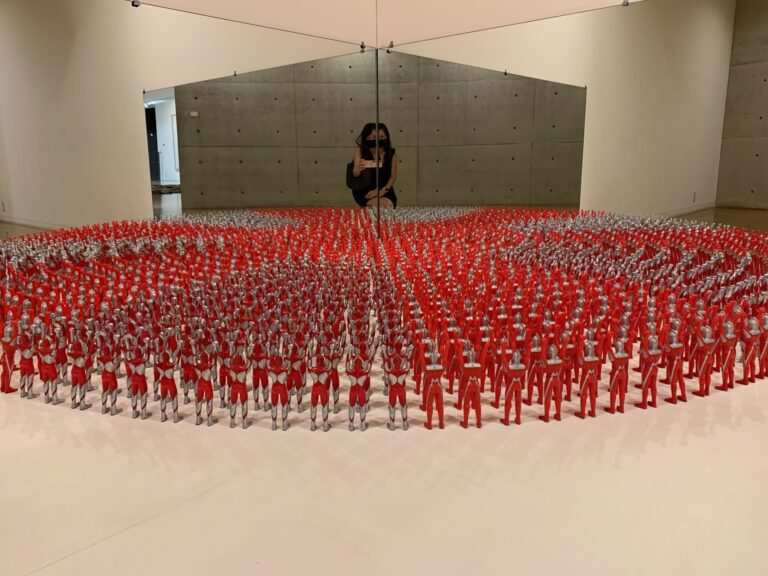
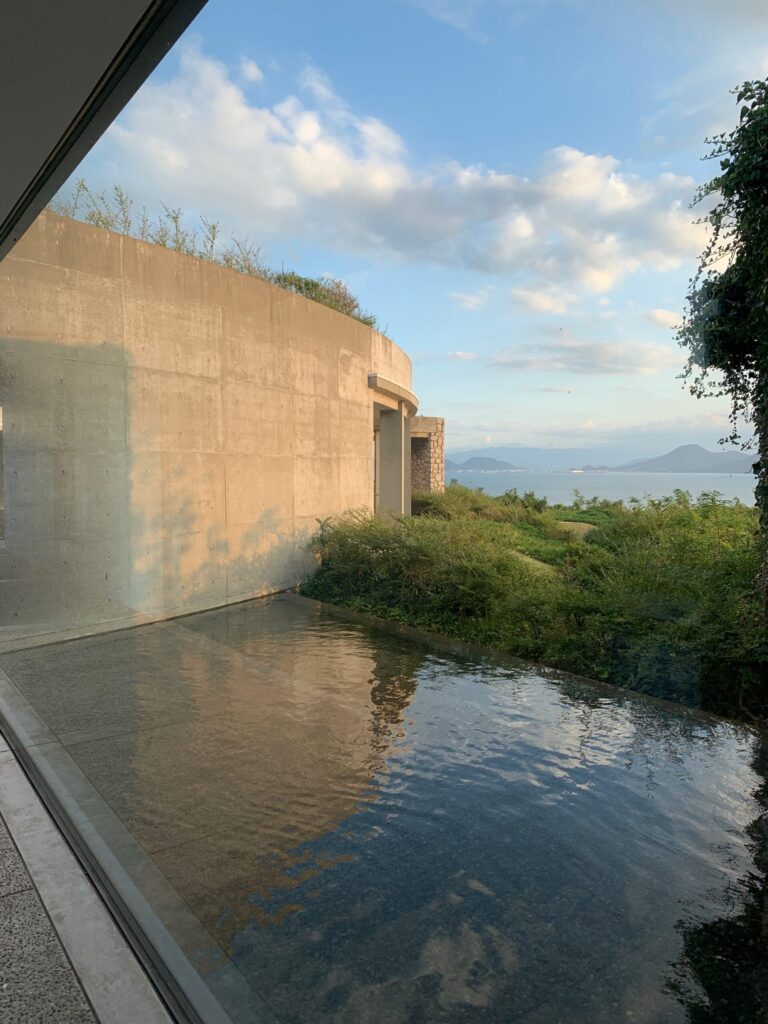
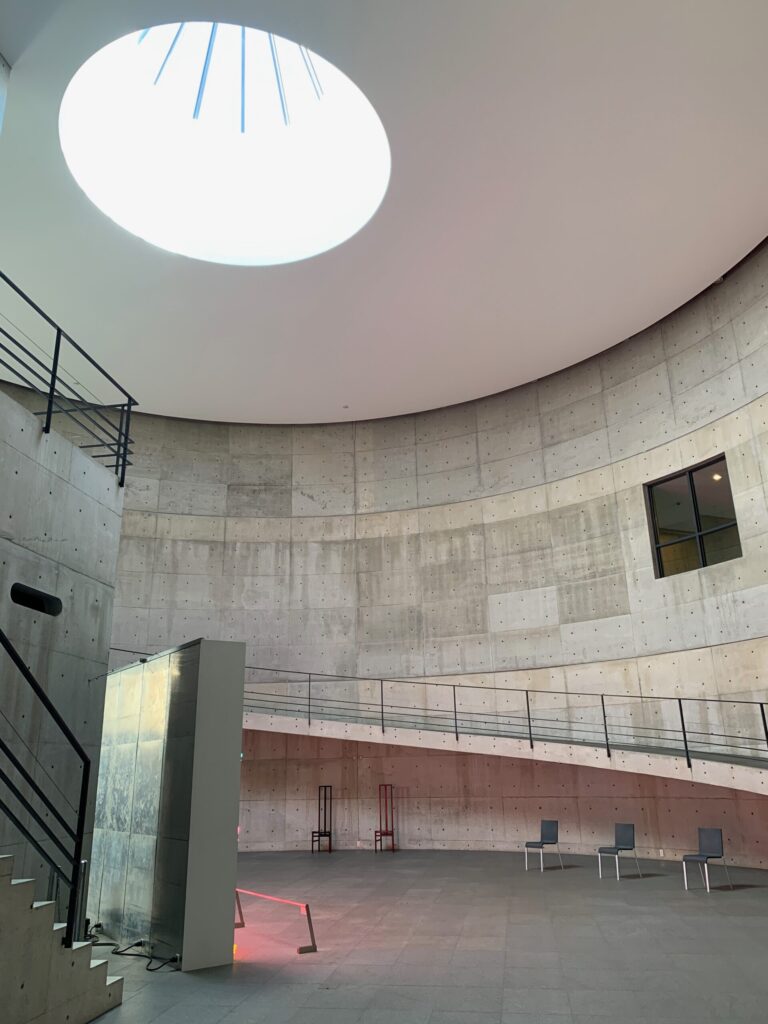
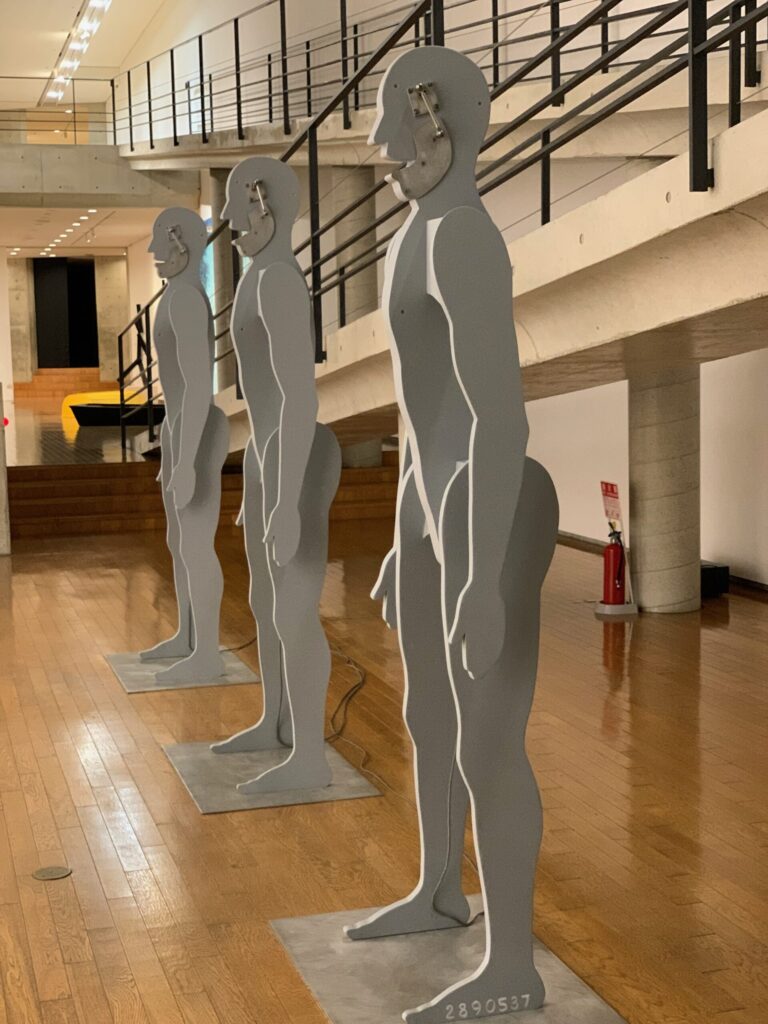
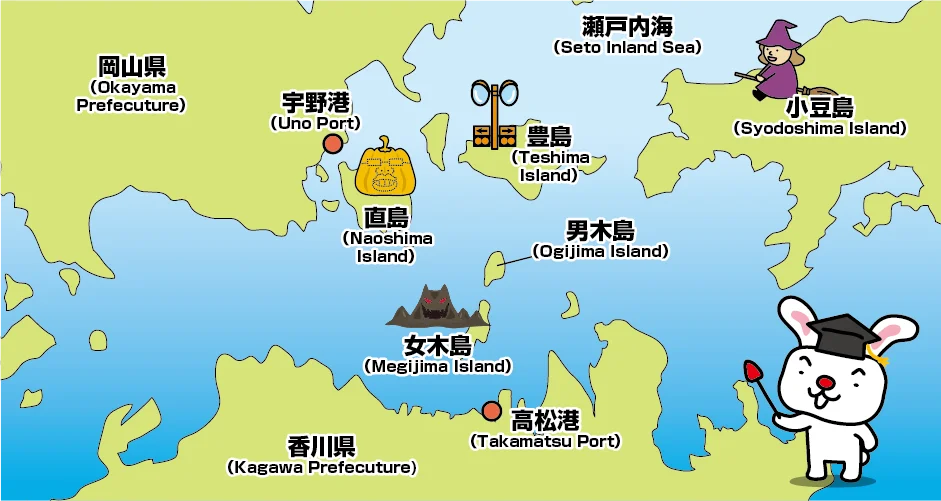
Hidden amongst some 3,000 mostly uninhabited islands in the Seto Inland Sea – there lies a cluster of Art Islands filled with art installations, cutting edge museums, and architectural gems. Sculptures appear across the island including Yayoi Kusama’s iconic yellow pumpkin and Narcissus Garden. Since many of Naoshima’s attractions are outdoors, plan to visit in the spring or late fall when the weather is at its best.
Overview
Stay
Benesse House (Naoshima) – hotel designed by famed Japanese architect Tadao Ando with amazing views and access to the museum after hours
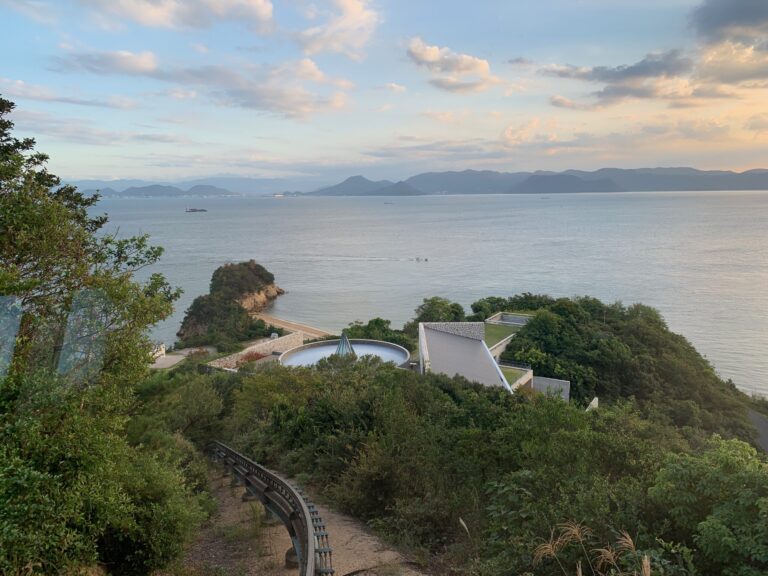
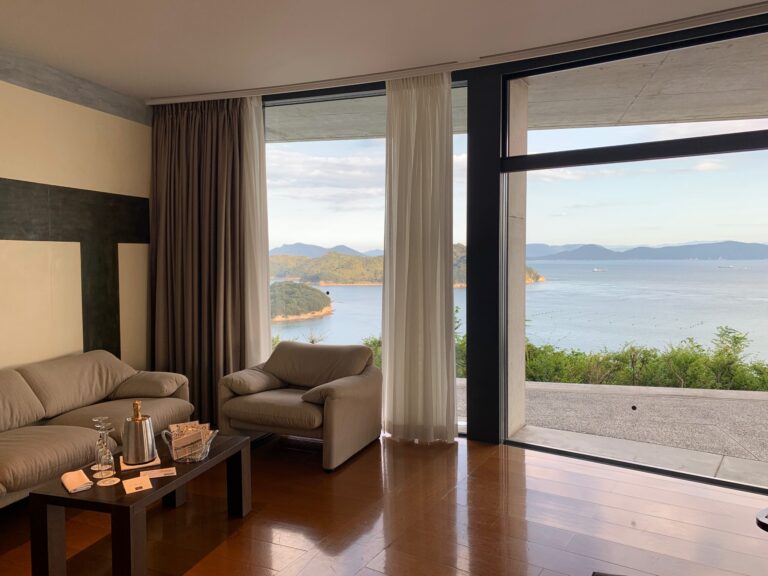
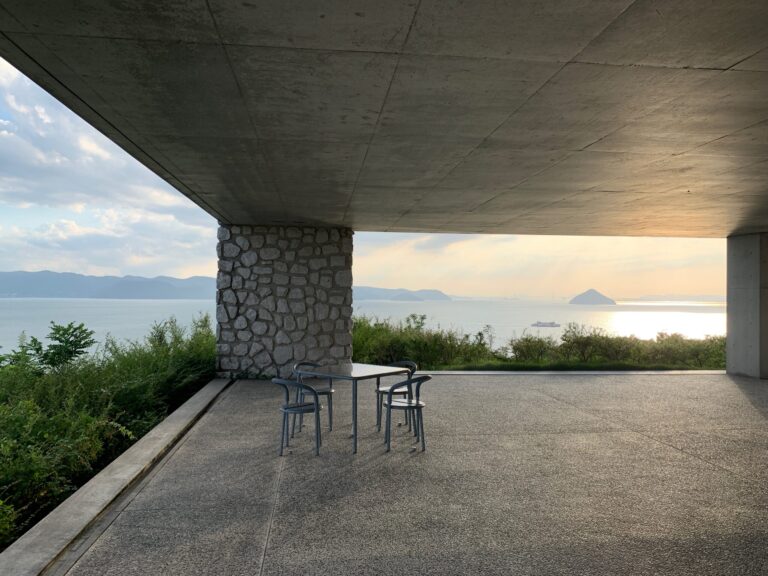
I highly recommend Benesse House if you can get a reservation (it books out months in advance), specifically Benesse Oval. There are six guestrooms, reachable only by monorail from the Museum. The rooms have vast floor-to-ceiling windows that offer a sweeping view of the Inland Sea, and the walls of some of the guestrooms are decorated with drawings created by the artists. An added benefit is that overnight guests can visit Benesse House Museum (including Valley Gallery) and Hiroshi Sugimoto Gallery after hours when everyone else has left. You don’t need a reservation and you’ll have the place all to yourself! It’s truly a special experience.
How to Get There
I have to admit, getting to Naoshima is not that easy. From Tokyo, take a shinkansen to Okayama. If time allows, you may want to do an overnight, and spend a day there. Okayama, specifically the Kojima district, is known as the denim capital of Japan. It is celebrated worldwide for producing some of the highest-quality, artisanal selvedge denim in existence. Other notable places to visit are the Okayama Castle and the Okayama Korakuen Garden.
From Okayama, take the Seto-Ohashi Line to Uno Station, then walk five minutes to Uno Port to catch the ferry. Ferries operate on a first-come, first-served basis but rarely fill up. Tickets go on sale 40 minutes before departure and are cash-only, costing ¥300 (US$2) per person. The 20-minute trip takes visitors directly to Miyanoura Port or Honmura Port on Naoshima Island. The ports are on opposite sides of the island, so depending on where you’d like to start, check the ferry schedule in advance to determine which ferry best fits your itinerary.
If you are staying at Benesse House, there’s a free Benesse Art Site Shuttle that runs every 30 minutes between Tsutsuji-so, Benesse House Museum, Lee Ufan Museum, Valley Gallery and Chichu Art Museum. If you’d like to start exploring immediately after arriving at the port, send your luggage to the hotel with the shuttle and tell them you’ll check in later.
To get to Teshima, there are direct high-speed boats from Naoshima’s Miyanoura Port to Teshima’s Ieura Port. The ride takes about 20 minutes and costs roughly ¥620 to ¥820 one-way. Be sure to check the schedule as they do not run daily (and only seasonally) — they are often closed on Tuesdays or days when the Teshima Art Museum is closed.
What to See
Art House Project
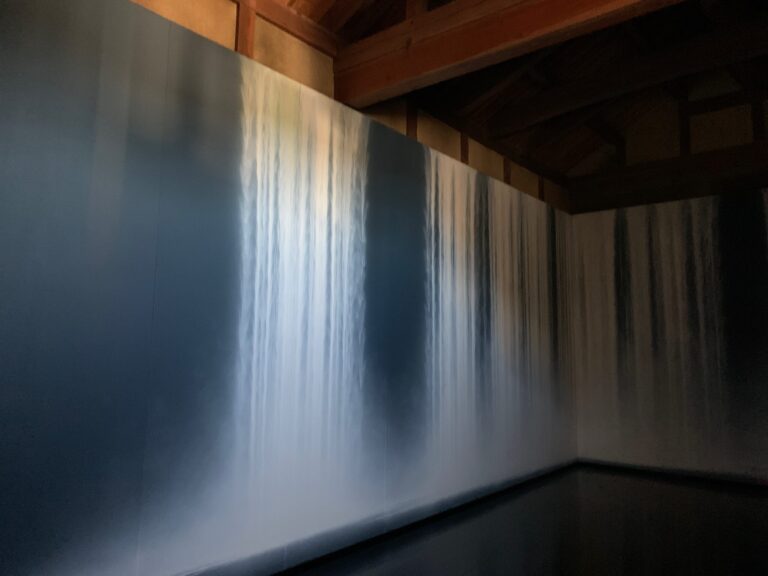
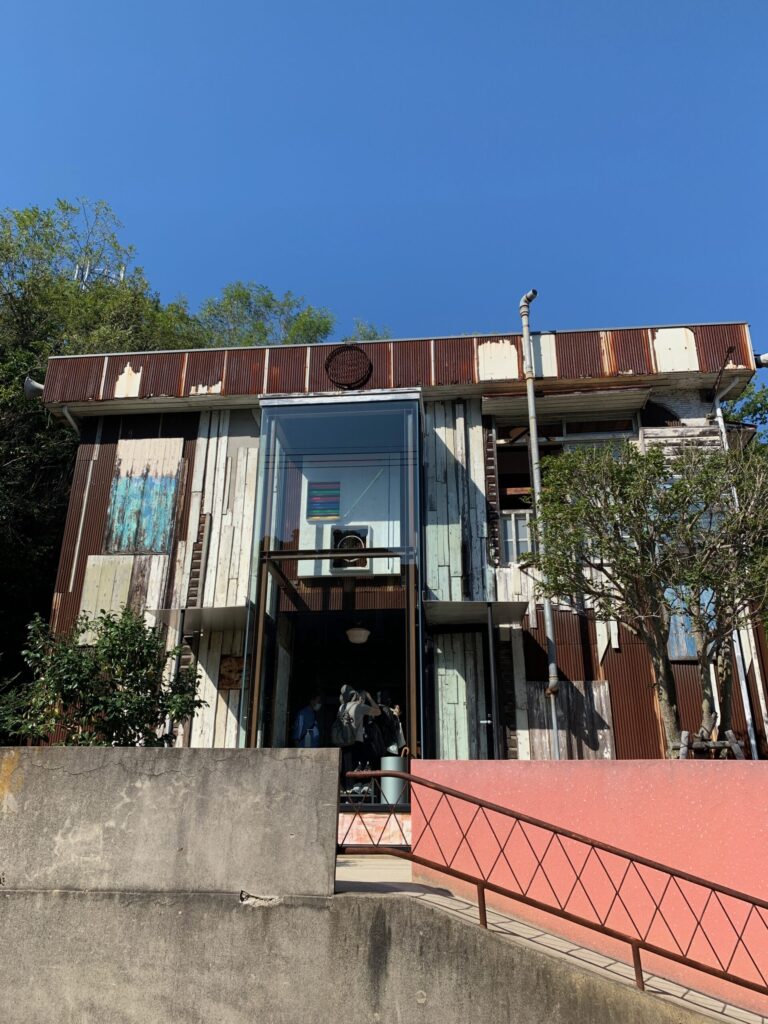
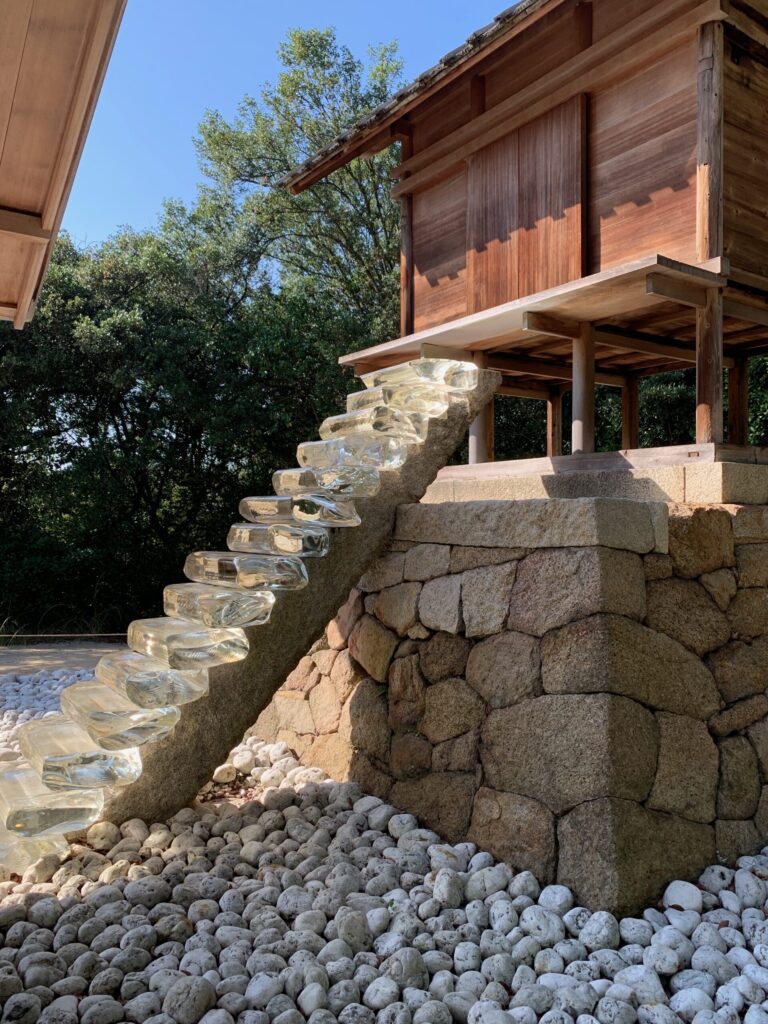
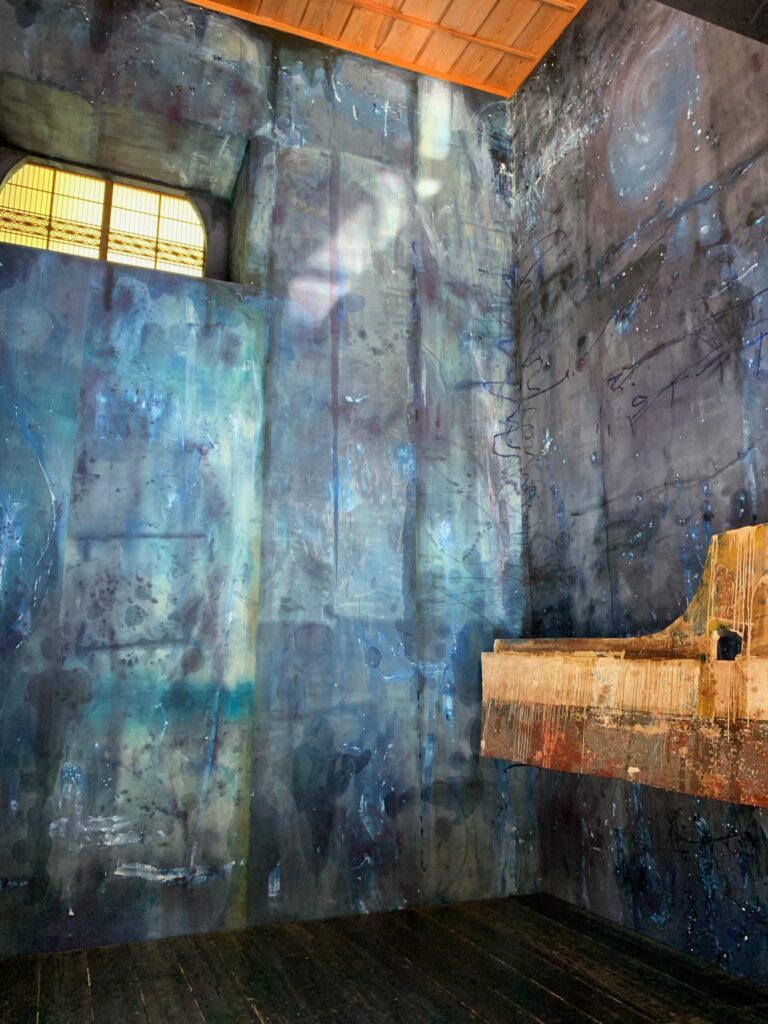
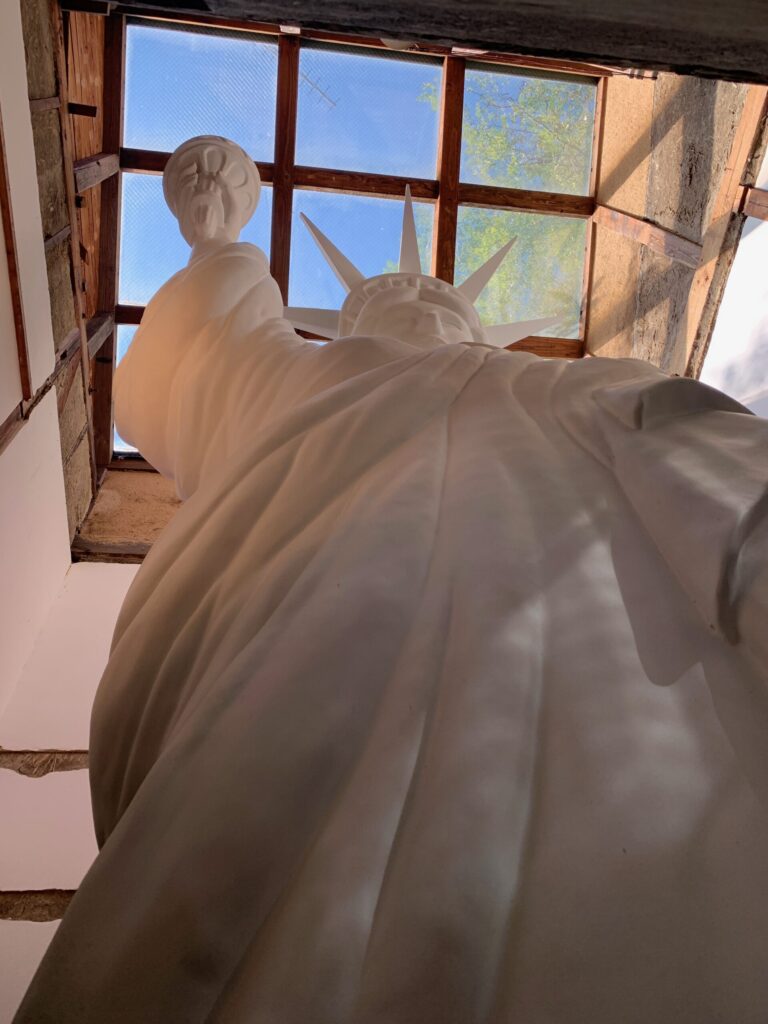
If you take the ferry to Honmura Port on the eastern side of the island, you can start at the Art House Project. It began in 1998 with “Kadoya”, and currently comprises seven locations: “Kadoya”, “Minamidera”, “Kinza”, “Go’o Shrine”, “Ishibashi”, “Gokaisho”, and “Haisha”. In this project, artists take empty houses scattered about residential areas and turn the spaces themselves into works of art, weaving in history and memories of the period when the buildings were lived in and used. Going from one of the houses to another, visitors pass through the Honmura district, a traditional Japanese neighborhood. Buy tickets for Art House Project at Honmura Lounge & Archive.
Haisha
Go'o Shrine
Naoshima New Museum of Art
Newly opened in spring 2025 in the Honmura district, the museum exhibits and develops a collection of major works and commissioned works of artists from the Asian region, including Japan. As with other Tadao Ando designs, the new museum interconnects with the existing art facilities on the islands and deeply resonantes with the surrounding nature and communities.
Chichu Art Museum
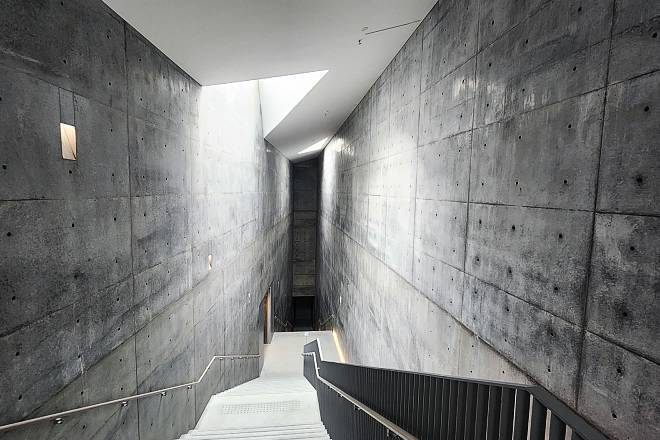
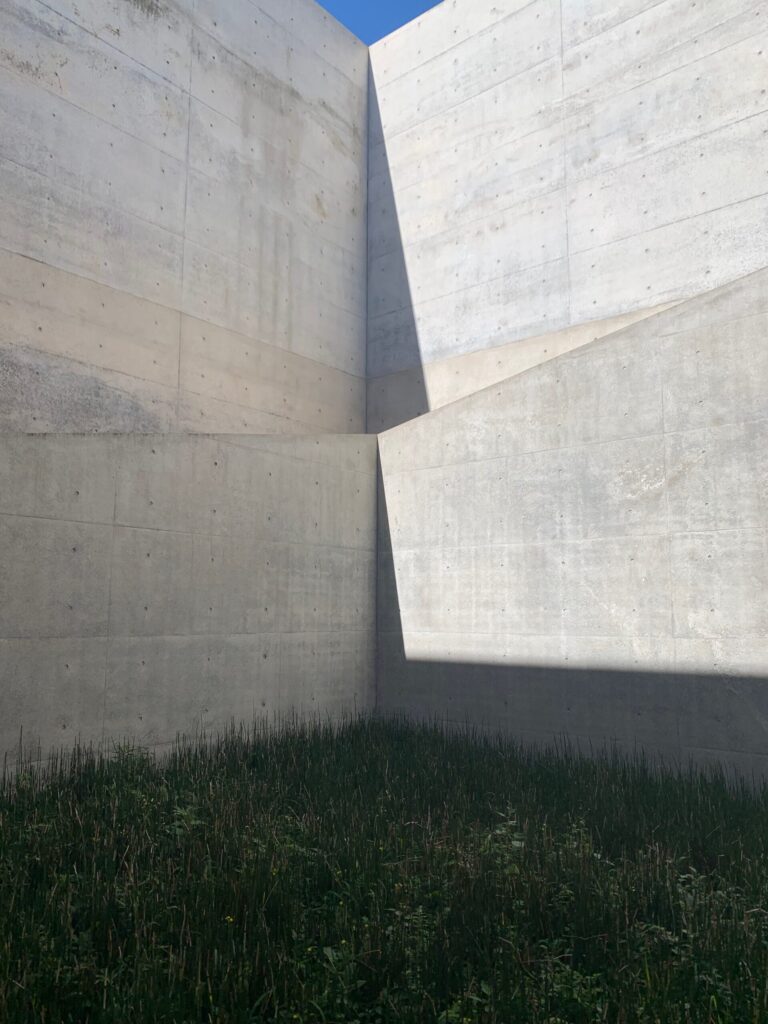
One of the highlights of Naoshima is the Chichu Art Museum. The word chichu in Japanese means “deep within the ground” and Ando Tadao’s museum building is just that. Within Naoshima’s southern hills where salt terraces had once been active, Ando has created a bare concrete wall structure that has been embedded into the ground, with geometrically shaped apertures allowing light to enter specific areas of the building. The museum encapsulates Ando’s design philosophy, an architecture that minimizes its presence within the landscape while maximizing its experiential and spatial impact. The building is truly an artwork in and of itself.
The museum is the home to permanently installed works by three artists, each of whom showed a keen interest in exploring light, and the spectrum between the natural and the artificial: Claude Monet (1840-1926), represented by a series of his late Water Lily works (created between the years of 1915 and 1926); Walter De Maria (1935-2013), represented by his site-specific installation, Time/Timeless/No Time (2004); and a number of James Turrell’s works. There’s a special private viewing of Turrell’s Open Sky at sunset which you can sign up for in advance, but in my opinion, it’s not worth your time.
Teshima
Les Archives Du Couer by Christian Boltanski, permanently houses recordings of the heartbeats of people throughout the world. Boltanski has been recording these heartbeats since 2008.
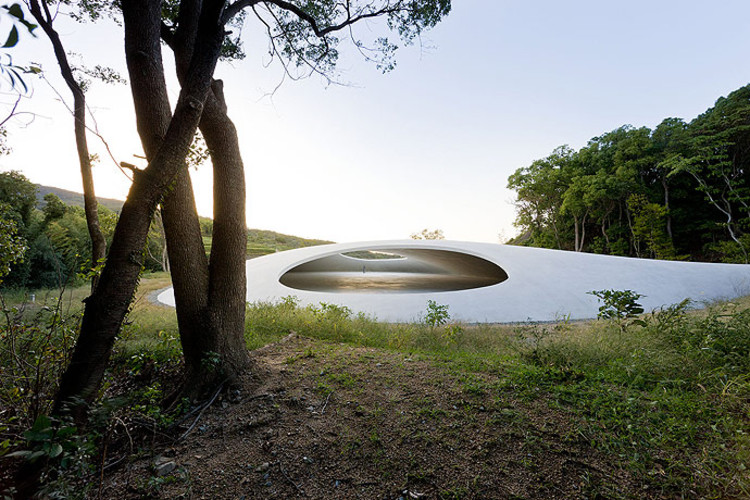
Teshima Art Museum hosts a single piece of artwork that resembles a water droplet at the moment of landing. It’s located in the corner of a rice terrace that was restored in collaboration with local residents.
Teshima Yokoo House exhibition areas are divided into a “Main House,” a “Warehouse,” and an “Outhouse,” displaying 11 two-dimensional works. It was a collaborative effort between artist Tadanori Yokoo and architect Yuko Nagayama, created by altering and renovating an old private house located in a hamlet in the Ieura District